


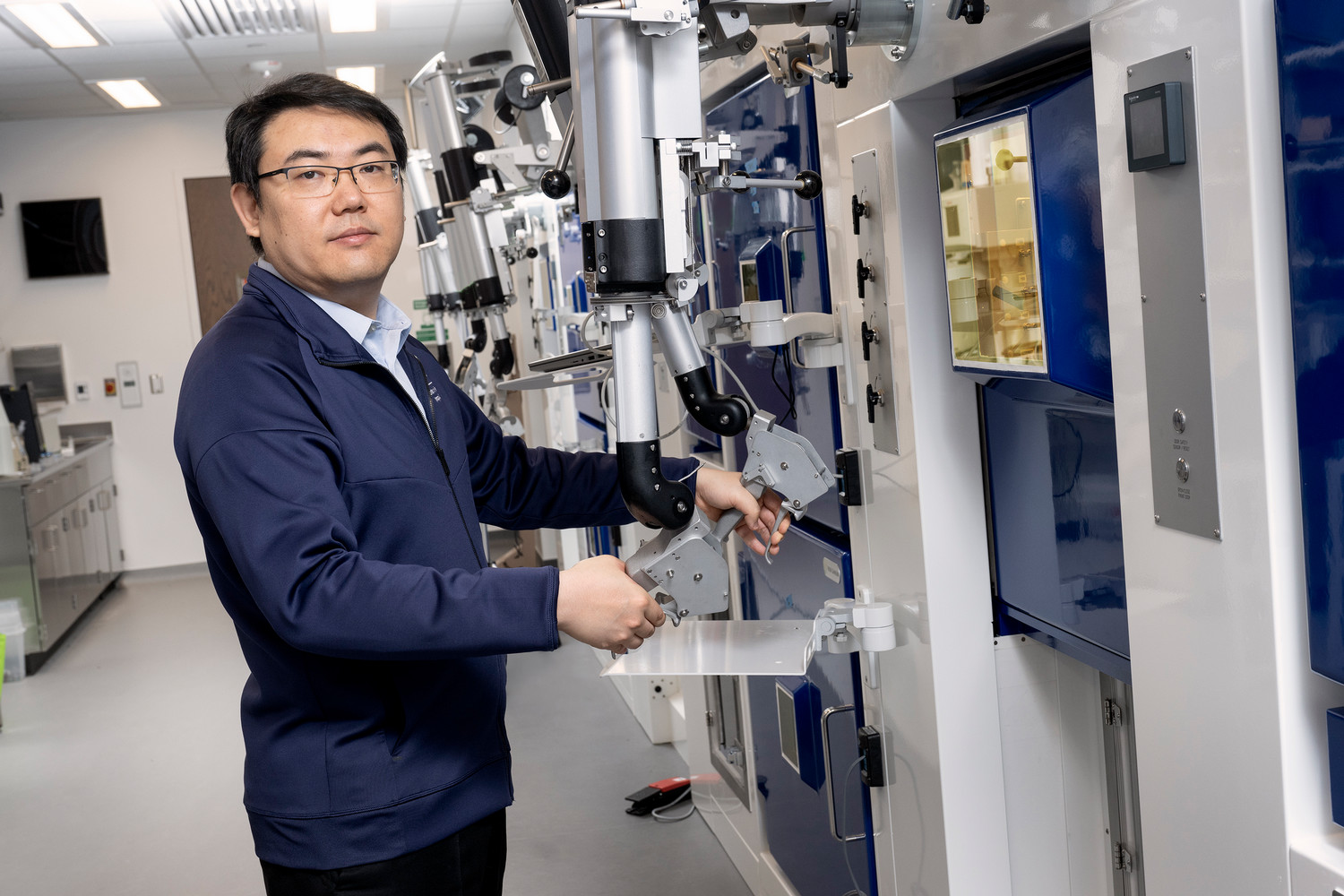
Distinguished. Trailblazer. Innovator. They're more than the titles of his recent honors; they're the traits etched into Steven H. Liang's DNA.
Liang wears a lot of hats at Emory: professor of radiology and imaging sciences with a secondary appointment in the Coulter Department of Biomedical Engineering of Emory and Georgia Tech, director of the Radiopharmaceutical Discovery Lab and director of the Positron Emission Tomography Imaging Center. He also holds an endowed directorship of radiochemistry, cyclotron facility and radiopharmacy.
In these roles, and focusing specifically on the power of positron emission tomography (PET) imaging, he has turbocharged efforts to develop and validate radiopharmaceuticals for both diagnostic and therapeutic purposes. The ultimate goal is to make quantitiative, personalized medicine less of a pipe dream and more akin to the standard of care for everyone in the near future.
Visualizing Brain Function
Liang and his team have pioneered methods for combining radioactive atoms from elements like fluorine with molecules of substances that affect or are essential to brain function to create radiotracers. Radiotracers are injected into the body to enable visualization of brain function using PET imaging.
For example, he and his team developed a new PET imaging radiotracer that enables real-time observation of cholesterol breakdown in the brain. Altered cholesterol metabolism in the brain is associated with neurodegenerative diseases including Alzheimer’s disease, Parkinson’s disease, and Huntington’s disease. Creating a mechanism for visualizing how a patient's brain processes cholesterol will greatly advance neuroimaging not only to diagnose and monitor disease progression, but it more importantly to help with clinically testing investigational therapies.
"The beauty of PET imaging with radioligands is that only a trace amount of the radioactive probe is needed to obtain high-quality images. That means we aren't creating a biochemical effect beyond visualization," Dr. Liang says. "That makes it very useful for seeing more clearly how potential therapies affect brain functioning."
The work is funded by more than $9 million in grants from the National Institute on Aging and the National Institute of Mental Health National Institutes of Health, as well as from the National Institute of Neurological Disorders and Stroke.
Productivity Plus
Liang seemingly works nonstop. More than 40 journal publications in 2025 alone bear his name as lead, contributing or corresponding author. They appear in such august publications as Brain, Acta Pharmaceutica Sinica B, the American Journal of Nuclear Medicine and Molecular Imaging, the European Journal of Nuclear Medicine and Molecular Imaging, the Journal of Medicinal Chemistry, the American Chemical Society Medicinal Chemistry Letters, and others. Seven articles nabbed front cover status, including “Discovery of 18F Labeled AZD5213 Derivatives as Novel Positron Emission Tomography (PET) Radioligands Targeting Histamine Subtype-3 Receptor,” which graces the cover of the journal ChemBioChem. Cover articles are those that present truly groundbreaking work.
The volume of work also reflects how many young scientists Liang mentors and how many faculty colleagues around the world collaborate in pushing the boundaries of radiochemistry and imaging.
Liang takes mentorship very seriously. "Radiochemistry is more than a discipline; it is a catalyst for transforming how we visualize and treat disease. I believe the future of this field depends on the passion and ingenuity of young radiochemists who dare to push beyond established limits to create novel radiotracers and therapeutic agents that redefine radioactive medicine. My passion is to mentor and inspire these emerging scientists, empowering them to shape the next generation of breakthroughs in nuclear imaging and radiotherapeutics."
Mentoring the Next Generation
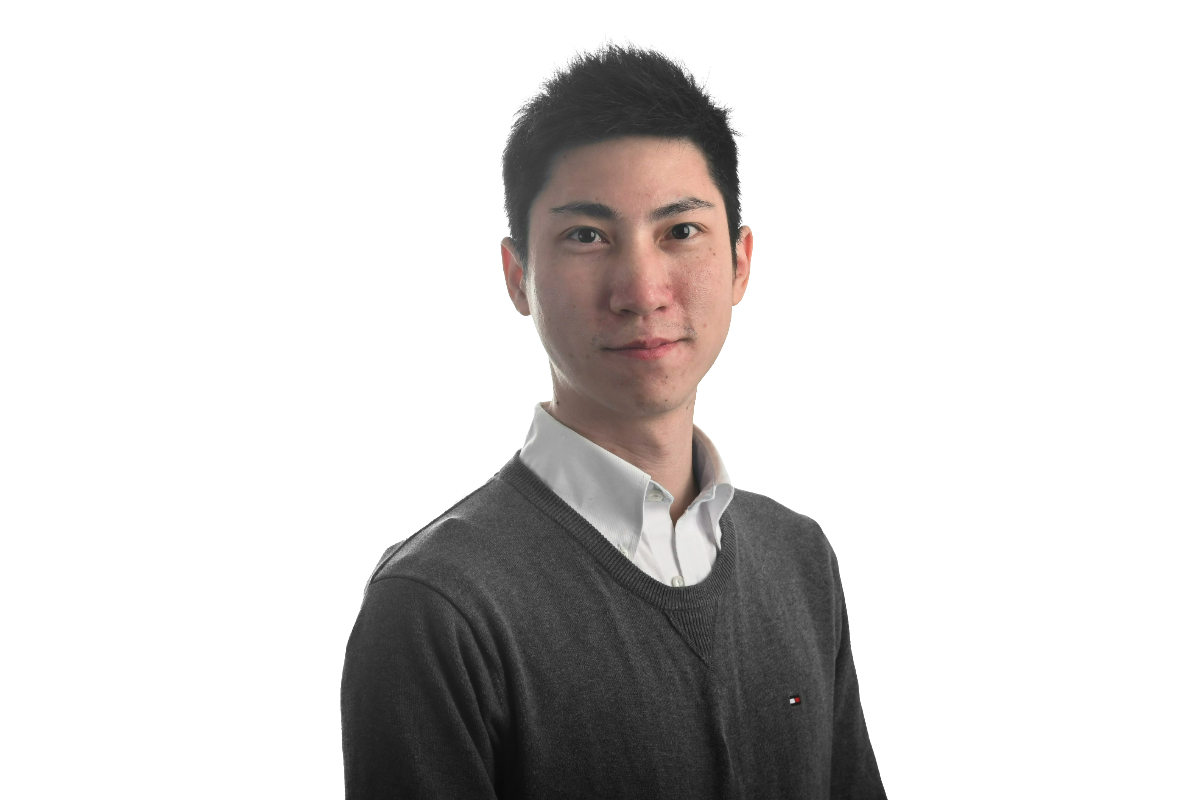
Liang's mentorship has helped mold young scientists like Jiahui Chen, PhD into award-winning scholars in their own right. Chen won the 2025 Lalita and Mathew (Madhukar) Thakur Award, given by the Society for Nuclear Medicine and Molecular Imaging (SNMMI) for outstanding investigation in translational nuclear medicine and molecular imaging. The award specifically points to his abstract, "Visualization of phosphodiesterase 4B in neuroinflammation mouse models with positron emission tomography."
Chen also received SNMMI’s Travel Award to cover travel costs so he could attend the SNMMI Annual Meeting and present his abstract (and receive the award).
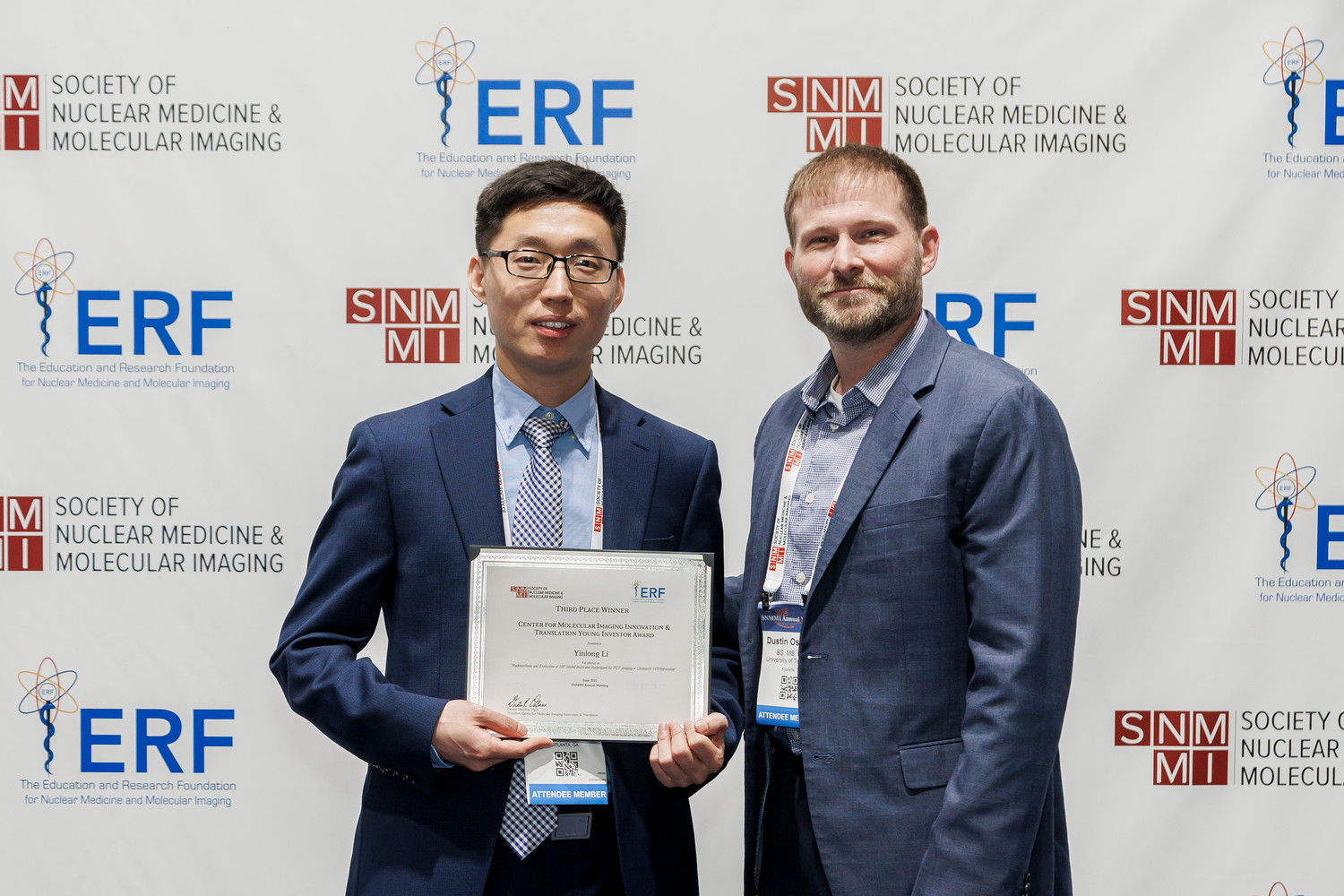
Yinlong Li, PhD, an assistant scientist in the Radiopharmaceutical Discovery Lab, took third place in the Center for Molecular Imaging Innovation and Translation (CMIIT) Young Investigator Awards for his abstract “Radiosynthesis and Evaluation of 18F-labeled deuterated Radioligand for PET Imaging of Cholesterol 24?Hydroxylase." (Yes, the question mark belongs there.)
He also received the Radiopharmaceutical Sciences Council (RPSC) Berson-Yalow Award which recognizes outstanding original work in the field of nuclear medicine using competitive receptor-binding assays in vitro and/or in vivo. That award celebrates the contributions of Solomon A. Berson, MD, and Rosalyn S. Yalow, PhD (Nobel Laureate 1977), who pioneered the principle of the competitive binding assay. Liang himself received the honor in 2023.
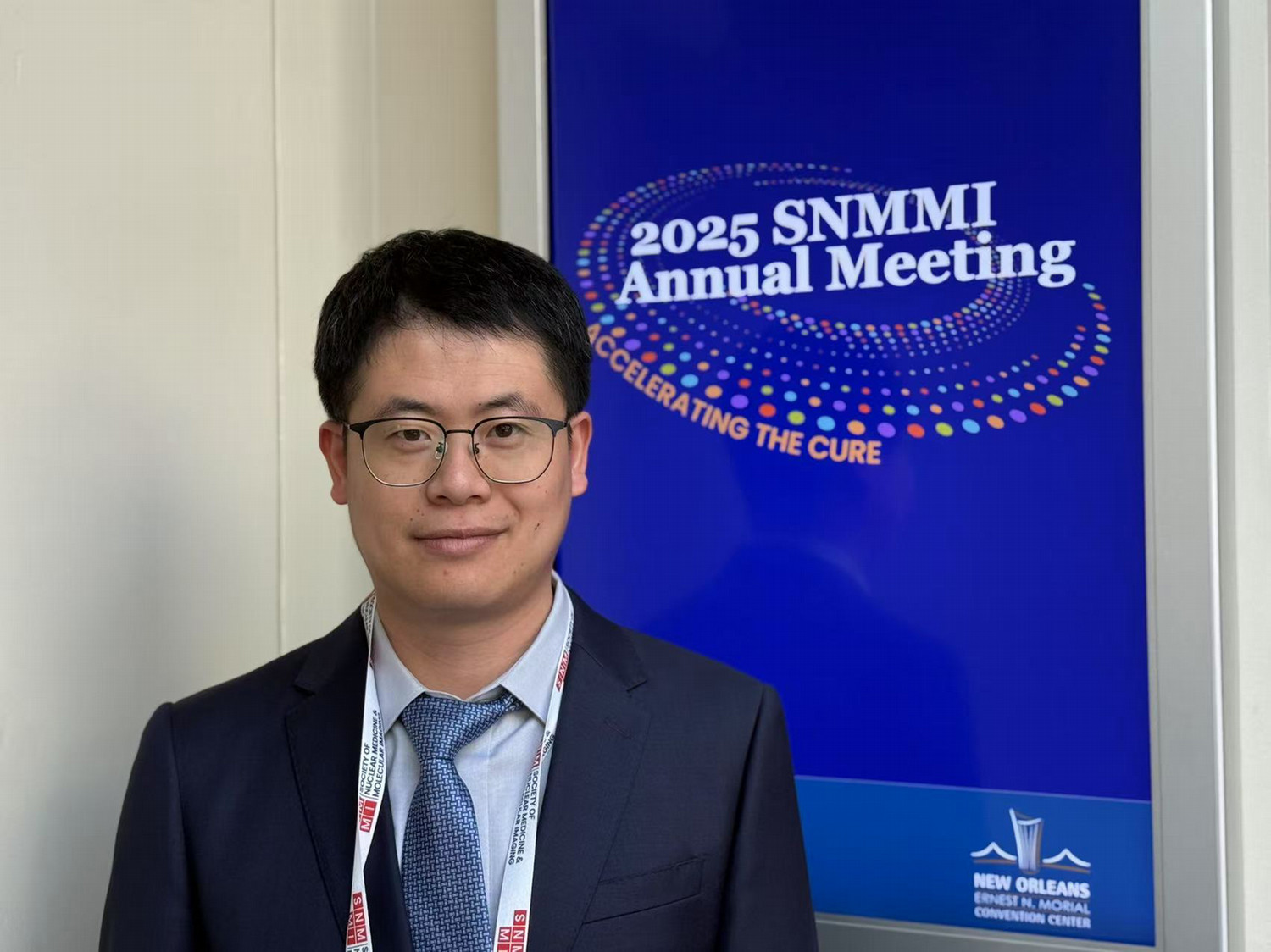
Zhendong Song, PhD, a postdoctoral fellow in the lab, also participated in the RPSC Young Investigator Award Symposium and competition, presented in association with the SNMMI Radiopharmaceutical Science Council, for the best scientific abstracts on radiopharmaceutical chemistry and nuclear medicine. Song earned an Early Career Professionals Committee Abstract Award, and a news feature in the SNMMI Annual Meeting News Center for his abstract on two newly developed PET imaging agents that effectively identified the histamine H3 receptor associated with neurological and psychiatric conditions.
He additionally earned a Travel Award for the SNMMI conference where he presented the work.
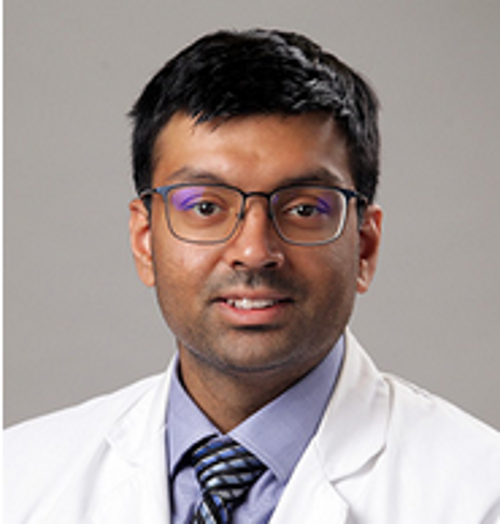
The Society for Nuclear Medicine and Molecular Imaging (SNMMI) recognized Jimmy S. Patel, MD, PhD, a fifth-year radiation oncology chief resident as a rising star in nuclear medicine and molecular imaging through its Ones to Watch Program. Launched in 2018, SNMMI’s Ones to Watch campaign aims to recognize those with the potential to shape the future of precision medicine across all spectrums of the field. Patel also received a 2024 Young Investigator Award from SNMMI for his abstract, "A novel 18F-labeled brain penetrant PET ligand for imaging poly(ADP-ribose) polymerase-1," presented at the society's annual meeting.
Closer to home, the Radiation Oncology Department selected Patel for the RSNA Roentgen Resident/Fellow Research Award, which is given to a resident who advanced radiology research by publishing in peer-reviewed journals, presenting at national and international conferences, and receiving research funding. He also received the Nell W. and William S. Elkin Fellowship in Oncology at Emory Winship Cancer Institute.
Award-Winning Excellence
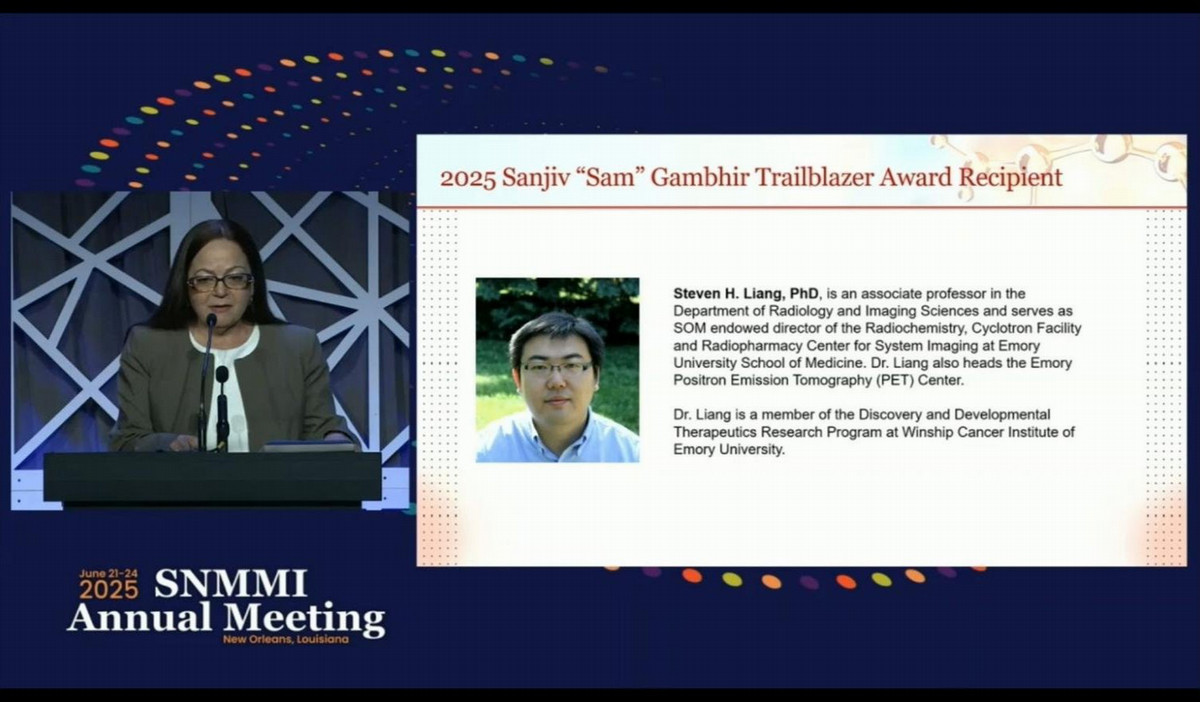
Liang also has his share of accolades. He recently received the 2025 Sanjiv "Sam" Gambhir Trailblazer Award from the Society of Nuclear Medicine and Molecular Imaging (SNMMI). Given by the premier nuclear medicine society, the award honors "outstanding achievement and excellence in transformative research (either basic science, translational science, or clinical science) and exceptional mentorship for mid-career professionals." A past president of the SNMMI's Radiopharmaceutical Sciences Council, Liang also was one of eight SNMMI members named a Fellow of the SNMMI in 2025.
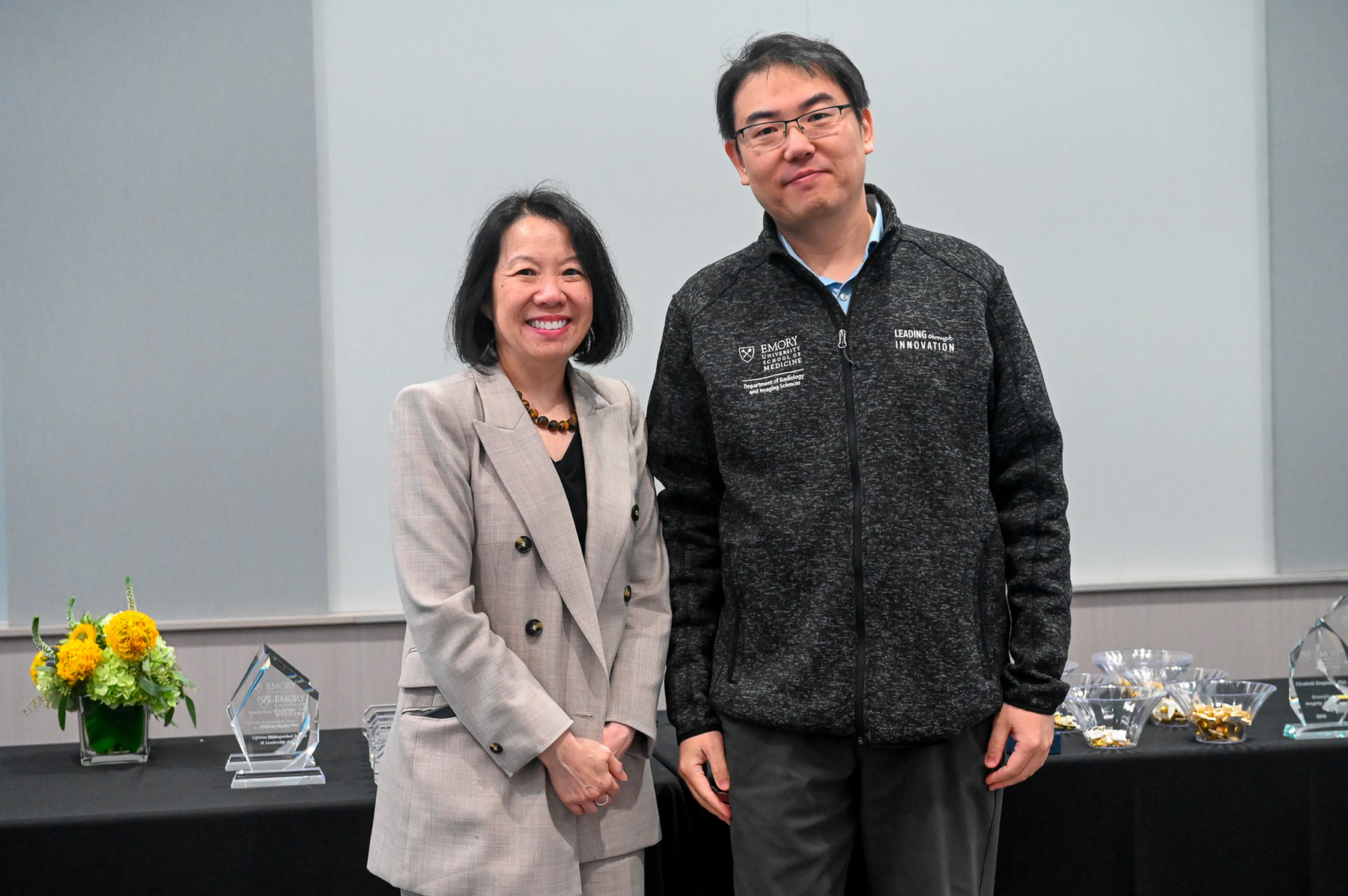
Emory has bestowed honors, too. Liang earned the 2024 Albert E. Levy Award for Scientific Research in the Junior Faculty category from the university and is set to receive another honor for scientific innovation and impact from the School of Medicine later this month. He joined the Millipub Club in 2023 for a scholarly article that has been cited at least 1,000 times, signifying high-impact scholarship.
When asked what from this impressive list of accomplishments he's most proud of, Liang says, "I am most proud of the accomplishments of my trainees and the collaborative spirit that defines our work at Emory. Watching young scientists grow, lead, and make discoveries that advance human health is the most rewarding aspect of my career. Our success is rooted in a strong culture of team science, where chemists, medical physicists, imaging specialists, and physician scientists come together with a shared purpose. I am especially excited about our new imaging and clinical research facility at HSRB2, which will serve as a vibrant space for creativity, mentorship, and interdisciplinary innovation."