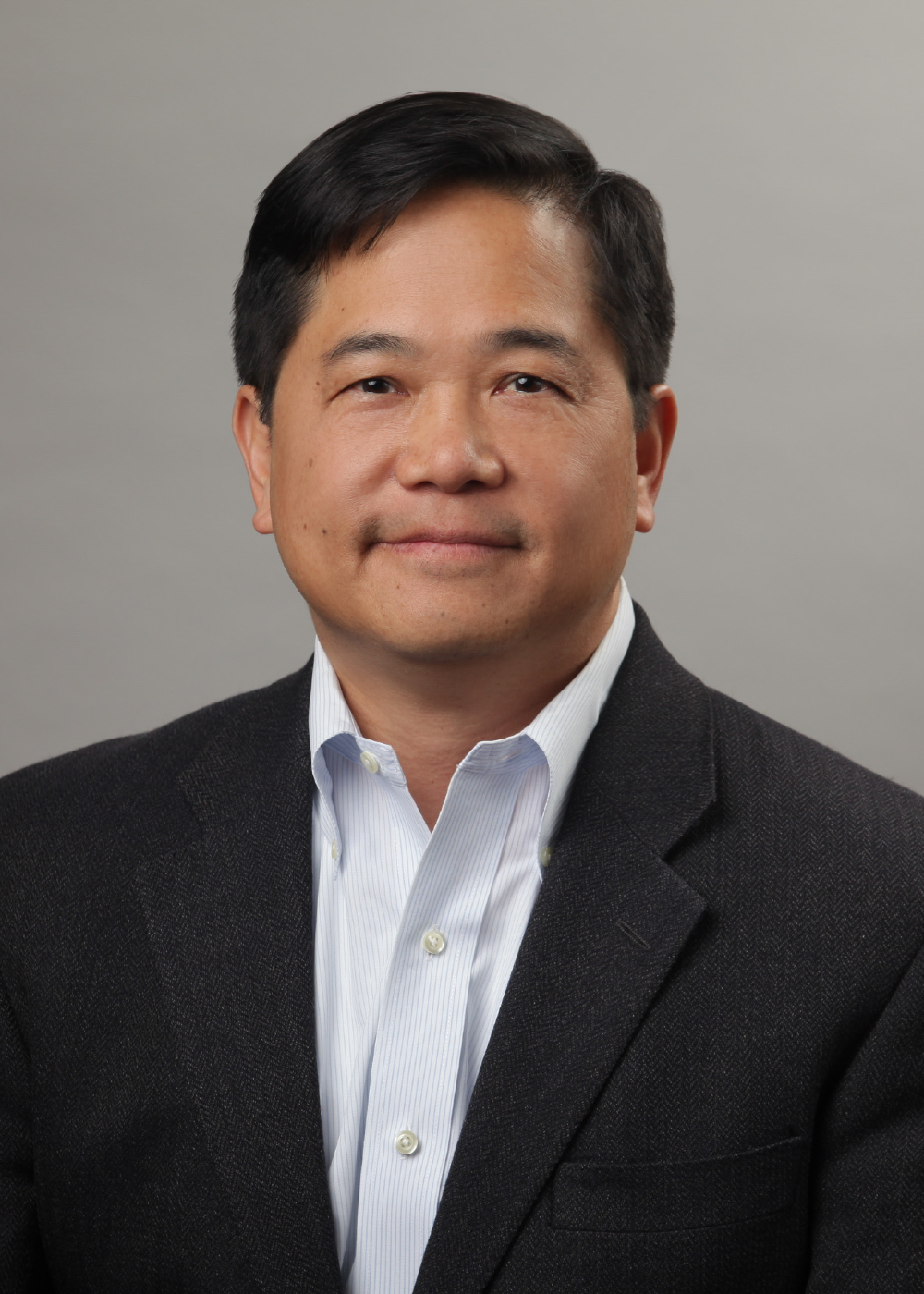
Message from the Chair

On behalf of our faculty, advanced practice providers, residents, fellows, and staff, welcome to the Emory University School of Medicine Department of Emergency Medicine.
Emergency Medicine holds a unique and essential place in healthcare. We are often the first point of contact for patients and families during moments of greatest uncertainty and vulnerability. We are also a vital gateway to the broader healthcare system, a training ground for future healthcare leaders, and a place where urgent clinical challenges inspire important discoveries.
Our Department is built on an extraordinary foundation of people, programs, and partnerships. Across four major Atlanta-area emergency departments—including Grady Memorial Hospital, Emory University Hospital, Emory University Hospital Midtown, and Emory Johns Creek Hospital, and the Atlanta VA Medical Center—our teams contribute to the care of more than 400,000 patients annually. These diverse clinical environments offer exceptional opportunities to serve our communities, train future leaders, and advance the science and practice of emergency medicine.
We are proud of our nationally recognized expertise in Critical Care, Medical Toxicology, Prehospital and Disaster Medicine, Global Health, Emergency Point of Care Ultrasound, Social Emergency Medicine and Advocacy, Observation Medicine, Emergency Medicine Virtual Care and Telehealth, and Emergency Medicine Operations. These divisions and sections, together with our broader clinical programs, reflect the remarkable range of emergency medicine and our commitment to advancing care well beyond the walls of the emergency department.
Our academic mission is equally important. Building on more than 50 years of residency training, we offer exceptional educational experiences for medical students, residents, fellows, advanced practice providers, and practicing clinicians. Our commitment extends beyond teaching clinical skills to developing thoughtful, compassionate, innovative leaders who will shape the future of healthcare.
Discovery and innovation are integral to who we are. Through our Innovation and Discovery in the Emergent and Acute Sciences (IDEAS) programs, we have built a robust research enterprise that spans the full spectrum of discovery—from basic science and translational research to large-scale clinical trials and innovative models of care. Our clinical research enterprise is particularly impressive, with 27 active clinical trials and participation in major national research networks, including Strategies to Innovate Emergency Care Clinical Trials Network (SIREN), StrokeNet, and The Crash Injury Research and Engineering Network (CIREN). These efforts position Emory Emergency Medicine at the forefront of testing promising therapies and interventions for some of the most urgent and consequential conditions in medicine.
Equally remarkable is our basic and translational science program, particularly in emergency neurosciences. Our investigators pursue discoveries from cellular and molecular research through sophisticated large-animal models, including porcine models, and ultimately into human clinical studies. This bench-to-bedside approach is advancing our understanding and treatment of traumatic brain injury, spinal cord injury, and pain, creating opportunities to translate fundamental scientific discoveries into therapies that improve lives.
Complementing these strengths are our injury prevention, AI and informatics, and Health DesignED initiatives, where we are exploring how artificial intelligence, digital health, virtual care, and novel approaches to healthcare delivery can improve access, efficiency, and patient outcomes. Across all these efforts, our goal is not innovation for its own sake, but discovery that saves lives, improves health, and transforms emergency care.
As we look toward the future, we have embraced a new and intentionally simple vision:
Emory Emergency Medicine will be the destination of choice for emergency care, training, and discovery.
What makes this vision meaningful is how we define success. We want patients and families to recommend us for their care; students, residents, and fellows to recommend us as a place to train; faculty and staff to recommend us as a place to work, grow, and build a career; and researchers and partners to recommend us as a place to collaborate and innovate. We will listen to these voices, measure our progress, and continuously work to improve.
We recognize that excellence requires more than outstanding programs. It requires a welcoming, safe, and compassionate environment for our patients, meaningful opportunities for our learners, and a culture of belonging, professional development, and well-being for the people who deliver our mission. Emergency care is demanding, and we are committed to improving both the care we provide and the environment in which that care is delivered.
I am tremendously proud of our faculty, staff, learners, and partners, whose dedication and expertise make Emory Emergency Medicine such an exceptional place. Our greatest strength has always been our people—and our future will be shaped by their ideas, collaboration, and commitment to one another and to the communities we serve.
Thank you for your interest in Emory Emergency Medicine. Whether you are a patient, prospective learner, future colleague, researcher, or community partner, I invite you to explore our programs, meet our people, and join us in shaping the future of emergency care.
David W. Wright, MD
Professor and Chair
Department of Emergency Medicine
Emory University School of Medicine