
The School of Medicine faculty includes a select group of high-impact basic scientists who achieved the rank of full professor with tenure years ago and continue to contribute at truly exemplary levels. These scholars embody the continuing fulfillment of our highest academic aspirations and are at the core of our drive from “excellence” to “eminence.” The “Dean’s Eminent Investigator” honorary titles were created to honor faculty based in the School of Medicine. These honorary titles are limited to up to 2% of SOM faculty and are available for conferral upon eminent senior basic scientists who have been full professors with tenure at Emory for at least five years and continue to contribute internationally at extraordinary levels. The criteria for selection include a high level of sustained extramural support expected to continue into the future, as well as a stellar record of high-impact publications and international recognition as a thought leader in their field. Basic scientists who hold endowed appointments are not eligible to receive or retain these titles.
These titles will be granted for an initial 5-year term, subject to review and renewal every five years based upon continued exemplary performance at an international level.
Each department chair may nominate one faculty member per year. Letters of nomination should be limited to three pages and accompanied by the candidate’s updated CV in the School of Medicine format.
Recipients
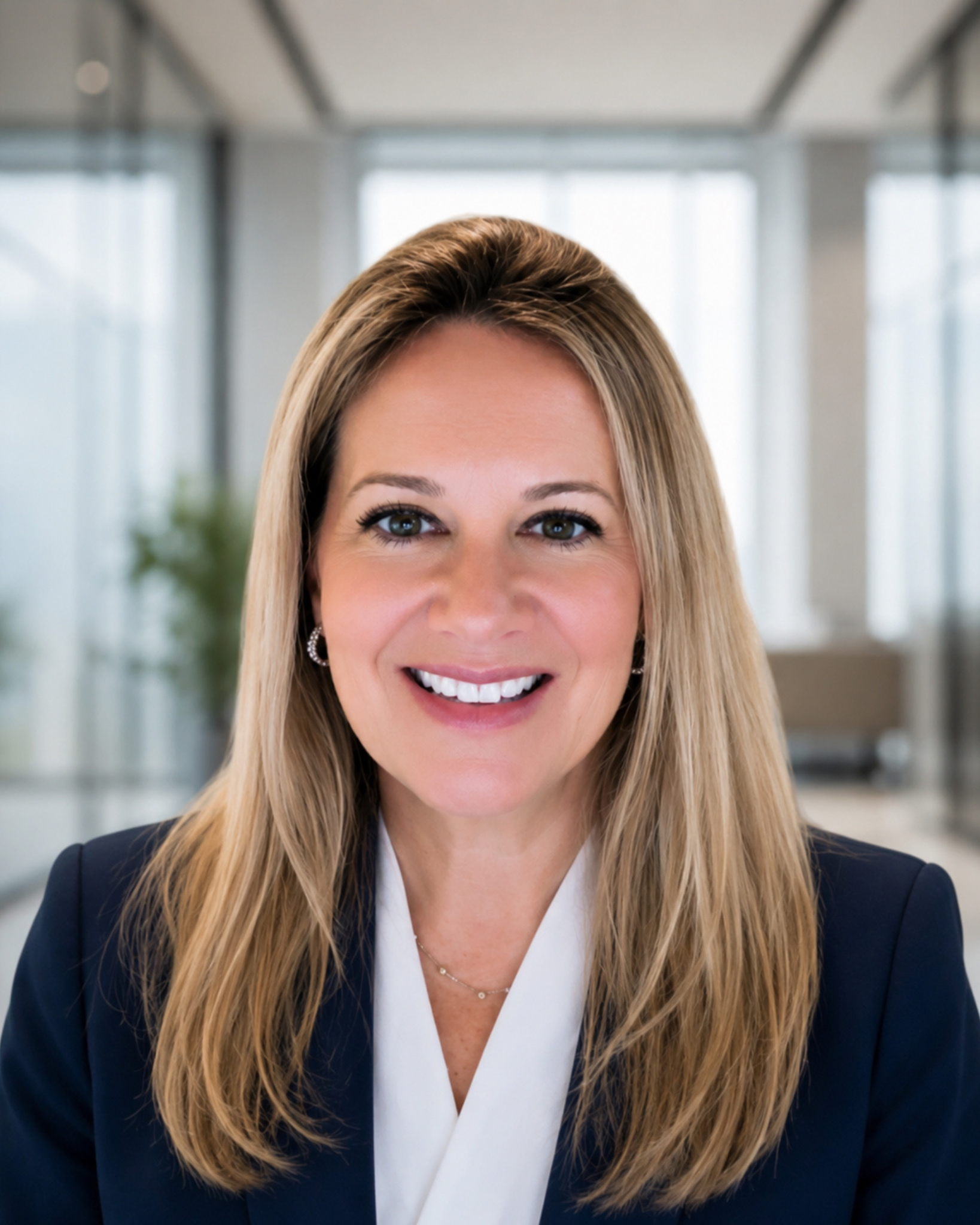
Mandy Ford, PhD
Tell me about your research and why it’s important to you.
Our research program focuses on understanding the T cell costimulatory and coinhibitory pathways that fine-tune the execution of an adaptive immune response. I have been particularly fascinated by how these molecular pathways integrate with signals delivered through the T cell receptor to determine whether a T cell becomes activated, differentiates into an effector or memory cell, becomes functionally restrained, or ultimately fails to respond. Over the years, our work has sought to define the fundamental rules governing these pathways and to understand how they shape T cell responses in transplantation and other settings of immune dysregulation, such as sepsis. Equally important, I have always been interested in translating these basic biological insights into new therapeutic approaches to control immunity. This has led us to explore strategies for selectively targeting costimulatory and coinhibitory pathways to suppress harmful immune responses while preserving protective immunity. Ultimately, my research has been driven by the idea that if we can understand the molecular signals that govern T cell behavior with sufficient precision, we can learn to manipulate those signals to achieve better patient outcomes.
Can you describe your most impactful discovery?
What has inspired me throughout my career is the belief that understanding the fundamental mechanisms that control T cell function can ultimately translate into new therapeutic approaches that improve patients' lives. That connection between basic discovery and clinical impact has long motivated my research program. But something more fundamental has fascinated me about this field for decades. As a T cell biologist, I remain perpetually impressed by the exquisite precision and elegance with which T cells recognize antigen and orchestrate an adaptive immune response. A single T cell can discriminate among an enormous universe of potential antigens, integrate information about antigen affinity, costimulation, inflammation and tissue context, and translate those signals into markedly different functional outcomes. The progression from activation and clonal expansion to effector differentiation, contraction and long-lived immunologic memory is an extraordinarily sophisticated biological process. After decades of studying these cells, I still find myself surprised by their complexity and by how much we have yet to understand. For me, that combination of biological elegance, unanswered questions and the possibility that what we discover at the bench may ultimately change how we treat patients keeps this work exciting and inspiring.
You are known as a dedicated mentor—what is your advice for early-career investigators?
My advice to early-career investigators is to approach science with a team-sport mentality. The most important discoveries increasingly occur at the intersection of disciplines and through partnerships among people who bring different perspectives, expertise and tools to a problem. For basic scientists, meaningful relationships with clinicians are particularly valuable because those partnerships keep us connected to the unmet needs and real-world challenges facing medicine and help ensure our research addresses questions that matter to patients. At the same time, seek out relationships with other scientists and investigators who can bring new technologies, experimental approaches and ways of thinking to your research program. Building these partnerships requires being intentional about stepping outside your own laboratory: attending scientific meetings, visiting other institutions, sharing ideas and developing genuine relationships with colleagues. Science advances faster when we work together, and creating a broad network of collaborators can dramatically accelerate both the pace and the impact of discovery.
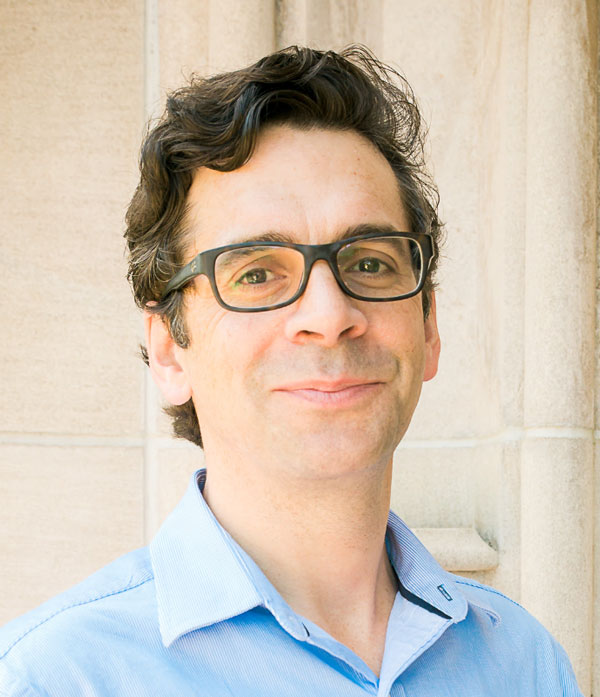
Gari Clifford, DPhil
Professor and chair, Department of Biomedical Informatics
Tell me about your research and why it’s important to you.
Good health is fundamental. It improves happiness, sociability, tolerance, intelligence, and affluence. While we continue to discover new ways to improve it, costs keep rising, and the wealthiest benefit most. My aim is to improve health in under-resourced communities. Doing this at scale requires a combination of technologies and approaches: great clinical partners, committed field teams, experts in co-design and community building, and engineers skilled in areas like tiny ML and edge AI, which provide intelligent decision support in remote places with few skilled health care professionals.
Our greatest impact is where resources and infrastructure are most scarce. Scaling requires deciding which elements can be automated, which need a human in the loop, and which require expert input when data is unfamiliar to AI or humans. No one can master all these skills, so integrating them takes a talented, collaborative team. I’m constantly learning from colleagues and am surrounded by talented people with a shared ideal to transform health care, particularly for those most in need.
Why is basic research important?
Basic research builds the foundation for the future, takes risks on new ideas, and fosters communities that collaborate—and sometimes compete—to create new fields. It fuels intellectual growth, pushes boundaries, and prepares the next generation of thinkers who will transform society. Beyond research projects, we’re creating a talent pipeline, mentoring young minds, and shaping careers.
Its value is not always immediate; many projects take decades to yield products or solutions. With a long-term view, we can tackle critical problems that lack obvious commercial models but have vital societal importance. Industry often builds on our successes and failures to develop products that investors might otherwise never fund. Basic research is an investment in our future, an exploration of new frontiers, and a chance to be truly creative.
What challenges do you foresee in your field?
We must address bias while maintaining algorithmic performance, possibly through localized models—yet these pose regulatory challenges. Determining when to use AI, humans, or both is contextual and tied to resource allocation. With limited trained staff, tests, equipment, and electricity, we need better ways to quantify the trade-offs—an area with surprisingly little research.
We also need to redesign optimization metrics to reflect real goals, like improved well-being per dollar, despite political and measurement challenges. Finally, we must quantify and justify health care’s environmental impact, including that of AI, and incorporate this into cost metrics.
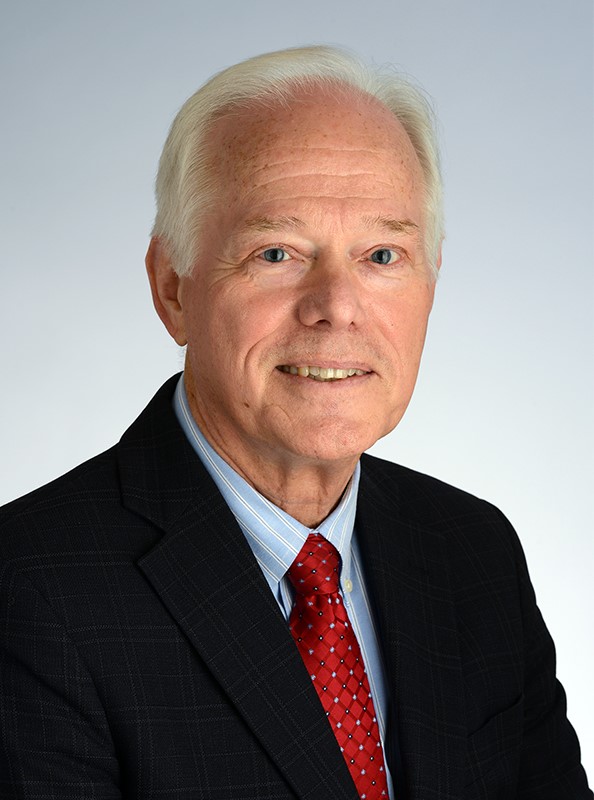
Dean Jones, PhD
Professor, Department of Medicine; Director of the Clinical Biomarkers Laboratory
You have had a long career that has allowed you to contribute at truly exemplary levels. What inspires you to do this work?
I find great pleasure in understanding the molecular logic of life. Every step, small or large, advances knowledge.
This award selects a faculty member who embodies the continuing fulfillment of our highest academic aspirations and helps drive the School of Medicine from excellence to eminence. What does this award mean to you?
I have often likened academic research to traveling into unknown territory without a map. There is, of course, satisfaction in finding one’s way home. An award like this is far greater, emphasizing the feeling of being welcomed home.
Can you describe your most impactful discovery?
I read the Journals of Lewis and Clark on my road trip west to start graduate studies, and then I read Charles Darwin’s Origin of Species when I was writing my PhD dissertation. Both of these stories of discovery led me to recognize “discovery” not as a single finding, but rather as a body of work. My most impactful individual papers were in apoptosis and in methods to measure glutathione. My most impactful discovery to date was a series of papers re-defining oxidative stress and redox biology. I am optimistic that these will be eclipsed by my current research to sequence the human exposome.
William M. Shafer, PhD
Professor, Department of Microbiology and Immunology; Co-Director Emory Antibiotic Resistance Center; Senior Research Career Scientist Atlanta VA
Dr. Shafer is internationally recognized for his work on mechanisms of bacterial resistance to antimicrobials, including clinically-used antibiotics and host defense compounds. Infectious bacteria have evolved and have been selected to be resistant to a host of antibiotics. Multiple strains of bacteria are now resistant to the most common and previously effective antibiotics. Recognizing this critical medical need, Dr. Shafer has devoted his entire career to understanding the basic and fundamental mechanisms that lead to antibiotic resistance.
Victor G. Corces, PhD
With a background in biochemistry, molecular biology and genetics, Dr. Corces has been a pioneer in epigenetics, genomics and computational biology. His current research centers on the transgenerational transmission of obesity resulting from exposure to chemicals in the environment, with an emphasis on the role of the three-dimensional organization of the chromatin fiber in this process. Human Genetics Chair Peng Jin noted that his discoveries “have provided fundamental insights into chromatin architecture and led to major advances in our understanding of how chromatin can be packaged, regulated and inherited.”
What inspires you to do this work?
“I'm just a nerdy scientist who wakes up every morning thinking about how the nucleus of a cell works. I think about it in the shower instead of singing operas, and I go to bed thinking about it. I never remember my dreams in the morning, so I don't know if I dream about the nucleus or not. I've always been like this, obsessive about understanding how things work. When I was little, Christmas was the best time of the year for me, not because I got presents, but because I got to take apart all the ones from my brothers and sisters to try to figure out how they worked. Putting them together again so that they would still work was a different issue. The most exciting part of my work is being in the lab and finding out new results when they first come out, which is why I don't use my office and I use a desk in the lab instead.”
Do you have any advice for graduating scientists?
“Sometimes you don't know if you want to be a scientist or not until you are in the lab and feel the excitement of discovering something new. Students were not able to be in the lab for over one year now, so many may have missed the opportunity of experiencing this. Once they graduate, it may be difficult to have an opportunity to experience research in a lab. My advice would be not to give up and to try to find opportunities after graduation.”
Stephen F. Traynelis, PhD
Dr. Traynelis has made numerous seminal discoveries about the fundamental properties of glutamate receptors. Recently, he has developed multiple first-in-class series of subtype-selective NMDA receptor ligands that possess therapeutic potential for the treatment of ischemic brain injury, schizophrenia, Parkinson’s Disease, epilepsy and other disorders. Dr. Traynelis’s work to understand the functional consequences of genetic variation in glutamate receptor genes in healthy individuals and neurological patients have provided new insights into receptor function and genetic risk. These efforts led to the founding of a new Center at Emory that bridges the gap between genetic information on receptor variants and their functional and pharmacological consequences, laying the groundwork for precision medicine and the evaluation of novel treatment paradigms.