Department of Pharmacology and Chemical Biology

News Highlights

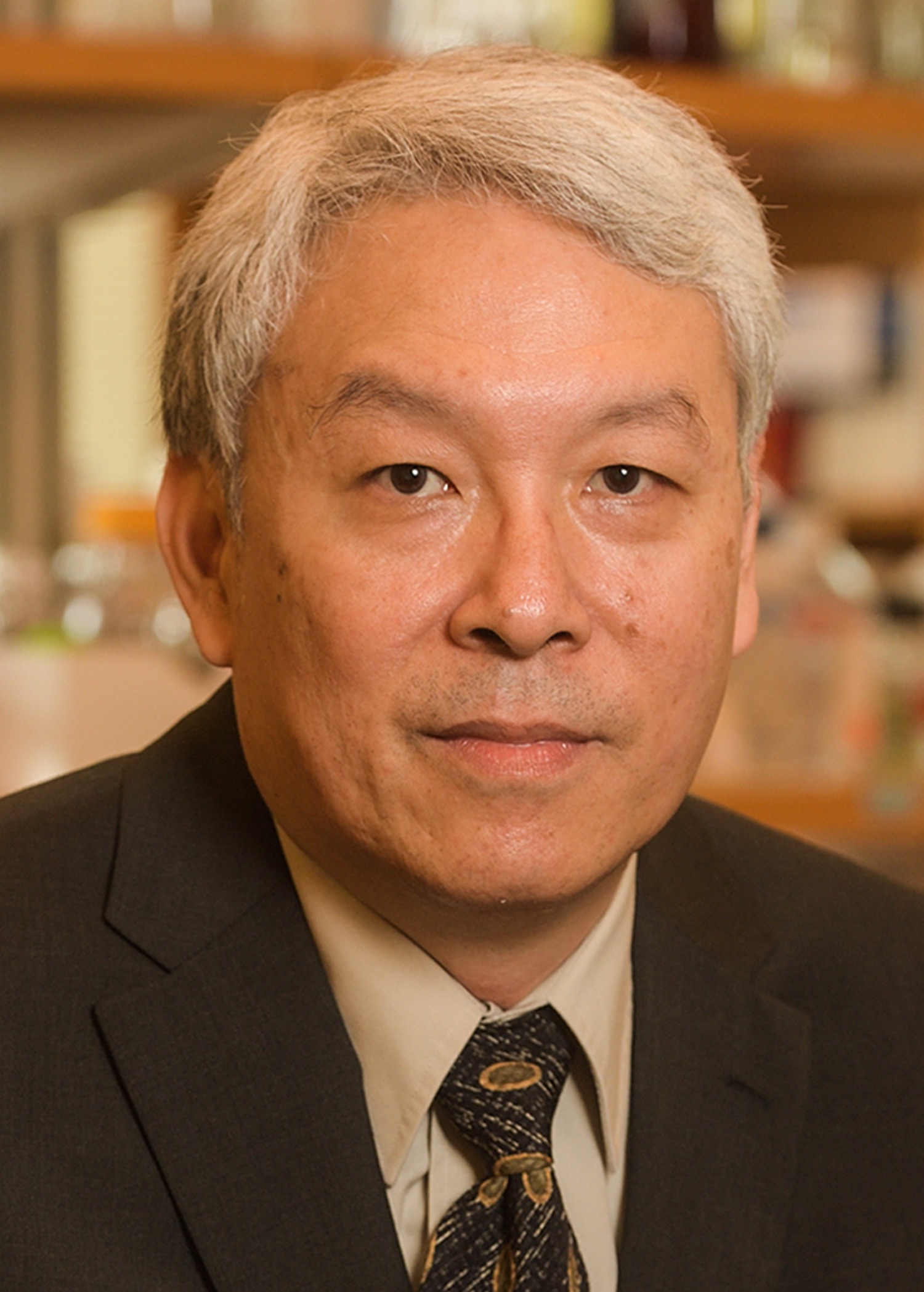
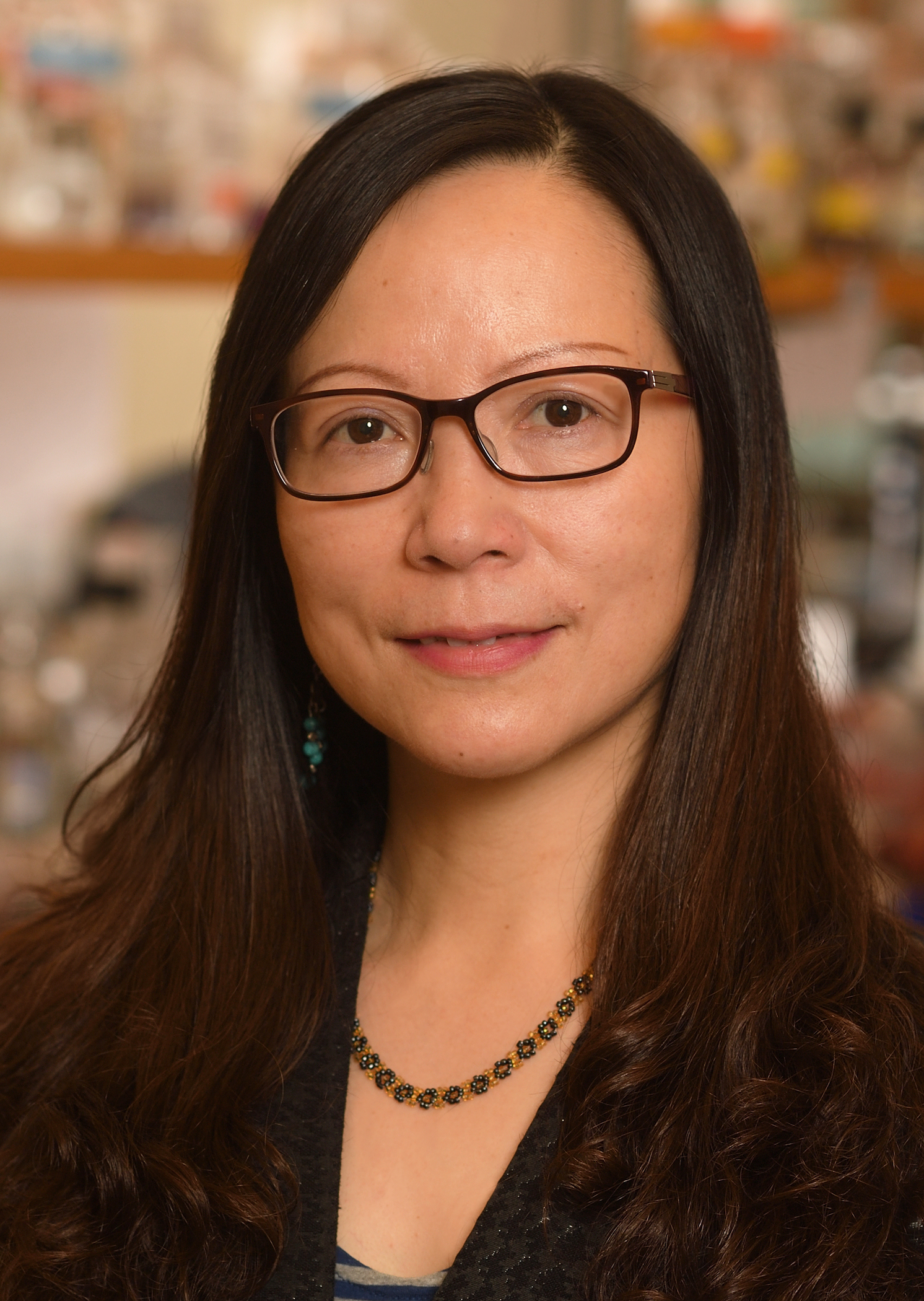
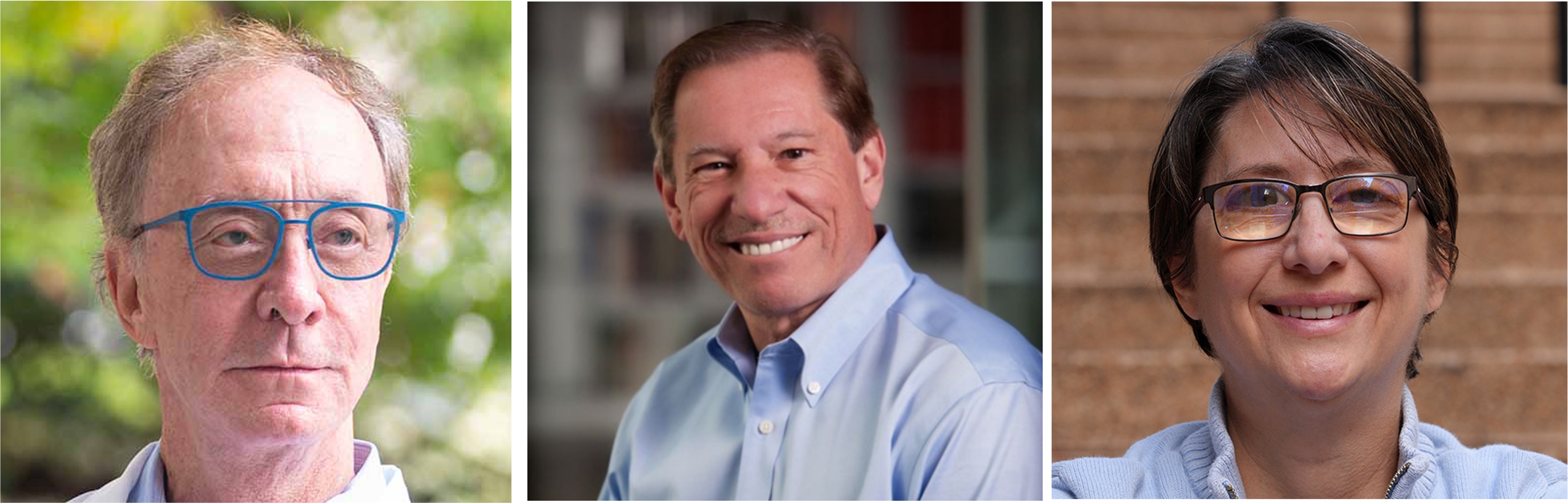
Dr. Lian Li
Dr. Lian Li

Dr. Lian Li Received a New NIH R01 Award

Congratulations to Dr. Lian Li on her new NIH R01 award titled, “Novel biomarkers and mechanisms of Alzheimer's disease.”


Mao Zhu PhD
Dr. Zixu Mao

Dr. Zixu Mao Received a New NIH R01 Award

Congratulations to Dr. Zixu Mao on his new NIH R01 award! This new project titled, "The Role of PML in Oxidative Stress and Alzheimer's Disease," investigates the molecular machinery in miRNA biogenesis and Alzheimer’s disease.


Dr. Mo
Dr. Xulei Mo

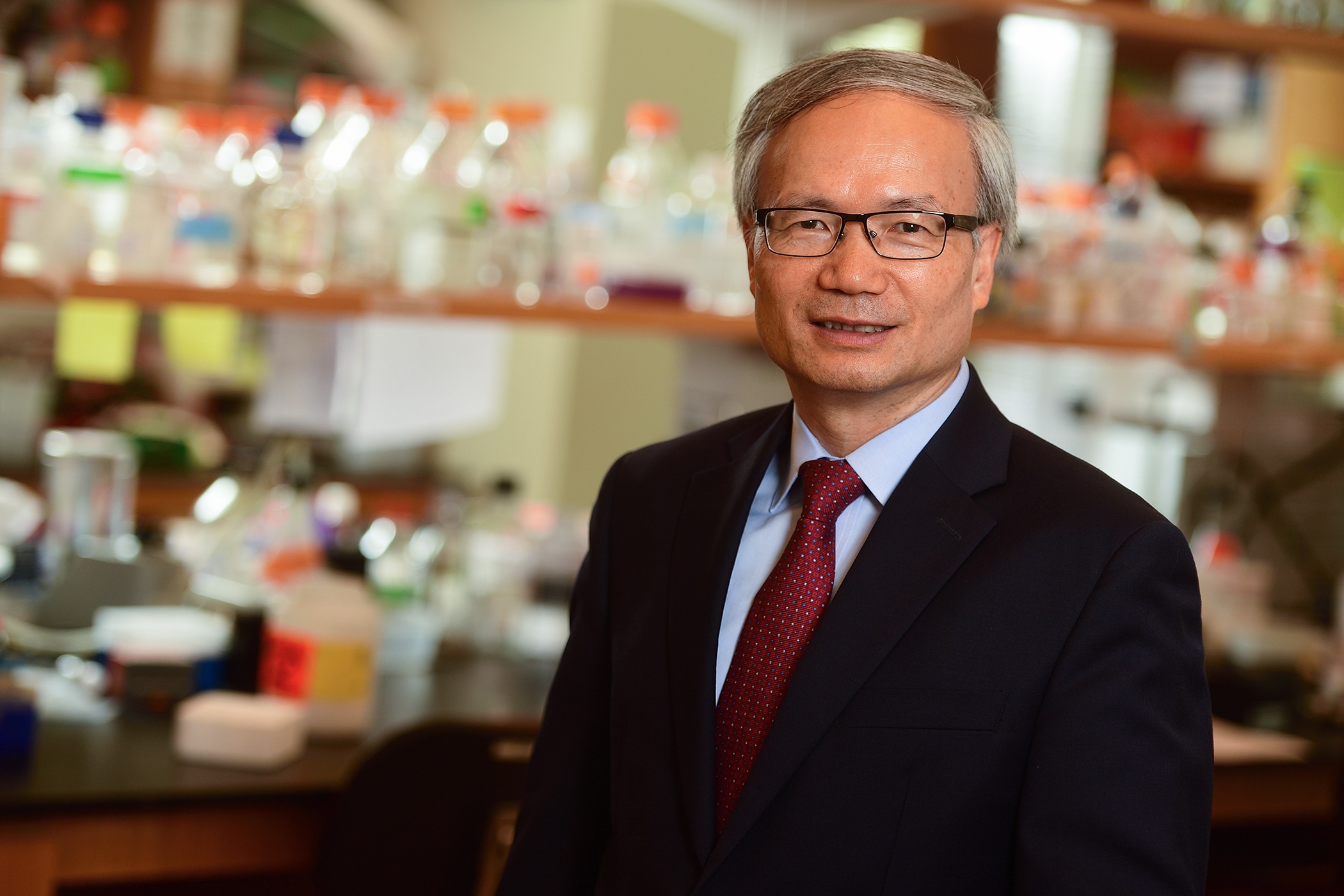
Dr. Xiulei Mo Received a New NIH R21 Award

Congratulations to Dr. Xiulei Mo on his new NIH R21 Award titled, "Targeting Undruggable SMAD4 HyperPPI with Myhre iPSC Biosensors and Organoids." This project will use Myhre syndrome iPSC models to probe hyperactive SMAD4 protein-protein interactions and pursue an otherwise difficult-to-drug target. The work could open a translational path toward mechanism-based treatment strategies for Myhre syndrome.


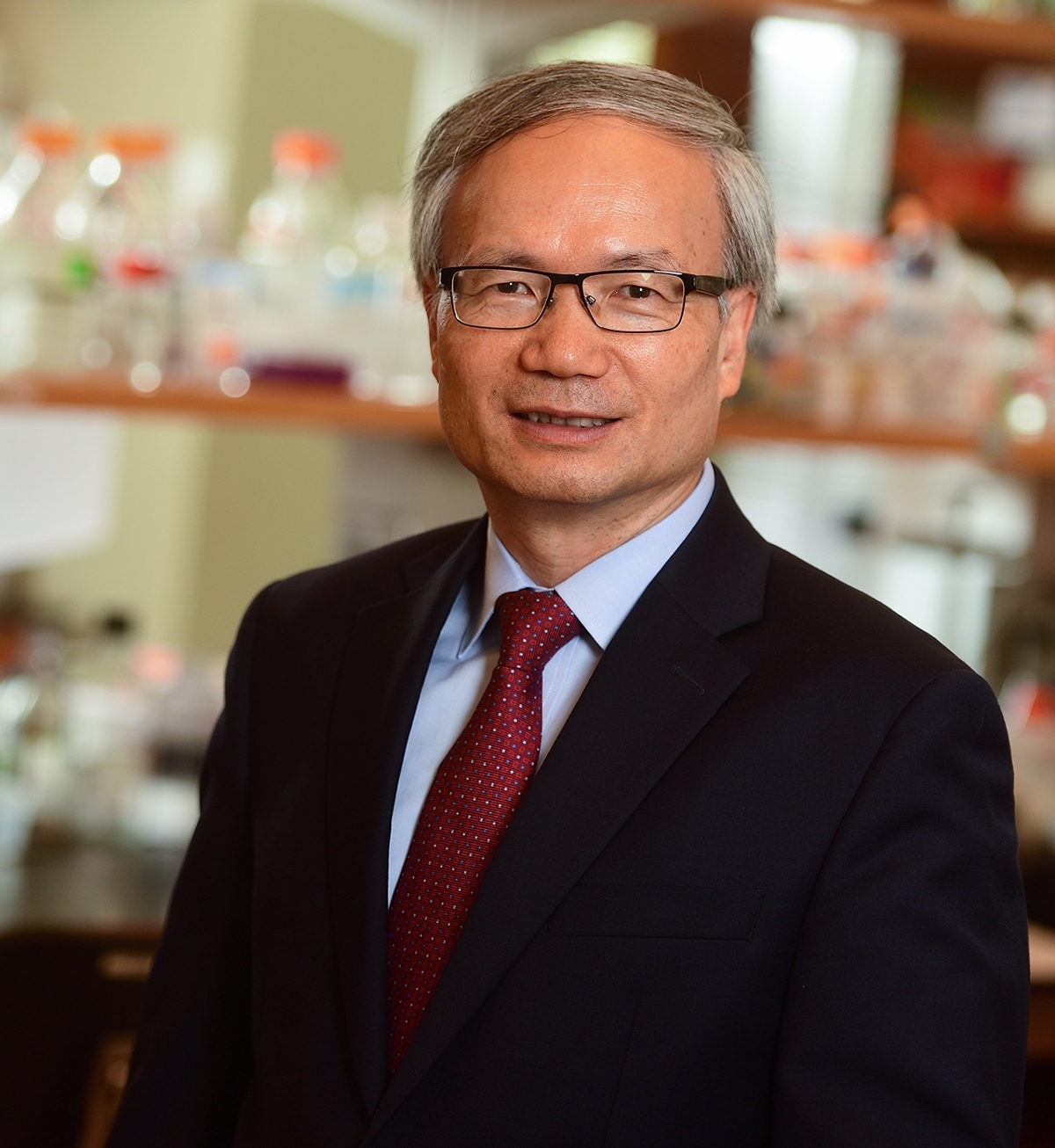
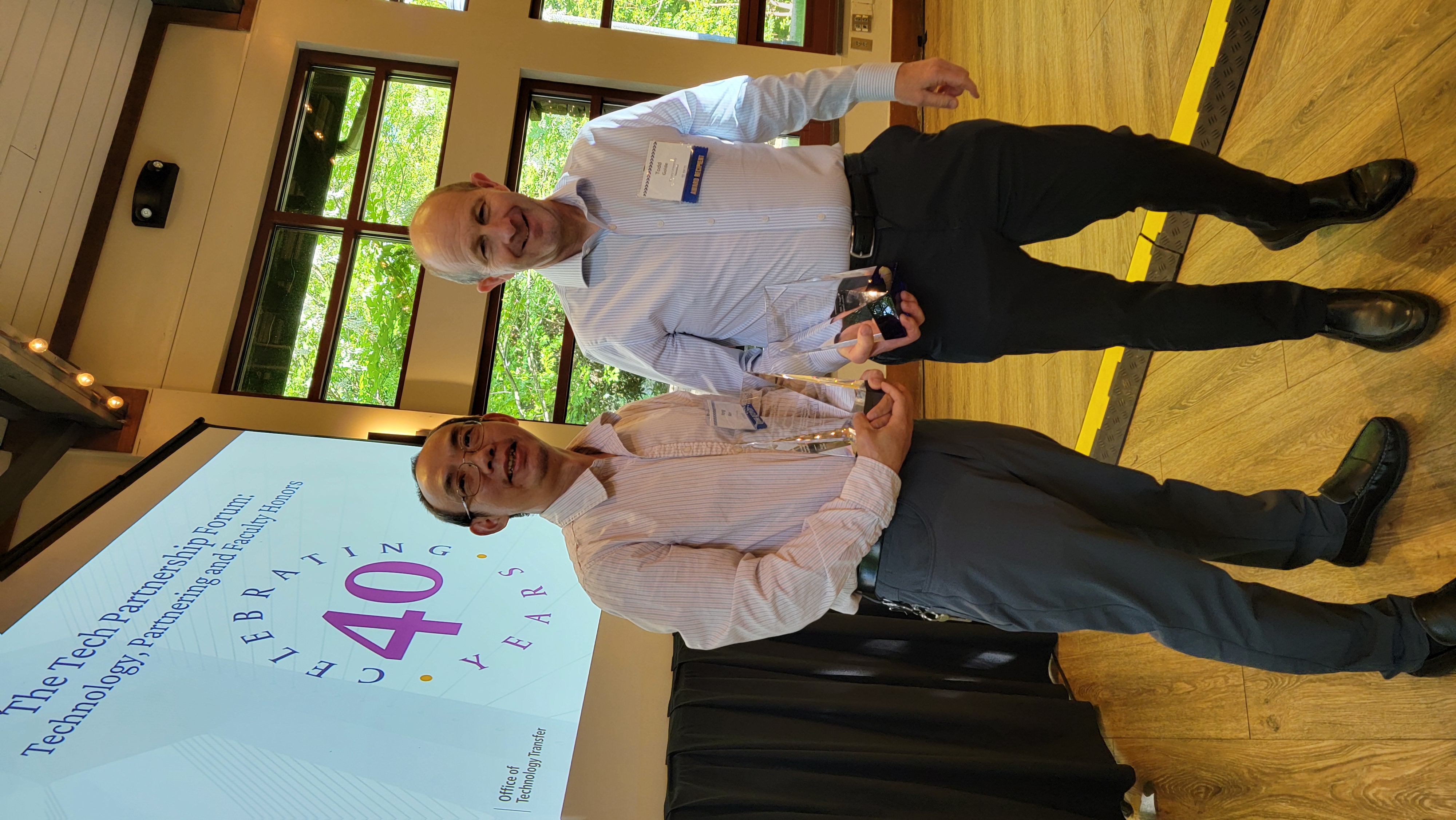
Dr. Yong Wan
Dr. Yong Wan

Wan Lab Publications and Grant Award


Dr. Renee Read
Dr. Renee Read

Read Lab Publications and Grant Award


Qi Zhang, PhD
Dr. Qi Zhang

Dr. Qi Zhang Awarded BrightFocus Foundation Grant for Alzheimer’s Disease Research

Dr. Qi Zhang has been awarded a research grant from the BrightFocus Foundation for a project on Alzheimer’s disease, in collaboration with co-investigator Dr. Lian Li. The study aims to enable earlier detection of Alzheimer’s disease using glycosylation-based biomarkers and to open new opportunities for personalized diagnosis and treatment.


A Ivanov
Dr. Andrey Ivanov

Ivanov Lab Received DoD CDMRP Award

The Ivanov lab received a DoD CDMRP award for the project, “Repurposing Approved Drugs as First-in-Class Disruptors of the p38/MK2 Complex to Suppress Neuroinflammation in ALS”. Collaborators include: Jie Jiang, PhD, Cell Biology; Jimena Andersen, PhD, Human Genetics; Eric Miller, PhD, Pharmacology and Chemical Biology; and Tyler Beyett, PhD, Pharmacology and Chemical Biology.


Thomas Kukar, PhD
Dr. Thomas Kukar

Kukar Lab Receives New R01 Grant Award​

Congratulations to Dr. Tom Kukar and Team for receiving new NIH R01 grant:​

"Determining the therapeutic potential and mechanism ofGranulins to treat Batten disease and Frontotemporal Dementia"​


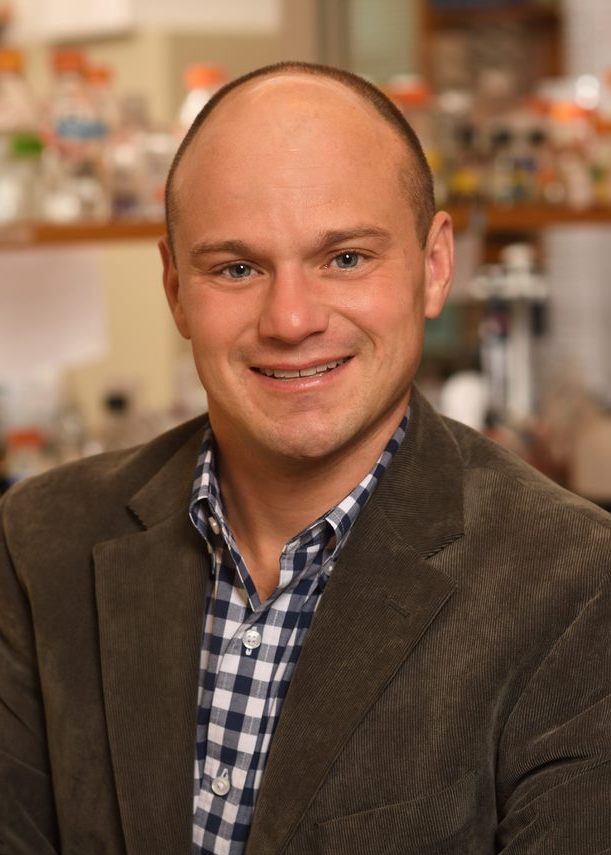
Hongjie Yuan, MD, PhD
Dr. Hongjie Yuan

Dr. Hongjie Yuan Receives Research Support from GRIN2B Foundation​

Hongjie Yuan, MD, PhD, Associate Professor in Pharmacology and Chemical Biology, received a grant, “Genetic Rescue of Synaptic and Behavioral Deficits in a GRIN2B Truncating Variant Mouse Model,” for 2026 from the GRIN2B Foundation to fund research to promote scientific understanding of the rare genetic condition known as GRIN2B-Related Neurodevelopmental Disorder. ​

This project tests a novel genetic rescue strategy using a specialized rescue tRNA delivered to the brain via a viral vector to bypass these faulty stop signals and restore normal GRIN2B protein production. By preserving the gene’s natural timing and location of expression, this approach offers a potential path toward gene-based therapies for GRIN2B truncating variants and other rare genetic disorders caused by similar mutations.​


scientific image in blue and yellow

Traynelis/Yuan Lab Team Published Paper in "Brain"

Congratulations to the Traynelis/Yuan lab team on their recent publication in the Brain titled, "Inhibition of GluN2B-containing N-methyl-D-aspartate receptors by radiprodil.”

This study identified key structural determinants of radiprodil binding to GluN1–GluN2B receptors using X-ray crystallography. Radiprodil inhibited over 80% of disease-associated GRIN variants and, in preclinical models, reduced abnormal activity and delayed seizures, highlighting its potential as a targeted therapy for genetically driven neurological disorders.

Figure: Structure of the GluN1‑1b–GluN2B NTD in complex with radiprodil determined by X‑ray crystallography (left). The Fo–Fc omit map for radiprodil is shown contoured at 4.5σ, together with the modeled ligand (yellow sticks). Right: Cerebral glucose metabolism, assessed by dynamic FDG‑PET imaging, is significantly reduced in knock‑in mice carrying the gain‑of‑function GRIN2B-p.S810R variant, which was originally identified in a patient with early‑onset epileptic encephalopathy.


image of article title from Emory Magazine Winship Magazine

Pharmacology and Chemical Biology Faculty Featured in Winship Magazine

Several faculty from Pharmacology and Chemical Biology were featured in the winter 2026 Emory Winship magazine cover story, "From Bench to Bedside." The article explains how researchers at the Winship Cancer Institute are working to move cancer treatments from laboratory discoveries to real patient care, emphasizing the importance of collaboration across disciplines and continued support for early-stage research to maintain a strong pipeline of new treatments. The goal is to translate scientific discoveries into more effective therapies and improved outcomes for cancer patients.


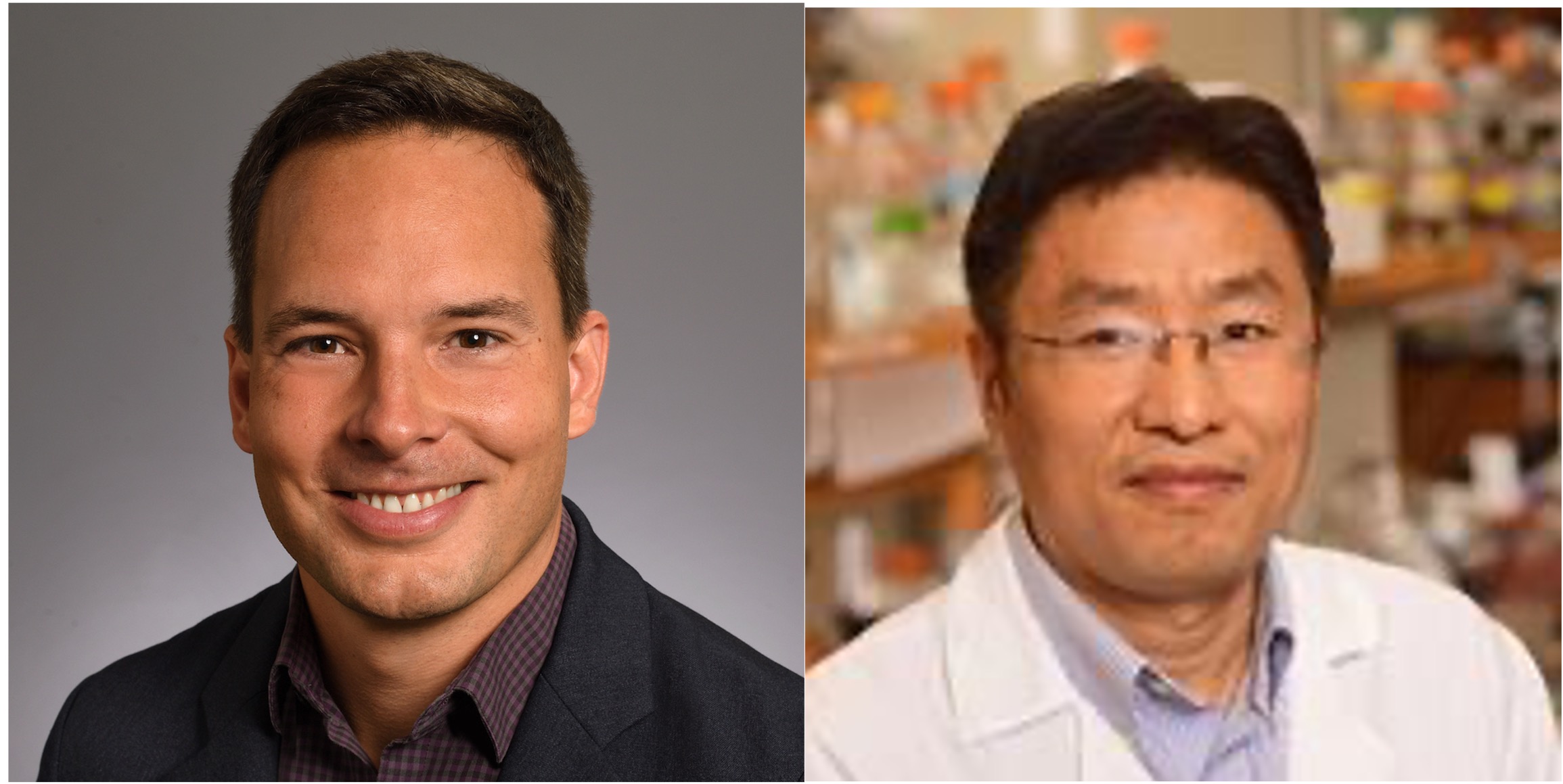
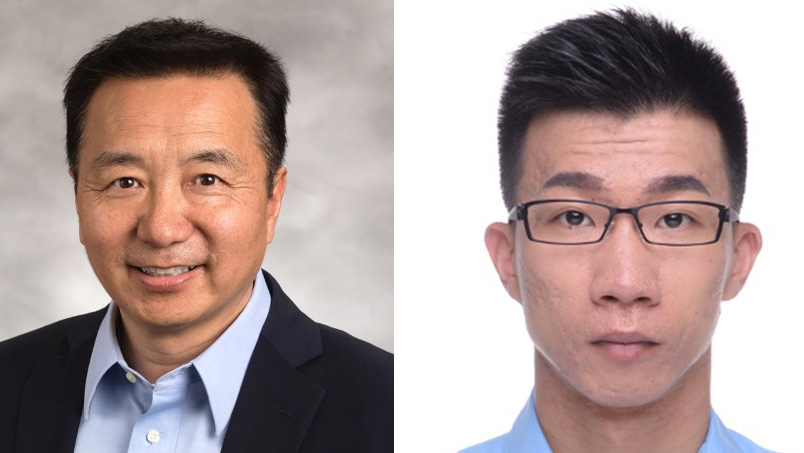
composite of two headshots of men
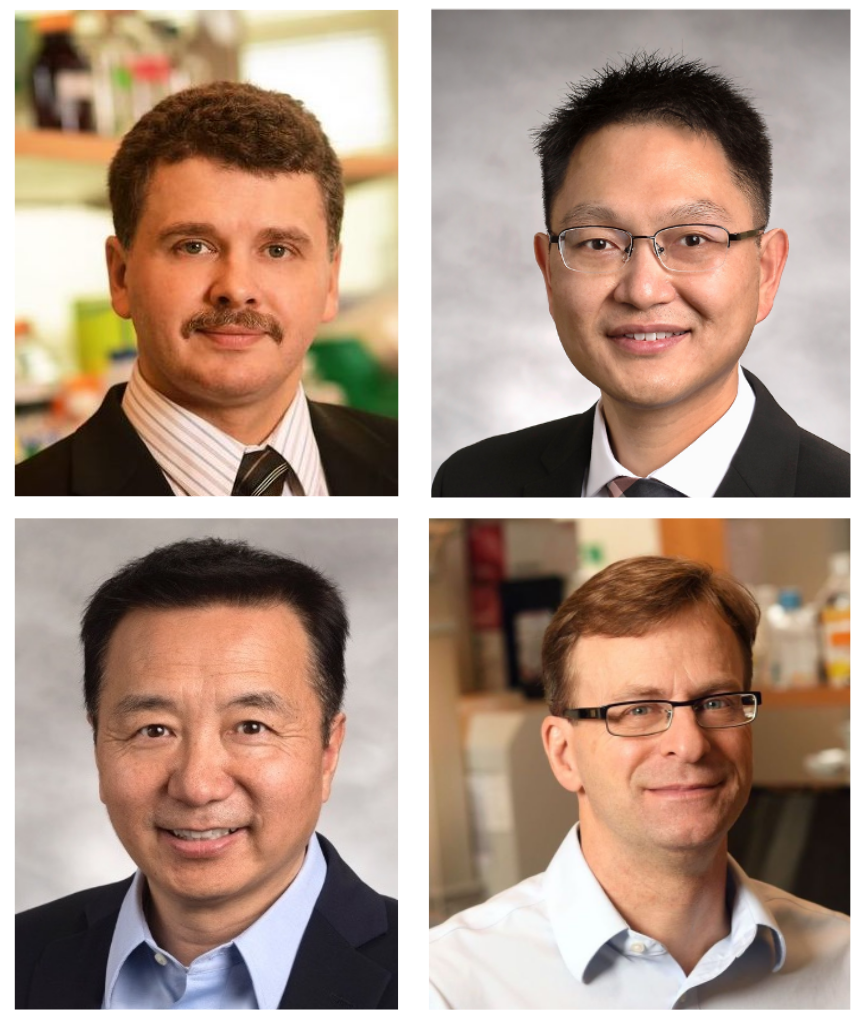
Left to right: Dr. Xiulei Mo and Dr. Andrey Ivanov

Dr. Xiulei Mo and Dr. Andrey Ivanov promoted to Associate Professor

Xiulei Mo, PhD, and Andrey Ivanov, PhD, were promoted to Associate Professor of Pharmacology and Chemical Biology (effective September 1, 2026).

Xiulei: recognized for his vital research into tumor suppressor genes, such as SMAD4. By leveraging systems and chemical biology, he is translating cancer genomics into promising new therapeutic targets.

Andrey: recognized for his innovative integration of computational/AI and experimental approaches to uncover molecular mechanisms of disease and for demonstrated contributions to team science.


scientific graphic

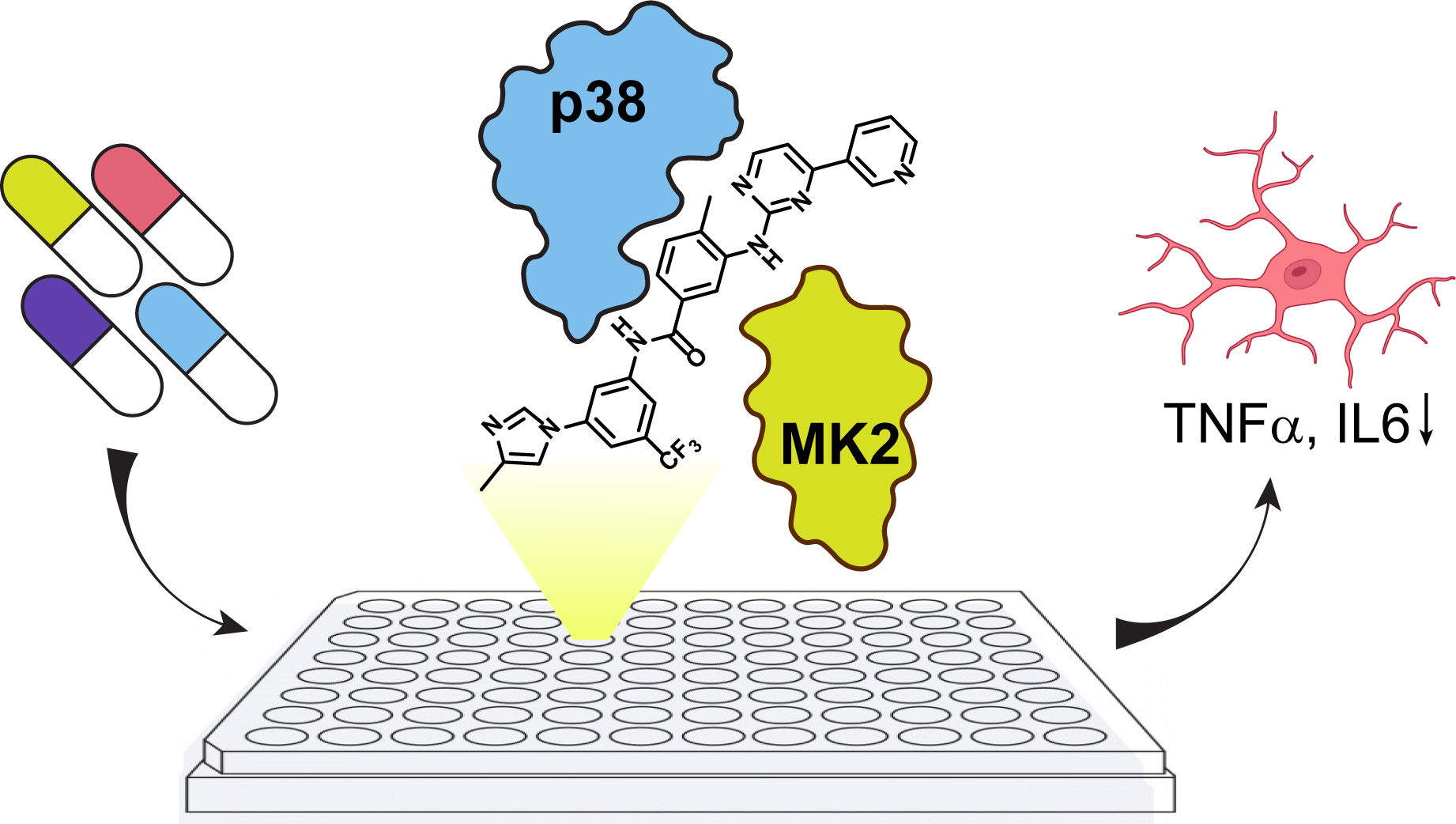
Ivanov Lab Published Paper in JMC

Congratulations to the Ivanov lab group on their recent publication in the Journal of Medicinal Chemistry titled, "Non-Catalytic Inhibitors of the p38/MK2 Interface: Repurposing Approved Drugs to Target Neuroinflammation in Alzheimer's Disease.”

This study reports the discovery of first-in-class small-molecule disruptors of the p38/MK2 protein–protein interaction, highlighting a novel therapeutic strategy for targeting neuroinflammation in Alzheimer’s disease.

First author is Maylynn Hu and other authors include Andrew Li, Payton Fleming, Julia Gralla, Kristos Negrón Terón, Ying Zhou, Eric J. Miller, Tyler S. Beyett, Zhexing Wen, Yuhong Du, Haian Fu, and Andrey Ivanov.


Yuhong Du, PhD
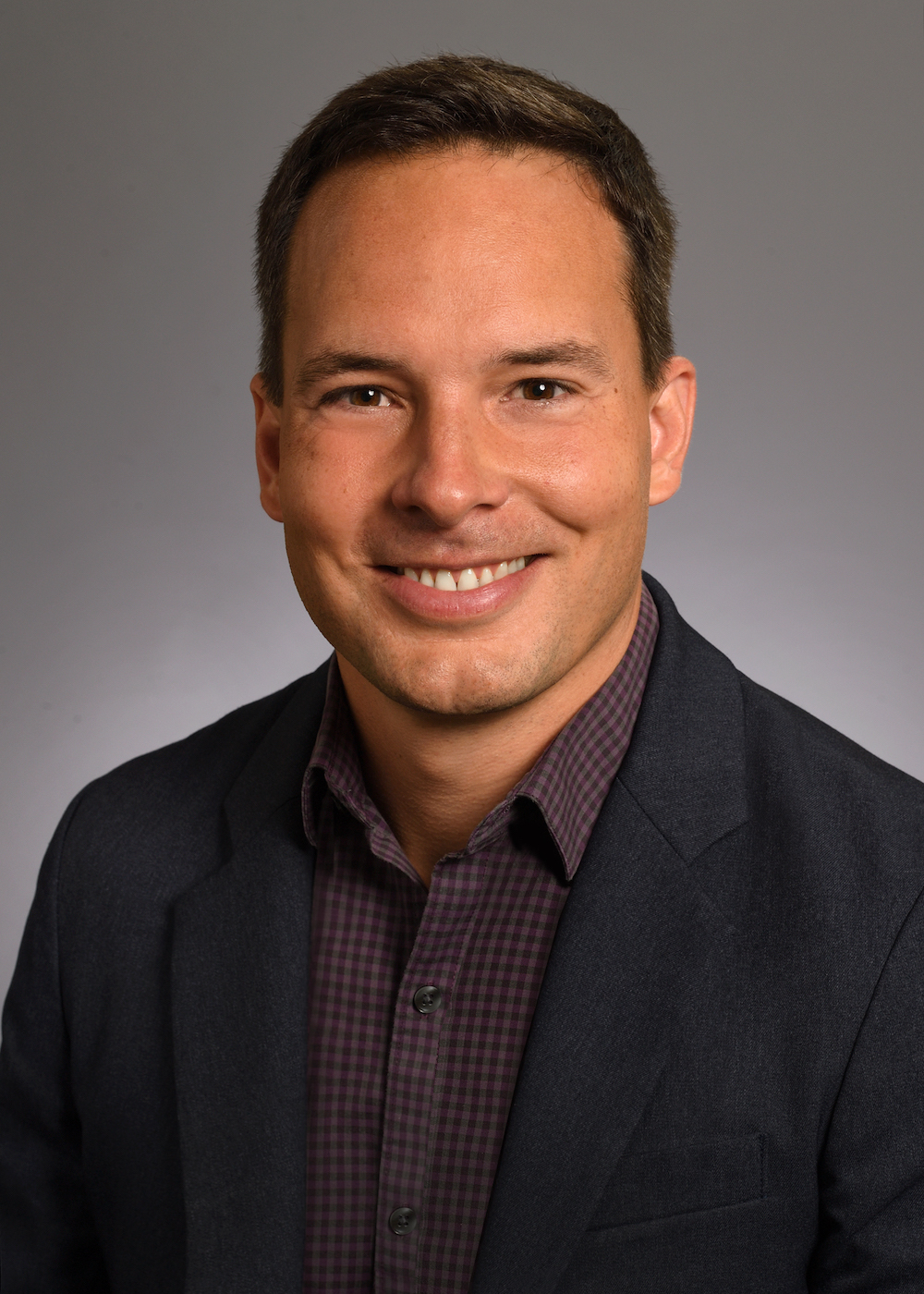
Dr. Yuhong Du

Dr. Yuhong Du Named 2026 SLAS Fellow

Yuhong Du, PhD, Associate Professor of Pharmacology and Chemical Biology, was named a fellow in the Society for Laboratory Automation and Screening (SLAS). The SLAS Fellow Member Program launched in 2016 to recognize the exceptional contributions of SLAS’s most valued contributors. SLAS Fellow Members represent the epitome of SLAS as a mission-driven organization that focuses on serving life sciences professionals via practitioner-driven knowledge, education and peer-to-peer connections.


Department Events/Seminars

Loading Events...