Conferences
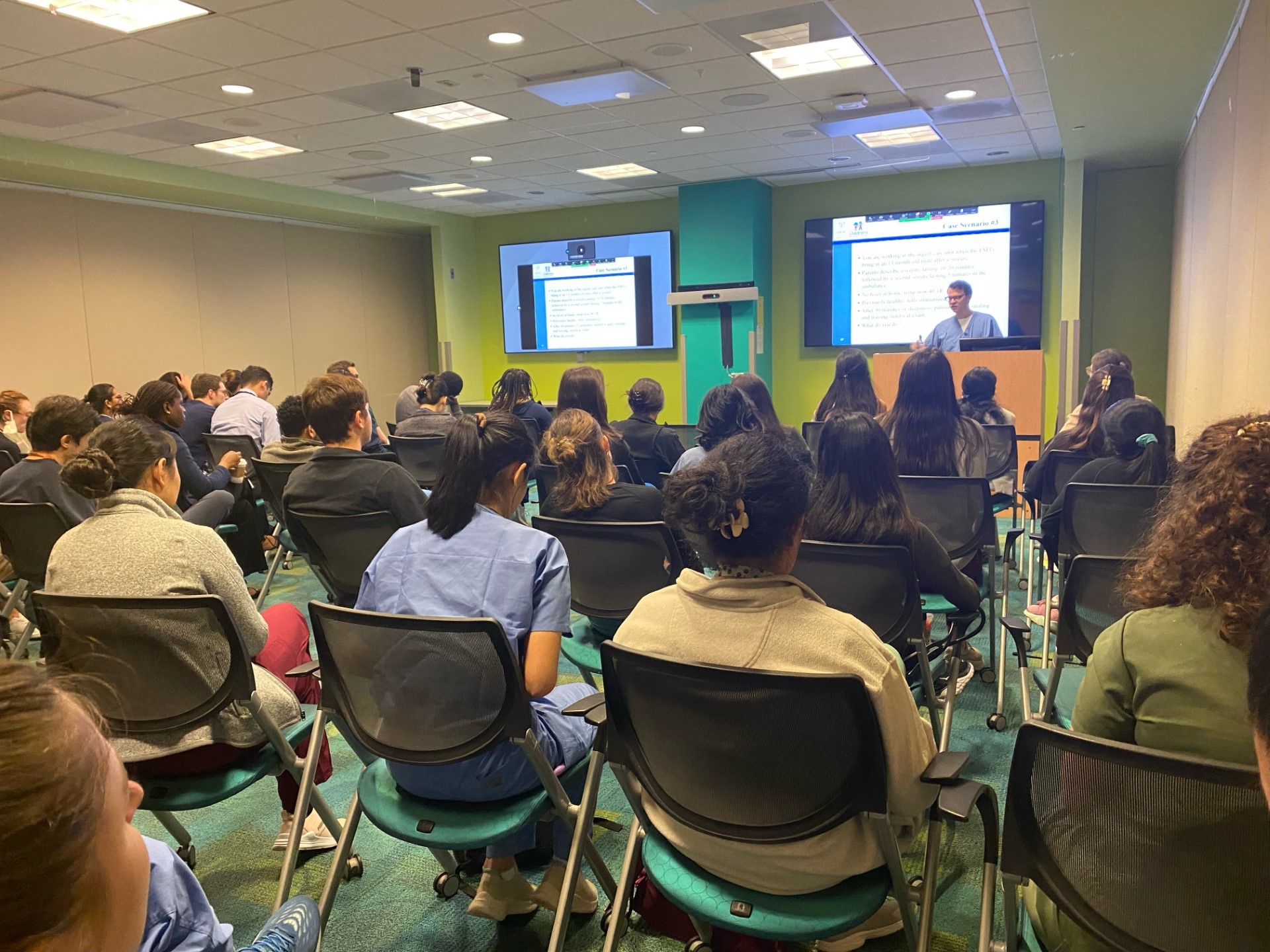
Educational conferences include Acute Care Symposium, Academic Half-Day, Morning Report, Children’s Grand Rounds, Resident Grand Rounds, Practice-Based Learning, Evidence-Based Medicine, Global Health, Residents as Teachers, and additional specialty conferences.
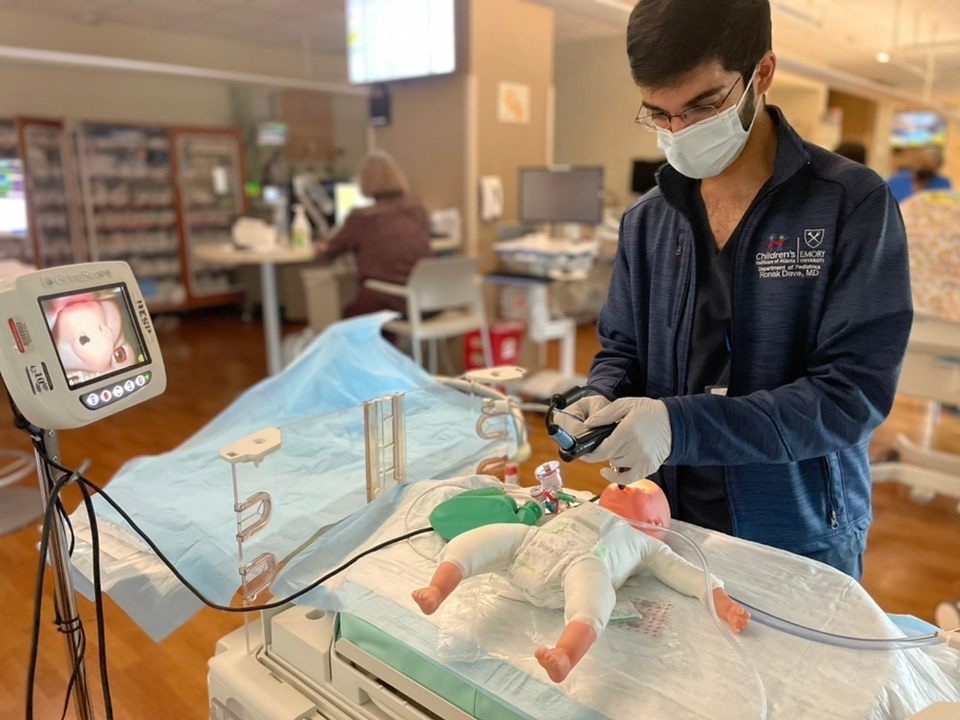
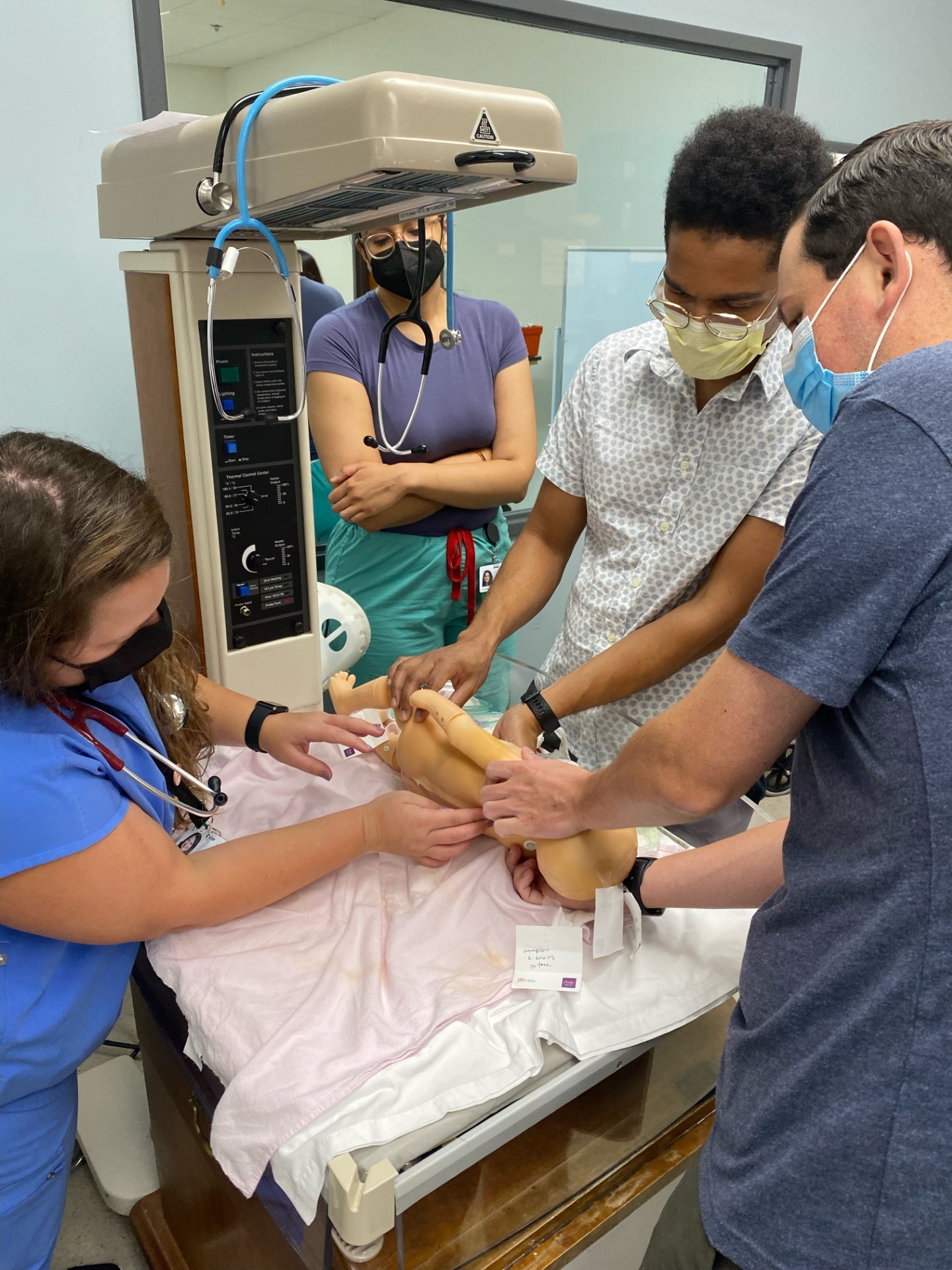
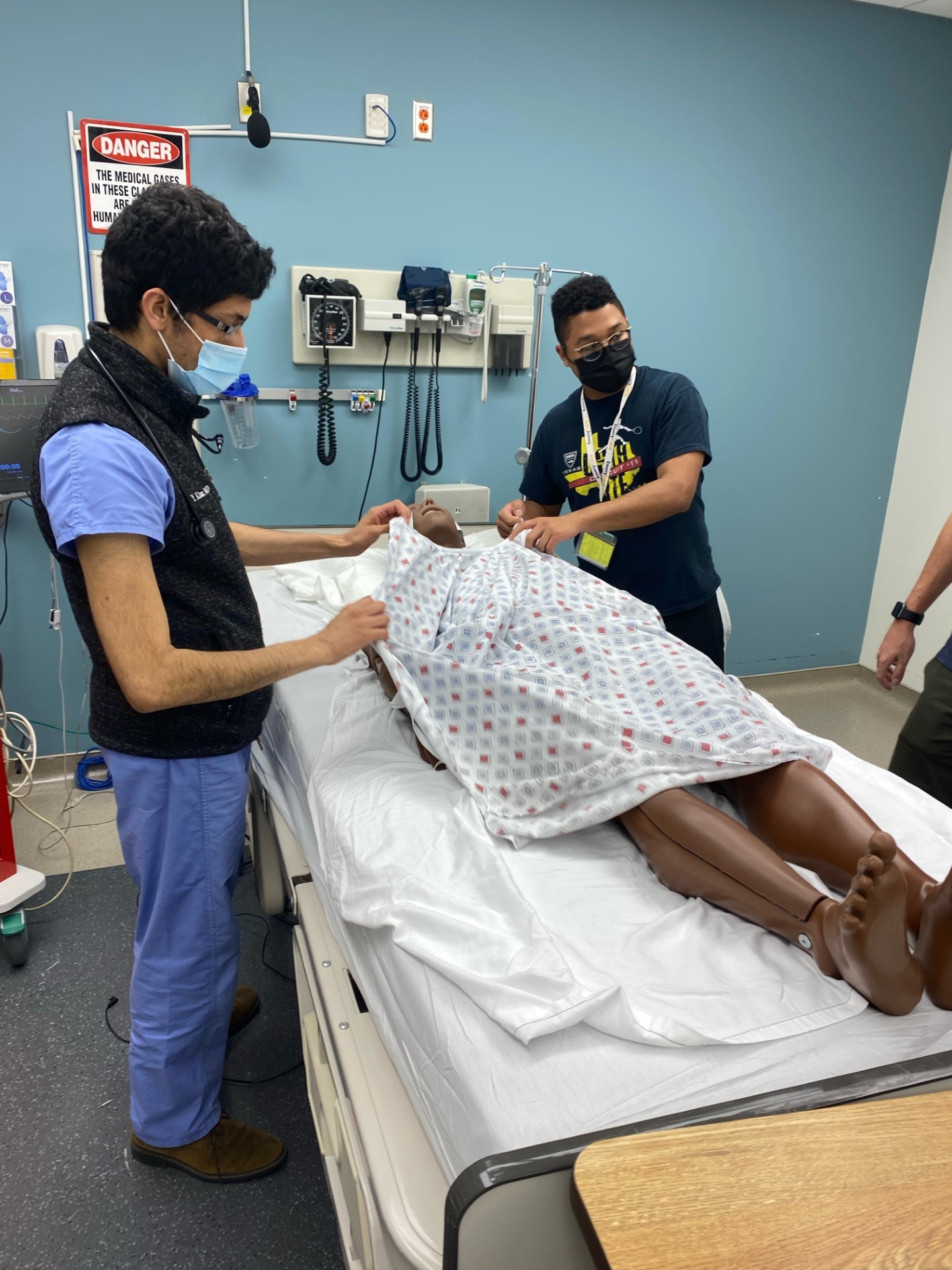
Acute Care Symposium is held each July to provide house staff with quick tips and management pearls for clinical scenarios they are likely to encounter during residency and beyond. These lectures provide attendees an opportunity to learn up-to-date acute management skills.
Morning Report is held three mornings per week from 8-9 a.m. for inpatient teams. These sessions vary source from PBLs and Overnight Case Review, Board review mini-lectures, practical tips and tricks from nursing leadership and our colleagues in the PT/OT/SLP departments, and more!
- Practice Based Learning (PBL) conferences provide housestaff with an opportunity to review the literature on a focused topic directly related to a patient’s care. All residents will present two PBL conferences during their training, focusing on a particular clinical or management problem they encountered during their night rotations. Faculty provide feedback and discussion related to the clinical topics presented.
- Overnight Case Review involves in vivo discussion of recent patient care scenarios where interns, senior residents, fellows, and attendings are encouraged to discuss the medical decision-making as well as local and national guidelines that are relevant.
Academic Half-Day is a lecture series given by both faculty and fellows and covers major topics in pediatrics. The curriculum also includes other important topics such as: global health, ethics, quality improvement, health equity, professionalism, Residents as Teachers, and Meaning in Medicine.
Children’s Grand Rounds are held on Wednesdays at noon and draw nationally recognized experts to discuss updates and advances in their areas of expertise. Once a quarter, residents present interesting patient cases to the hospital faculty and staff at our Children’s Case of the Quarter.
Resident Grand Rounds are held on Thursday mornings and involve an interactive case-based discussion presented by a resident and moderated by faculty. A faculty member or fellow then provides a "wrap talk" on the diagnosis with clinical pearls.
Core Curriculum
Core Curriculum consists of a combination of faculty lectures and Meaning in Medicine sessions. The faculty lectures include important topics such as global health, ethics, quality improvement, advocacy, residents as teachers, and meaning in medicine.
- Global Health sessions cover major global health topics. These lectures are given by faculty members with global health experience and guest lecturers with knowledge in the wide spectrum of global diseases.
- Quality Improvement sessions encompass the fundamental principles of QI and are accompanied by a hands-on workshop where residents apply these concepts. The QI curriculum prepares residents for participation in an annual residency-wide QI project. Many residents also choose to participate in smaller group-based QI projects within the Children’s system and have even developed their own independent projects.
- Meaning in Medicine is part of our longitudinal faculty and resident group mentorship program, where residents from all years are matched with faculty mentors to discuss the aspects of medicine that make our work meaningful and fulfilling.
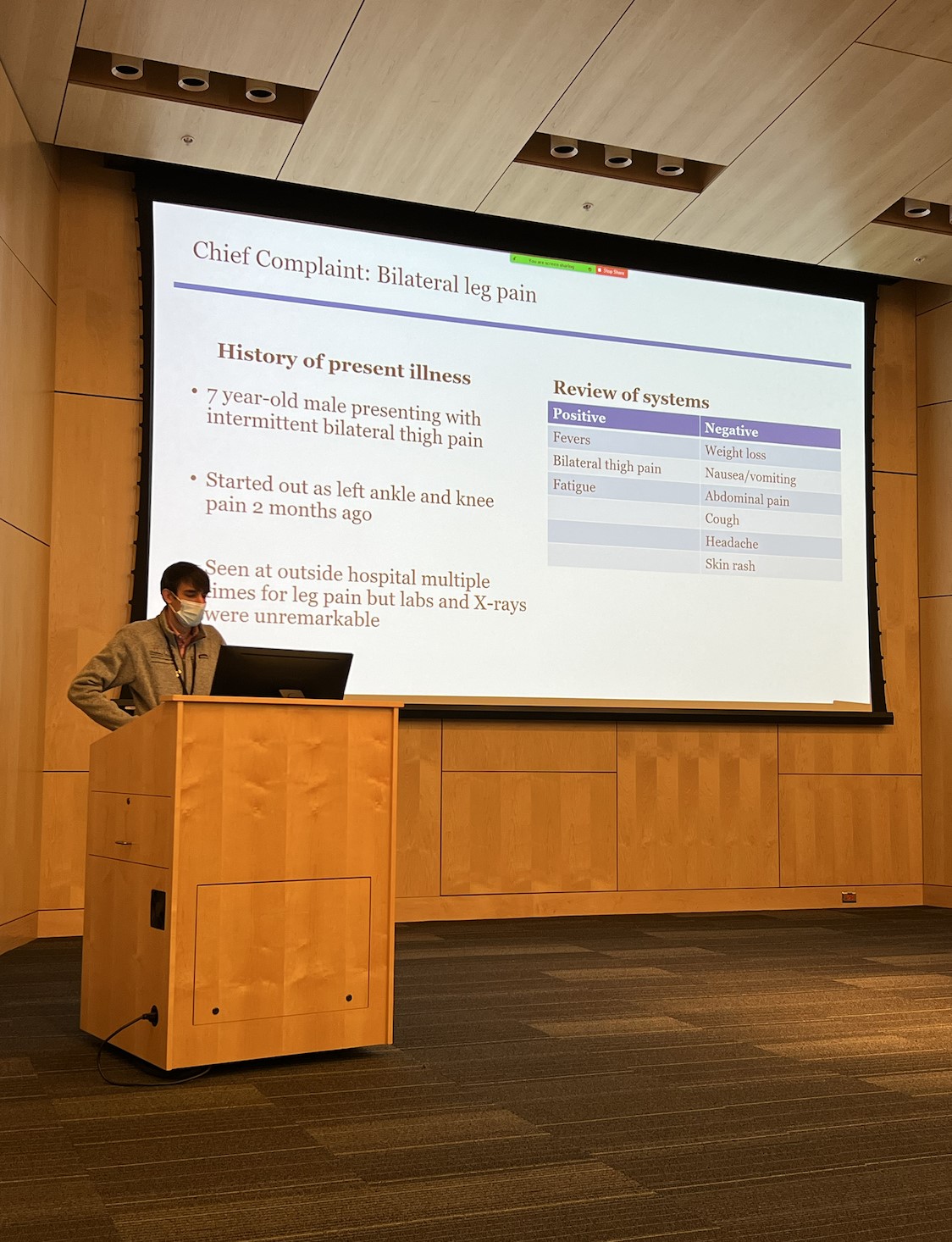
Practice-Based Learning (PBL) conferences provide house staff with an opportunity to review and present a focused topic directly related to a patient’s care. All residents will present two PBL conferences during their training, focusing on a particular clinical or management problem they encountered during their night rotations. The resident will review the literature and present a discussion using known published data. Faculty provide feedback and discussion related to the clinical topics presented.
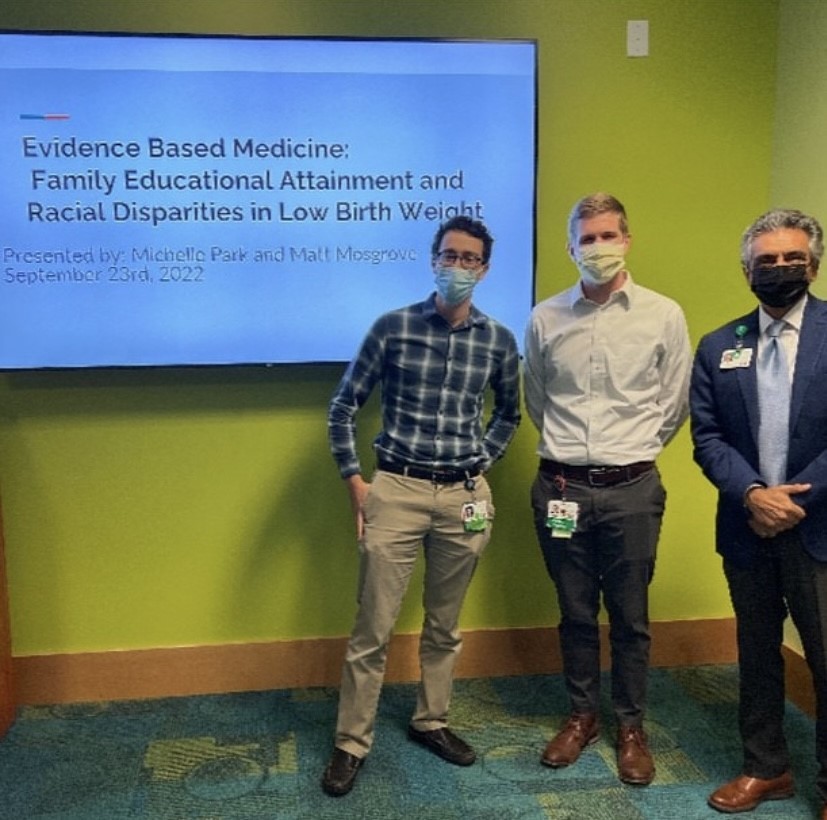
Evidence-Based Medicine is incorporated into the Arthur M. Blank Hospital Morning Reports and focuses on the critical evaluation of current literature. The residents present a current article and review the statistical analysis with guidance from a biostatistician.