


Suicide Risk Assessment and Safety Planning

Author: Kallio Hunnicutt-Ferguson, PhD, ABPP
Description: This presentation covers an introduction to Behavioral Activation treatment for Depression, including a session-by-session overview of the intervention.
Target Audience: Psychiatry residents, psychology practicum students, or other individuals in training to provide therapy
Learning Objectives:
- Identify the modifiable and nonmodifiable factors contributing to suicide risk.
- Describe the basic components of a suicide risk assessment and which thoughts and behaviors are important to assess as part of a thorough risk assessment.
- Conduct a risk assessment including level of care recommendations.
- Describe the components of a suicide safety plan.
Science-Based & Culturally Informed Case Conceptualization

Author: Noriel E. Lim, PhD, ABPP
Description: The PowerPoint presentation highlights the important factors to consider and methods to utilize when developing a science-based and culturally informed case conceptualization--one that is useful for treatment planning.
Target Audience: Mental health providers (psychologists, psychiatrists, trainees)
Learning Objectives:
- List factors to include in a science-based and culturally informed case conceptualization.
- Identify a method for integrating culturally informed with science-based approach to case conceptualization.
- Use figural drawings, concept maps and problem grids to inform and guide treatment planning.
Advances in Computing Technology are Changing the Way We Deliver OCD Treatment

Author: Donovan Ellis, PhD
Description: This lecture reviews gold-standard OCD treatment (ERP) and examines how advances in computing—digital tools, extended reality and generative AI—are reshaping exposure therapy delivery. It highlights technology as a therapy extender while addressing ethical considerations, including bias, privacy, risk mitigation and strategies to reduce harm and iatrogenic effects.
Target Audience: Mental health professionals (psychologists, psychiatrists, etc.) and trainees with a basic understanding of obsessive-compulsive disorder (OCD) and exposure and response prevention (ERP).
Learning Objectives:
- Learn applications of digital tools and generative AI in OCD treatment.
- Identify ethical, privacy and risk considerations in technology-supported exposure therapy.
Behavioral Activation for Major Depressive Disorder

Author: Kallio Hunnicutt-Ferguson, PhD, ABPP
Description: This presentation covers an introduction to Behavioral Activation treatment for Depression, including a session-by-session overview of the intervention.
Target Audience: Psychiatry residents, psychology practicum students or other individuals in training to provide therapy
Learning Objectives:
- Describe the basic behavioral theory underlying Behavioral Activation treatment for Depression.
- Learn to use session-by-session guides to guide treatment planning with a patient with Major Depressive Disorder.
Approaching Adolescent Substance Use
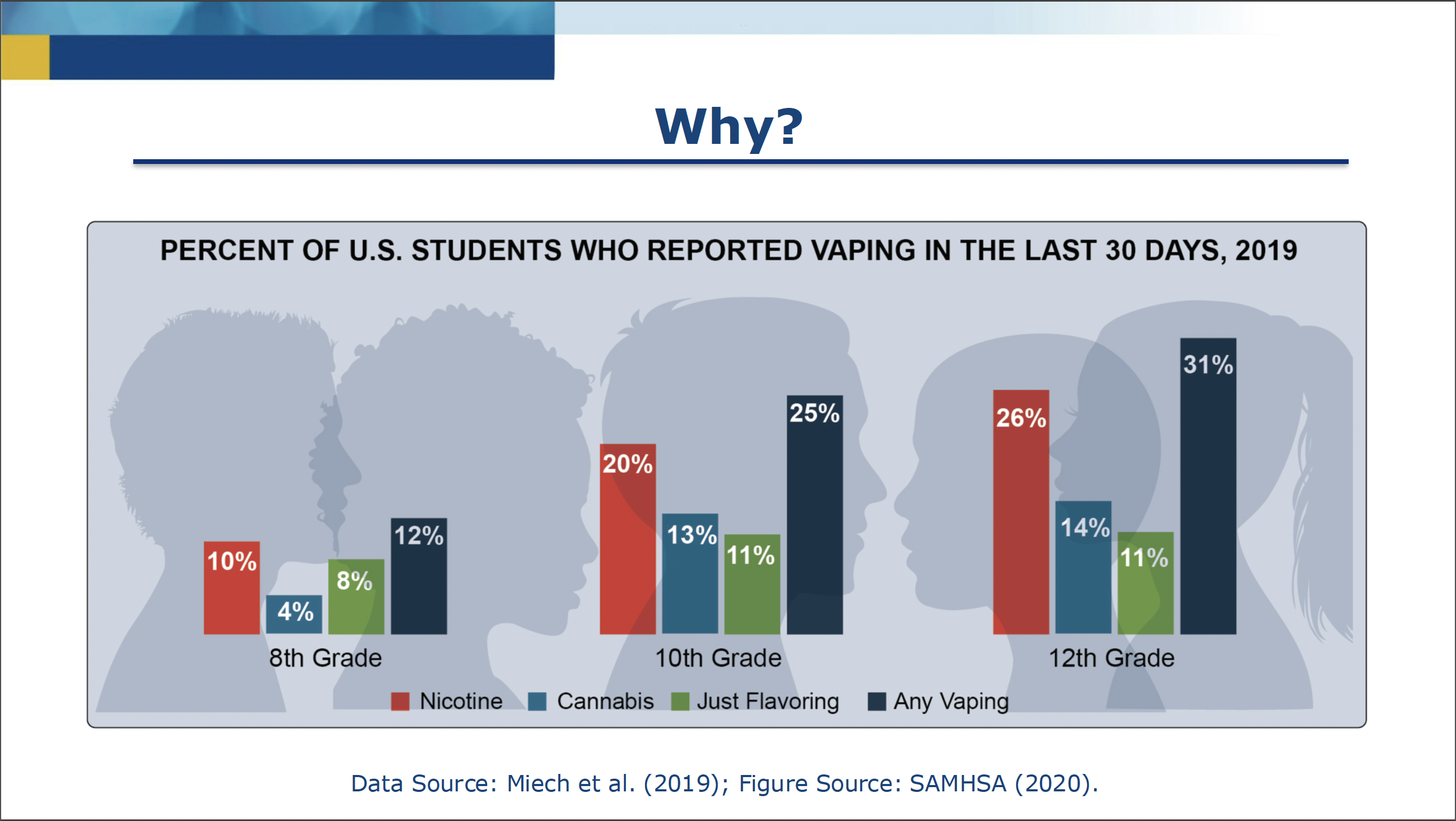
Author: Justine Welsh, MD
Description: Part 1 of a four part course that addresses adolescent substance use for child psychiatric providers.
Target Audience: Child psychiatric providers
Learning Objectives:
- Learn how to screen for substance use in minors.
- Understand the basics of navigating confidentiality.
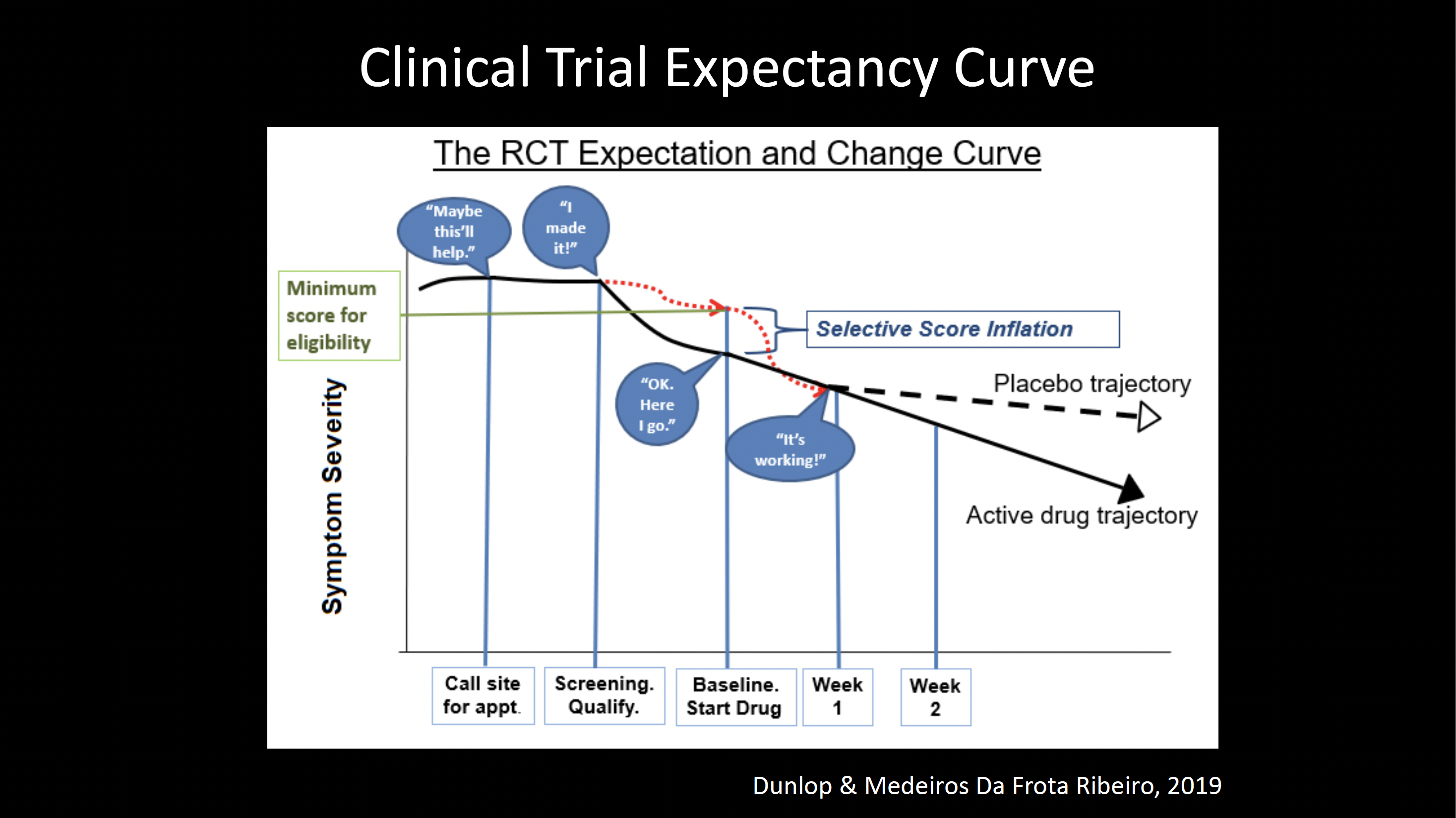
Who Studies Whom and How: Why Clinical Trials Fail in Mood and Anxiety Disorders
Author: Boadie Dunlop, MD
Description: Overview of Clinical trial design and conduct, and sources of placebo response.
Target Audience: Psychiatry residents
Learning Objectives:
- Learn about contributors to placebo response in clinical trials
- Understand contributions of severity and chronicity as contributors to efficacy of antidepressants vs placebo
What Have We Learned About Treating Children with High-Functioning Autism Spectrum Disorder in Psychodynamic Therapy?
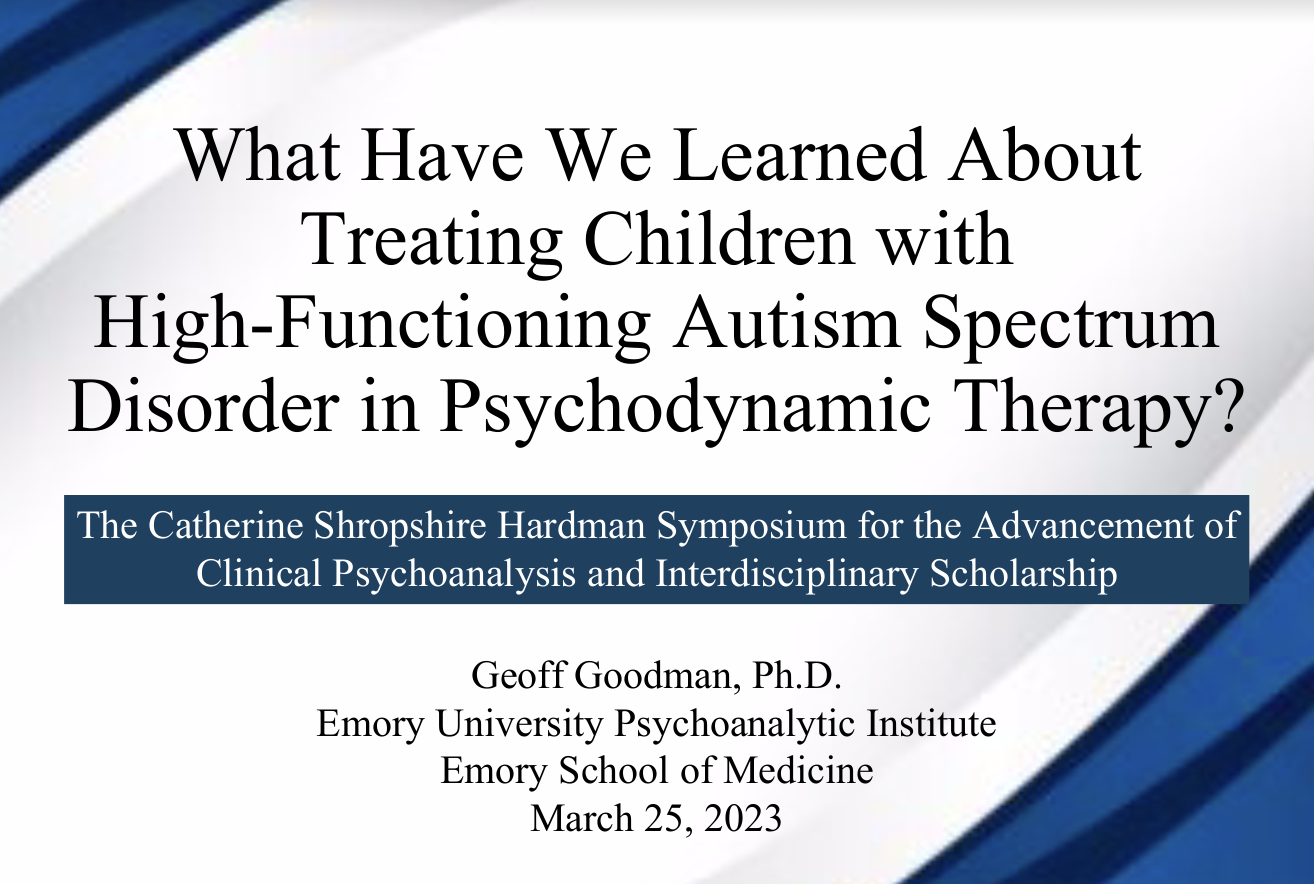
Author: Geoff Goodman, PhD, ABPP
Description: PowerPoint presentation on psychotherapy process in children with high-functioning autism spectrum disorder (HFASD) developed for the Emory University Psychoanalytic Institute (EUPI).
Target Audience: Psychiatry residents, psychology interns and postdoctoral fellows, social workers, nurse practitioners
Learning Objectives:
- Learners will learn about how to understand child development from a psychodynamic theoretical framework.
- Learners will read about child cases that underscore particular issues related to socioemotional development.