The Kugathasan research team (IBD Dream Team) focuses on early onset Inflammatory Bowel Disease (IBD). Inflammatory bowel disease (IBD), which includes Crohn’s disease (CD) and ulcerative colitis (UC), is estimated to affect approximately 1.2 million Americans. IBD is a destructive, life-long, chronic inflammatory disorder which results in gastrointestinal bleeding, weight loss and poor quality of life. IBD affects all races and onset of the disease is usually in children and young adults. Familial, twin and linkage studies suggest that CD is highly heritable. The research interest of the laboratory are:
To determine and identify genetic associations in very young onset IBD in comparison to those found in older patients with adult onset disease. In particular, to identify high effect, highly penetrant but rare variants that cannot be identified by genome wide association studies.
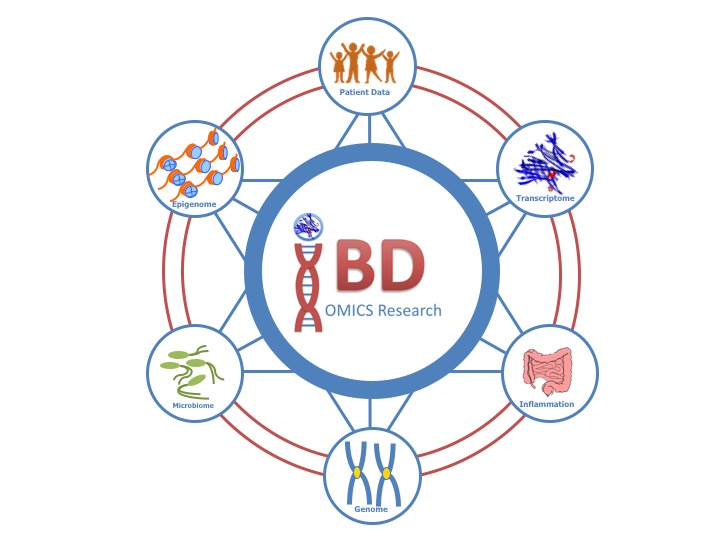
To identify susceptibility and modifying factors and perform Genotype – serotype – bacteriotype - gene expression studies in carefully and prospectively identified incident cases of early onset IBD.
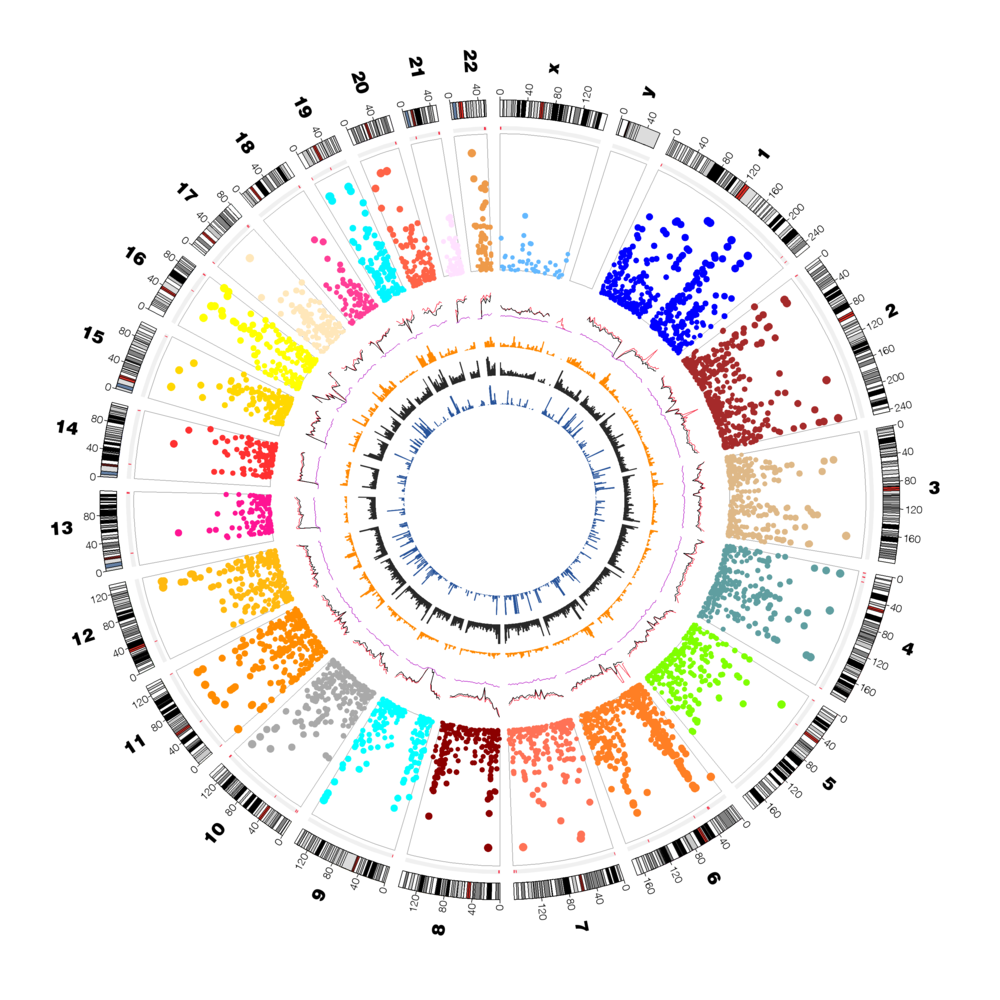
Genome wide association studies to determine common SNPs / loci and copy number variants in African Americans with IBD. Replication studies in African Americans show that the major genetic variants that were found in Caucasians with IBD are not associated with African Americans.
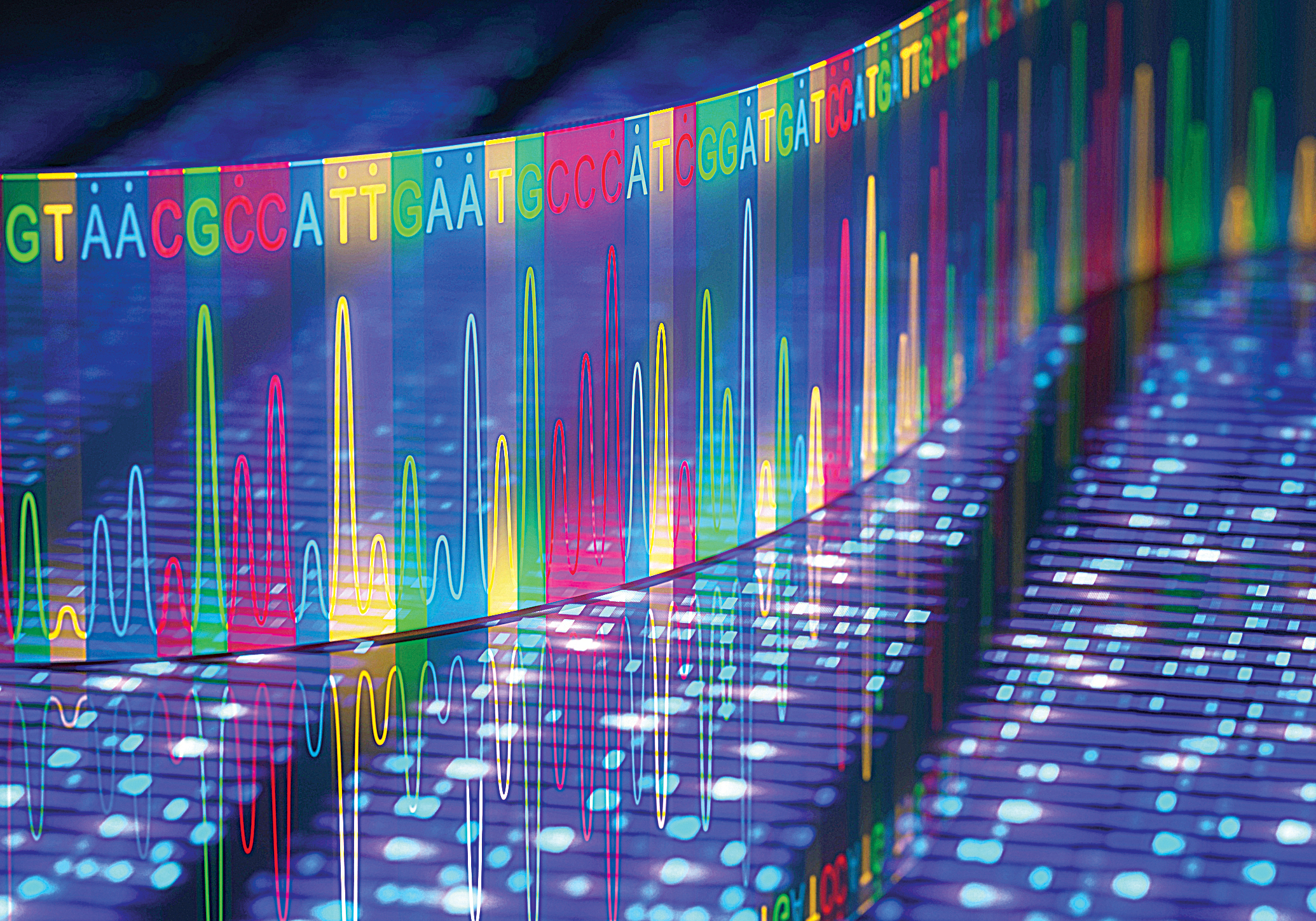
Use of the latest generation sequencing technologies to comprehensively identify IBD - predisposing causal variants in order to fully characterize the physical scale of various genetic associations in IBD. Performing targeted sequencing in susceptibility loci found in African Americans and Caucasians in parallel is another area of interest.

Development of patient derived intestinal enteroids and colonoids which are miniaturized intestines produced from the patients own biopsy specimen. To do this we obtain biopsy specimens from patients undergoing a routine colonoscopy at Children's Healthcare of Atlanta Egleston and Emory Univeristy Hospital. The goal of this project is twofold: to establish a large diverse enteroid / colonoid biobank, which will be a valuble resource for researchers in the near future; and to screen individual patients for drug response, which could dramatically change the way drugs are prescribed to patients in the future bringing us closer to our goal of personalized medicine.