
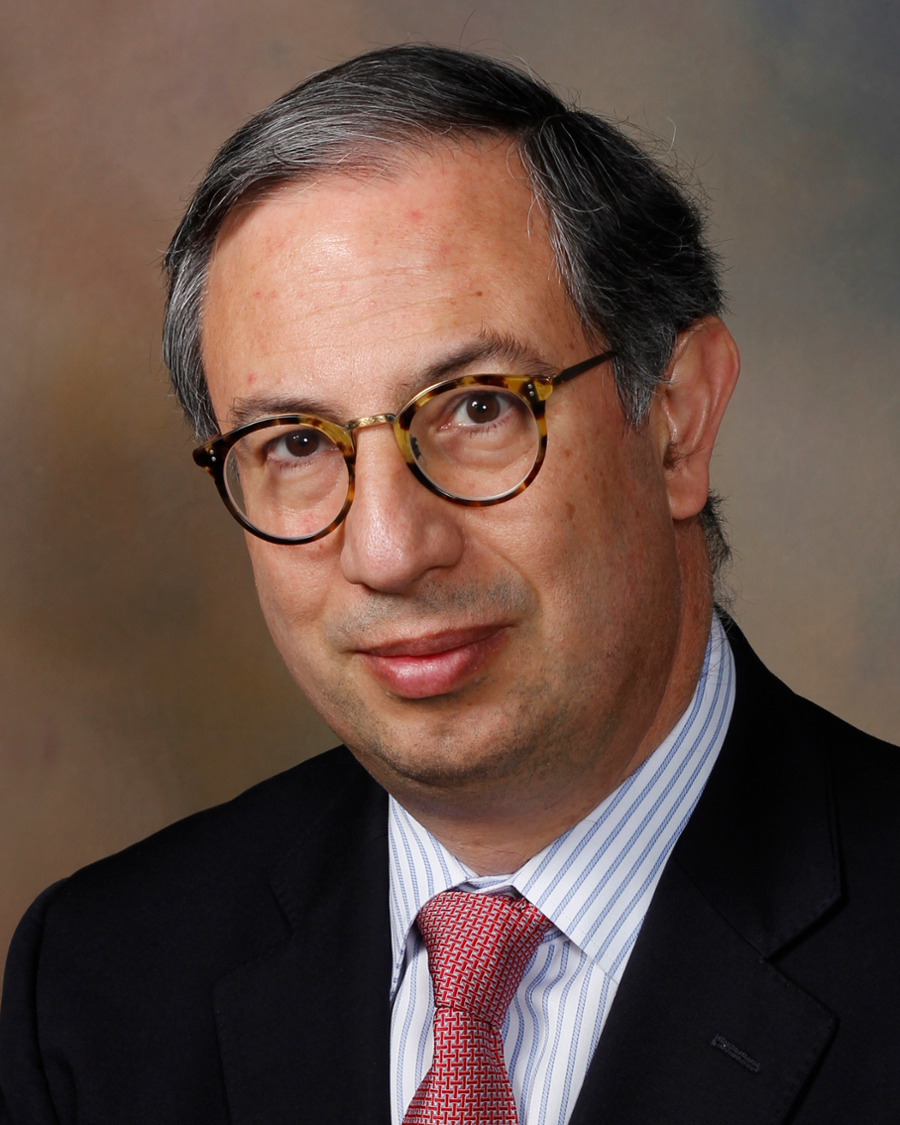
William Sexson, MD
Associate Dean, Clinical Affairs
Vice Chair, Department of Pediatrics
Professor, Neonatology
Emory University School of Medicine
Dr. Sexson is a practicing pediatrician and bioethicist. With 28 years of service in the Air Force, he is keenly aware of the ethics of stigma and bias as it relates to the international community. Currently a Professor of Pediatrics at Emory University School of Medicine, Dr. Sexson has a Master of Arts in Bioethics (Emory, 2014). For his work in bioethics locally and on a state level, he received the Hero in Healthcare Ethics Award from The Health Care Ethics Consortium of Georgia. He was recently (2016) recognized as “Humanitarian of the Year” by Emory University’s Department of Pediatrics. He has been continuously engaged with the Georgia Chapter of the AAP for 25 years as a legislative advocate and bioethicist with a focus on community engagement in health equity, and social justice and responsibility. Between 1992 and 1996 he served as the Chapter Vice-president and subsequently Chapter President. For his efforts for children during this time the Chapter won AAP awards as the Outstanding Large Chapter and Chapter of Excellence. He served as Associate Dean for Clinical Services at Grady for 17 years leading approximately 1,000 Emory personnel and trainees on the Grady Hospital campus each day. Since 1989, he has chaired the Grady Memorial Hospital Ethics Committee and has been personally involved in well over 1000 case consultations. This committee is one of the busier such committees in the USA, doing between 200- 250 consultations each year. He has been in 9 foreign countries across Europe, Asia and the Middle East lecturing on ethics, advocacy and clinical care, while trying to improve access to care as well as maternal child mortality and morbidity in these countries. He has conducted and participated in a number of different national and international symposia on neonatal and pediatric ethics.
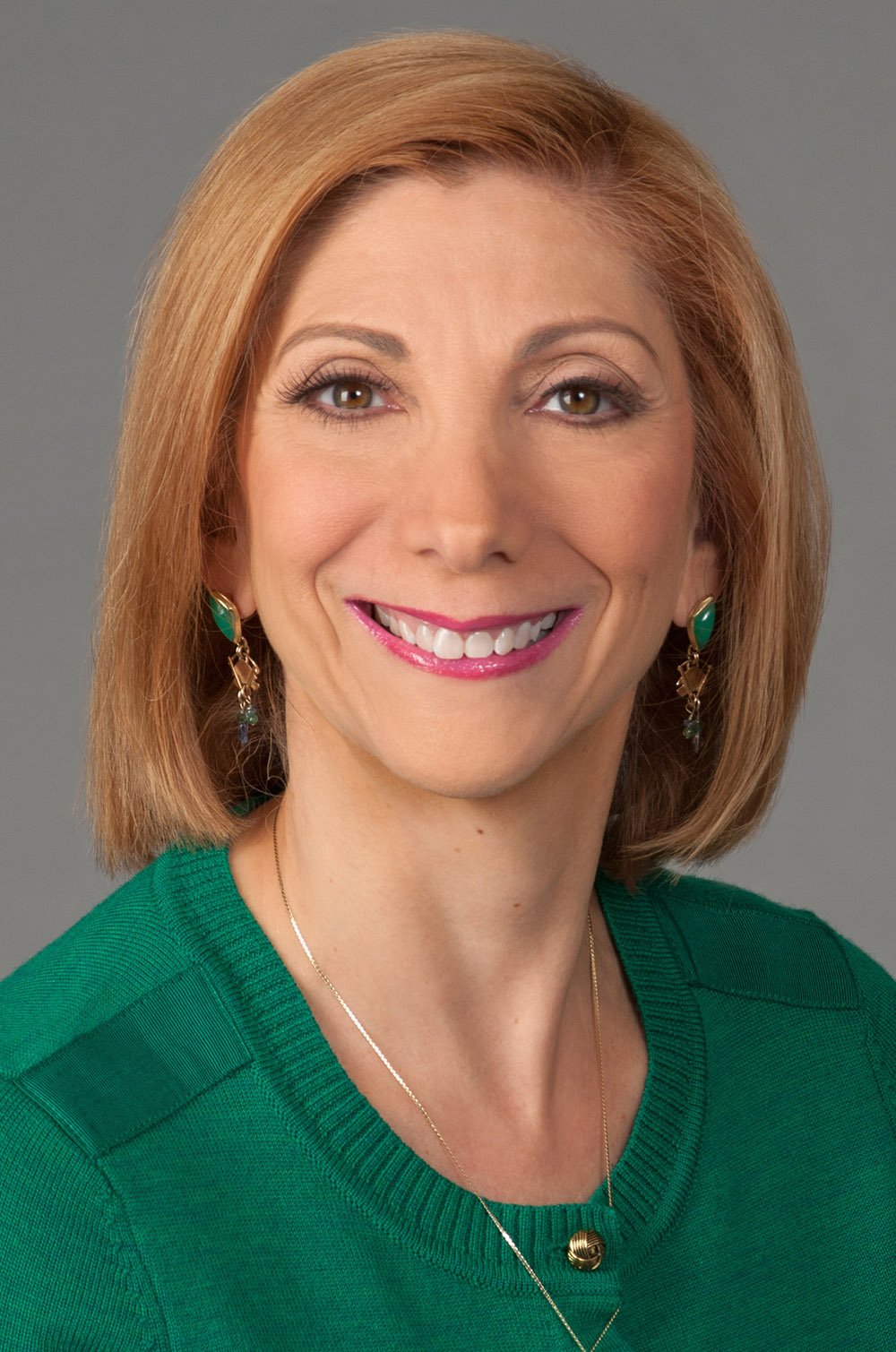
Carlos del Rio, MD
Faculty Advisor, Urban Health Initiative
Hubert Chair, Department of Global Health at the Rollins School of Public Health
Professor of Medicine, Division of Infectious Diseases School of Medicine
Co-Director, Emory Center for AIDS Research
Emory University School of Medicine
Emory University Rollins School of Public Health
Carlos del Rio, MD is Hubert Professor and Chair of the Hubert Department of Global Health at the Rollins School of Public Health of Emory University and Professor of Medicine at Emory University School of Medicine. He is Director for Clinical Sciences and International Research of the Emory CFAR and Director of the Emory AIDS International Training and Research Program.
Dr. del Rio is a native of Mexico where he was Executive Director of the National AIDS Council of Mexico (CONASIDA, the Federal agency of the Mexican Government responsible for AIDS Policy throughout Mexico), from 1992 through 1996. He was also a member of the Program Coordinating Board of UNAIDS (1995 -97).
Since joining the faculty at Emory in 1996 he has served in many leadership roles including Chief of the Emory Medical Service at Grady Memorial Hospital (2001 – 2009) and Executive Director of the Hope Clinic of the Emory Vaccine Center (2004 – 2006).
Dr. del Rio is a Member of the Board of Directors of the International AIDS Society-USA, the HIVMA of the Infectious Diseases Society of America (IDSA) and the IDSA. He is a member of the DHHS Panel for Antiretroviral Guidelines for Adults and Adolescents and member of the Advisory Committee on HIV and STD Prevention and Treatment of the Centers for Disease Control and Prevention and Health Resources and Services Administration. He is Senior Clinical Editor for AIDS Research and Human Retroviruses and Associate Editor of AIDS Clinical Care and member of the editorial board of Journal of AIDS, Women, Children and HIV, and Global Public Health. Dr. del Rio has been a member of four Institute of Medicine Committees on HIV/AIDS issues (The Ryan White Care Act: Data for Resource Allocation, Planning and Evaluation; Methodological Issus on HIV Prevention Trials; HIV Social Security Disability Criteria, and Data Systems for Monitoring HIV Care). Dr. del Rio has co-authored 5 books, 30 book chapters and over 200 scientific papers.
Nadine J. Kaslow, PhD
Vice Chair for Faculty Development, Diversity, Equity, and Inclusion Psychiatry and Behavioral Sciences
Chief Psychologist and Director of the Grady Nia Project, Grady Health System
Director, Atlanta Trauma Alliance
Director of Postdoctoral Residency Training in Health Service Psychology
School of Medicine
Nadine J. Kaslow, PhD, ABPP is a Faculty Advisor for the Urban Health Initiative. She was a Primary Care Public Policy Fellow through the United States Public Health Service, a fellow of the Executive Leadership in Academic Medicine Program, and a Fellow of the Woodruff Leadership Academy. She was the 2014 President of the American Psychological Association (APA) and Editor of the Journal of Family Psychology (2010-2015). Dr. Kaslow is Past President of APA’s Divisions of Clinical Psychology (12), Family Psychology (43), and Psychotherapy (29), as well as the American Board of Clinical Psychology and the American Board of Professional Psychology. She is the President of APA’s Division of Psychologists in Public Service (18). She is a distinguished researcher, clinician and author. In 2013, she received Emory University’s highest honor, the Thomas Jefferson Award for service to the community. Also in 2013, she was honored at the Grady Gala with the Inspiring Mentor Award. In 2018, she became a Distinguished Lifetime Member of Psi Chi – the national psychology honor society. The recipient of multiple federal and foundation grants, she has published over 320 articles. Her primary areas of research focus include the culturally-informed assessment and treatment of family violence (intimate partner violence, child maltreatment) and suicide in youth and adults, post-traumatic stress disorder and its treatment, couples and family therapy, women’s mental health, integrated healthcare and a competency-based approach to psychology education and supervision.