CONTINUUM
May edition of CNM's CONTINUUM newsletter
May 2026
We are thrilled to present the May issue of CNM's monthly newsletter, CONTINUUM! Drug discovery is an iterative, integrated continuum of activities ranging from target identification and validation to lead optimization, preclinical, and clinical testing. This approach merges chemistry, biology, and medicine with technologies like AI to accelerate discovery and improve success rates from bench to bedside. CNM exists to support and enable Emory researchers and clinicians to achieve their translational goals across this continuum - we look forward to working with you! Email us any time at newmedicines@emory.edu.
In this issue (click to jump to sections):
💡 View From the Top: A Message from Emory's SVPR, Adam Marcus
💊 2026 Emory 3D Symposium Recap
🔬 CNM Pipeline Update: Dennis Liotta
♀️ Women's Health Awareness Month
📝 REMINDER: Emory Research Strategy Survey
🖥️ 2026 Schrödinger License + Online Courses
🧬 Inaugural BDCI Trainee Symposium Recap
✉️ Contact Us
View from the Top |
A message from Adam Marcus, Senior Vice President for ResearchEmory's research spans an extraordinary range from the molecular foundations of disease to the systems that shape society, from the humanities to the clinic. Turning this research breadth into impact requires the infrastructure to connect a discovery with the people and partners who can advance it. The Center for New Medicines (CNM) is part of that infrastructure for therapeutic discovery and serves as an entry point for therapeutic commercialization. |
|
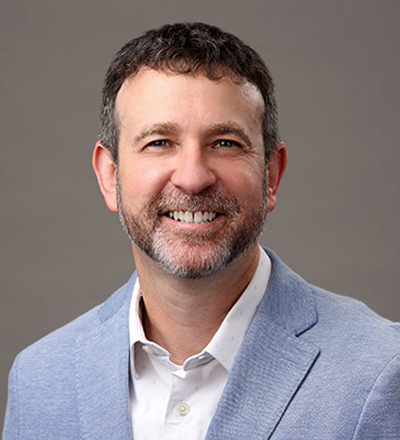
The CNM represents what our research enterprise has the potential to do: take a discovery and place it on a path for impact. CNM focuses on the drug discovery and development pipeline by pairing medicinal chemistry, pharmacology, and drug development expertise with the biological insight generated across our campus to de‑risk Emory assets and shorten the distance from a mechanism to an investigational therapy.
Our vision at Emory Research is to increase translational velocity, the speed at which a discovery becomes a potential therapy, technology, solution, or community impact. That means a commercialization framework that runs parallel to the science and operational systems, all moving at a pace our investigators need. This can help ensure that translational opportunities are identified earlier and not lost to friction points along the way.
The work ahead is collective, and CNM’s progress depends on cooperation within Emory and beyond. At Emory Research, we are looking forward to working alongside the CNM community and helping to advance their ideas to impact.
Adam Marcus, Senior Vice President for Research, Emory University
2026 Emory 3D Symposium |
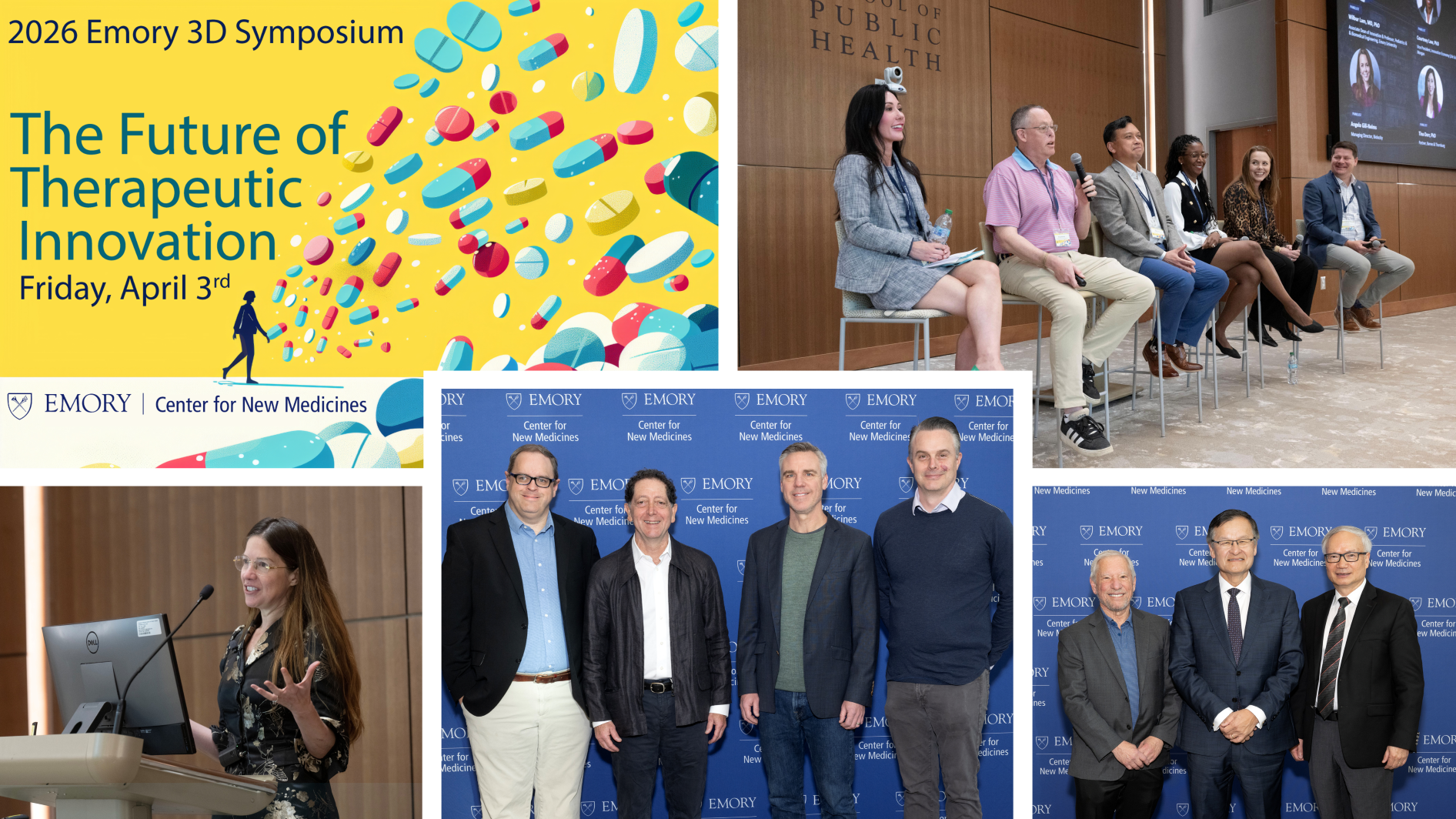
Top right: Panel Discussion featuring (left to right) Tina Dorr, Doug Gooding, Wilbur Lam, Courtney Law, Angela Gill Nelms, and Justin Burns. Bottom Left: Chrystal Paulos. Center: (left to right) Ryan Potts, Kevan Shokat, Eric Sundberg, and Matt Disney. Bottom right: (left to right) Dennis Liotta, Joon Lee and Haian Fu.
On Friday, April 3rd, the Emory Center for New Medicines (CNM) hosted its third annual 3D (Drug Discovery and Development) Symposium.
Centered on the theme, The Future of Therapeutic Innovation, the day’s program featured talks and discussions around the various modalities, targets and models shaping the future of drug discovery. The event drew 258 registrants from more than 20 departments across Emory, a reflection of the depth and diversity of engagement across the Emory community.
The day kicked off with opening remarks from Joon Lee, MD, Executive Vice President for Woodruff Health Sciences, who highlighted the importance of integration across Emory’s research and healthcare communities. Highlighting CNM’s central tenet of supporting bidirectional translational research, he emphasized that such a uniquely interconnected ecosystem serves as a strong foundation for translating innovative Emory discoveries into new therapies for unmet medical needs.
The scientific program began with a keynote presentation by Kevan Shokat, PhD, Professor in the Departments of Cellular and Molecular Pharmacology, UC San Francisco, and Chemistry, UC Berkeley, and Investigator, HHMI. His talk on Overcoming the Undruggable Nature of the Most Common Human Oncogene, K-RAS offered incredible insights into his breakthrough discovery of the first covalent K-RAS G12C inhibitor, and the subsequent use of innovative chemical approaches to expand this work to target other, disease relevant, mutant K-RAS variants (e.g., G12D). Mutations in the K-RAS oncogene, long considered undruggable, are highly prevalent across multiple cancer subtypes and have historically been associated with poor responses to standard therapies. However, the advent and clinical translation of mutant selective K-RAS inhibitors have the potential to significantly alleviate disease burden for millions of cancer patients.
Continuing the theme of therapeutic innovation, the keynote was followed by a series of featured talks spanning small molecule RNA and protein degraders, to biologics and cell-based therapies:
Matt Disney, PhD, Institute Professor and Chair in the Department of Chemistry at the Herbert Wertheim UF-Scripps Institute for Biomedical Research & Innovation, delivered a talk on Covalent Approaches to Study RNA-Small Molecule Interactions. His presentation highlighted the use of covalent probes to elucidate the mechanism of action of Merafloxacin, an inhibitor of the SARS-CoV-2 frameshifting element, a highly structured RNA sequence in the viral genome. Disney is widely regarded as a pioneer in the discovery of RNA-targeting small molecules, a field which defies traditional drug discovery dogma.
Disney also served as the keynote speaker for our inaugural trainee symposium. This doorstep meeting, which convened a diverse group of Emory undegraduates, graduate students and postdocs around the theme of Drugging the Undruggable took place the day before 3D. Read more about that event below in the Trainee Events & Highlights!
Ryan Potts, PhD, Vice President of Research and Head of Amgen’s Induced Proximity Platform, presented Any Target, Every Time: How Proximity-Based Therapeutics Has Redefined Druggability. His talk emphasized the utility of induced proximity agents – molecular “matchmakers” that bind both a target protein and an effector, overcoming the randomness of molecular encounters to bring these into proximity and form non-native complexes – in expanding the drug discovery arsenal. Examples ranged from molecular glues targeting new effector proteins (e.g., VHL), and disease- or region-specific targeted protein degraders (e.g., VIPER-TACs, LYMTACs), to sustained proximity drugs (e.g., LOCKTACs) able to lock macromolecular complexes into stable, non-functional assemblies. Under Potts' leadership, the induced proximity platform team at Amgen is leveraging these novel multispecific molecules to pursue the 85% of proteins and other molecules historically considered undruggable.
Eric Sundberg, PhD, Professor and Chair in the Department of Biochemistry at Emory, spoke on Editorial Control of the Human IgG Glycome. His presentation showcased his research on bacterially derived IgG-specific endoglycosidases as a safer and more selective treatment option for IgG-mediated diseases, including autoimmunity. Unlike approved “IgG degraders” (e.g., VYGART® and Idefirix®), which indiscriminately eliminate circulating IgG and compromise immune function, Sundberg’s “IgG defeaters” instead modify IgG while retaining its neutralizing capacity. On April 2nd, Sundberg received Emory’s Office of Technology Transfer’s (OTT) “Deal of the Year” award in recognition of a high-value licensing agreement executed in 2025 with Rhapsogen, an Emory start-up company co-founded by Sundberg to advance this innovation.
Chrystal Paulos, PhD, David H. Lawson Professor in Cancer Research and Professor in the Departments of Surgery and Microbiology & Immunology at Emory, presented Programming T Cells for Cancer Therapy: Turning Immune Cells into Living Drugs. Her talk highlighted how human T-helper 17 (Th17) cells, an underexplored subtype of T-cell for Adoptive T-cell Transfer (ACT) therapy, can elicit potent and sustained tumor killing through interactions with B-cells, underscoring their therapeutic potential in cancer patients. Paulos’ work has demonstrated promise as a next-generation ACT for advanced melanoma patients who are resistant to immune checkpoint blockade (ICB) therapy, accounting for 40-60% of advanced melanoma patients.
The afternoon’s scientific sessions culminated in an inspiring panel discussion hosted by Justin Burns, Chief Innovation Office and Vice President of Innovation & Entrepreneurship at the Georgia Research Alliance. Focused on The Future of Therapeutics in Atlanta, this lively discussion brought together leaders from across Atlanta’s growing biotech ecosystem. Panelists included:
Tina Dorr, PhD, Partner at Barnes & Thornburg
Angela Gill-Nelms, Managing Director of Biolocity
Doug Gooding, Managing Director, Emory Drug Discovery Fund and CEO, DRIVE Therapeutics
Wilbur Lam, MD, PhD, Associate Dean of Innovation and Professor in the Departments of Pediatrics and Biomedical Engineering at Emory University
Courtney Law, PhD, Vice President of Innovation Economy (Life Sciences) at J.P. Morgan
In discussing the future of therapeutic innovation in Atlanta, the panelists - largely echoing the opening remarks by Joon Lee - stressed the importance of synergy across departments and institutions. To help overcome the valley of death in academic drug development, they noted that researchers should strategically leverage the enabling resources and expertise available across the university network; at Emory, this includes access to our extensive healthcare system and OTT. Once again, these themes closely align with CNM’s goal to foster a therapeutic innovation ecosystem through strategically integrated operations and cross-cutting support mechanisms across Emory.
In closing, Sandra Wong, MD, MS, Dean of Emory University School of Medicine, reinforced the day’s key takeaway: collaboration and connection are essential to enabling innovative therapeutic discoveries to move from bedside to bench, and back again.
Following Dean Wong’s inspiring remarks and call to action, attendees then enjoyed a reception to allow for meaningful conversations and networking within our robust drug discovery community.
Author: Nicole Pribut, PhD, CNM Medicinal Chemistry Lead
CNM Pipeline Update |
Liotta Lab develops next-generation cannabinoid therapeutics to overcome limitations of cannabidiol for epilepsy
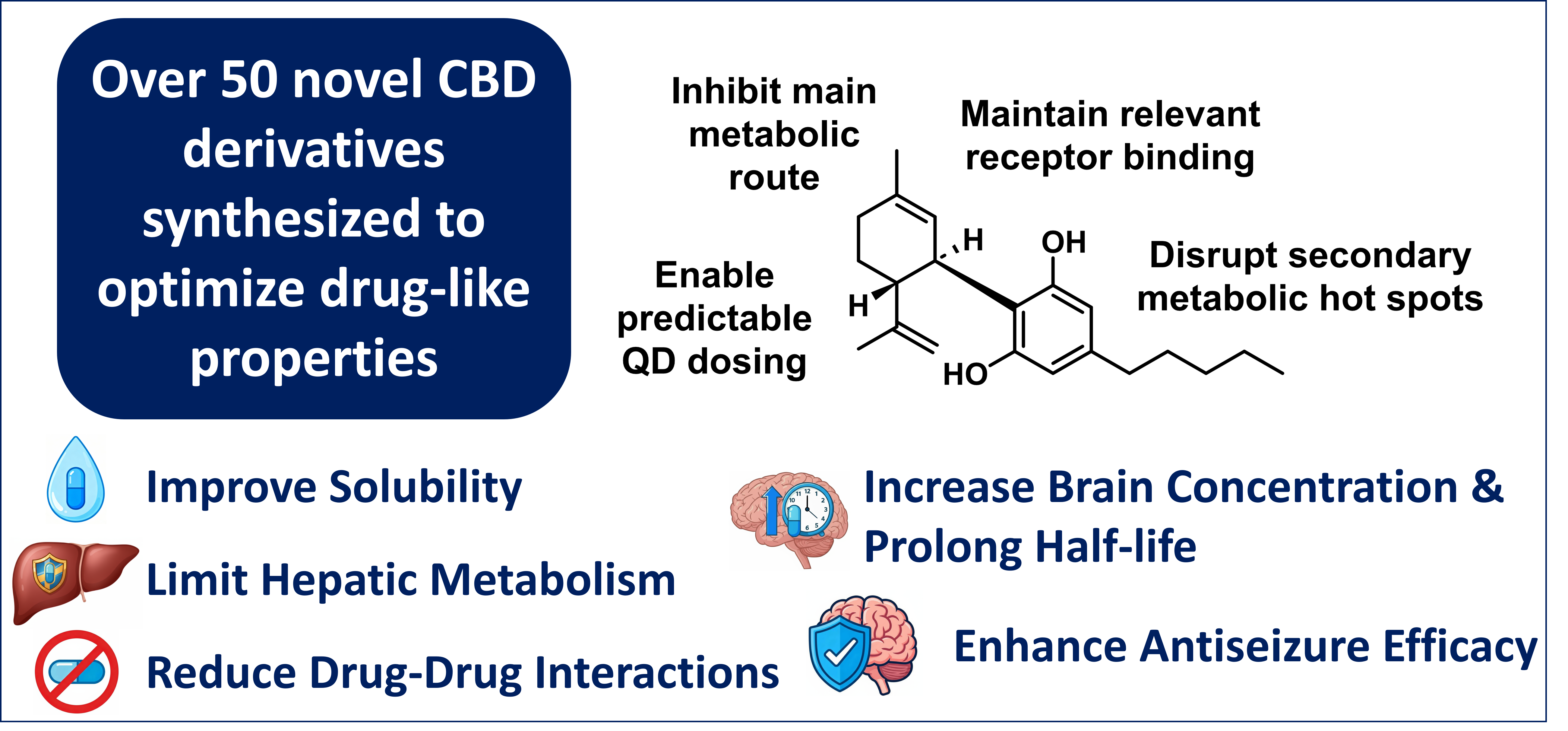
The Liotta Lab is advancing a new generation of cannabinoid-based therapeutics designed to address the key clinical limitations of cannabidiol (CBD), an FDA-approved treatment for certain forms of epilepsy. While CBD has demonstrated meaningful efficacy, its widespread metabolism, poor aqueous solubility, and drug–drug interaction potential limit its consistency and overall clinical utility.
To overcome these challenges, the team applied a rational medicinal chemistry strategy targeting known metabolic liabilities and physicochemical constraints of the CBD scaffold. By systematically redesigning key structural features, the lab has generated a library of more than 50 novel cannabinoid analogues with significantly improved drug-like properties, including enhanced solubility and metabolic stability.
These optimizations translate into substantial pharmacokinetic gains in vivo, with lead compounds achieving markedly higher and more sustained brain exposure compared to CBD. Importantly, these improvements have driven superior antiseizure efficacy across multiple established preclinical epilepsy models, supporting the potential for more consistent and effective therapeutic outcomes.
This work highlights the power of medicinal chemistry to transform a clinically validated but suboptimal molecule into a platform for next-generation therapeutics. More broadly, it demonstrates how targeted scaffold engineering can unlock improved performance from existing drug classes, advancing new treatment options for patients with refractory neurological disorders.
Author: Luke Hodson, PhD, Associate Scientist, Liotta Lab, Department of Chemistry
CNM Pipeline Publication Highlight
April 2026: The Ivanov lab (Pharmacology & Chemical Biology) published a review article titled Target Discovery and Drug Design in the Era of Artificial Intelligence in Medicinal Chemistry Research. This review highlights the advances and limitiations of AI-enabled strategies for target discovery, chemical design and experimental feeback.
To read this article, click HERE
Did You Know? |
♀️May is Women's Health Awareness Month♀️
May is National Women’s Health Month! According to the US Office on Women’s Health, this is a time to highlight women’s health conditions and priorities, and encourage women of all ages to prioritize their physical, mental, and emotional well-being.
Although there are a large number of conditions that disproportionately affect women, drug discovery programs consistently show an underrepresentation of drugs to treat them. Over the last 16 years, only 7% of new drug approvals were for women-specific conditions - and only 3% if you remove treatments for women’s cancer (ref).
According to a recent report by McKinsey, there are many reasons why these disparities exist, including (among many other factors):
Gaps in data that lead to an underestimation of the burden of women’s health
Lack of understanding of sex-specific differences in approved treatments (effectiveness and adverse events)
An industry-wide emphasis on discovery programs that focus on diseases with high mortality rates over those leading to reduced quality of life (and often times, disability)
However, a 2024 landmark report by the World Economic Forum revealed that closing the gender health gap is a $1 trillion opportunity, and has helped spur important, major investments for women’s health research across multiple sectors (Gates Foundation, Wellcome Leap and Pivotal, Milken Institute, among others).
2025 brought some important FDA approvals for women’s health indications. In our February newsletter, we highlighted the recent expanded label for GSK’s gepotidacin (Blujepa®), a first-in-class, oral triazaacenaphthylene antibiotic. First approved for the treatment of uncomplicated urinary tract infections in female patients, for whom more than 50% will experience disease across their lifetime (with recurrent infection reported in ~30% of patients), the expanded approval includes treatment for uncomplicated urogenital gonorrhea. As the first in their class, the approvals of gepotidacin represents a significant milestone for women suffering from these conditions.
Interested in reading more on this topic? Click HERE for another great read from Nature Reviews Drug Discovery: “Where are the women’s health drugs?”
Author: Callie Wigington, PhD, Program Director, CNM
📣 If you (or someone you know at Emory) is interested in translating their discoveries around women’s health, reach out to us today!
Research Strategy Survey |
With support from the Provost and the EVPHA, the Office of the SVPR is launching the development of Emory's enterprise-wide research strategic plan. To be successful, it must be co-created with, and representative of, all disciplines, academic units, and offices that support the research enterprise. The goal is to build a shared framework, to help guide strategic investments in the research enterprise to drive transformative collective impact.
All faculty, researchers, and staff working within or to support the research enterprise are encouraged to respond to the Emory Research Strategy survey by Friday, May 8 2026.
Click HERE to participate in the survery
If you have a question or would like to provide additional information, please write to researchdevelopment@emory.edu. If you have trouble accessing the survey, please contact OIR@emory.edu.
Upcoming Events |

Biolocity Bench2Market Talks
Biolocity hosts a free educational webinar series to provide commercialization guidance to the innovation community. See below for details.
Date & Time: May 20, 2026 from 12:00 - 1:00 PM
Title: Early-Stage Usability: Reducing Risk and Accelerating Innovation
Topic: Integrating human factors and usability engineering early in device development can de-risk design, streamline regulatory pathways, and uncover innovation opportunities. Attendees will learn practical strategies for applying formative usability methods at the concept stage to reveal user needs, prevent costly redesigns, and create safer, more intuitive medical technologies from the start.
Speaker: Robert Turner, Ph.D, Managing Director, Usability Works at Carilion
To register, click HERE

Meet with Johnson & Johnson Oncology Leaders
Johnson & Johnson is committed to transforming cancer care through breakthrough innovation and is inviting visionary startups and researchers to apply for an exclusive in-person meeting with its oncology leadership team on July 6 in Seattle.
Selected applicants will have the opportunity to present bold, differentiated, and potentially transformative therapeutic approaches while exploring potential partnership opportunities across key oncology focus areas, including lung cancer (small cell and non-small cell, including squamous and adenocarcinoma subtypes), head and neck cancers, bladder and prostate cancers, hematologic malignancies, and interventional oncology solutions such as controlled-release and localized depot drug delivery systems, intratumoral therapies, and integrated platforms for delivering, monitoring, and confirming intra-tumoral treatments.
Application deadline: June 10, 2026
In-person meeting: July 6, 2026
To learn more and apply click HERE
Funding Opportunities |

Sanofi Innovation Awards 2026-2027 Call for Pre-Proposals
The Sanofi iAwards initiative is a multi-institutional partnership program designed to support collaborations with academic investigators to accelerate innovative early stage, disease-relevant research towards the clinic. With this program, Sanofi aims to fund cutting-edge translational research that can contribute to our early-stage pipeline and ultimately benefit patients.
Award winning proposals will receive:
$150,000 research funding including institutional direct and indirect costs for 12 months.
Sanofi R&D expertise and guidance.
Pre-proposal submission deadline: Tuesday, May 26 2026
If you are interested in applying for this award, please reach out to Hazel Kim, Managing Senior Director in the Office of Corporate and Foundation Relations at Emory
Blueprint Neurotherapeutics Network (BPN) for Small Molecules
The NIH Blueprint Neurotherapeutics Network (BPN) invites neuroscience investigators to apply for the following funding opportunity: PAR-25-051 - Blueprint Neurotherapeutics Network (BPN): Small Molecule Drug Discovery and Development of Disorders of the Nervous System (UG3/UH3 Clinical Trial Optional)
This award aims to support the drug deveolopment of small molecule discoveries for nervous system disorders spanning hit-to-lead chemistry to phase I clinical testing.
To learn more, click HERE
Next application due date: Wednesday, July 15 2026
Grand Challenge - Aging Reimagined: New Health Frontiers
Nucleate, in collaboration with Eli LIlly, invites teams tackling unique challenges in mobility & frailty, cognitive & sensory health, immune resilience, and regnerative medicine to apply for this award. Whether you're still at the bench or already building a company, this program is designed to accelerate your impact by connecting you with funding, mentorship, and resources to drive your scientific innovation toward real-world impact.
This award opportunity offers:
$100K in non-dilutive funding (no strings attached)
A 2 day pitch at Lilly HQ in Indianapolis (all expenses paid)
Direct access to Lilly's scientific and venture teams
Application deadline: May 15, 2026
To learn more about this opportunity and appy click HERE
Did you know? CNM can help with your drug discovery grant proposals.
Reach out to us to learn more and get started today!
2026 Schrödinger License |
The Biological Discovery through Chemical Innovation (BDCI) initiative is pleased to provide the 2026 Emory site license for the Schrödinger computational suite (including PyMol, and now WaterMap!). "Schrödinger's computational platform, powered by physics, is transforming the way therapeutics and materials are discovered to make innovations of the future achievable, today." Thanks to the unified support from BDCI, we are able to offer an open access model to Schrödinger (including PyMOL) to anyone at Emory.
Also part of our license: 200 open seats for select Schrödinger Online Courses (SOCs). These immersive, self-paced courses developed by the Schrödinger educational team typically cost hundreds of dollars, so please make good use of this valuable resource! Courses covered include:
Introduction to Molecular Modeling in Drug Discovery
Introduction to Computational Antibody Engineering
Pharmaceutical Formulations
Homogeneous Catalysis and Reactivity
Designing Quality Ligand Libraries
Target Enablement, Preparation, and Validation
Virtual Screening with Integrated Physics & Machine Learning
If you’re interested in accessing these tools, reach out to bdci@emory.edu.
Trainee Events and Highlights |
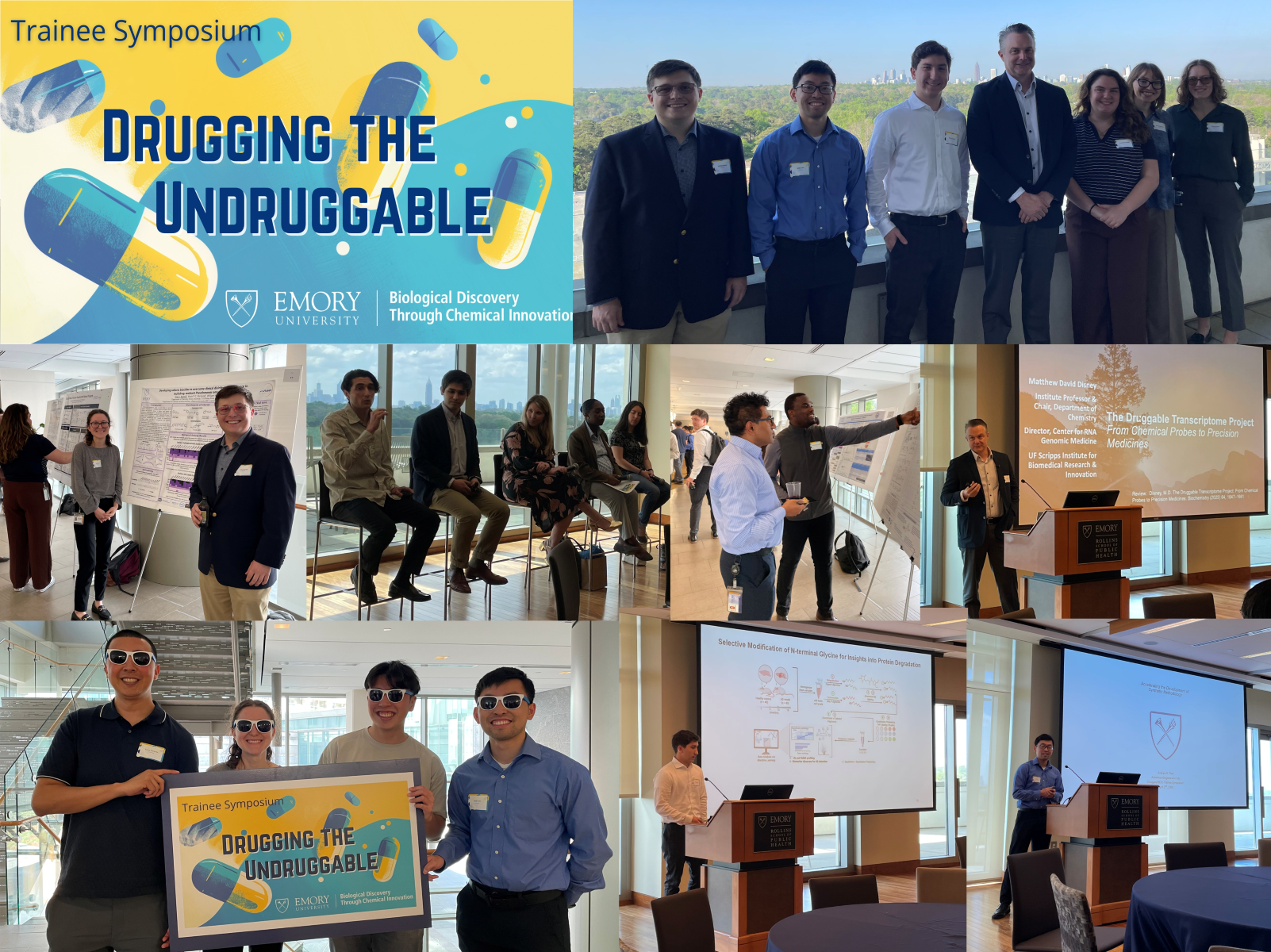
The Biological Discovery through Chemical Innovation (BDCI) training program held its inaugural BDCI Trainee Symposium on April 2nd.
With the theme of “Drugging the Undruggable,” the day brought together Emory graduate students, postdocs, and undergraduates to learn and share discoveries happening at each step of the drug discovery pipeline. The event kicked off with keynote speaker Matt Disney, PhD, from the Herbert Wertheim UF-Scripps Institute for Biomedical Research & Innovation, sharing the breadth of his work targeting the transcriptome in a talk titled The Druggable Transcriptome Project: From Chemical Probes to Precision Medicines. Subsequent talks from trainees and postdocs showcased a spectrum of exciting research happening here at Emory, from basic biology to organic synthesis to chemical methods. The following presentations were delivered by doctoral and postdoctoral trainees in the Emory community:
Riley Hughes, Raj Lab, Department of Chemistry and BDCI T32 Trainee. Selective Modification of N-terminal Glycine for Insights into Protein Degradation
Jose Castro, Sarafianos Lab, Department of Pediatrics. Targeting the SARS-CoV-2 Replication-Transcription Complex: Discovery of nsp13 Inhibitors and Future Structural Insights
Ryan Zenhausern, PhD, Kim Lab, Department of Biomedical Engineering. Bringing RNA Therapies to Hematopoietic Stem Cells in vivo
Chris Monaco, Liotta Lab, Department of Chemistry. 5′-(R)-CH3-FdUMP is a Potent Thymidylate Synthase Inhibitor with Enhanced On-target Activity
Alysha Ellison, PhD, Williams Lab, Department of Pharmacology & Chemical Biology. Oral Cannabidiol Decreases Inflammatory Cytokines and Viral Load During Acute HIV/SIV Infection
Andrew Tran, Ackerman-Biegasiewicz Lab, Department of Chemistry and BDCI T32 Trainee. Accelerating Development of Synthetic Methodology
Ally Su, Fu Lab, Department of Pharmacology & Chemical Biology. Targeting the 14-3-3γ/PIKE-A Axis as a Potential Therapeutic Strategy for Glioblastoma
Binh Vo, Salaita Lab, Department of Chemistry. Enzymatically-Triggered Nanostructure for Tumor-Specific Antisense Oligonucleotide Release
Sebastian Rudden, Dahlman Lab, Department of Biomedical Engineering. A Novel Amino Lipid Series for mRNA Delivery, Validated in Pseudo-Clinical Trials
Following these talks, attendees heard perspectives and advice from a panel highlighting the diverse career opportunities that are available after completing a PhD. Discussion topics included seeking mentorship, cultivating strong networks during graduate study, and ways to position oneself for future work outside the laboratory. The following people served as expert panelists:
Emily Rye, PhD, Vice President, Scientific Services, BOLDSCIENCE
Christian Sanchez, PhD, Assistant Professor of Organic Chemistry, Department of Chemistry and Biochemistry, Samford University
Benjamin Siciliano, PhD, Client Solutions Architect, Certara
Candice Z. Ulmer Holland, PhD, Acting Laboratory Director (USDA-FSIS Eastern Laboratory)
Alicia Lane, PhD, Postdoctoral Fellow, Faundez Lab, Emory University
The symposium concluded with a poster session highlighting research by more Emory trainees working at the interface of chemistry and biology. The panelists served as judges and evaluated the quality of each poster. Congratulations to the award recipients from this event!
Oral Presentations:
First Place: Ryan Zenhausern, Postdoctoral Fellow in James Dahlman and Hyejin Kim’s Labs, Department of Biomedical Engineering
Second Place: Andrew Tran, Graduate Student in Laura Ackerman-Biegasiewicz’s Lab, Department of Chemistry and BDCI T32 Trainee
Poster Presentations:
First Place: Elise Bezold, Graduate Student in Bill Wuest’s Lab, Department of Chemistry
Second Place: Lewis Marquez, Postdoctoral Fellow in Cassandra Quave’s Lab, Department of Dermatology
Best Undergraduate Poster: Nicholas Wong, Undergraduate Student in Dharmeshkumar Patel’s Lab, Department of Pediatrics
We thank everyone for making this event so engaging, and we look forward to seeing you at next year’s symposium!
Authors: BDCI T32 trainee cohort including Andrew Tran, Riley Hughes, Anna Staskiewicz, Jacqueline Smith, Tessa Larsen, and Joshua Hardin
Want to submit an event or announcement in this Newsletter? Email us at newmedicines@emory.edu to get started! |

The Emory Center for New Medicines is thankful for support from the Woodruff Health Sciences Center, Winship Cancer Institute, Emory University School of Medicine, and the Office of Technology Transfer, and enthusiastic engagement from the drug discovery community at Emory.