Human Genetics Dispatch
Spring 2025
|
|
|
|
|
|
Welcome to the Spring 2025 edition of the Department of Human Genetics (DOHG) Dispatch. These are challenging times for biomedical research in the United States. The recent shifts in federal policy regarding research funding have introduced uncertainty, especially around National Institutes of Health (NIH) grants and indirect cost recovery. This ambiguity is generating understandable concern—not only within our department, but across the medical school and university as a whole. While the full impact of these changes is not yet clear, we are taking proactive steps in alignment with Emory's financial mitigation measures. For example, this year’s department retreat will take place on campus rather than at Lake Lanier as part of a broader effort to reduce operating expenses. We will continue to make thoughtful, common-sense adjustments as needed. Above all, I want you to know how deeply I value and support the work you are doing. If you find yourself facing difficult decisions, please don’t hesitate to reach out—I am always available to confer and help navigate the path forward.
On a brighter note, I’d like to recognize Dr. Rossana Sanchez Russo for her leadership in organizing a series of successful events in honor of Rare Disease Day. Our traditional outreach program was expanded with the support of new industry partners— collaboration we hope to grow in the future. Additional highlights included a screening of a documentary on Prader-Willi Syndrome and a virtual symposium exploring hypophosphatasia and the broader history of rare disease advocacy. Thank you, Rossana, and all of you who have participated in these events!
While we acknowledge the uncertainties ahead, I remain confident in the passion, resilience, and brilliance of our DOHG community. Together, we will continue to advance our mission and realize our shared vision.
Peng
|
|
|
|
|
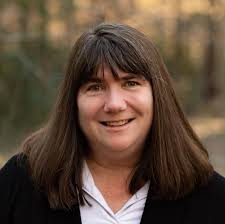
Tamara Caspary started a position as associate dean for strategic projects the Laney Graduate School in February. She plans to strengthen grant-writing support for graduate students, with the goal of preparing them for both federal and foundation funding opportunities.
|
|
|
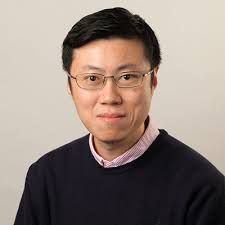
This week, Bing Yao will receive a 2025 Dragon Award for Research Excellence and Collaboration from the Senior Vice President for Research. The Office of Research Administration gives these awards each year to honor faculty investigators who consistently demonstrate exceptional partnership with the ORA and RAS (Research Administration Services).
|
|
|
|
Some sad news: the NextGen high school internship program will not take place this summer. We don't have the same level of external financial support as previous years. Applicants have been notified, and organizers are discussing how to hold some one-day virtual sessions and possibly a college admissions workshop instead.
|
|
|
|
|
|
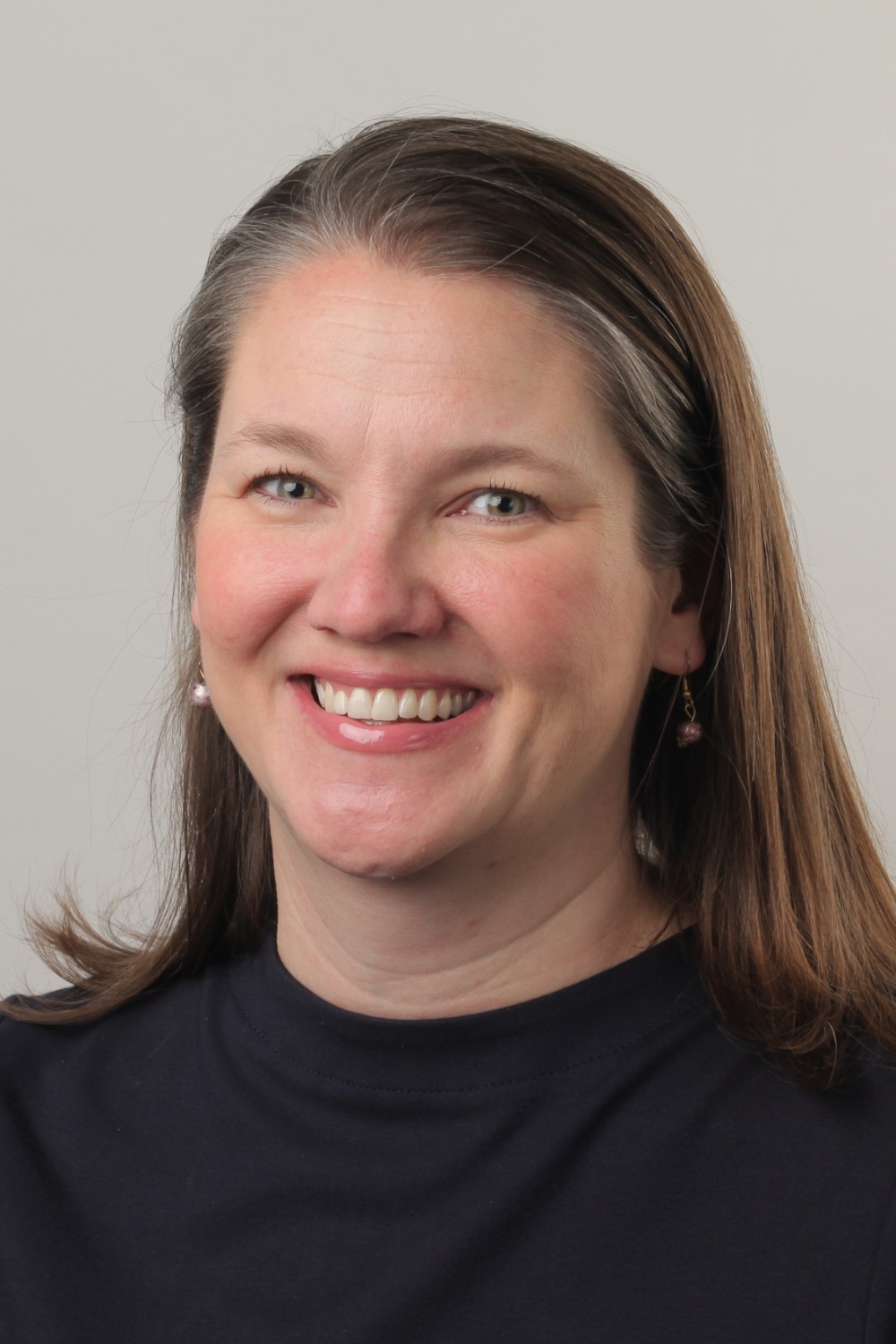
Emily Allen
My research focuses on the genetic epidemiology of fragile X-associated conditions and Down Syndrome. I have used data from self-report surveys, standardized assessments, molecular assays, and environmental risk factors to understand why some individuals experience certain conditions and others do not.
I went to the University of Georgia the first year they offered the Hope Grant. I joined the GMB program here at Emory in 1999, and I graduated in 2004. I wanted to stay in Atlanta after graduation, and the amazing Stephanie Sherman offered to keep me on as a post-doc and later gave me a faculty position, so I never left!
I’m somewhat crafty and artistic. Anyone who has seen my office knows that it is pretty colorful. I like to paint, and I have been doing pottery for several years. I also enjoy reading, and I have been known to watch some trash Bravo TV, but I blame the genetic counseling students for getting me started on that!
|
|
|
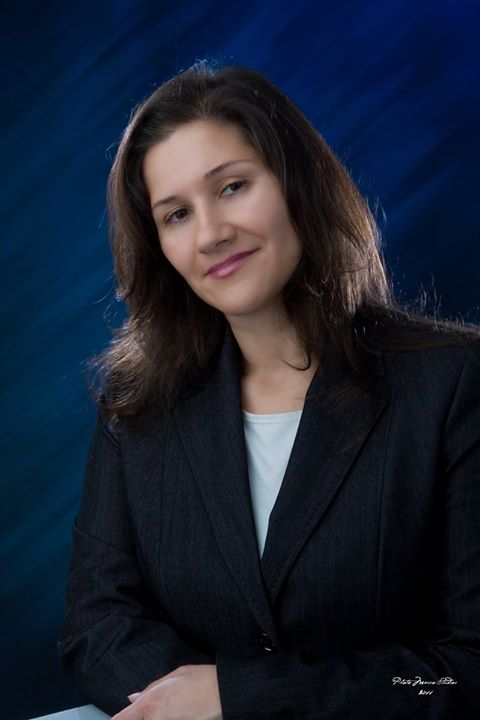
Elizabeth Sablon
I was born in Medellin, Colombia in South America and moved to the United States in 1986. I completed my formal education here in Georgia and have lived in Atlanta since. I am happily married and the proud mother of three amazing children: Juan Felipe who works for General Motors as an Engineer, Lizbeth who is a student at the University of Georgia and Liliana who will be graduating from high school this year. I have been with the department since 2003 and have worked in multiple projects, mainly the Down Syndrome projects. I have a Master of Public Health with a focus in management from Rollins School of Public Health and a Bachelor of Social Work from Georgia State University.
I am currently leading the work on the Long-term Follow-up Pilot Project to address the need for health outcome metrics. This is a project supported by both the Georgia Department of Public Health and Emory’s Department of Human Genetics. I have been focusing on three disorders: very long-chain acyl-CoA dehydrogenase deficiency (VLCADD); medium-chain acyl-CoA dehydrogenase deficiency (MCADD) and severe combined immunodeficiency (SCID). I am interested in the development of programs and finding strategic ways to improve service delivery. My most current publication is called Very-Long-Chain Acyl-Co A Dehydrogenase Deficiency: Family Impact and Perspectives, published in collaboration with genetic counseling student Sarah Crawford and other members of the department.
I love serving the community, traveling abroad and going on mission trips. I also love going for walks on the weekends to Stone Mountain and love to do Zumba at the fitness center.
|
|
|
|
|
|
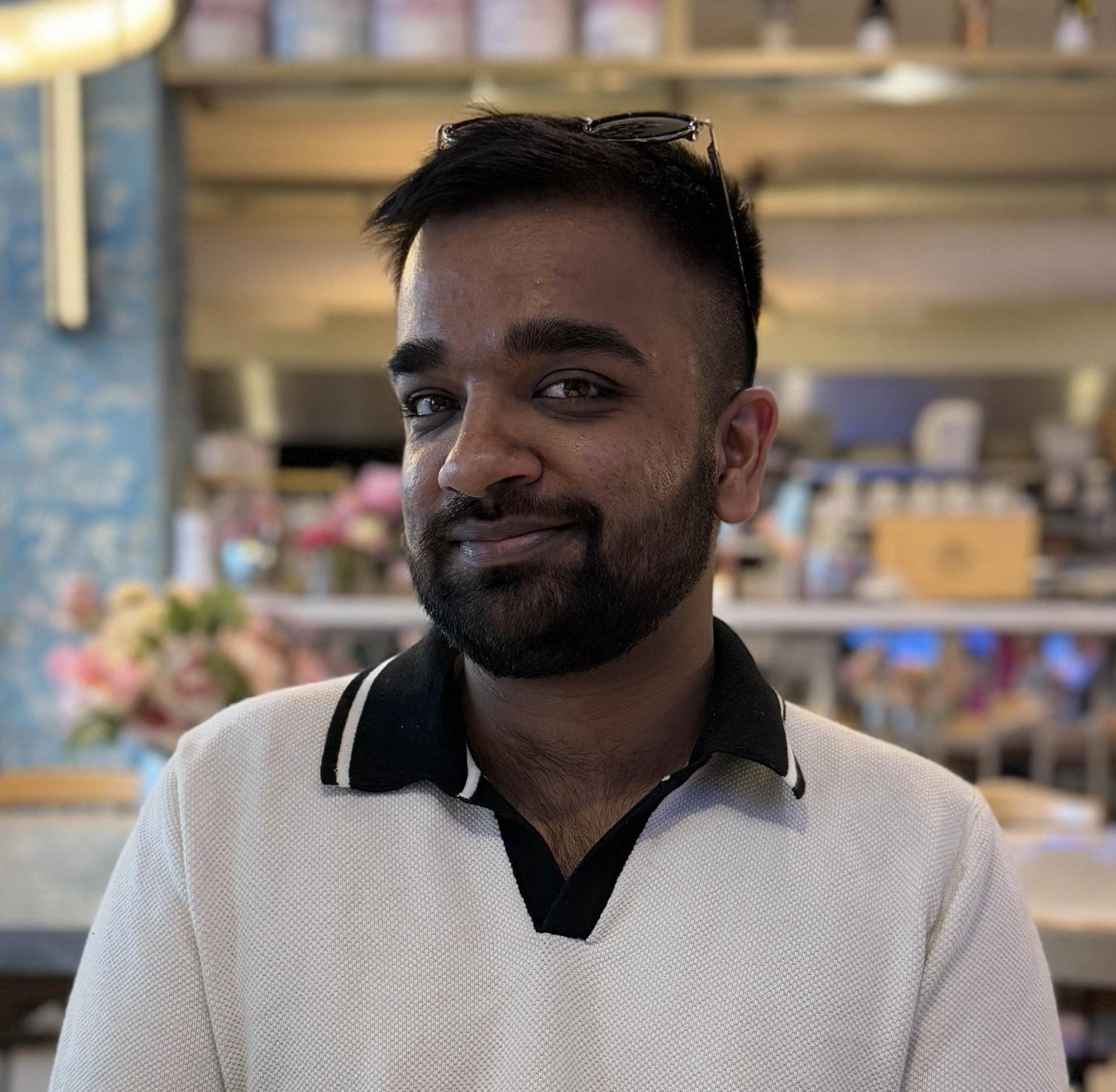
Tarun Bhatia
Tarun originally hails from Mumbai (India) and is a postdoctoral fellow in Steven Sloan’s lab. Tarun received his PhD in Pharmacology from Dr. Rehana Leak’s lab at Duquesne University in Pittsburgh, where he examined chaperone and glial defenses in the alpha-synuclein fibril model of Lewy body disorders. With an interest in continuing his research in glial biology, Tarun joined the Sloan lab in 2022 and has been studying host-tumor interactions in organoid models of glioblastoma. For his postdoctoral work, Tarun recently secured a three-year fellowship from the American Cancer Society (see below) and received a Winship Postdoctoral Scholar Award.
When he's not in the lab, you'll find Tarun on his fourth cup of coffee, working on his never-ending family cookbook project, exploring his favorite restaurants in the Atlanta area, or getting lost in his favorite podcasts.
|
|
|
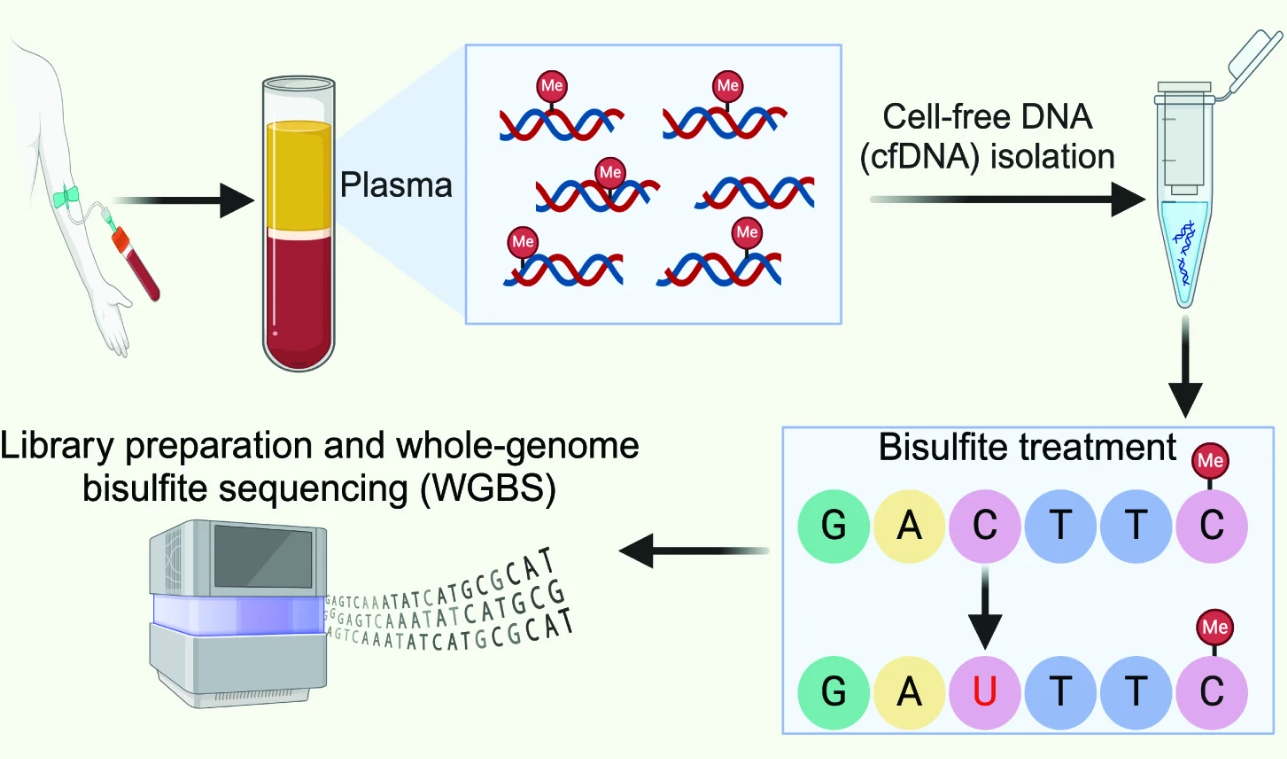
Cell-free DNA for cancer ALS diagnosis
Peng Jin's lab, Yulin Jin first author with several DOHG co-authors
Cell & Bioscience, February 20, 2025
Whole-genome bisulfite sequencing of cell-free DNA unveils age-dependent and ALS-associated methylation alterations
Aberrant methylation patterns in circulating cell-free DNA have emerged as valuable tools for noninvasive cancer detection, prenatal diagnostics, and organ transplant assessment. This same approach could also be used to diagnose neurodegenerative diseases. This paper was a pilot test comparing 10 ALS patients to 38 healthy controls of various ages; part of the analysis was trying to distinguish aging-related from ALS-specific changes.
|
|
|
|
|
|
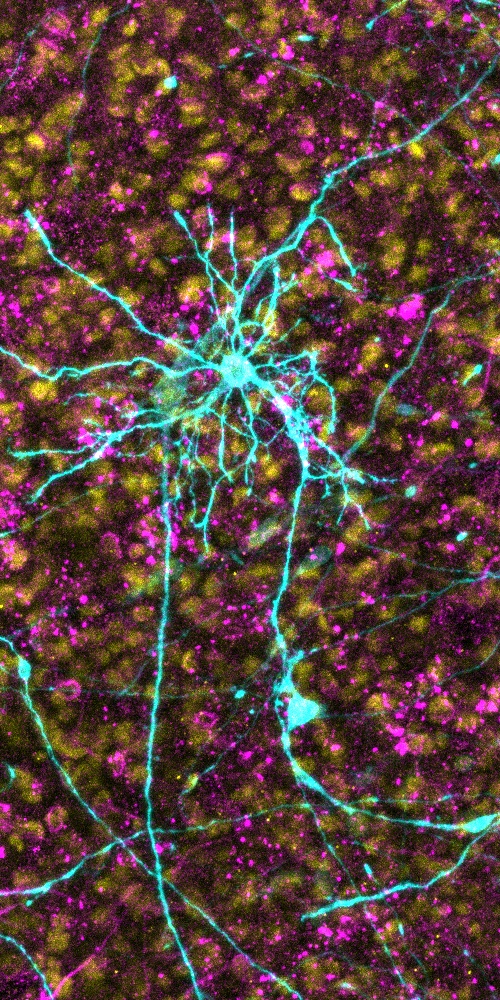
Stalking brain cancer’s shapeshifters – and their healthy counterparts
Nature Cell Biology, January 8, 2025
Caitlin Sojka first author, with several DOHG and Winship co-authors led by Steven Sloan
Mapping the developmental trajectory of human astrocytes reveals divergence in glioblastoma
The Sloan lab shows how astrocytes, which are glioblastomas’ healthy counterparts in the developing brain, appear to go through a previously unidentified maturation state mirrored in glioblastoma tumors. Glioblastoma cells have the ability to transition from resembling one healthy type of brain cell to another, accounting for their resistance to targeted therapies.
Through a collaboration with Winship Cancer Institute neurosurgeons, the authors compared organoid-derived astrocyte cells with glioblastoma cells collected directly from patient tumors. The team analyzed the gene activity patterns in cells from cortical organoids for extended time periods as long as 550 days. This extended time frame allowed researchers to observe how a distinctive set of genes are turned on during an intermediate stage of astrocyte development, as cells transition between dividing progenitors and differentiated states.
|
|
|
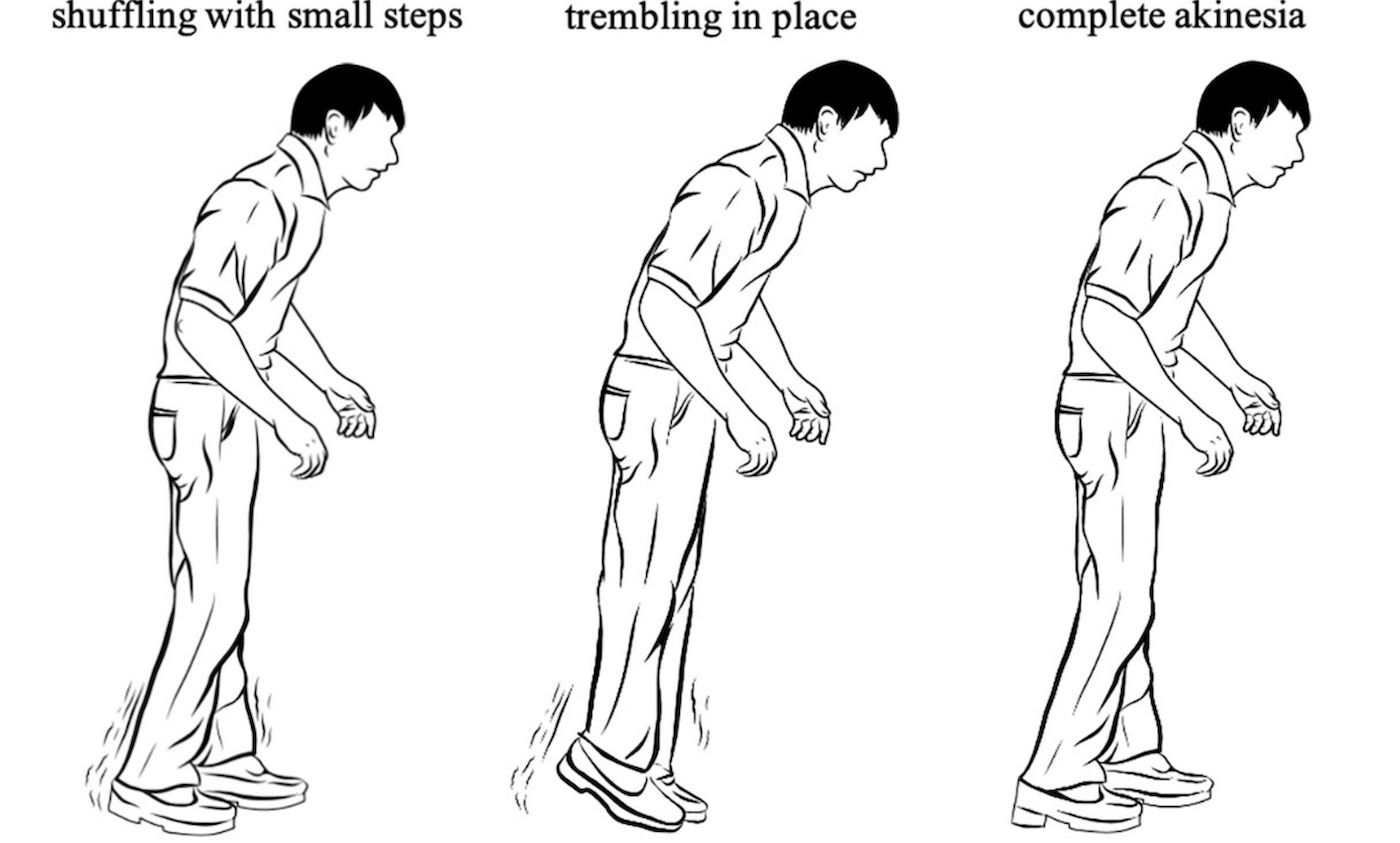
Link between norepinephrine + freezing of gait in Parkinson's disease
Journal of Parkinson's Disease, January 14, 2025
A possible pathway to freezing of gait in Parkinson's disease
David Weinshenker, with Stewart Factor and J. Lucas McKay
An intriguing exploration of the idea that freezing of gait, a perplexing symptom in Parkinson’s disease, may be linked with dysfunction of norepinephrine. Much of Parkinson’s can be connected with dopamine, but the authors propose that freezing of gait could be partly independent and mediated by norepinephrine.
|
|
|
|
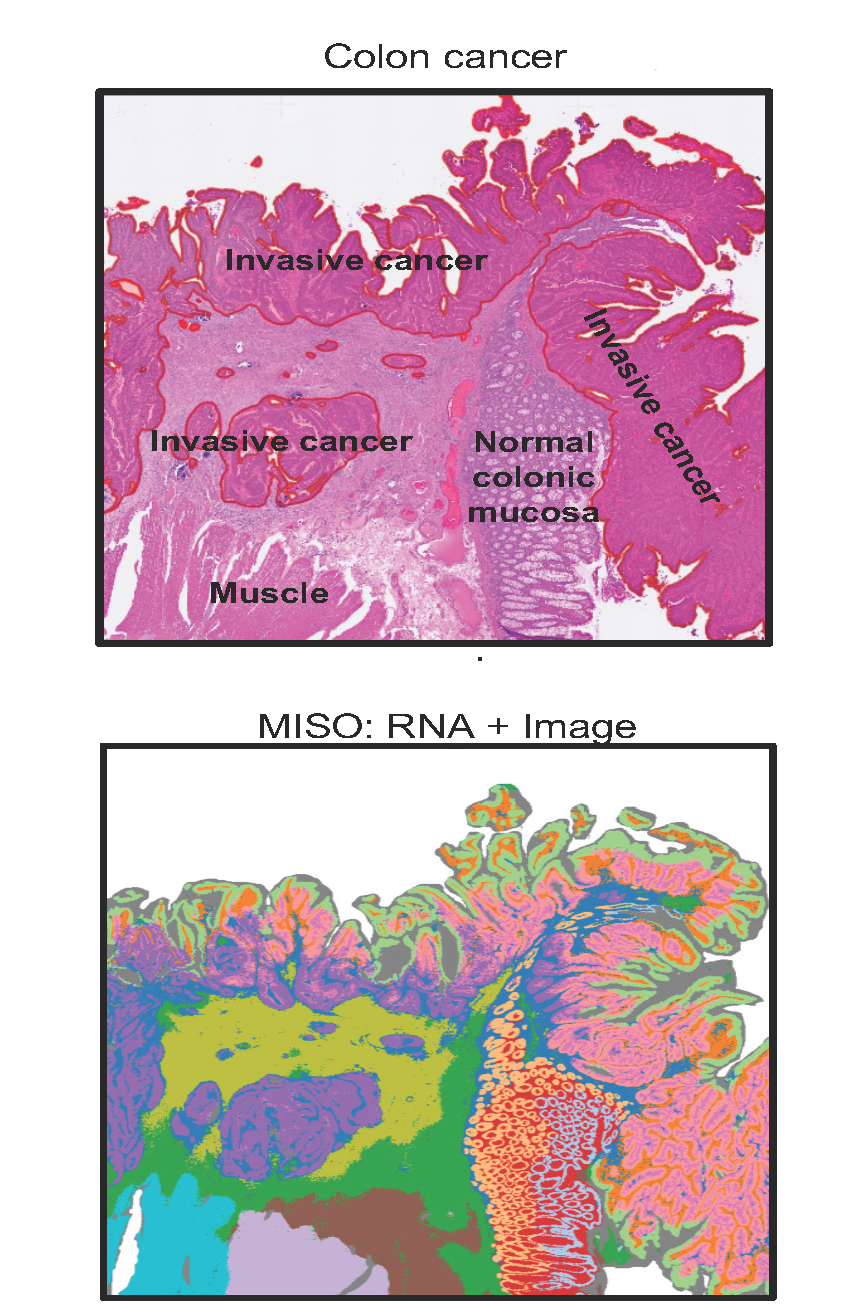
AI-powered tool combines “multi-omics” data to detect tissue structures in cancer
Nature Methods, January 15, 2025
Resolving tissue complexity by multimodal spatial omics modeling with MISO
Jian Hu, collaboration with Mingyao Li's group at Penn
Hu co-developed a cutting-edge AI-powered tool named MISO (Multi-modal Spatial Omics) with capabilities surpassing those of expert human pathologists. MISO can detect immune cells and subtle variations in tumor biopsies, and allows researchers to integrate several types of data, such as histology images, measurements of gene expression, and metabolic activity within cells.
Beyond cancer pathology, the authors demonstrate other uses, such as how MISO can be used to analyze and classify brain cells in a tissue sample. As an unsupervised algorithm, MISO requires user interpretation to link spatial features to biological or disease-relevant structures.
|
|
|
|
Pursuing late-onset Pompe cases
Orphanet Journal of Rare Diseases, January 14, 2025
Dawn Laney and the GCTC team
A study to identify individuals at risk to be affected by late-onset Pompe disease who had previously been given a non-specific or tentative diagnosis for their muscle weakness (Pompe PURSUE)
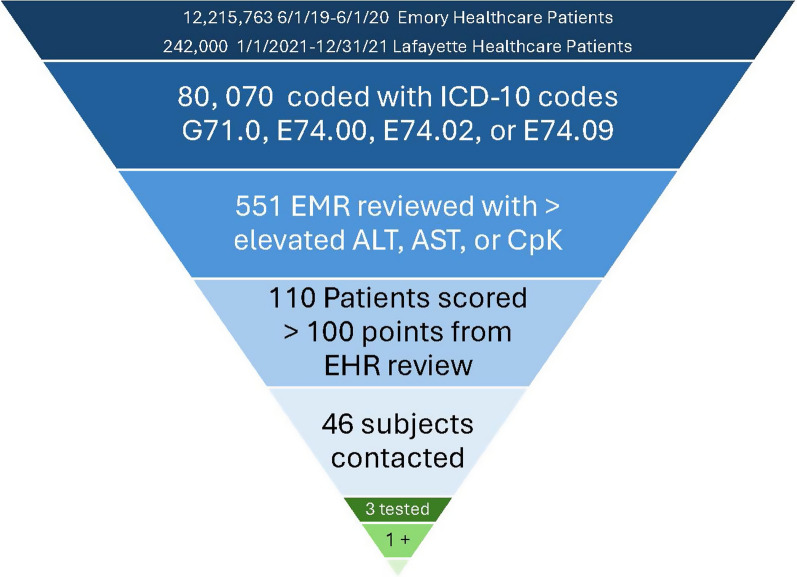
Pompe disease arises from a deficiency in acid-α-glucosidase, leading to accumulation of glycogen in muscle and progressive muscle damage. Late-onset Pompe may be more common than the infantile form, but because newborn screening is not applicable, late-onset cases often get diagnosed with other neuromuscular diseases or conditions. Laney and colleagues wanted to test whether these people could be found in large EHR databases by looking for abnormal lab values. This had actually been done before by her team around 2013.
This time they mined health records from Emory and from Ochsner Health in Louisiana, using a refined scoring tool. Starting with more than 80,000 possibilities, 46 individuals were contacted, three were tested and one with acid-α-glucosidase deficiency was found – unfortunately initial molecular testing was negative. Along the way, another person was identified by their physician who was able to diagnose them correctly, reaching the finish line of two pathogenic variants sequenced.
|
|
|
|
Insights into Fabry progression: don't wait
Journal of Inherited Metabolic Disease, August 14
Prospective characterization of early symptom onset and progression in young pediatric patients with variants in the GLA gene across 5 years: Longitudinal data from the Fabry MOPPet Study
Dawn Laney and co-authors - support from Sanofi/Genzyme
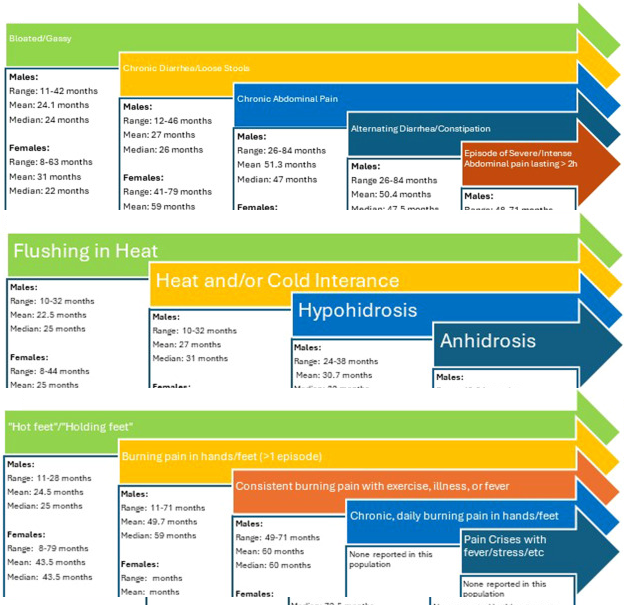
This multi-site study was the first prospective longitudinal natural history study focused on children diagnosed with Fabry disease before age 4. 15 of the 40 participants had classic Fabry, but most had “nonclassic” variants or variants of uncertain significance.
The most common initial symptoms for classic Fabry disease are gastrointestinal, heat intolerance and reduced sweating, with chronic neuropathic pain often appearing later. The authors conclude “it is not necessary to wait for each classic male patient to present with chronic pain or severe abdominal pain before starting primary therapy, “ and starting primary therapy under age 5 based on symptoms and lab data may be beneficial. In contrast, patients with nonclassic FD under age 5 could be managed with a conservative approach, the authors suggest.
|
|
|
|
International perspective on genetic counseling
Genetics in Medicine Open, July 2024
Niharika Jadeja with Nadia Ali, Lauren Lichten
Reflections on my international genetic counseling rotations: Contrasts in practice between India and the United States
Genetic counseling student Niharika Jadeja was able to complete some of her clinical rotations in India, in addition to her experiences in the United States. This wide-ranging essay thoughtfully highlights several issues in which contrasts appear between US and Indian genetic counseling practices. These issues include the higher proportion of VUS in the Indian population because of skewed US/European literature, insurance coverage and financial constraints, newborn screening and abortion availability, and language related to disability. I recommend reading the whole thing!
|
|
|
|
|
|
What do primary care providers really think about genetics?
Rani Singh, with first author Aileen Kenneson
Qualitative assessment of primary care providers' attitudes toward genetic services and genetics education
Journal of Community Genetics, January 8, 2025
PCPs need to understand at least basic genetics to provide optimal care for their patients. But how to get there? This paper compiles the results of a small survey of PCPs in the Southeast United States. The interviews were conducted by Sharanya Iyer and Ami Rosen, and then transcribed and coded independently by Yasmin Thornton and Chelsea Cole.
Some highlights: When PCPs were asked what they thought of when they heard the word genetics, the most common response was cancer, and the most commonly mentioned reason for referral was personal or family history of cancer. Most participants reported barriers to making patient referrals to genetics services. They did not agree on whether PCPs should order genetic tests themselves; a thin majority said yes or sometimes. PCPs expressed an interest in further genetics education, but some also questioned the applicability of genetics to their practices.
|
|
|
|
|
The protein behind Rett syndrome has a gang
GMB graduate student Gaea Dominguez, Yongji Wu and Jian Zhou
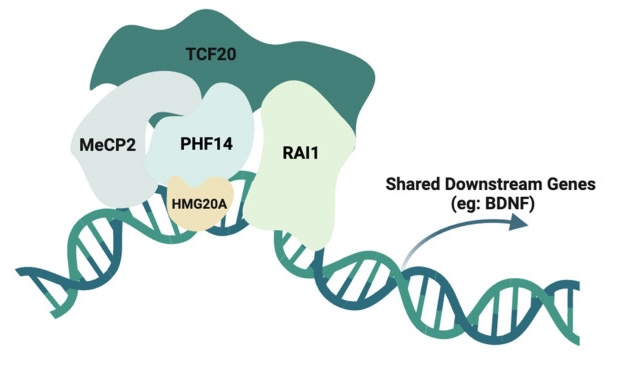
Epigenetic Regulation and Neurodevelopmental Disorders: From MeCP2 to the TCF20/PHF14 Complex
Genes, December 2024
The MeCP2-interacting TCF20/PHF14 complex offers a focused model for understanding a group of neurodevelopmental disorders. Dominguez and colleagues explain the details.
|
|
|
Brief mentions (collaborations)
|
|
|
A long list, reflecting many connections made by our researchers.
High-Sensitivity Fluorescence-Based Detection of Reverse Transcriptase Read-Through of GC-Rich Short Tandem Repeat RNA, Analytical Chemistry, Peng Jin collaboration with Boston College
The Aberrant Behavior Checklist for Fragile X Syndrome: A Qualitative Clinician Evaluation of Content Validity, Journal of Child & Adolescent Psychopharmacology, Walter Kaufmann w/ multi-site authors
Rett Syndrome Behaviour Questionnaire: Variability of Scores and Related Factors, Journal of Child & Adolescent Psychopharmacology, Walter Kaufmann
Human Milk Feeding in Inherited Metabolic Disorders: A Systematic Review of Growth, Metabolic Control, and Neurodevelopment Outcomes, Journal of Inherited Metabolic Disease, Rani Singh + international colleagues
ALS plasma biomarkers reveal neurofilament and pTau correlate with disease onset and progression, Annals of clinical and translational neurology, Zack McEachin w/ Jonathan Glass + Emory ALS Center
Histone H3E50K remodels chromatin to confer oncogenic activity and support an EMT phenotype, Nucleic Acids Research Cancer, Sloan lab contributing to Jennifer Spangle’s lab in Radiation Oncology
ETV2/ER71 regulates hematovascular lineage generation and vascularization through an H3K9 demethylase, KDM4A, iScience, Yunhee Kang collaboration with Changwon Park at Louisiana State
Sustained growth-promoting effects of vosoritide in children with achondroplasia from an ongoing phase 3 extension study, Med, William Wilcox w/ multi-site co-authors
Posttraumatic anxiety-like behaviour in zebrafish is dose-dependently attenuated by the alpha-2A receptor agonist, guanfacine, Behavioral Pharmacology, David Weinshenker collaboration w/ University of Johannesburg
International workshop: what is needed to ensure outcome measures for Rett syndrome are fit-for-purpose for clinical trials? June 7, 2023, Nashville, USA, Trials, Walter Kauffman
|
|
|
New funding awards from the National Institutes of Health have been limited recently by restrictions on grants that do not agree with the policies laid out in the president's executive orders. That's why we are highlighting these two awards from non-governmental sources.
American Cancer Society, Tarun Bhatia, Impact of CNS niche-specific microenvironmental cues on glioblastoma cell fates, Three year fellowship
Bhatia is studying the behavior of patient-derived glioblastoma tissues when engrafted into brain organoids of various flavors: forebrain, midbrain, and hindbrain. The goal is to identify the molecular regulators and signals responsible for proliferation and migration in these environments.
Actio Biosciences, Andrew Escayg, Testing KCNT1 inhibitor
KCNT1 encodes a sodium-gated potassium channel, and mutations in KCNT1 can result in various forms of epilepsy. San Diego-based Actio Biosciences, co-founded by geneticist David Goldstein, is developing a KCNT1 inhibitor called ABS-1230. Clinical trials for this compound have not started; the Escayg lab is testing ABS-1230's ability to reduce seizures in the animal models of epilepsy they have experience with.
|
|
|
|
|
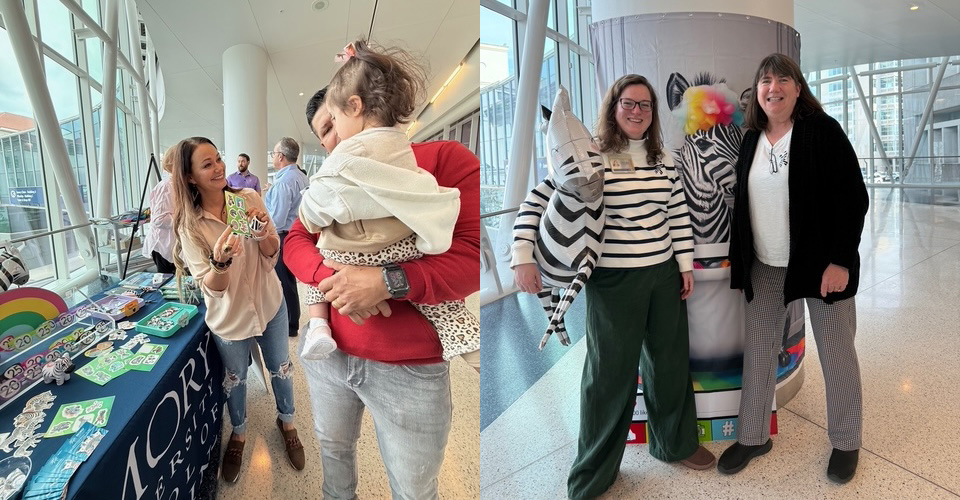
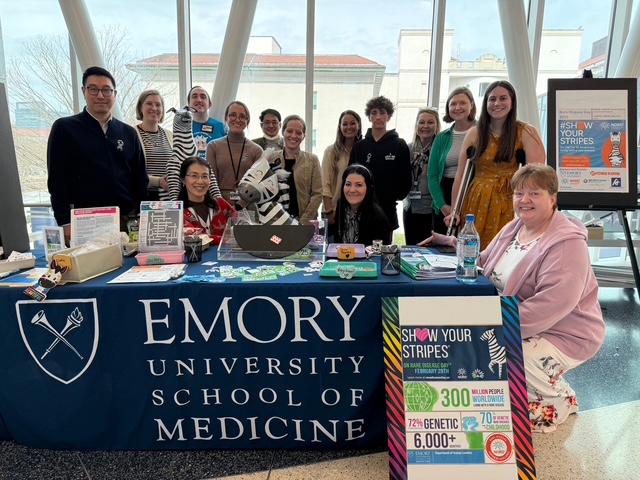
The Division of Medical Genetics prepared for Rare Disease Day with an outreach event, complete with many zebras, at Emory University Hospital.
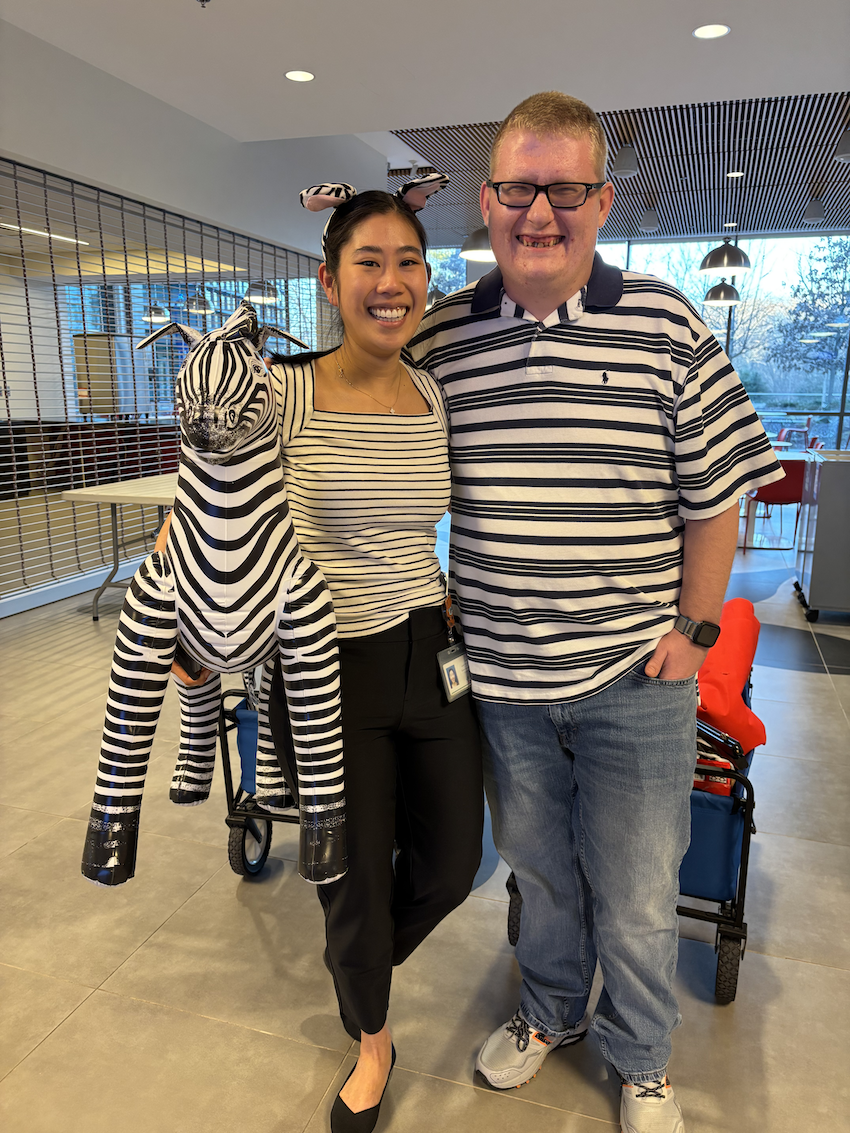
On the actual day, we hosted a screening of the Prader-Willi documentary "The Life You're Given." Made by parents Jay Coggeshall and Susan Denoch over the course of decades, the documentary was both deeply sympathetic to its subject Sophie and unflinching when it came to the behavioral management of Prader-Willi syndrome. Thanks to genetic counseling student Lauren Wilson for organizing.
Members of the Georgia chapter of the Prader-Willi Association, including Kyle Galloway, seen on the left with Jean Luan McColl, were able to join us.
|
|
|
Virtual Symposium
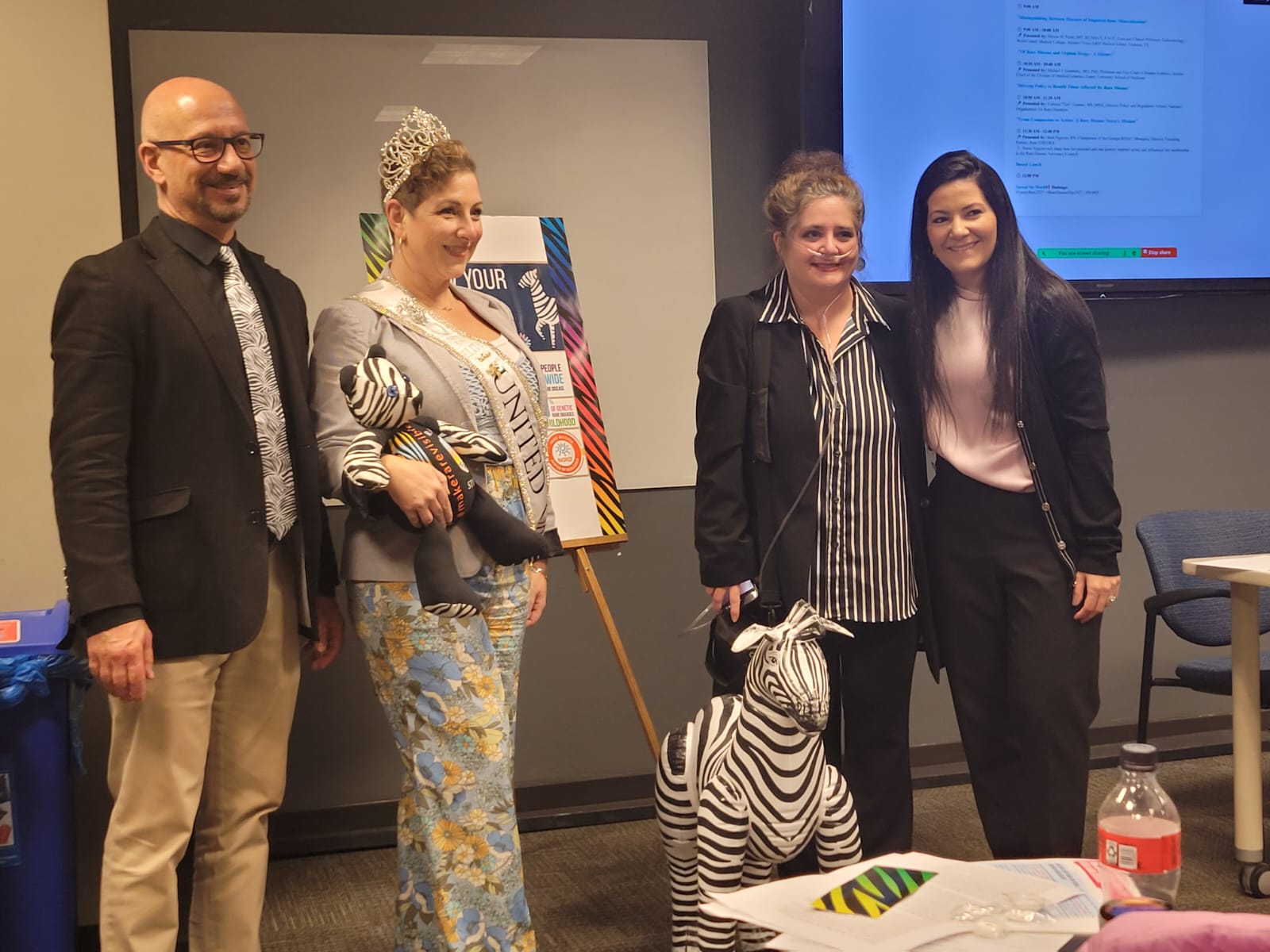
Our guests included Trena Myers, CEO of Rare Wish, and Beth Nguyen, chair of Georgia's Rare Disease Advisory Council (here flanked by Drs Gambello and Sanchez).
|
|
|
|
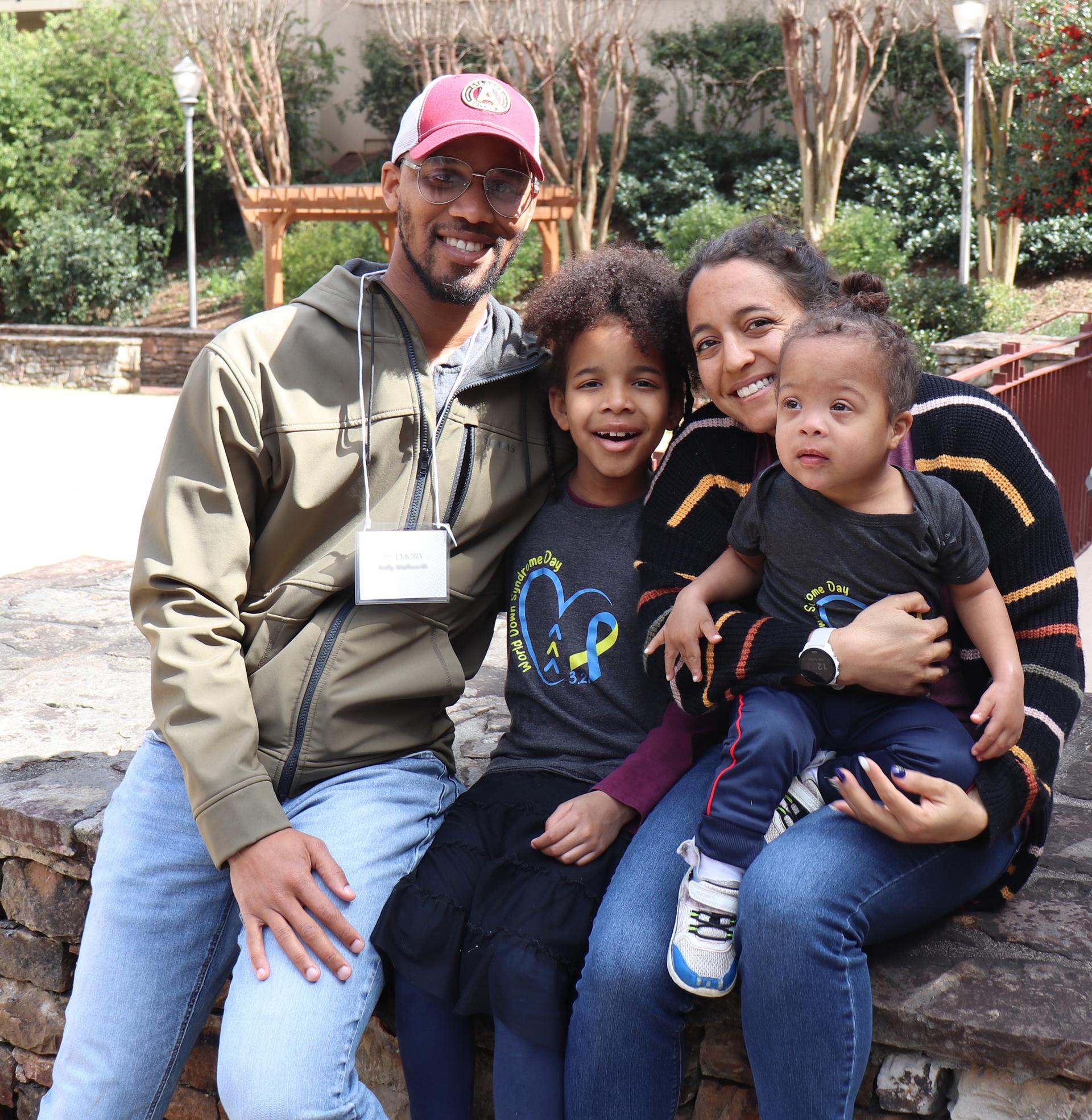
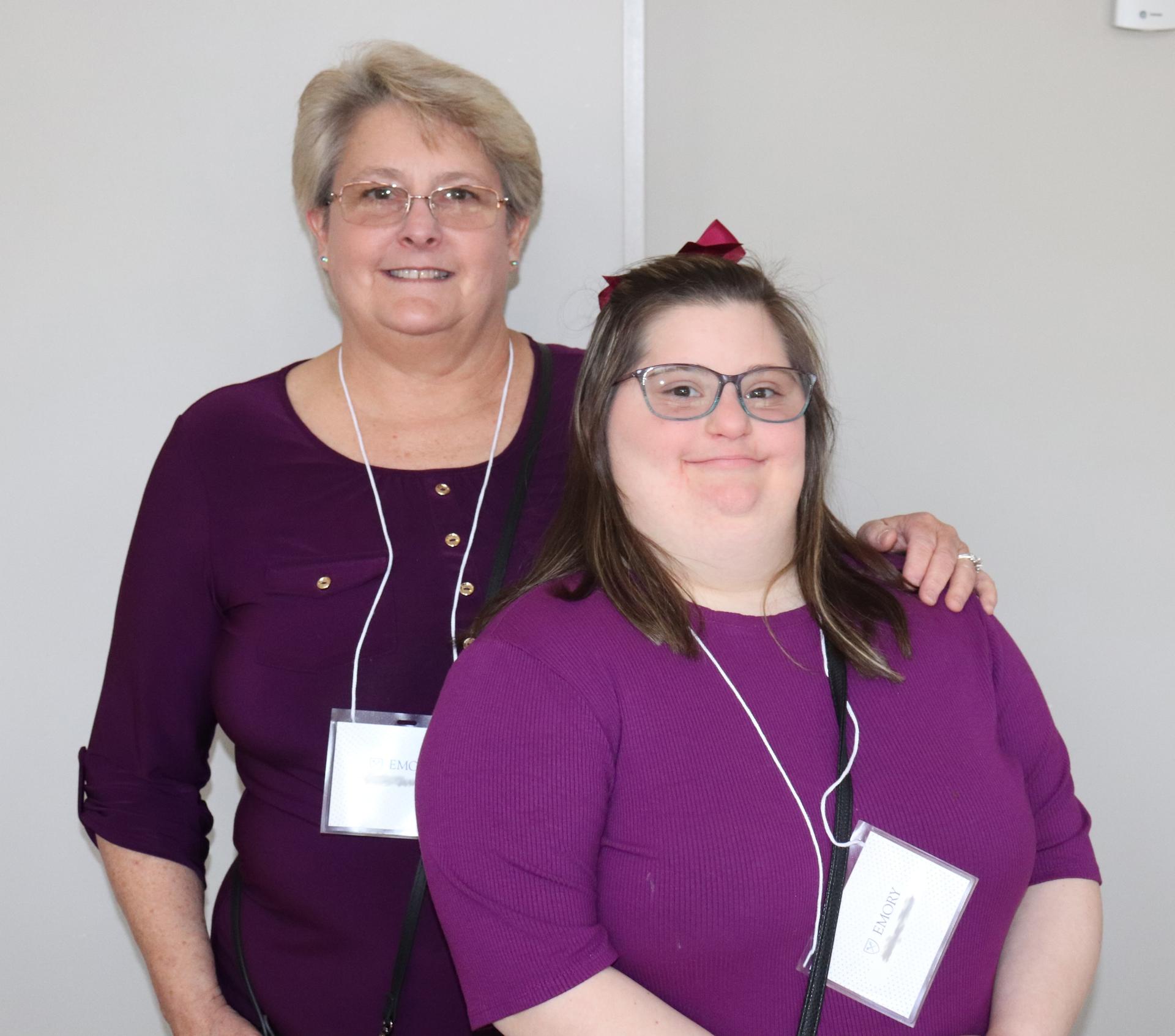
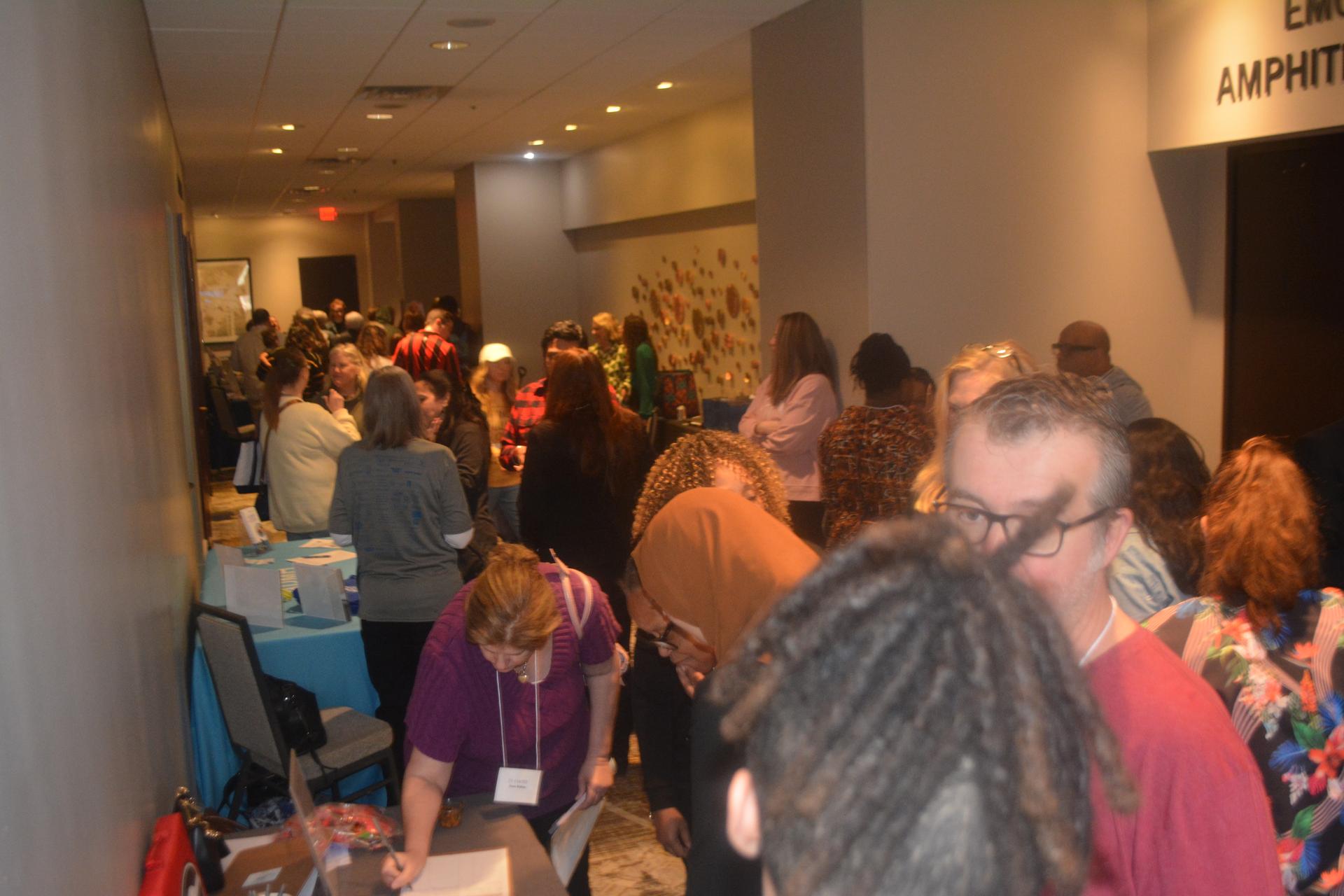
The Down Syndrome Center hosted a research conference for families on March 8 at the Emory Conference Center, organized by Tracie Rosser and Helen Smith. The conference was primarily supported by the Yellow Crayon Fund, with additional support from the Sidney family, in memory of Megan Sidney, who passed away in her early 40s from complications of Alzheimer's disease. The event featured a range of expert speakers who shared valuable insights on various topics related to Down syndrome. The keynote speaker, Taylor Freeman, a young woman with Down syndrome, captivated the audience with her discussion on self-advocacy (photo right -->).
The topics covered included recent research advances and clinical trials; advocacy, research and community resources:, potty training strategies; aging and Alzheimer’s disease; trisomy 21 and heart issues; mental health; sleep apnea and strategies to achieve better sleep; adult disability medical healthcare; and early intervention and development in infants with Down syndrome. Several of these speakers were bilingual and will be offering webinars in Spanish through the Down Syndrome Association of Atlanta for Spanish-speaking families who have a child with Down syndrome.
A highlight of the conference was a heartfelt moment when Amy Talboy, one of the speakers, received a round of applause for her candid acknowledgment of the often-frustrating experiences that people with Down syndrome and their caregivers face when visiting physicians. The conference also provided families with a wealth of up-to-date information and tools, ensuring they left with greater knowledge and resources to support their loved ones.
|
|
|
|
Thank you for your attention
Comments or edits for this newsletter, or suggestions for the next one: contact Quinn Eastman qeastma@emory.edu
|
|
|
|