CONTINUUM
September edition of CNM's CONTINUUM newsletter
In the September 2026 issue (click to jump to sections):
📢 APPLICATIONS OPEN: 2027 CNM Therapeutic Advancement Awards!
🩸September is Blood Cancer Month
🧑🔬 Industry Therapeutic Pipeline Updates: A New Era for Narcolepsy
🔍 LOBP Seeking Staff Scientist
✉️ Contact Us
Deadline Approaching:Therapeutic Advancement Awards |
CNM is now accepting pre-applications for the next cohort of CNM Therapeutic Advancement Awards. These awards are uniquely designed to facilitate the rapid translation of promising, early-stage drug discovery projects at Emory. Successful projects will receive clinical guidance, access to enabling resources and expertise, project management, IP coaching, and strategic funds to drive quality asset creation and maturation (see below for details).
Click HERE to learn more and apply today!
The 2027 funding call is disease-agnostic, seeking promising (i.e. well-established disease biology and mechanistic insight) early-stage drug discovery projects, including:
Assay development and miniaturization
High-throughput screening and hit identification
Lead optimization (medicinal chemistry)
Preliminary pharmacological analyses
Through the financial and programmatic support provided, CNM aims to advance both the progression of projects towards the clinic as well as the value of their intellectual property at each stage of the pipeline. Emerging modalities will also be considered.
Application deadline: September, 15th 2026
If you have questions, or have a project you would like to discuss, please email us at newmedicines@emory.edu or click here to set up a time to meet with us.
Did You Know? |
🩸September is Blood Cancer Awareness Month 🩸
September marks blood cancer awareness month - recognizing patients and families around the world affected by leukemia, lymphoma, myeloma, and other blood cancers. It is also a time to highlight new discoveries from blood cancer researchers working at the cutting-edge of treatments for these devastating disorders.
Emory’s Winship Cancer Institute is a global leader in blood cancers, including a world class multiple myeloma program, led by Winship’s Chief Medical Officer, Sagar Lonial. Read more about their important work, including their leadership in a recent FDA approval for multiple myeloma treatment here.
Industry Therapeutic Pipeline Updates |
Daraxonrasib Receives FDA Approval
On August 26, 2026, the FDA approved Daraxonrasib (brand name Rasonque), Revolution Medicines' first-in-class, oral, pan-RAS targeted small molecule inhibitor for metastatic pancreatic adenocarcinoma. For more on Daraxonrasib, see our June issue.
OX2R Agonists: A New Era for Narcolepsy
2026 continues to see the approval of several transformative, first-in-class therapeutics that are reshaping treatment standards for patients worldwide.
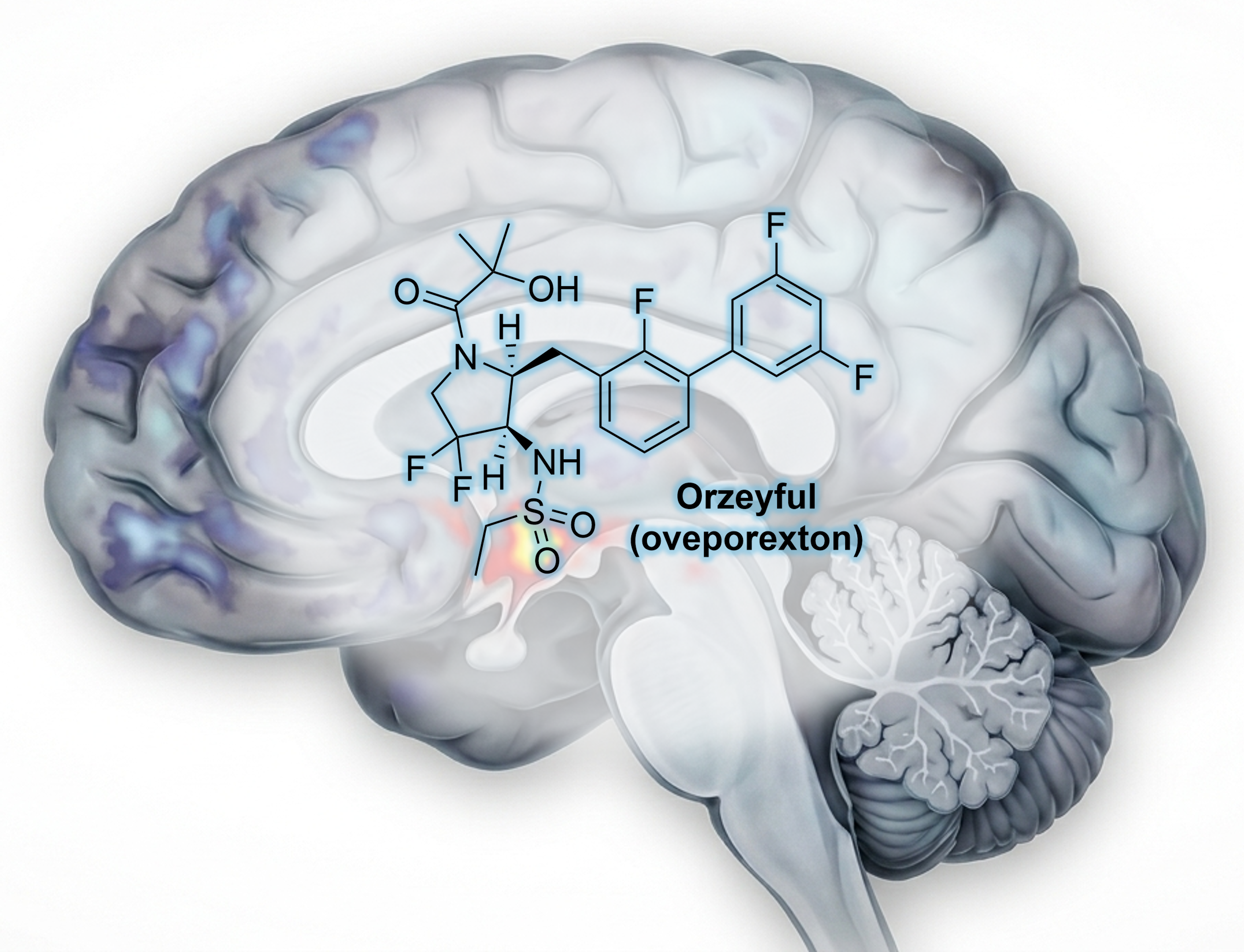
August 5th was no exception, marking the FDA approval of Orzeyful® (oveporexton, also known as TAK-861), an oral, small molecule, first-in-class, orexin receptor 2 (OX2R) agonist for the treatment of narcolepsy type 1 (NT1), a rare, debilitating, and chronic neurological sleep disorder.
Prior to this approval, treatment options for NT1 were limited to addressing individual symptoms — excessive daytime sleepiness, cataplexy, sleep paralysis and hallucinations (hypnagogic or hypnopompic) — rather than the underlying biological driver of this disease. Standard treatment options included wakefulness-promoting agents such as modafinil and pitolisant, and central nervous system depressants such as sodium oxybate, all of which offer only partial symptomatic relief and, in the case of sodium oxybate, carry high abuse potential. In contrast, Orzeyful is the first treatment able to address NT1 as a complete disorder by targeting its underlying pathophysiological driver: orexin deficiency.
Orexin, an endogenous peptide produced by neurons in the hypothalamus, regulates the sleep-wake cycle in healthy individuals by activating OX2R, a G-protein coupled receptor highly expressed in the brain. However, in patients with NT1, these orexin-producing neurons are depleted — hypothesized to be an autoimmune response — leading to a marked deficiency of orexin in the brain and an inability to effectively regulate wakefulness.
Orzeyful, developed by Takeda, compensates for this deficiency directly, crossing the blood-brain barrier and activating OX2R even in the absence of endogenous orexin. The effectiveness of this compensatory mechanism of action was demonstrated in two pivotal randomized, double-blind, placebo-controlled phase III clinical trials, known as the FirstLight (NCT06470828) and RadiantLight (NCT06505031) trials. Across both studies, patients on Orzeyful reported significant improvements across the full specturm of NT1 symptoms relative to placebo, with no serious treatment-related adverse events.
While the approval of Orzeyful has meaningfully expanded the arsenal of therapeutic options available to NT1 patients, Takeda and other pharmaceutical companies believe that this new class of orexin receptor agonists has broader applicability with the potential to address other neurological and neuropsychiatric disorders.
Alkermes is one such company, with a pipeline that includes three OX2R agonists — alixorexton, ALKS 4510, and ALKS 7290 — in clinical development for NT1, NT2, idiopathic hypersomnia, attention-deficit hyperactivity disorder (ADHD), and fatigue associated with multiple sclerosis and Parkinson’s disease. Pharmaceutical giant Eli Lilly also has skin in the game, having recently acquired Centessa Pharmaceuticals for its OX2R agonist portfolio, including cleminorexton (formerly ORX750), its flagship candidate in Phase 2 studies for NT1, NT2 and idiopathic hypersomnia, with the rest of the portfolio aimed at broader neurological, neurodegenerative and neuropsychiatric disorders.
While these broader applications are still largely investigational, the potential for OX2R agonists to redefine the treatment landscape for various neurological disorders makes this an exciting moment for the field. We look forward to seeing the outcomes of these clinical studies.
Author: Nicole Pribut, CNM Assistant Program Director
Upcoming Events |

Lace up your sneakers! CNM is building a team to take on the2026 Winship 5K and we want you to join us!
CNM 5K team members will receive a team t-shirt (see above) and bragging rights for achieving our fundraising goal 💪
The Race will take place on Saturday, October 3rd (in-person and virtual participation). Click HERE to learn more and join our team today!
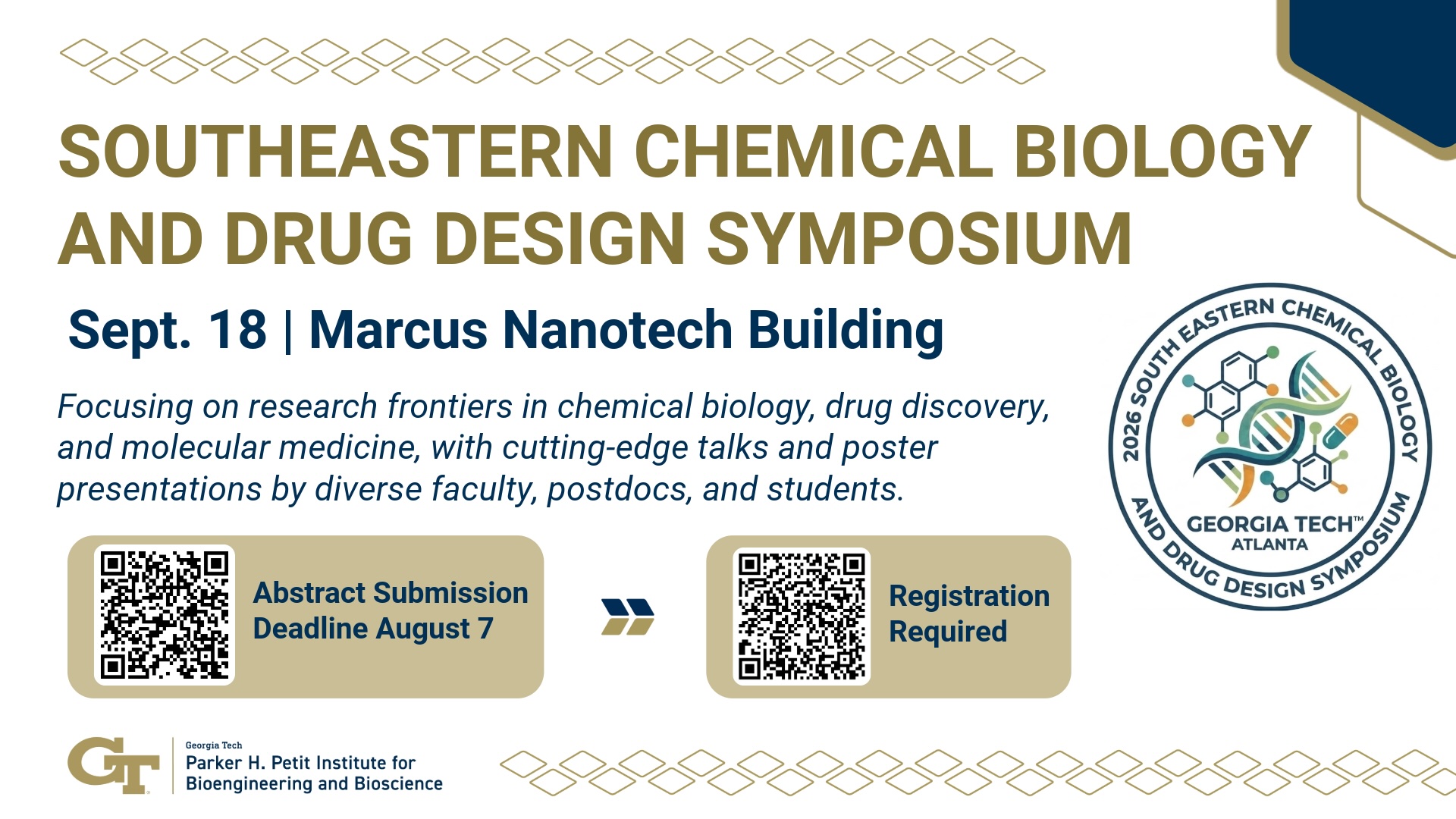
Registration is still open for the annual Southeastern Chemical Biology and Drug Discovery Symposium, happening September 18th at Georgia Tech. This year's keynote speaker is Sara Burhlage, PhD (Dana-Farber Cancer Institute, Harvard Medical School).
Click HERE for registration & abstraction submission (register today before it fills up!)
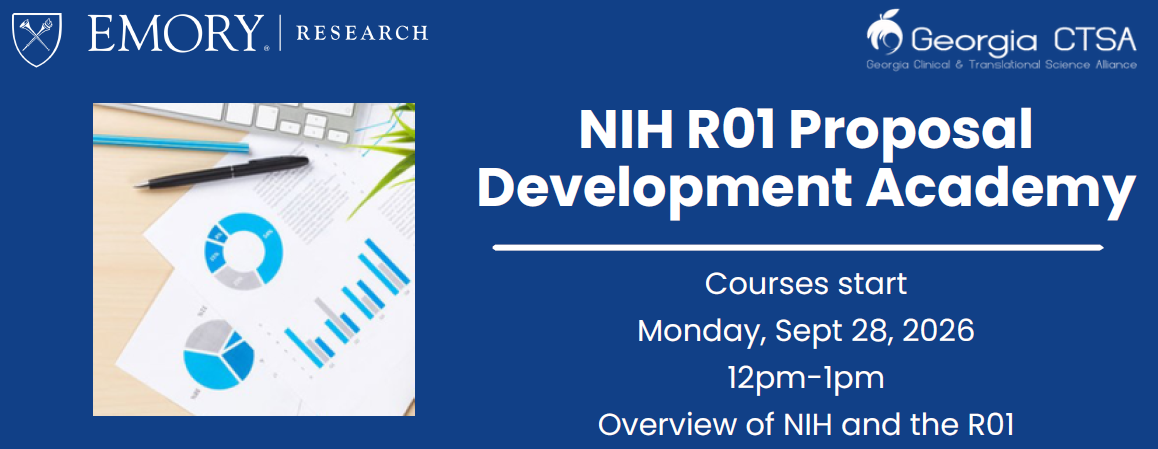
The Emory Office of Research Development (ORD) has announced the launch of the NIH R01 Proposal Development Academy, a professional development opportunity designed to support investigators as they prepare for one of the NIH's most widely used funding mechanisms. The academy is intended to help participants strengthen their grantsmanship skills, gain insight into the proposal development process, and build confidence in preparing competitive applications.
Whether you are exploring your first R01 submission or looking for structured guidance as you develop a future application, this program offers valuable resources and expert perspectives to support your research goals. Faculty who are planning to pursue NIH funding in the coming year are especially encouraged to consider participating.
Register here: NIH R01 Proposal Development Academy Registration
If you have questions, please contact Kimberly Eck at keck@emory.edu.
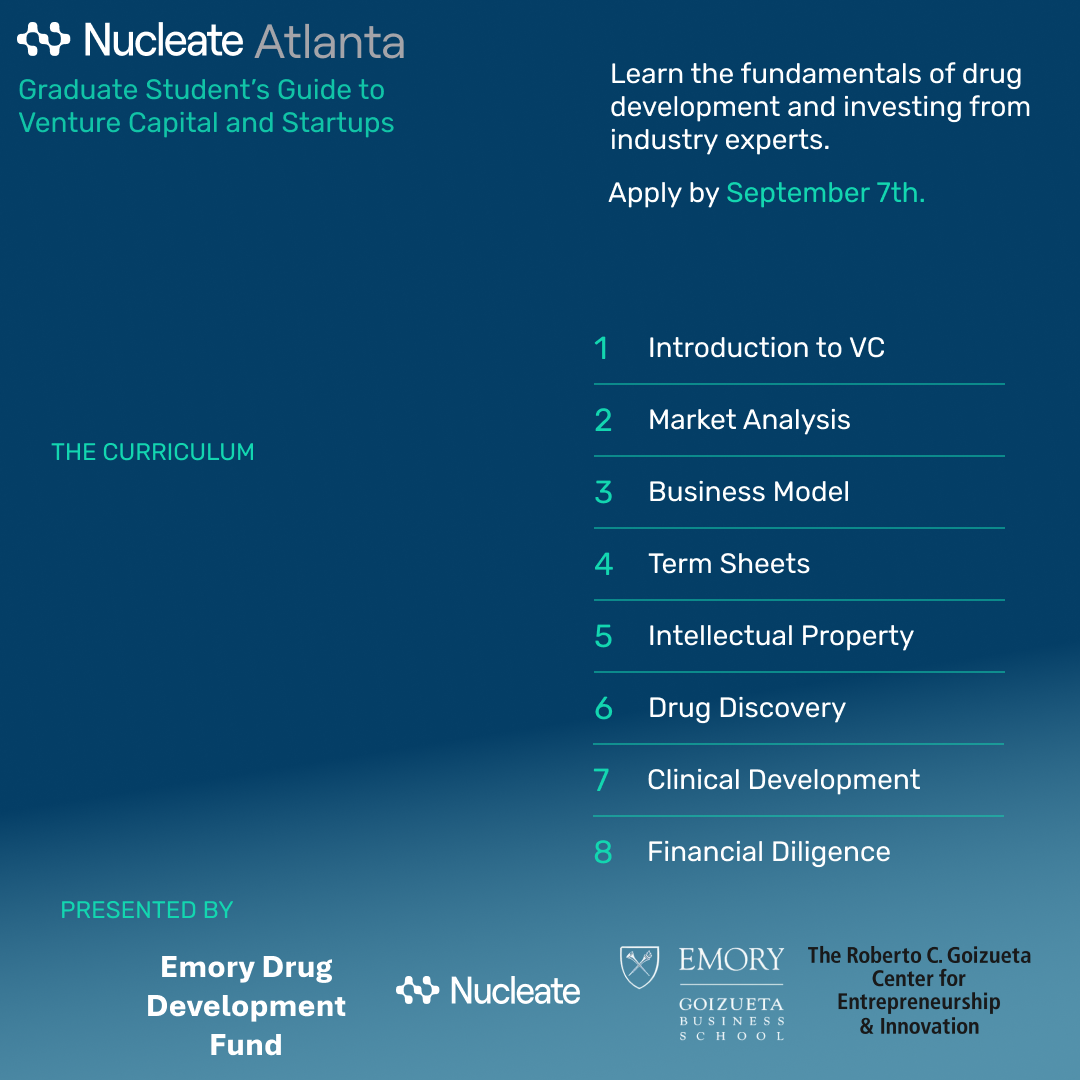 A Graduate Student's Guide to Venture Capital and Startups - Applications Open
Nucleate Atlanta is launching the inaugural Graduate Student’s Guide to Venture Capital and Startups program, in partnership with the Emory Drug Development Fund (EDDF) and the Roberto C. Goizueta Center for Entrepreneurship & Innovation.
This 8-week program is built for graduate-level trainees (PhDs, MBAs, JDs, postdocs) and early-career professionals curious about drug development and investment due diligence. Through weekly 90-minute modules, fireside chats, and a hands-on project, participants will learn the fundamentals of venture capital and due diligence for early-stage drug development technologies. Attend live in Atlanta or virtually via Zoom.
Did we mention that you can also get a certificate in recognition of the skills you've developed at the conclusion of this program?
Two ways to get involved:
Indication Team Lead (5–8 hrs/wk) — leads a team through their final project, manages deadlines, and communicates with program leadership
Certificate Participant (3–5 hrs/wk) — contributes substantially to a disease indication landscape project as part of a team
Teams will evaluate a disease indication landscape aligned with EDDF's investment thesis and present their final work to the EDDF team, with feedback from the managing director and other investors. Participants completing at least 80% of modules and contributing substantially to the final deliverable earn a certificate.
This application has been extended for this newsletter; please submit ASAP.
Apply by 11:59 PM ET on September 9, 2026 → Apply here
Just want to sit in on the modules? You don't have to commit to a full team project to benefit from the program. Follow Nucleate Atlanta on LinkedIn for weekly Zoom links to attend individual sessions; no application required.
Questions? atlanta@nucleate.org
Other Opportunities |
LOBP Seeking Staff Scientist (Computational Chemistry)
The Laboratory of Biochemical Pharmacology (LOBP) at Emory is seeking a highly motivated Staff Scientist with expertise in computational chemistry and molecular modeling to join the group. The successful candidate will apply a range of advanced computational approaches to design molecules and guide library development in support of multiple drug discovery programs. This is a full-time staff position with annual renewal based on satisfactory research progress and availability of funding.
If you are interested in learning more, please contact Dr. Dharmeshkumar Patel directly at dharmeshkumar.j.patel@emory.edu.
Trainee Highlights |
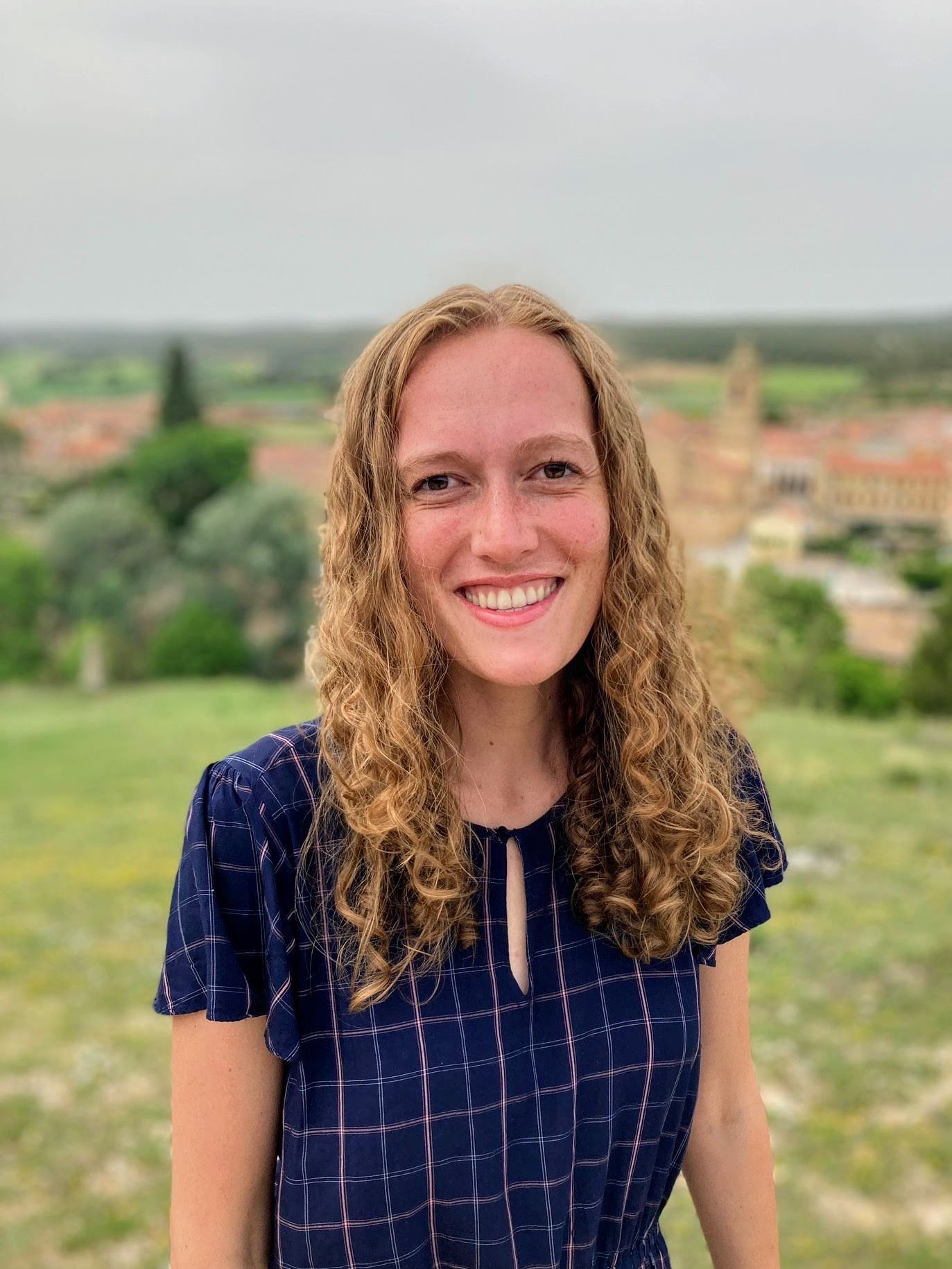
 | The BDCI TP welcomes new trainee, Reed Boduch!A newly minted 2nd year in Haian Fu’s lab in the MSP graduate program, Reed’s work aims to identify small molecules that suppress mutation-driven cancer signaling through targeted modulation of protein-protein interactions. Originally from upstate New York, Reed earned his undergraduate degree from Siena University. His favorite molecule is the recently FDA-approved Daraxonrasib and his favorite part about Atlanta is Piedmont Park. Outside of lab, Reed enjoys skiing. Something you might now know about him: He grew up in a town with more cows than people 🐄 Welcome to the BDCI T32, Reed! |
Congratulations to BDCI TP trainee, Tessa Larsen!
New F31 loading...Tessa Larsen, a 3rd year BCDB student in Graeme Conn’s lab, recently activated her NRSA F31 award, “Substrate selectivity and inhibition of the Pseudomonas aeruginosa MexXY efflux system.” We are so proud of her for receiving this prestigious fellowship and wish her all the best! |
|
BDCI Training Program Fall '26 Lunches at the Interface sessions
This professional development workshop series is designed to train the next generation of rigorous, ethical and "bilingual" interdisciplinary scientists, presented in a casual, discussion-based environment.
Event Details for Upcoming Sessions:
Date: Friday, October 2nd
Time: 12:00 - 1:30 PM
Location: E363, Emerson Hall, Emory Chemistry Department (3rd Floor)
Presentation: Say What? Establishing common language in interdisciplinary collaborations. Discussion led by Jenn Spangle, PhD, Associate Professor in Radiation Oncology & Monika Raj, PhD, Associate Professor in Chemistry.
📆 Click HERE to RSVP
Want to submit an event or announcement in this Newsletter? Email us at newmedicines@emory.edu to get started! |

The Emory Center for New Medicines is thankful for support from the Woodruff Health Sciences Center, Winship Cancer Institute, Emory University School of Medicine, and the Office of Technology Transfer, and enthusiastic engagement from the drug discovery community at Emory.