CONTINUUM
June 2026
We are thrilled to present the June issue of CNM's monthly newsletter, CONTINUUM! Drug discovery is an iterative, integrated continuum of activities ranging from target identification and validation to lead optimization, preclinical, and clinical testing. This approach merges chemistry, biology, and medicine with technologies like AI to accelerate discovery and improve success rates from bench to bedside. CNM exists to support and enable Emory researchers and clinicians to achieve their translational goals across this continuum - we look forward to working with you! Email us any time at newmedicines@emory.edu.
In this issue (click to jump to sections):
💡 View From the Top: A Message from Allan Levey
📢 COMING SOON: 2026 CNM Competitive Project Selection
💊 Industry Therapeutic Pipeline Updates
🧠 Reflecting on Alzheimer's and Brain Awareness Month
🧬 Trainee Highlights: T32 Trainees Visit U. Michigan!
✉️ Contact Us
View from the Top |
A Message from Allan Levey, Director of Emory Goizueta Brain Health InstituteJune is Alzheimer’s and Brain Awareness month, so we are delighted that this month’s Continuum has a special emphasis around Alzheimer’s drug discovery and development efforts. Alzheimer’s disease and related neurodegenerative disorders are among the most pressing—and stubbornly difficult—challenges in modern medicine. |
|

More than 55 million people worldwide live with dementia today, a number projected to nearly triple by 2050. Behind every statistic is a person losing memories, identity, and independence, and a family bearing that loss. Despite decades of research, our therapeutic toolkit remains sparse. Anti-amyloid antibodies mark meaningful progress, but they modify disease rather than halt it—and reach only a fraction of those who need them. For Parkinson’s disease, ALS, frontotemporal dementia, and the wider spectrum of related neurodegenerative conditions, the gap between what patients need and what medicine can offer remains extreme.
Closing that gap will require more than incremental advances. It demands a new approach—one that begins with the patient and works backward through the biology. That conviction sits at the heart of the Center for New Medicines. Under the leadership of Drs. Haian Fu and Dennis Liotta, the Center brings together leading clinicians, chemists, structural biologists, neuroscientists, and translational scientists united by a single commitment: to identify the unmet clinical needs that matter most and pursue the science that can meet them.
There has never been a better time to bring together the great strengths in drug discovery and neurodegenerative disease clinical and research programs at Emory. Clinical insight sharpens scientific questions; bench discoveries gain a clearer path to patients. Emory is one of the only institutions in the country with centers for Alzheimer’s, ALS, and Parkinson’s disease, each providing outstanding care for thousands of patients annually, and partnering with them for research that has made Emory a global leader for discovery of new therapeutic targets and biomarkers for these diseases. Much of this translational work occur via collaborative teams leading large NIH funded research projects in the Center for Neurodegenerative Disease and Goizueta Brain Health Institute. We are thrilled to see the Center for New Medicines join this effort and help make Emory the place where urgently needed new medicines are discovered.
Allan Levey, MD, PhD, Professor of Neurology; Founding Director of Emory Goizueta Brain Health Institute, Emory University
CNM Pipeline Update |
COMING SOON: 2026 CNM Competitive Project SelectionProject selection for the next cohort of CNM Therapeutic Advancement Awards will start soon (Launching summer 2026). If you have a project you would like to discuss, email us at newmedicines@emory.edu or click here to set up a time to meet with us. |

The 2026 funding call will be disease-agnostic, seeking promising (i.e. well-established disease biology and mechanistic insight) early-stage drug discovery projects, including assay development and miniaturization, high-throughput screening, hit identification, lead optimization (medicinal chemistry), and preliminary pharmacological analyses. Projects will receive funding, clinical guidance, project management, access to enabling resources and expertise, and IP coaching.
Through the financial and programmatic support provided, CNM aims to advance both the progression of projects towards the clinic as well as the value of their intellectual property at each stage of the pipeline.
Stay tuned for updates!
Industry Therapeutic Pipeline Updates |
Shifting Paradigms: FDA Approves the First PROTAC
May 1st, 2026 marked the first FDA approval of a PROteolysis TArgeting Chimera (PROTAC), a watershed moment in the field of drug discovery and development, and just 25 years after the PROTAC concept was first introduced by Craig Crews and Raymond Deshaies.
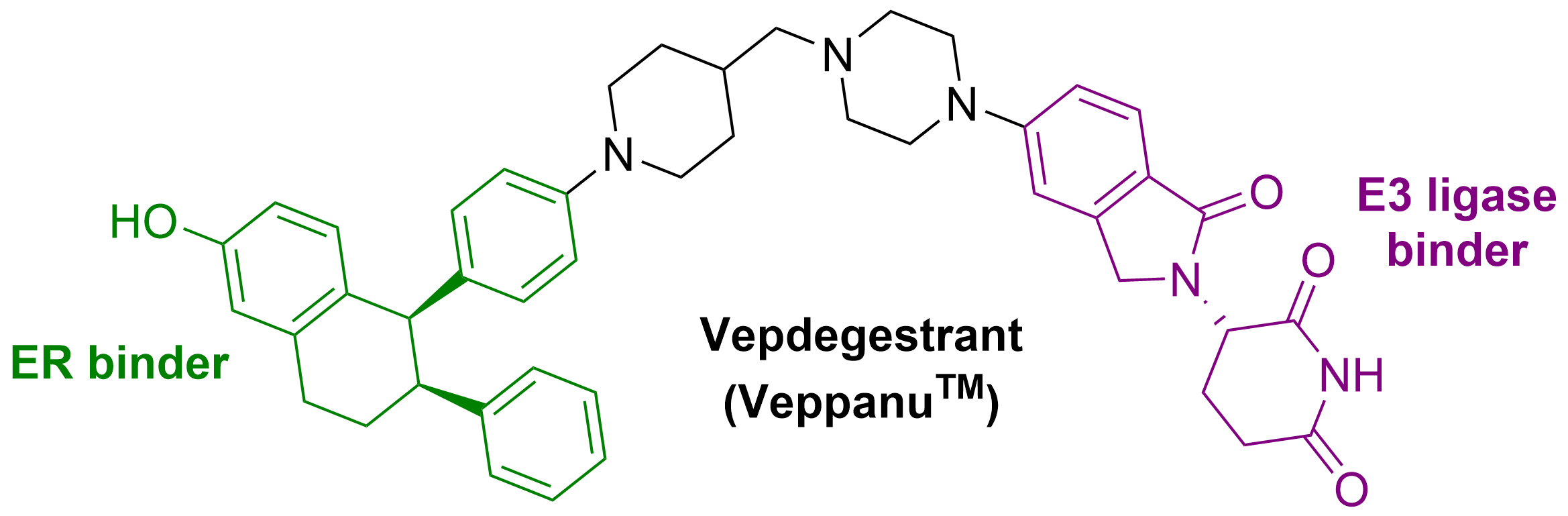
Vepdegestrant (Veppanu™), co-developed by Arvinas and Pfizer, was approved for the treatment of estrogen receptor-positive (ER+), human epidermal growth factor receptor 2-negative (HER2-), ESR1-mutated advanced or metastatic breast cancer — a population accounting for approximately 30 - 50% of patients with endocrine therapy-resistant metastatic ER+/HER2- disease and one associated with poorer prognoses. This approval was based on efficacy data reported from the VERITAC-2 trial (NCT05654623), a Phase III, open-label, randomized study comparing vepdegestrant against fulvestrant — an injectable selective estrogen receptor degrader (SERD) and the current standard-of-care — in patients with ER+/HER2- advanced breast cancer progression despite prior therapy. In the ESR1-mutant population, vepdegestrant resulted in a 43% reduction in risk of disease progression or death with a median progression-free-survival of 5.0 months relative to 2.1 months with fulvestrant. Moreover, vepdegestrant demonstrated a favorable safety profile, positioning it as a compelling alternative to fulvestrant in this patient population.
Vepdegestrant is a heterobifunctional molecule that exerts its mechanism of action through the simultaneous recruitment of cereblon (CRBN), an E3 ubiquitin ligase, and estrogen receptor alpha (ERα), forming a ternary complex that drives the proteasomal degradation of ERα — including both wild-type and ESR1-mutant variants. Unlike conventional small molecule inhibitors, vepdegestrant is released following target ubiquitination and able to engage with additional ERα proteins, enabling catalytic, sub-stoichiometric activity.
Perhaps most compelling for the drug discovery community is that, despite a comparatively high molecular weight of 724 Da — well beyond Lipinski’s 500 Da threshold of oral drug-likeness — vepdegestrant is administered orally once daily. This is a notable achievement that dispels longstanding skepticism around the oral bioavailability of PROTACs. Moreover, this new precedent paves the way for the broader class of targeted protein modifiers emerging from the field with the potential to strengthen the therapeutic arsenal against the estimated 85% of the proteome yet to be drugged.
Author: Nicole Pribut, PhD, CNM Medicinal Chemistry Lead
Daraxonrasib: A Major Breakthrough for Pancreatic Cancer
As you may have seen in some of the exciting coverage from the 2026 American Society of Clinical Oncology (ASCO) conference last month, the RASolute 302 Phase 3 clinical trial reported a doubling of overall survival for metastatic pancreatic cancer patients treated with Daraxonrasib (13.2 months versus 6.7 months with standard of care chemotherapy). The enthusiasm around this announcement stems not only from the clinical benefit to pancreatic cancer patients (pancreatic cancer is among the deadliest cancers, with a 5-year relative survival rate of 13%), but also in providing a novel approach to inhibit a protein that has long been considered “undraggable”: KRAS.
KRAS is a GTPase, an enzyme that converts GTP into GDP, thus acting as a molecular “switch“ that is activated (GTP - ON) and inactivated (GDP - OFF) in cellular signaling pathways. RAS proteins are key mediators in transmitting proliferation and survival signals from the cell surface via growth factor receptors. Thus, activating mutations (ON) in RAS are strong drivers of tumor formation - in fact, RAS family members (KRAS, HRAS, NRAS) are the most commonly mutated oncogenes in cancers, driving 25-30% of all tumors. Of particular note, KRAS(ON) mutations are responsible for driving >80% of all pancreatic cancers. Despite the clear vulnerability this presents for potential treatment, RAS proteins are very poor drug targets due to their smooth, globular shape and lack of (obvious) binding pockets for small molecules. As such, scientists have spent decades trying to discover and design targeted therapies for these critical cancer drivers.
It wasn’t until work from Kevan Shokat’s lab (2026 Emory 3D Symposium Keynote Speaker) in 2013 uncovering a “hidden” binding pocket on KRAS that scientists had an approach to selectively target this elusive molecule - a discovery that kicked off countless drug discovery campaigns. These 1st generation RAS inhibitors function by trapping specific mutant RAS isoforms in their inactive (OFF) state. Despite demonstrating efficacy in the clinic, these therapies are limited to treating only a subset of RAS-driven tumors and are often rendered obsolete in the wake of resistance mutations.
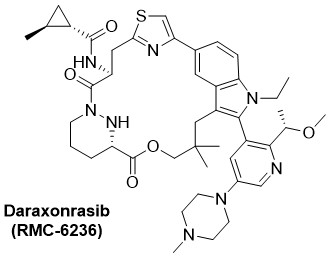
Revolution Medicines, sponsor of the RASolute 302 trial, developed Daraxonrasib(RMC-6236) as a RAS(ON) molecular glue inhibitor that can suppress both mutant and WT RAS isoforms in their active (GTP bound) state. Daraxonrasib exerts its effects via initial engagement with Cyclophilin A, a ubiquitously expressed chaperone protein, which then induces the formation of a complementary binding surface that binds to and blocks RAS signaling. Because the binding of the Daraxonrasib:Cyclophilin A complex is distal to the region harboring the common activating mutational hotspots, this single drug should be able to inhibit any of the characterized oncogenic RAS mutations. Additionally, because KRAS is primarily in the active (ON) state in pancreatic tumors, this RAS(ON) approach ensures more effective targeting in these challenging tumors.
RASolute 302 is a Phase 3 trial, meaning that Revolution Medicines will use these results to apply for FDA approval of Daraxonrasib as an oral, once daily treatment for patients with metastatic pancreatic cancer. However, in the meantime, these important results have enabled them to receive “expanded access” designation, allowing for certain patients to obtain access to Daraxonrasib in the intervening time. Additionally, because RAS is mutated in many cancer types, Revolution Medicines is actively testing the safety and efficacy of Daraxonrasib in treating NSCLC and colorectal cancer (vs. standard-of-care chemotherapy) - all towards their goal of providing effective therapies for patients with RAS-addicted cancers.
Author: Callie Wigington, PhD, CNM Program Director
Expanding the Therapeutic Pipeline for Alzheimer's |
🧠Reflecting on Alzheimer's and Brain Awareness Month🧠
June is Alzheimer’s and Brain Awareness month, a time to raise awareness and show support for the more than 55 million people living with dementia globally. Alzheimer’s disease (AD), a degenerative brain disorder, is the most common form of dementia, accounting for 60-70% of all cases, with roughly 10 million new cases diagnosed each year — equivalent to one new case every 3.2 seconds. AD is characterized by the accumulation of β-amyloid and tau proteins in the brain, which damage and ultimately kill neurons, leading to progressive and irreversible cognitive decline. In the U.S., Alzheimer’s is the 5th leading cause of death among people 65 and older, with women disproportionately affected, accounting for almost two-thirds of the 7.4 million Americans living with this disease. Despite this burden, there remains no proven way to prevent AD, and sadly, no cure. While most treatment options for AD focus on improving cognitive and behavioral symptoms, two newer therapies — lecanemab and donanemab — target the underlying biology of the disease by clearing toxic β-amyloid plaques in the brain; however, both only modestly slow disease progression in people with mild cognitive impairment (MCI) or early-stage AD and are not appropriate for those with moderate to severe disease. As a result, there remains a dire need for the expansion and diversification of treatments available for AD.
Active AD Trials at Emory
As of January 1, 2026, 158 AD drugs are being tested across 192 clinical trials worldwide, including several studies underway at Emory such as the BenfoTeam trial (NCT06223360), which recently completed enrollment. This Phase 2A/B study is currently evaluating the safety and efficacy of Benfotiamine — a synthetic, bioavailable prodrug of thiamine (vitamin B1) — in slowing the progression of early-AD, based on the underlying hypothesis that brain thiamine deficiency correlates with AD-like changes such as memory loss, neuroinflammation, and the accumulation of β-amyloid and tau. Thiamine relies heavily on carrier-mediated transport across biological barriers such as the intestine and the blood-brain barrier; however, in AD patients, expression of thiamine transporter proteins (THTR1/ THTR2) is significantly reduced in the brain. This, combined with the inherent low-capacity nature of THTR1/THTR2, as well as other compounding pathophysiological mechanisms (e.g., altered phosphatase activity), contributes to low thiamine levels in AD patients’ brains. Researchers for the BenfoTeam trial hypothesize that Benfotiamine may overcome this limitation, bypassing the need for transporter proteins to support absorption and significantly increasing levels of circulating thiamine in the hope of restoring thiamine-dependent brain processes and slowing AD-related cognitive decline.
Another ongoing trial, sponsored by Voyager Therapeutics with Emory as one of its participating clinical sites, is a Phase 1 study (NCT06874621) evaluating the safety, tolerability, pharmacokinetics, and preliminary efficacy of VY7523, an investigational new monoclonal antibody designed to selectively bind to and hinder the spread and accumulation of human pathological tau for the treatment of early AD. This trial is supported by preclinical studies of a murine surrogate of VY7523 which demonstrated a significant reduction in tau spread in a P301S mouse hippocampal seeding model.
One other upcoming trial worth watching is the Alzheimer’s Tau Platform (ATP) Study (NCT06957418), an NIH-funded, multi-institutional, Phase 2 trial evaluating tau-directed therapies (e.g., AADvac1), either alone or in combination with the anti-amyloid antibody donanemab, in patients with early-stage AD. This study aims is to determine whether dual targeting of both tau and β-amyloid pathology is more effective at slowing AD progression than monotherapies directed at either protein alone.
Emory-led National Consortium for Expanding the AD Drug Target Space
Beyond these ongoing clinical trials, Emory is also invested in the earlier stages of the AD drug discovery pipeline. Emory University leads the Emory-Sage-Structural Genomics Consortium (SGC)-Jackson Laboratory (JAX) TREAT-AD center, (Contact PI: Allan Levey) one of just two NIA-funded centers nationwide working to diversify and reinvigorate the AD drug development pipeline. Within this multi-institutional center, Emory serves as the core for assay development and high-throughput screening, led by Haian Fu, Chair of Emory’s Department of Pharmacology & Chemical Biology. This core drives the design, development and implementation of innovative assays to facilitate the identification of novel therapeutic AD targets for integration into drug discovery campaigns, with the hope of expanding the current arsenal of therapies available for the treatment of AD.
Translating discoveries like these into real treatments for patients is one of the central tenets of the CNM, which is committed to supporting Emory investigators in leveraging their early discoveries (including the kind of novel targets identified through TREAT-AD) toward the next generation of treatments for AD and other unmet medical needs.
------
Emory is a global leader in AD prevention, diagnosis, treatment, and research. The Emory Goizueta Brain Health Institute sits at the forefront of these efforts and is home to the Goizueta AD Research Center (ADRC), the Center for Neurodegenerative Disease (CND), the Personalized Brain Health Initiative, Georgia Memory Net, and the Charlie and Harriet Shaffer Cognitive Empowerment Program. Together, these integrated programs create and foster a cutting-edge ecosystem out of which we can advance breakthroughs in early detection, prevention, treatment, and care for AD patients around the world.
Author: Nicole Pribut, PhD, CNM Medicinal Chemistry Lead
📣 If you (or someone you know at Emory) is interested in translating their discoveries around Alzheimer's and brain health, reach out to us today!
Upcoming Events |
We have big things in the works for Fall 2026 CNM programming, training, and networking opportunities...stay tuned to learn more!

Lace up your sneakers! CNM is building a team to take on the 2026 Winship 5K and we want you to join us! CNM 5K team members will receive a team t-shirt and bragging rights for achieving our fundraising goal 💪
Click HERE to learn more and join our team today!
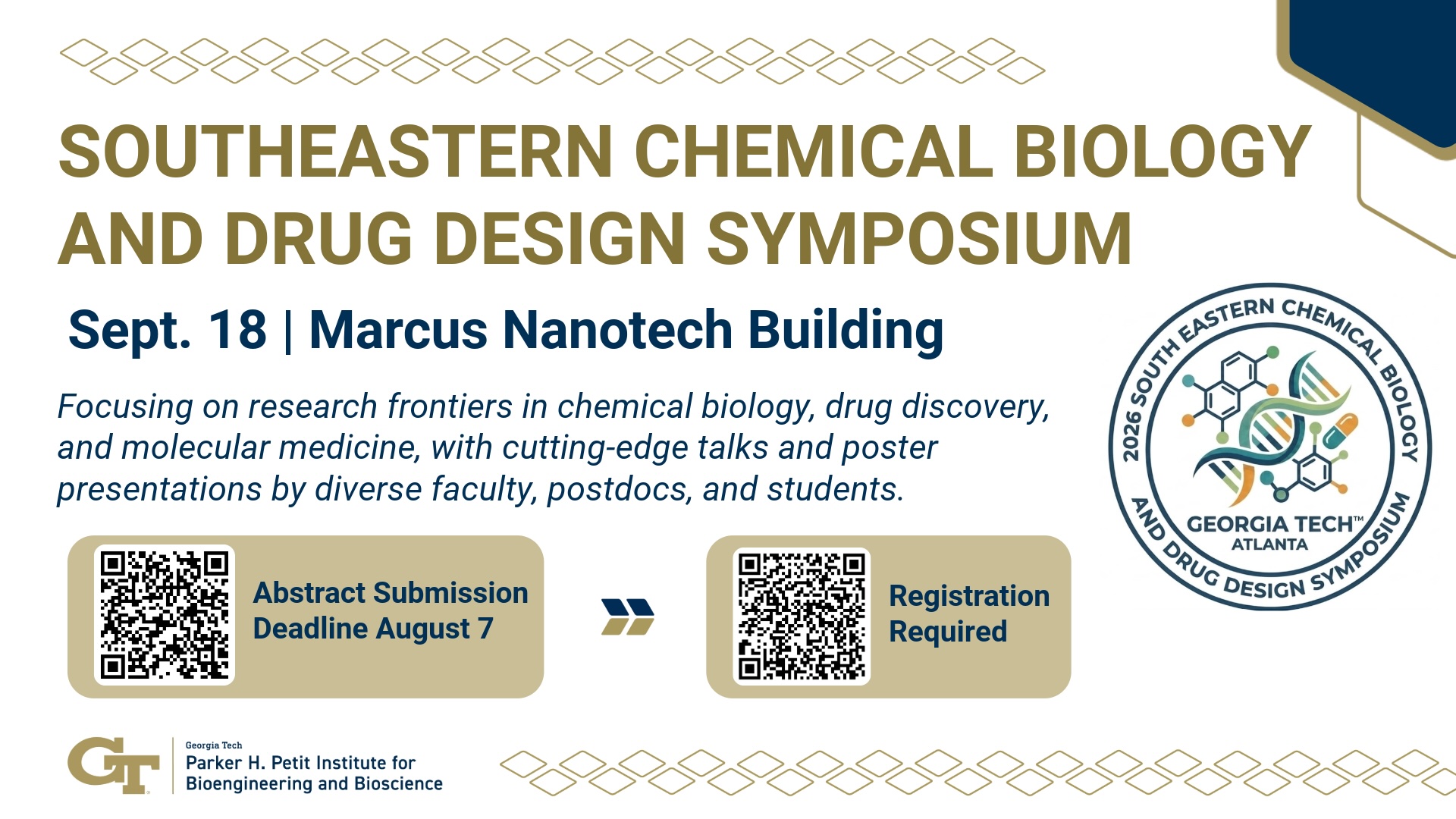
Registration is open for the annual Southeastern Chemical Biology and Drug Discovery Symposium, happening September 18th at Georgia Tech. This year's keynote speaker is Sara Burhlage, PhD (Dana-Farber Cancer Institute, Harvard Medical School).
Click HERE for registration & abstraction submission (register today before it fills up!)
Funding Opportunities |
Did you know? CNM can help with your drug discovery grant proposals, including letters of support to demonstrate institutional efforts towards drug discovery.
Reach out to us to learn more and get started today!
Neurofibromatosis Therapeutic Acceleration Open Proposal Grant Program
The Neurofibromatosis Therapeutic Acceleration Program (NTAP) leads and funds breakthrough research to accelerate treatment options for NF1-associated pre-malignant peripheral nerve sheath tumors. This award supports several areas of focus; for the drug development area specifically, priority will be given to projects focused on: novel target development beyond or building on the MAPK/MEK pathway, target validation studies, next-generation therapies or combination approaches, medicinal chemistry, ADME/PK, formulation, GLP toxicology, and IND-enabling studies for NF1-relevant targets or repurposed agents with preclinical efficacy.
Letter of intent due July 31st.
To learn more about this award, click HERE, or reach out to Sherry Ye, Associate Director of the Emory Office of Corporate and Foundation Relations.

Drug Development RFP
The Drug Development RFP supports IND-enabling studies and early-phase clinical trials testing therapeutic interventions for Alzheimer's disease and related dementias. Strategic priority will be given to projects focused on combination therapies (such as co-developed investigational drugs, new drugs paired with approved anti-amyloid antibodies, or fixed combinations of approved drugs) as well as disease-modifying and symptomatic agents.
Letter of intent due September 14th.
Click HERE to learn more about this award.
Standard Award in Alzheimer's Disease Research
The BrightFocus Standard Award Program supports high risk, high reward, innovative research promoting advances in the etiology, prevention and treatment of Alzheimer's disease and related dementias. This award mechanism is divided into two tracks and offers up to $100,000 per year for up to three years, for a maximum award of $300,000:
Early career investigator track: Supports researchers within 15 years of degree conferral.
Independent investigator track: Indepedent researchers who do not hold an active RO1 on the same topic.
Applications for these awards are due September 1st, 2026.
To learn more, click HERE, or reach out to Sherry Ye, Associate Director of the Emory Office of Corporate and Foundation Relations.
Trainee Highlights |
BDCI T32 Tri-Institutional Retreat at University of Michigan!
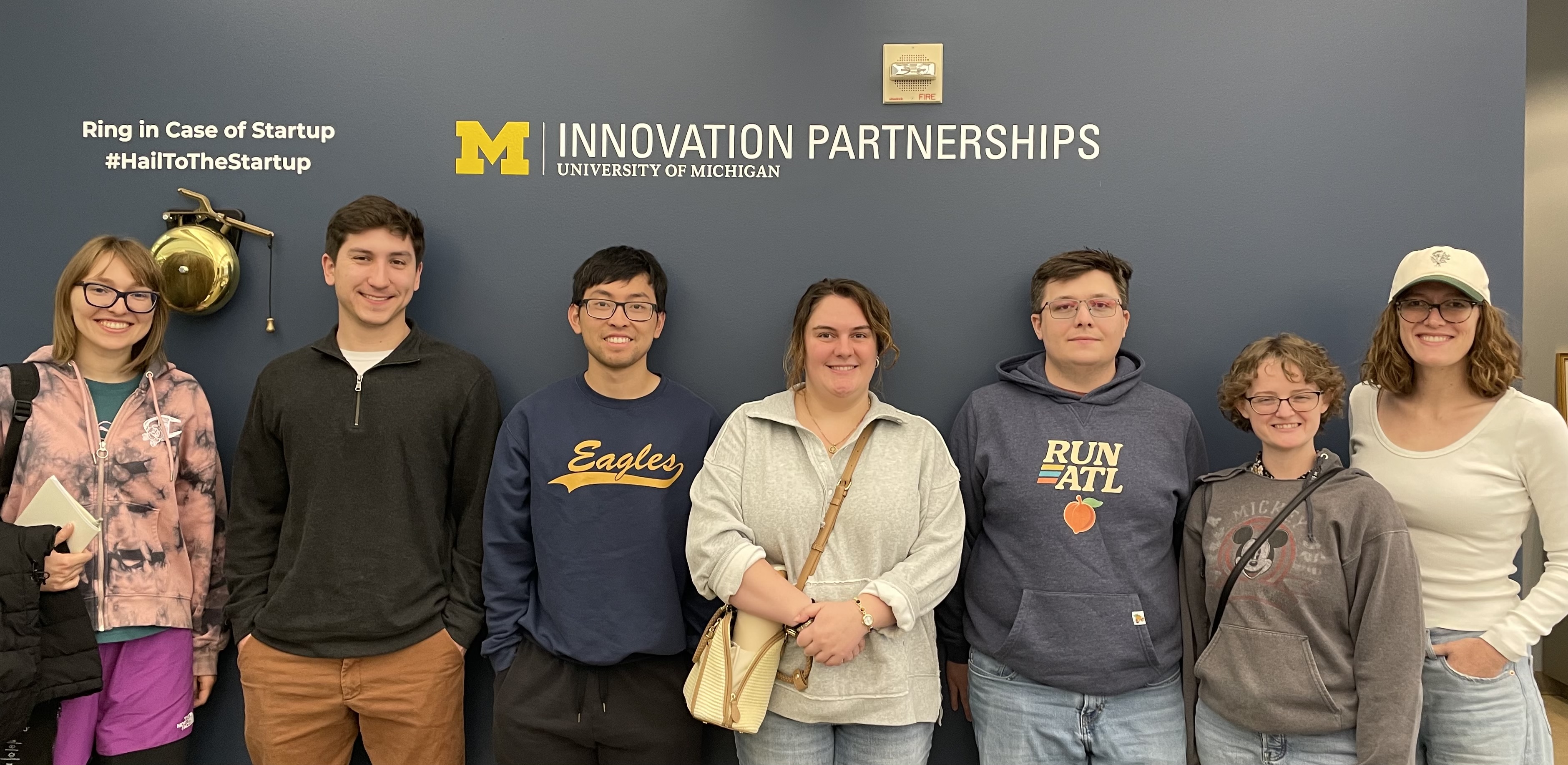
BDCI T32 trainees pictured left to right: Anna Staskiewicz, Riley Hughes, Andy Tran, Jacki Smith, Joshua Hardin, Megan Hinrichsen, and Tessa Larsen.
The BDCI T32 program participated in the inaugural Chemistry-Biology Interface (CBI) tri-institutional retreat at the University of Michigan (UM) in May! This retreat, hosted by the UM CBI program and jointly attended by the UT Southwestern CBI program, was originally conceived as a unique opportunity to bring together CBI programs from different types of institutions to learn from one another, build meaningful relationships, and provide expanded career development opportunities.
Fresh off a plane from ATL ➡️ DTW, the Emory cohort took part in a fun afternoon of walking around Ann Arbor, visiting UM’s beautiful campus, and getting to know fellow trainees from the other CBI programs. Day 2 consisted of an all-day research symposium featuring a diverse lineup of interdisciplinary talks from students and faculty from each institution, student poster session, career development panel, and capped off by a keynote presentation from Karl Scheidt of Northwestern University. The day’s festivities concluded with a fun dinner in downtown Ann Arbor, giving more time for students, faculty, and leaders from the respective CBI programs to learn, network, and have a little fun.😊
Before the team headed back to Atlanta, we got the chance to tour the UM Innovation Partnerships office and learn about their approach to bringing Michigan discoveries to the real world. While we didn’t get a chance to ring the bell (see photo above), we will certainly take a lot of the wisdom they shared with us back to our work at Emory.
Emory is set to host the CBI retreat next Summer, which means there will be plenty of opportunities for Emory trainees to meet and learn from fellow chemical biologists from around the country. We look forward to seeing you there!
Trainee Publication Highlights
May 2026:
 | 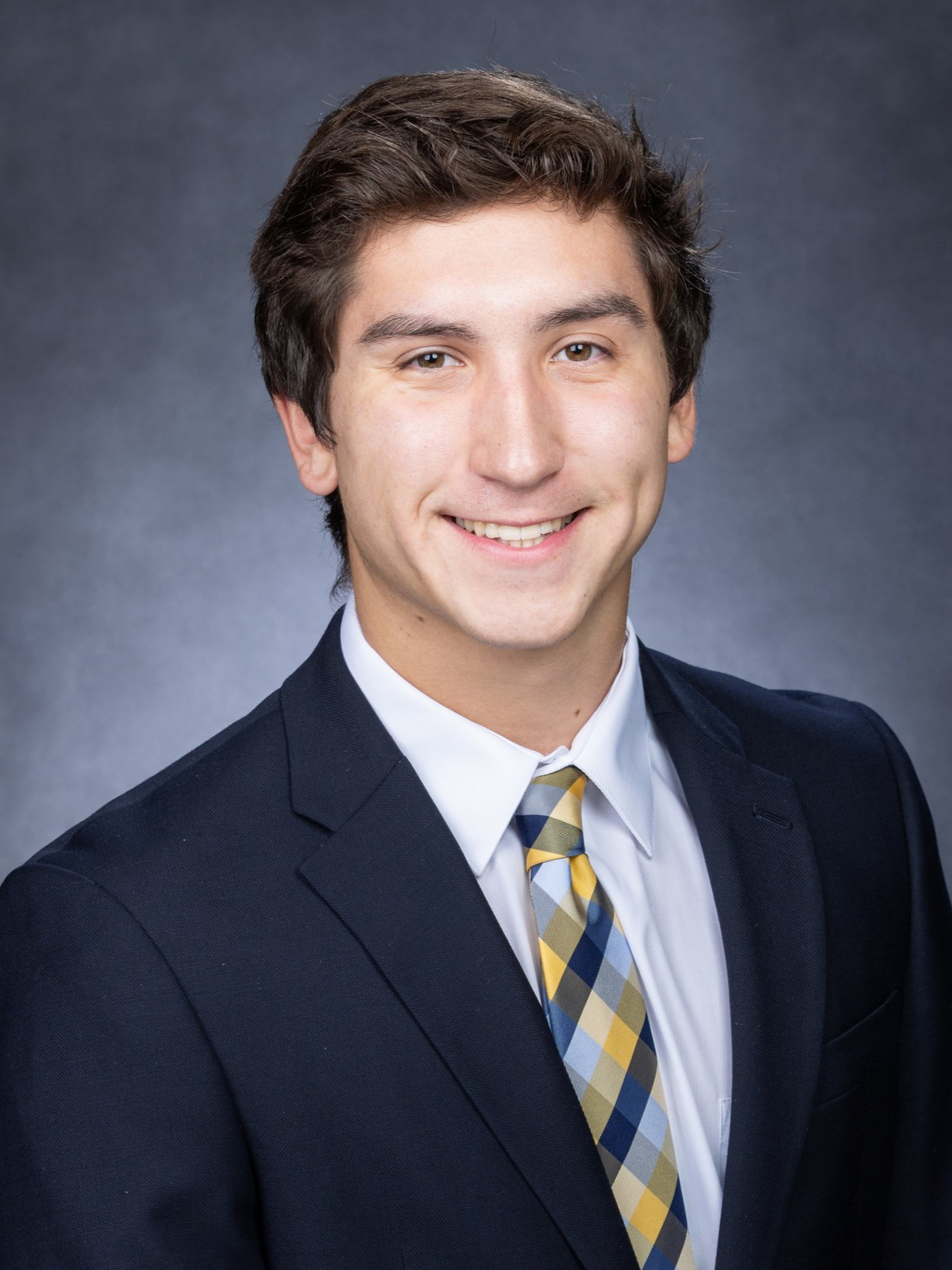 | |
Reem Al-Ahmad (above left), a graduate student in the Dai lab (Chemistry) and BDCI T32 Trainee, published an insightful perspective on Strategic Applications of Single-Atom Skeletal Editing in Natural Product Synthesis in the Journal of the American Chemical Society. To read this article, click HERE
Riley Hughes (above right), a graduate student in the Raj lab (Chemistry) and BDCI T32 Trainee, published on TagC-RED: An Infrared-Triggered Retro-Ene Reaction for Deep-Tissue Bioconjugation, an innovative platform for photoactivable in vitro and in vivo labelling. The paper appears in the Journal of the American Chemical Society, you can read this article HERE
Want to submit an event or announcement in this Newsletter? Email us at newmedicines@emory.edu to get started! |

The Emory Center for New Medicines is thankful for support from the Woodruff Health Sciences Center, Winship Cancer Institute, Emory University School of Medicine, and the Office of Technology Transfer, and enthusiastic engagement from the drug discovery community at Emory.