August 28, 2026
Dear colleagues:
At Emory School of Medicine, faculty voices are essential to shaping our future. The Dean’s Faculty Advisory Committee (DFAC) is an important partner to school leadership, offering thoughtful perspectives, candid feedback, and strategic counsel on issues that affect our faculty and broader community. Through their service, elected DFAC members help strengthen collaboration, advance shared governance, and ensure that the diverse experiences of faculty inform our work across the School of Medicine.
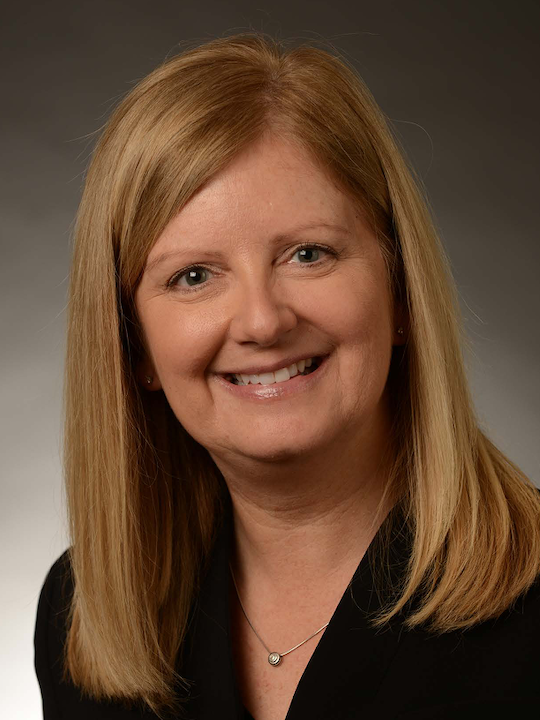
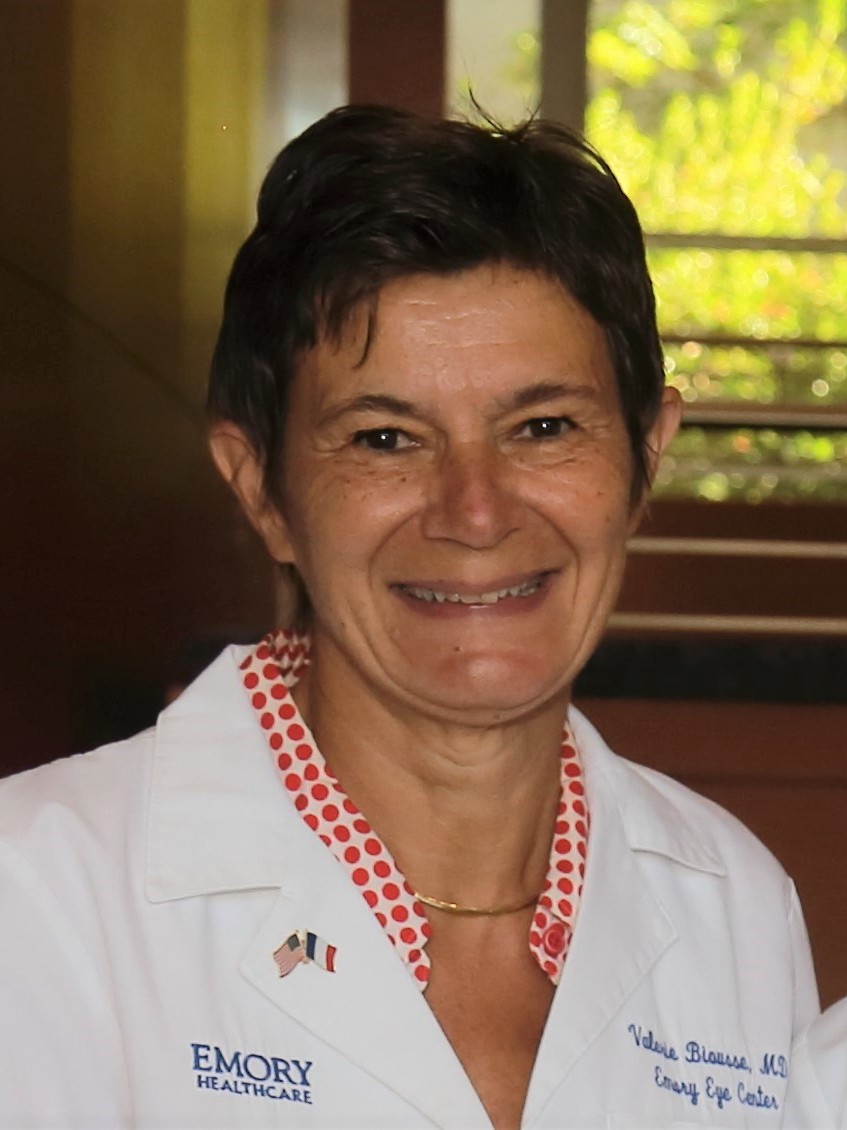
In this month’s spotlight, DFAC 2027 Co-chairs Brenda Poindexter and Valerie Biousse share their reflections on the advisory committee’s work and their goals in the coming year.
|
|
|
Q: One of DFAC's key responsibilities is to serve as an advisory group to the dean. Can you share examples of the types of issues, concerns, or opportunities that are most valuable for DFAC to raise and discuss?
|
One of DFAC's most important responsibilities is serving as a meaningful communication channel between faculty and the dean's office. Because members are elected by their peers and represent departments across the School of Medicine, they bring faculty perspectives, concerns, and ideas directly to leadership. DFAC addresses both immediate challenges affecting daily faculty work and broader issues related to the faculty experience and the School of Medicine's future. For example, last year the committee focused on faculty retention, examining factors that influence career decisions and identifying opportunities to strengthen the faculty experience at Emory. DFAC also fosters two-way communication by helping faculty understand institutional priorities and ensuring leadership understands how policies and decisions affect faculty members.
|
|
|
|
Q: As co-chairs, what are your priorities and goals for DFAC in the coming year, and what impact do you hope the committee will have on the faculty?
|
Our primary goal is to strengthen DFAC's role as a representative voice for faculty across the School of Medicine. Achieving that requires intentional, reliable ways to hear from faculty about challenges, opportunities, and successful practices. We are developing priorities based on input from DFAC representatives and the broader faculty community, including administrative burden, clinical research infrastructure, grant management, and other processes that affect faculty members' ability to fulfill their academic missions. Specific examples from faculty are especially valuable because they help identify practical opportunities for improvement. We also want to strengthen communication by creating a stronger feedback loop, ensuring that faculty perspectives inform leadership discussions and that faculty have greater visibility into issues under consideration and progress being made.
|
Q: If you could encourage every faculty member to do one thing to help DFAC better represent and advocate for the faculty at large, what would that be? How can faculty members submit ideas, concerns, or perspectives for the committee's consideration?
|
We encourage faculty to engage with us. DFAC can only represent faculty effectively if we hear directly from those we serve. DFAC members represent departments and faculty constituencies across the School of Medicine, and we encourage colleagues to contact their DFAC representatives with ideas, concerns, and perspectives. Faculty can also use the “Submit Feedback” feature on the DFAC webpage to provide comments anonymously or include contact information if they would like a response. We regularly review feedback and use it to help shape discussions with the dean and other School of Medicine leaders. No issue is too small to raise, and even modest improvements can positively affect faculty effectiveness and experience. We hope faculty view DFAC as an accessible resource and as their elected voice within the School of Medicine.
|
I wish to express my gratitude to Drs. Poindexter and Biousse, as well as to all the elected DFAC members who volunteer their time and energy.
My best,
Sandra
Sandra L. Wong, MD, MS
Dean, Emory University School of Medicine
Chief Academic Officer, Emory Healthcare
|
|
|
|