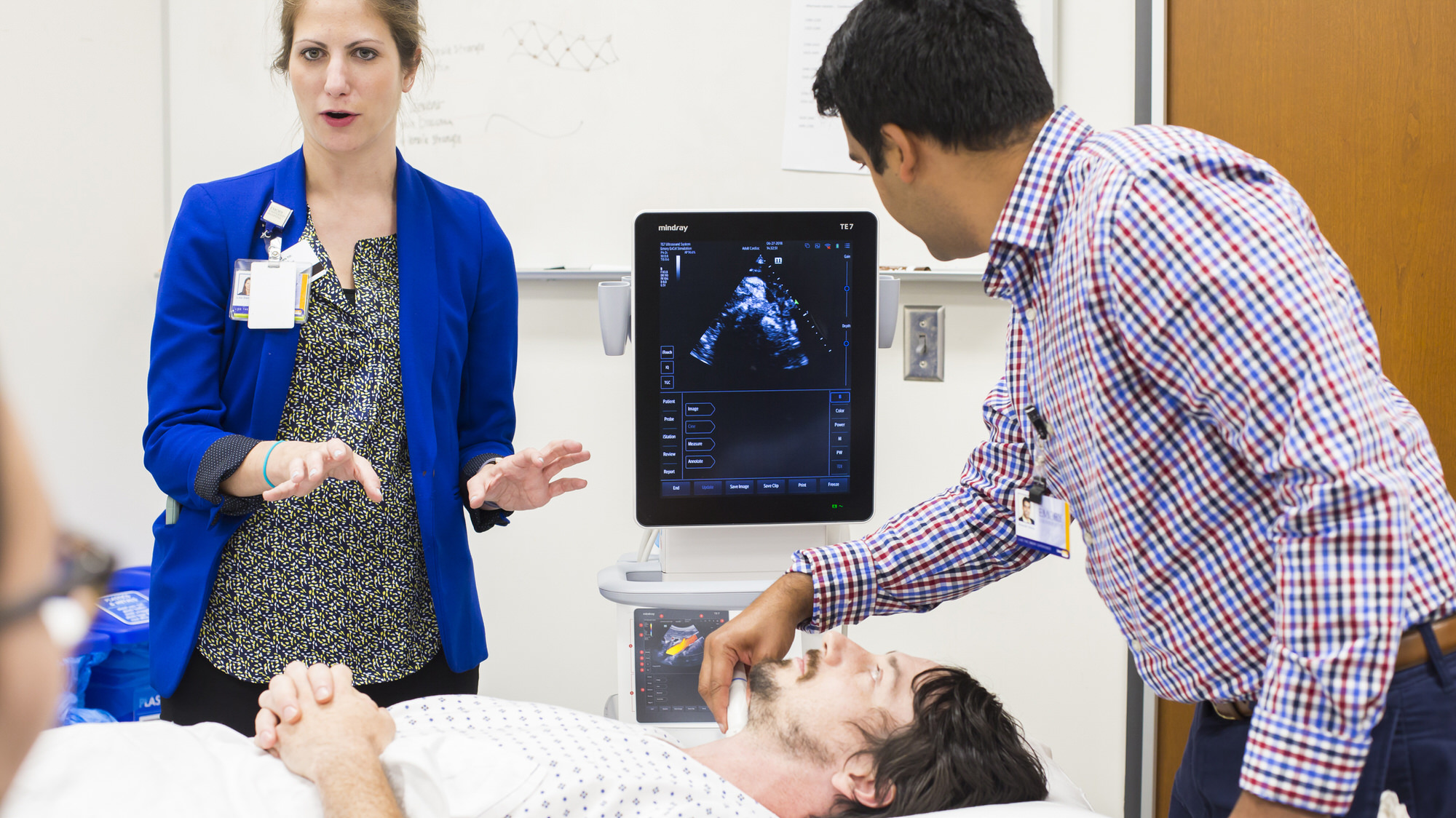
We help our faculty enjoy career success by developing relational and technical skills needed in teaching, clinical practice, and research. We offer courses, conferences, and programs that help you grow through networking, research support, building teaching skills, career advising, and other forms of continuing education.

Our clinical experience is one of the most exciting parts of working at Emory. We see rare and complex cases, from children through veterans and underserved populations. We quickly transfer research knowledge to patients in our translational clinics. And we actively support collaboration.

After several years of COVID-related delays, the School of Medicine recently held its first Mattox Lectureship - an honor that coincided with its namesake’s 25-year anniversary as Chair of Emory’s Department of Otolaryngology - Head and Neck Surgery.

Policies and Guidance

Information covering leave and benefits; appointments, promotions, and tenure; conflicts of interest and industry relations; faculty affairs; and research.

2023-2024 Annual Report

The Office of Faculty Academic Affairs and Professional Development supports and celebrates faculty at all stages of their academic career. Review our 2023-2024 impact report here. 

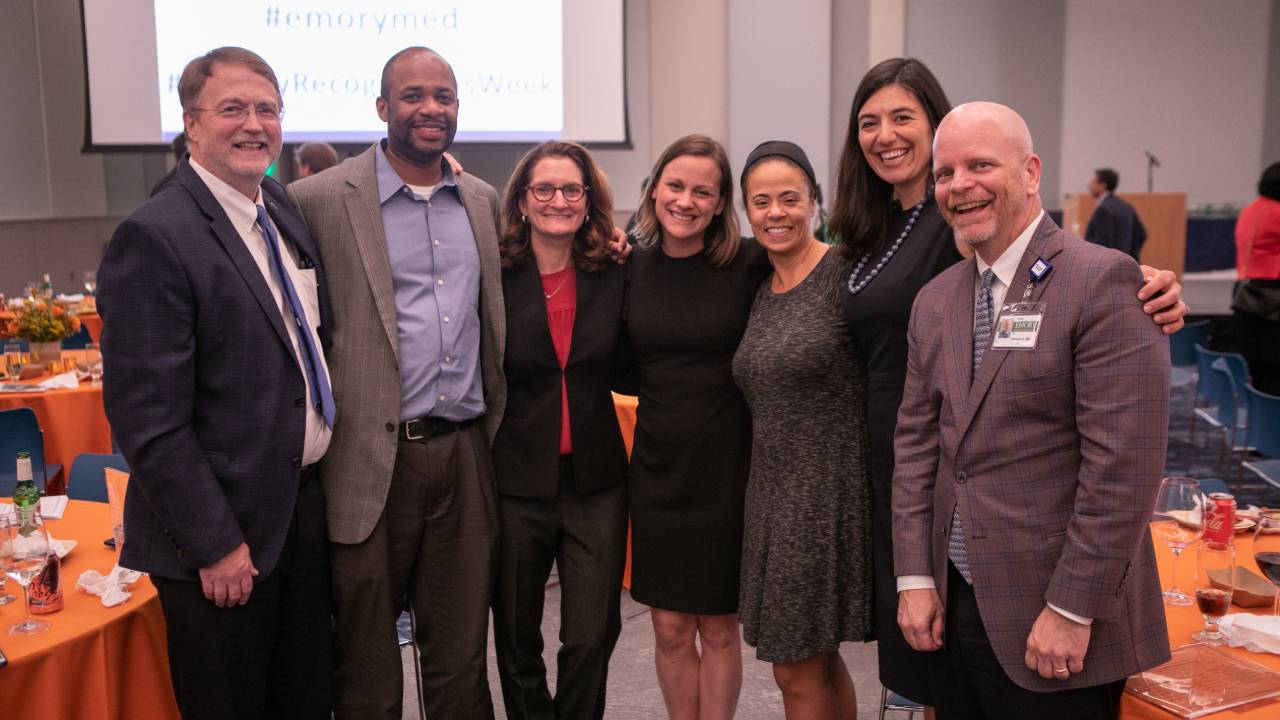
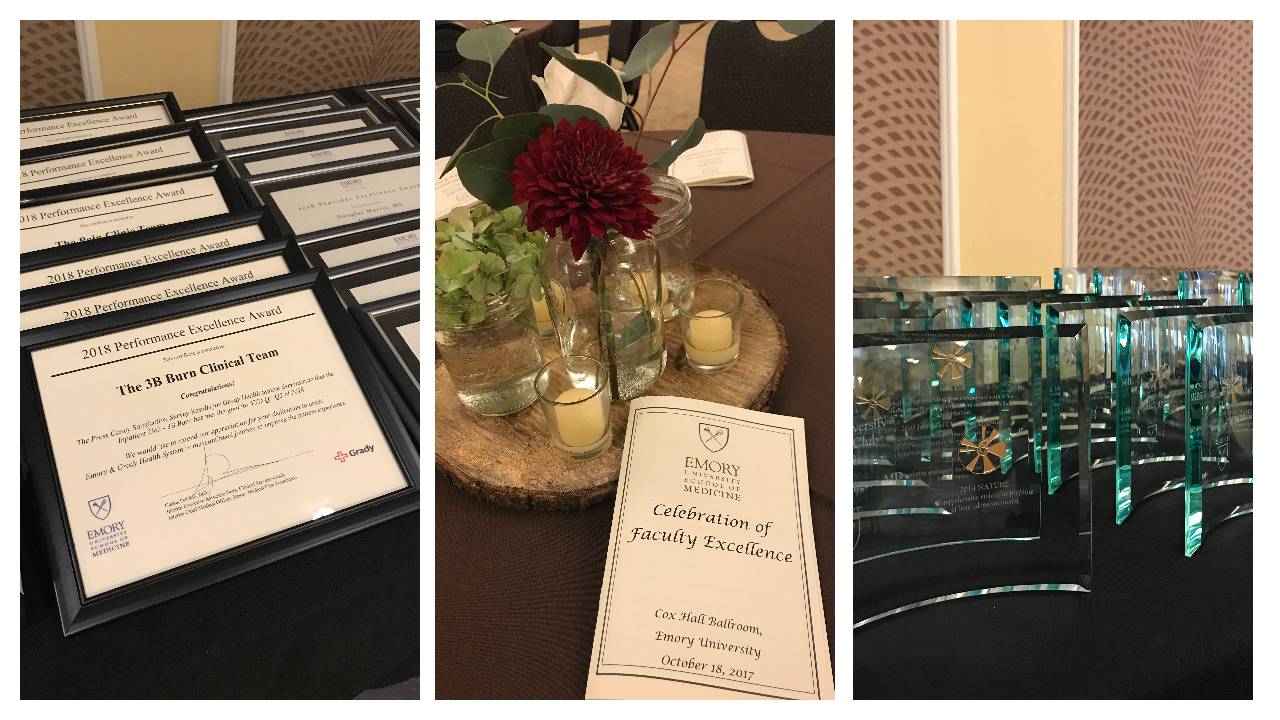
Each fall, faculty members are recognized for their accomplishments and excellence in patient care, research, and education. The week is capped off with the Celebration of Faculty Excellence ceremony and reception.

Supporting Our People

Medicine is a demanding field, where over half of physicians experience symptoms of burnout. We're making moves to change that, with a range of support services like counseling, educational workshops, and community safety protocols to help our faculty heal themselves as well as patients.

News

Family, friends and colleagues came together to raise a glass and celebrate the hard work of faculty who published books in the past year at the 20th annual Feast of Words.

Emory neuroscientists have installed a $1.5 million automated cell culture system designed specifically for human organoids, used to study diseases, test drugs, and develop regenerative therapies. The system can monitor cultures for weeks or months and analyze cell differentiation patterns with AI.

Emory research shows that the new COVID-19 vaccine formulations produce antibodies with a half-life of more than 500 days — significantly longer than antibodies produced by earlier versions of the vaccine.