CONTINUUM
April edition of CNM's CONTINUUM newsletter
April 2026
We are thrilled to present the April issue of CNM's monthly newsletter, CONTINUUM! Drug discovery is an iterative, integrated continuum of activities ranging from target identification and validation to lead optimization, preclinical, and clinical testing. This approach merges chemistry, biology, and medicine with technologies like AI to accelerate discovery and improve success rates from bench to bedside. CNM exists to support and enable Emory researchers and clinicians to achieve their translational goals across this continuum - we look forward to working with you! Email us any time at newmedicines@emory.edu.
In this issue (click to jump to sections):
💡 View From the Top: A Message from EVPHA, Joon Lee
💊 2026 Emory 3D Symposium: The Future of Therapeutic Innovation
🩺 Clinical Trials to Watch at Emory
🔬 CNM Pipeline Update: Yong Wan
🍴BDCI Lunches at the Interface
✉️ Contact Us
View from the Top |
 | A message from the Executive Vice President for Health Affairs, Joon LeeAt Emory, we have a unique opportunity—and responsibility—to redefine how discovery becomes care. The work of the Center for New Medicines reflects a critical shift in how we approach therapeutic innovation: not as a linear process, but as a dynamic, bi-directional exchange between the laboratory and the bedside. |
As a healthcare leader, I see every day the urgency of unmet medical need. Patients and families come to us not only for today’s best treatments, but with hope for what’s next. That reality underscores why translational research must be clinically informed from the start—and why clinicians must be active participants in shaping the discovery pipeline.
CNM plays a vital role in this effort by connecting our scientists, physicians, and partners to accelerate the movement of ideas into impact. By fostering an ecosystem that prioritizes high-quality, clinically relevant intellectual property, we strengthen Emory’s ability to move discoveries beyond publication and into practice—where they can change lives.
Equally important is the infrastructure that enables this work. From early-stage discovery to clinical trials, we must continue to build integrated pathways that support speed, rigor, and scale. Our clinical enterprise is a powerful engine for this translation, offering both the patient populations and the expertise needed to advance novel therapies—especially for conditions where no approved treatments yet exist.
As we look to the future of therapeutic innovation, our path forward is clear: deepen integration across the Woodruff Health Sciences Center, invest in our translational capabilities, and remain relentlessly focused on the patients we serve. When we do, we not only advance science—we fulfill our mission.
Joon S. Lee, MD, CEO, Emory Healthcare; Executive Vice President for Health Affairs, Emory University
2026 Emory 3D Symposium |
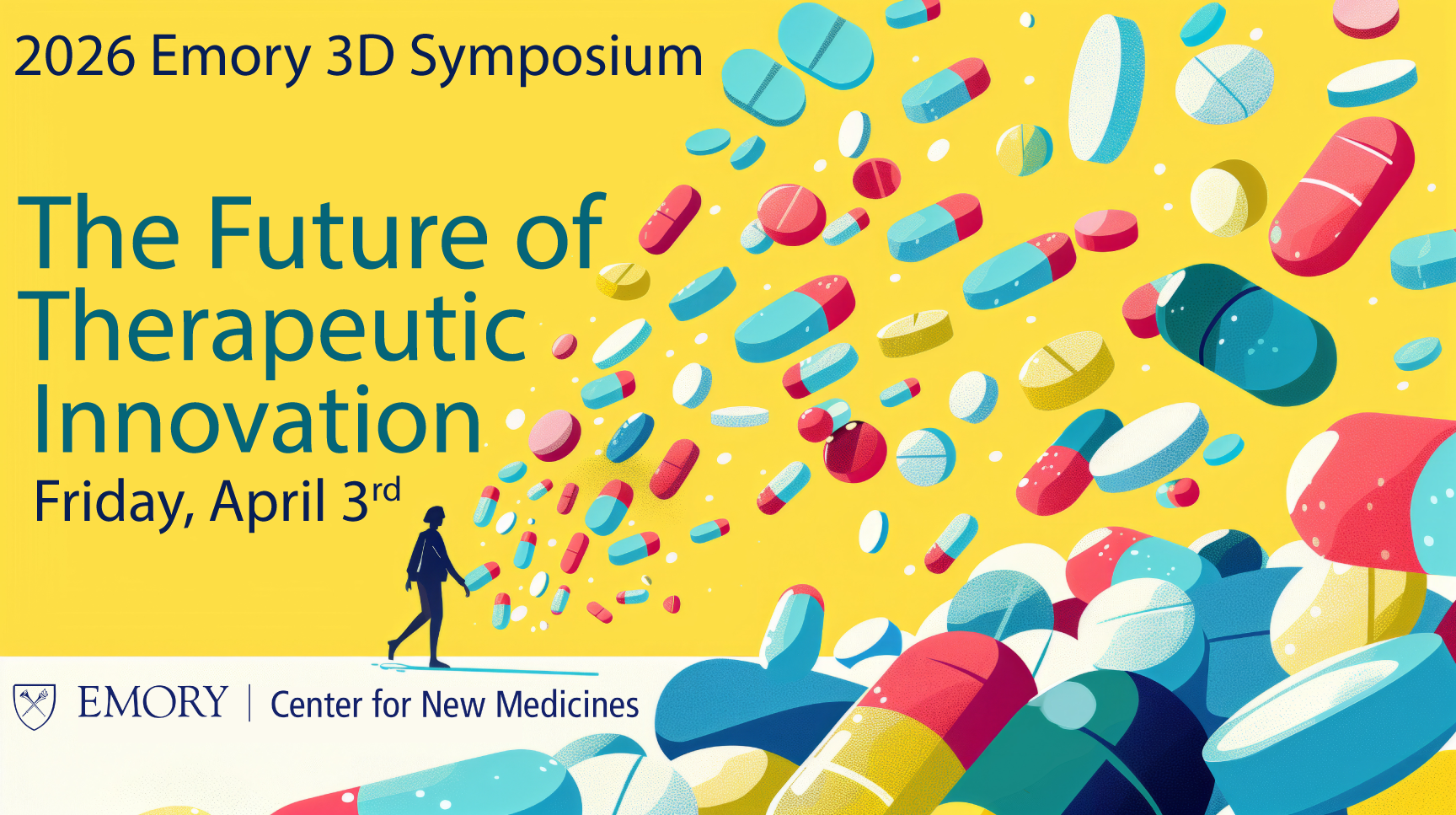
We look forward to seeing you at the 2026 3D Symposium!
The Emory 3D (Drug Discovery & Development) Symposium is an annual event that convenes the drug discovery and development community at Emory, with the goal of educating and inspiring our researchers through a series of talks from academic and industry leaders. In line with the theme The Future of Therapeutic Innovation, this year’s event will feature talks on cutting-edge therapeutic modalities, explore topics such as redefining the concept of druggability, and pioneering new approaches to address unmet medical needs. This program will also include a panel discussion on the Future of Therapeutic Innovation in Atlanta.
If you are registered for this year's event, we look forward to seeing you there.
If not, we hope you can join us next Spring for the 2027 Emory 3D Symposium!
An Expert's Perspective |
Clinical Trials at Emory with the Potential to Transform Patient Treatment Paradigms
As we sit on the eve of the 2026 Emory 3D (Drug Discovery & Development) Symposium, and in keeping with this year’s theme, The Future of Therapeutic Innovation, the Center for New Medicines (CNM) spoke with two Emory physicians about clinical trials at Emory with the potential to transform patient treatment paradigms.
Clinical trials in Infectious DiseaseDr. Kimberly Workowski, Professor of Medicine in the Division of Infectious Diseases, expressed a deep appreciation for how medical innovations can revolutionize patient care. Having begun her career during the height of the HIV/AIDs epidemic, Dr. Workowski witnessed first-hand how the advent of new therapeutics (some of which were discovered at Emory!) transformed what was once a death sentence for patients into a chronic, but manageable disease. |
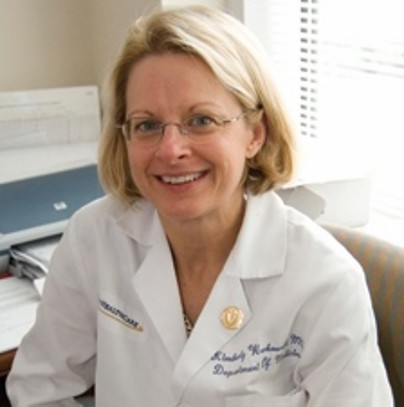
She highlighted that she has patients she still sees today that are still living directly as a result of the early clinical trials she was a part of in the 90s, emphasizing her enthusiasm for innovative new clinical trials.
Quest for a cure
Yet, HIV researchers and clinicians continue to advance the field, pursuing innovations from long-acting antivirals to curative strategies, with Emory actively involved in several high-impact clinical trials driving these efforts (e.g., PURPOSE 2 trial: lenacapavir for HIV prevention).
In February 2026 at the CROI conference in Denver, Dr. Workowski presented the results from a small, but important Phase 1 trial which demonstrated the safety and tolerability of amtabafusp alfa (ABF; GS-8588), a novel bispecific T-cell engager developed by Gilead to redirect cytotoxic CD8+ T cells to eradicate HIV-infected CD4+ T cells. This T-cell engager acts by simultaneously binding the HIV envelope protein on infected cells and the CD3 receptor complex expressed on effector T cells, bringing these two cell types into close proximity and triggering the lysis of HIV infected cells.
If subsequent studies demonstrate clinical efficacy, amtabafusp alfa has the potential to serve as a functional cure for HIV, particularly when used in combination with a latency-reversing agent (LRA). This “shock and kill” strategy would reactivate latent viral reservoirs with an LRA, thereby exposing infected cells to the lytic effects of amtabafusp alfa. If successful, this approach could have a profound global impact on the lives of people affected by HIV!
A game changer for herpes
As a staunch advocate for the development of new diagnostics and treatments for sexually transmitted infections (STIs) such as herpes, gonorrhea, hepatitis B (HBV), and syphilis, Dr. Workowski shared her enthusiasm for STI clinical trials at Emory, many of which she participates in.
Recently, Emory participated in a randomized, open-label, multi-center, Phase 3 clinical trial (PRIOH-1) to assess the efficacy and safety of Pritelivir, a first-in-class, small molecule helicase-primase inhibitor for the treatment of acyclovir-resistant herpes in immunocompromised patients.
Herpes, caused by either herpes simplex virus (HSV) 1 or 2, is a lifelong and highly prevalent disease, yet remains incurable with no vaccine available to prevent infection. Dr. Workowski refers to this disease as the “poster child for stigma.”
Although standard therapies exist to manage infection, first-line treatments are limited to a class of drugs called acyclic nucleosides (e.g., acyclovir), which inhibit the viral DNA polymerase following activation by thymidine kinase (TK). This limitation is particularly problematic for immunocompromised patients, who demonstrate higher incidences of acyclovir resistance, most commonly due to TK mutations. In these instances, alternative agents such as foscarnet or cidofovir, which inhibit viral polymerases independently of TK, are often prescribed. However, these therapies require prolonged intravenous administration and are associated with serious adverse events. In the absence of safe and effective alternatives, these patients remain at increased risk for severe complications and recurrent disease.
Pritelivir, an oral antiviral agent in development by AiCuris, may provide a promising new therapeutic option for this patient population. As an inhibitor of the helicase-primase complex, it inhibits viral replication through a mechanism distinct to nucleosides. Moreover, results from the PRIOH-1 trial announced in October 2025, demonstrated superior efficacy, along with a more favorable safety profile, compared with standard of care. Dr. Workowski called this trail a “game changer for herpes!”
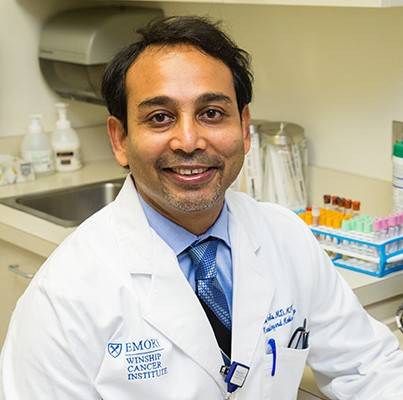
Clinical Trials in Multiple MyelomaThe CNM also spoke with Dr. Ajay Nooka, Director of the Myeloma Program at Winship Cancer Institute and Professor of Hematology and Medical Oncology. During this conversation, he emphasized the importance of rapid translation in delivering innovative therapies to patients, highlighting current efforts at Emory, including the reduction of clinical trial activation timelines and exploring the latest technologies to deliver life-changing cellular therapies from bedside to bench and back again. |
|
FasTCARs
To highlight the importance of driving delivery of cellular therapies, he spoke about an ongoing Phase 1b/2 study of AZD0120 (formerly GC012F), a first-in-class CD19/B-cell maturation antigen (BCMA) dual CAR-T therapy for relapsed/refractory multiple myeloma (MM) patients, currently enrolling and treating patients at Winship.
BCMA is highly expressed on the surface of MM cells, making it an attractive therapeutic target. Although significant advances have been made with BCMA-directed CAR-T in MM, many patients eventually relapse due to the onset of resistance. Emerging evidence suggests that resistance to single antigen targeting CAR-T approaches may be driven, in part, by antigen escape mechanisms resulting in the downregulation or partial loss of BCMA expression in tumor cells.
This limitation may be mitigated through tandem or dual-targeted CAR-T approaches. By simultaneously targeting two antigens (e.g., BCMA and C19), this strategy has the potential to reduce the likelihood of tumor antigen escape and enhance antitumor efficacy. “The scope of this compound is enormous,” enthused Dr. Nooka.
However, as Dr. Nooka points out, the key innovation lies in the manufacturing platform. AZD0120 is engineered using the FasTCAR platform developed by Gracell, a Chinese Biotech company acquired by AstraZeneca. Unlike traditional CAR-T manufacturing processes, which involves a series of ex vivo steps including T-cell activation, transduction and expansion over several weeks, FasTCAR enables rapid manufacturing of robust CAR-T cells, with enhanced efficacy, in less than 3 days. Due to the pace of disease progression in these patients, this drastically shortened timeline to treatment is a true game changer.
Small molecule opportunities in myeloma
The CNM asked Dr. Nooka about potential clinical trial opportunities in the small molecule space for MM. In response, he highlighted a Phase 1/2a trial enrolling at Emory that evaluates the safety and efficacy of Inobrodib (CCS1477), an oral, first-in-class p300/CREB-binging protein (CBP) inhibitor for the treatment of patients with advanced hematological malignancies, such MM. Inobrodib functions by binding the conserved bromodomains of both p300 and CBP, displacing them from productive chromatin interactions, and reducing the expression of key oncogenic drivers.
For myeloma patients, physicians commonly prescribe cereblon-modulating agents (e.g., pomalidomide) which bind to cereblon, an E3 ubiquitin ligase, and promote the degradation of proteins critical to MM cell survival. However, over time patients often develop resistance through compensatory mechanisms (e.g., p300). This population typically has a poorer prognosis, aggressive disease biology, and have been heavily pretreated with other agents.
Despite this, Dr. Nooka noted that these patents may be resensitized to pomalidomide-based therapies following treatment with a p300 inhibitor, such as Inobrodib. This hypothesis underpins the Emory Phase 1/2a clinical trial linked above, which is evaluating inobrodib in combination with dexamethasone and pomalidomide. In the first cohort, the observed response rate was up to 75% which he described as “remarkable for the pomalidomide-refractory patient population.”
Final Remarks: An opportunity for bi-directional collaboration
These clinical trials, along with many others not featured here, have the potential to significantly reshape the outlook for patients on a global scale. However, the development and successful translation of these therapeutic innovations depend on meaningful and collaborative relationships between researchers (across academia and industry) and physicians. Both Drs. Workowski and Nooka emphasized the importance of these relationships, underscoring the need to bring together people from across the discovery and development pipeline who are interested in solving unmet needs for patients with limited or no treatment options. As one of our central tenets, the CNM is committed to supporting bi-directional translation to advance Emory discoveries from bench to bedside and back again. We look forward to continuing to engage Emory scientists across our diverse research and clinical ecosystems for global clinical impact.
The CNM would like to thank Drs. Workowski and Nooka for two truly insightful conversations!
CNM Pipeline Update |

Pictured from left to right: Yong Wan, PhD, Professor, Departments of Pharmacology & Chemical Biology and Hematology and Medical Oncology; Mingji Dai, PhD, Asa Griggs Professor, Department of Chemistry; Yueming Zhu, PhD, Assistant Professor, Department of Pharmacology & Chemical Biology.
Targeting N-Glycans as a New Immunomodulatory Anti-Cancer Therapy
A new study from the Wan and Dai labs, published in Nature Communications, identifies MGAT1-mediated N-glycosylation as a key regulator of tumor immune evasion and a potential new therapeutic target to overcome immunotherapy resistance in triple-negative breast cancer (TNBC).
Although checkpoint blockade immunotherapies have transformed cancer treatment, immunologically cold tumors that lack robust immune cell infiltration remain largely unresponsive to these treatment strategies. This problem is particularly striking in TNBC and poses a major challenge due to its aggressive biology and limited treatment options. Using integrated multiomic spatial analyses together with functional experimental validation, we identified the glycosyltransferase MGAT1 as a pivotal driver of immune escape in TNBC. Mechanistically, MGAT1 catalyzes the addition of N-acetylglucosamine (GlcNAc) to the immune regulatory protein CD73 in the Golgi apparatus. This glycosylation event promotes CD73 dimerization and facilitates recognition by vesicle protein VAMP3, enabling efficient trafficking of CD73 to the tumor cell surface. Once localized to the plasma membrane, CD73 converts extracellular AMP into immunosuppressive adenosine. Adenosine subsequently engages A2A receptors on CD8+ T cells and suppresses their cytotoxic activity, thereby enabling tumor immune evasion. Spatial transcriptomic profiling further revealed strong co-enrichment of MGAT1 and CD73 within malignant tumor regions, highlighting the functional relevance of this pathway in the TNBC tumor microenvironment.
To translate these mechanistic insights into a therapeutic opportunity, we developed W-GTF01, a first-in-class small molecule inhibitor that selectively blocks MGAT1-mediated glycosylation of CD73. Pharmacologic inhibition of MGAT1 disrupts CD73 dimerization within the Golgi apparatus, reduces CD73 surface expression, and markedly limits the production of immunosuppressive adenosine. Importantly, treatment with W-GTF01 restored interferon-γ producing CD8+ T cell responses in preclinical TNBC models and significantly enhanced tumor sensitivity to anti-PD-L1 therapy. Even tumors with high MGAT1 and CD73 expression, which are typically resistant to immune checkpoint blockade, became responsive when combined with W-GTF01. These findings establish MGAT1-dependent glycosylation as a previously unrecognized therapeutic vulnerability in immune-cold TNBC and position W-GTF01 as a promising translational candidate for combination immunotherapy.
More broadly, this work highlights a new strategy for cancer immunotherapy by targeting the glycosylation of immune regulatory proteins to reshape tumor immunogenicity and overcome resistance to checkpoint blockade. Ongoing efforts are focused on developing next-generation W-GTF01 analogs with improved potency, selectivity, and pharmacokinetic properties. These optimization studies aim to support the translational advancement of MGAT1 inhibitors and accelerate their development toward clinical evaluation.
Upcoming Events |
The CNM Therapeutic Advancement Computational Working Group is a monthly meeting that serves as a platform for Emory researchers to (a) LEARN about cutting-edge computational approaches and tools for therapeutic discovery and development and (b) CONNECT with fellow researchers at Emory working in this area.
Date: Thursday, April 30
Time: 10 - 11 AM
Location: Whitehead, Room 600
Program:
WaterMap Workshop: Featuring two case studies that highlight the power and practical utility of WaterMap in Drug Discovery led by Stephen Pelly, PhD, Development Scientist in the Department of Chemistry, Emory University.
WaterMap is now included in the Schrödinger Emory site license available to anyone at Emory.Networking: Coffee and bagels provided.
📆Click HEREto RSVP

Biolocity Bench2Market Talks
Biolocity hosts a free educational webinar series to provide commercialization guidance to the innovation community. See below for details for Part 3 of the Commercializatio Series: Securing Investment for Your Startup.
Date & Time: April 15, 2026 from 12:00 - 1:00 PM
Title: Leveraging Government Funding to Grow Your Early Stage Biotech Business
Topic: Using non-dilutive funding to help start and grow a biotech company to minimize the need for dilutive funding.
Speaker: Barbara Solow, Ph.D.
Speaker Bio: With over 25 years of experience in pharmaceutical, biotechnology, and medical device development, Barbara Solow is a recognized leader in non-dilutive funding strategy and healthcare innovation. As the founder of Concept to Market LLC, she has guided organizations of all sizes—from startups to global contractors—through the complexities of product commercialization, regulatory strategy, and public-sector funding. She has led programs valued at over $1 billion for U.S. government agencies and has helped clients secure more than $3 billion+ in non-dilutive funding.
To register, click HERE
Attention future entrepreneurs!
Are you a graduate student, postdoc, or researcher currently developing novel therapeutics, diagnostics or medical device technologies that might have commercial potential? Have you always wanted to start a business? Do you want to hear what a VC honestly thinks about your business idea and how far it could go?
This year, Nucleate Atlanta is working with investors from Curie Bio, Anzu Partners, and NLC Health Ventures to educate graduate students about the process of taking ideas and making them into drugs/devices that could benefit patients and help surface promising pre-spinout therapies/technologies across various universities. If you answered yes to those three questions, please fill out this simple survey with only non-confidential information about your research and your potential venture idea.
If there is alignment with either of these firms’ investment theses or it piques some interest, we will get in touch with you to set up an interview and potentially an investor meeting down the road. This can be a great sounding board before you apply to that next pitch competition, seed grant, or accelerator program that you’re thinking about!
While we cannot promise you investment of any amount or that every submission will result in a response, we will do our best to convey advice from an investor whenever possible. If you have any questions, please email atlanta@nucleate.org.
Click HERE to sign up.

Join Emory University’s School of Medicine for its Bioentrepreneurship Networking | Founders Series event featuring guest speaker Dr. David Weiss, Professor of Infectious Diseases, Director of the Emory Antibiotic Resistance Center, and co-founder of TopoDx. He will provide his insights on aligning scientific innovation with real market needs, highlighting how even the most promising technologies must prove clinical relevance and market demand. He will also enlighten on how strategic pivots can drive successful startups and attract investment. Don’t miss out on this exciting chance to connect, learn, and collaborate. Food will be provided, and all are welcome to attend.
Date & Time: Thursday, April 16 from 4:30 - 6:00 PM
Location: HRSB-II, 6th floor, N600
For more information and to add this event to your calendar, click HERE.
Funding Opportunities |
NIH HEAL Funding Opportunities
The NIH HEAL Initiative invests in research to accelerate scientific solutions to address the national opioid overdose crisis and improve pain management. See below for funding opportunities that support therapeutic discovery in this space.
RFA-NS-25-023: HEAL Initiative: Studies to Enable Analgesic Discovery (R61/R33)
Next application due date: May 15, 2026PAR-25-051: Blueprint Neurotherapeutics Network (BPN): Small Molecule Drug Discovery and Development of Disorders of the Nervous System (UG3/UH3)
Next application due date: July 15, 2026PAR-24-154: HEAL Initiative-Early-Stage Discovery of New Pain Targets Within the Understudied Druggable Proteome (R03)
Next application due date: June 16, 2026PAR-25-446: Development of Interventions to Prevent and Treat Substance Use Disorders and Overdose (UG3/UH3)
Next application due date: June 22, 2026
For the full list of funding calls, click HERE.
One Mind Rising Star Awards Now Accepting Applications
One Mind invites early-career investigators in neuroscience, psychiatry, and related disciplines to apply for a 3-year $300,000 research grant. This funding opportunity supports projects that seek to advance the understanding, detection, diagnosis, treatment and prevention of mental health conditions and psychiatric disorders.
Applications are due, April 27, 2026.
To learn more about this opportunity click HERE.
Advancing Innovative Research to Transform Outcomes in
Type 1 Diabetes: Call for Applications
The American Diabetes Association has announced calls for applications for two awards supporting innovative research aimed at significantly advancing, among other things, the treatment, or a potential cure, of Type 1 Diabetes.
Junior Faculty Development Award: These awards are designed to support early investigators of outstanding promise as they establish independent, productive careers in diabetes research. Funding of up to $414,000 over 3 years.
Innovative Basic Science Award: These awards support basic research with novel and innovative hypotheses in any area relevant to the etiology or pathophysiology of diabetes and its complications that holds significant promise for advancing the prevention, cure, or treatment of diabetes. Funding of up to $345,000 over 3 years.
LOIs are due April 28, 2026. To learn more click, HERE.
The Genentech/ASCI Early-Career Impact Awards Program
Award Description and Details (from the ASCI website)
The Genentech / ASCI Early-Career Impact Awards program seeks to enhance the understanding of disease mechanisms, accelerate translational discoveries, and drive the development of cutting-edge diagnostics and therapies. These Awards support the work of physician-scientists who are early in their first full-time faculty appointment and who are conducting impactful research in one of Genentech’s therapeutic areas of interest.
Number of available awards: up to 2
Award amount: $100,000 per year for 3 years, with an institutional match of $100,000 per year for 3 years
Nomination deadline: April 20, 2026, 11:59 pm Eastern
Start of Award: July 1, 2026
Nominees are nominated by an ASCI member, who does not have to be from the nominee’s institution.
To learn more about this opportunity, click HERE.
Harrington Discovery Institute Brain Health Medicines Scholar Award
This award provides 1 year of funding and drug development support (including project management, commercial strategy and business development) to researchers working in the therapeutics space for the treatment and/or prevention of Alzheimer's disease, and related dementias.
The next application due date for this award is June 30, 2026.
To learn more visit the Harrington Discovery Institutes page HERE.
Did you know? CNM can help with your drug discovery grant proposals.
Reach out to us to learn more and get started today!
Trainee Events and Highlights |
BDCI Training Program Spring '26 Lunches at the Interface sessions
This professional development workshop series is designed to train the next generation of rigorous, ethical and "bilingual" interdisciplinary scientists, presented in a casual, discussion-based environment.
Event Details for Upcoming Sessions:
Date: Friday, April 24
Time: 12:00 - 1:30 PM
Location: E363, Emerson Hall, Emory Chemistry Department (3rd Floor)
Presentation: Too big to assess? Rigor and reproducibility in the analysis of large datasets led by Matthew Reyna, PhD, Assistant Professor in the Department of Biomedical Informatics
📅 Click HERE to RSVP
Want to submit an event or announcement in this Newsletter? Email us at newmedicines@emory.edu to get started! |

The Emory Center for New Medicines is thankful for support from the Woodruff Health Sciences Center, Winship Cancer Institute, Emory University School of Medicine, and the Office of Technology Transfer, and enthusiastic engagement from the drug discovery community at Emory.