


Radhika Araradhi, PhD
Synthetic Organic Chemistry
Currently working on the development of selective EP2 antagonists towards the biological problems. My long term goals include development of methodologies and their application in the synthesis of biologically active molecules and asymmetric organocatalysis

Avijit Banik, PhD
Postdoctoral fellow
Biochemistry and Molecular Biology
avijit.banik@emory.edu
M.Sc. in Biotechnology from Bangalore University, Bangalore, India
Ph.D. in Neuroscience from Postgraduate Institute of Medical Education and Research (PGIMER), Chandigarh, India (2014).
In his Ph.D. thesis he investigated the role of transplanted human umbilical cord blood derived lineage negative stem cells in reversing memory deficits induced by amyloid-β in a mouse model.
Employed as Senior Demonstrator (2014-2015) in Neuroscience Research Lab, PGIMER, Chandigarh, India
He obtained postdoctoral training from the Department of Anatomy, Yong Loo Lin School Of Medicine, National University of Singapore (2015-2017) working on diabetic induced epigenetic changes in mouse fetal neural stem cells and human neural progenitor cells to identify disease modifying diagnostic and therapeutic signature for neurodevelopmental disorders.
Current research focus: Alzheimer’s disease (AD) is associated with substantial medical and societal burden, but, no therapy that clearly alters the disease progression is currently available. Decades long investigations on amyloid and tau pathology has helped us to elucidate the pathophysiological features of AD but it did not corroborate into any disease modifying therapy. Recently the AD research has shifted its gear in mining the neuroinflammatory pathways to find a prudent treatment strategy. Recent gene knockout studies indicate that prostanoid receptor EP2 exacerbates AD pathology in rodents. Thus, we aim to investigate the role of EP2 inhibitors in suppressing/altering neuroinflammation in AD brain and suppress neuropathology and cognitive deficits in rodent models and human AD patients.
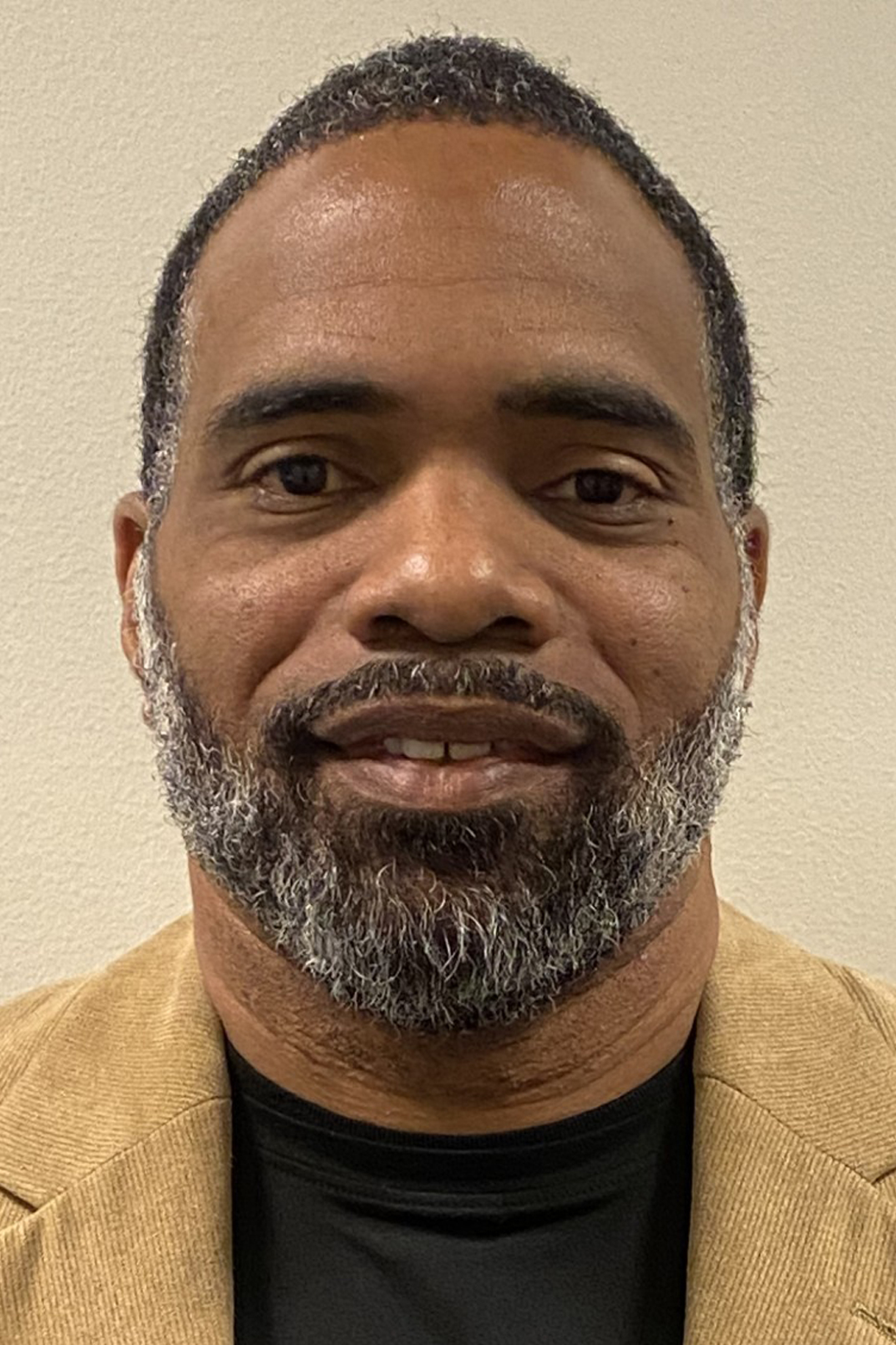
Asheebo Rojas, PhD
Instructor, Neuropharmacology
Research Interests: My research focuses on the understanding of the function of kainate receptors (KARs), with a particular emphasis on investigating the role of these receptors in the heightened hyper excitability of hippocampal neurons following pilocarpine induced status epilepticus (SE). The objectives of my project are: 1) to understand the role of prostanoid receptors in the protection of hippocampus neurodegeneration and inflammation following SE as recently it has been suggested that release of endogenous PGE2 in the hippocampus regulates membrane excitability, synaptic transmission, and plasticity; 2) to elucidate whether there is cross-talk between prostanoid receptors and kainate receptors that may allow for a heightened hyper excitability of hippocampal neurons; and 3) to understand the underlying molecular mechanisms involved. My experiments are directly relevant to the generation of epilepsy (epileptogenesis) and the neuropathologies associated with seizures. I use electrophysiological recordings of whole cell currents of recombinant receptors in heterologous expression systems along with immunohistochemical and pharmacological approaches to elucidate the molecular basis of receptor regulation. Immunohistochemistry revealed expression of prostanoid receptors and KARs in the CA3 region of the hippocampus. By expressing recombinant KARs and prostanoid receptors in the Xenopus oocyte heterologous expression system I found that activation of EP1 by PGE2 significantly potentiates heteromeric, but not homomeric KAR currents in a time- and dose-dependent manner. I have started to investigate the importance of a second messenger signaling cascade involving phospholipase C, Ca2+, and PKC in this receptor cross-talk. A better understanding of kainate and prostanoid receptor interactions may help to provide molecular and pharmacological targets for combating neuopathlogies associated with SE.

Mohammed Shabber, PhD
Postdoctoral Fellow
Synthetic Organic Chemistry
Postdoctoral fellow, synthetic organic chemistry I received my B. Sc. (2004)and M.Sc. Organic Chemistry (2007)from Osmania University, Hyderabad, India. I worked in Symphony Pharma Life Science as a Research Chemist for 1.4 yrs. I qualified CSIR-UGC Fellowship in June, 2008. Due to my immense interest in drug discovery, I had proceeded to join my doctoral research (2009) under the mentorship of Drs. Ram A. Vishwakarma (Director) and Sandip B. Bharate at CSIR-IIIM, there my work focused on "Design and Synthesis of Fused Pyrimidines as Isoform Selective PI3K-α Inhibitors and Development of New Synthetic Methodologies for Carbon- Heteroatom Bond Formation. During my PhD work, I have synthesized structure based analogs which led to the discovery of two lead molecules (IIIM-MCD-817 and IIIM-MCD-873). After completion of my PhD, I worked in Piramal Discovery Solutions and GVKBIO as a Research Scientist for 1.4 yrs. Now I am working as a Postdoctoral Researcher in Emory University under the supervision of Dr. Thota Ganesh. My research is primarily focused on medicinal chemistry around EP2 selective inhibitors for use in the treatment of neurodegenerative diseases. I also interested on development of new methodologies using C-H activation strategy.

Ms. Wenyi Wang
Lab manager
Molecular biology
Ms. Wang's research focuses on understanding the neurodegeneration and inflammation in the Status Epilepticus mice model after Epilepsy treatment. She performs all laboratory surgeries related to the Epilepsy model and Long-term EEG Monitoring in mice. Ms. Wang also manages the lab, trains students, takes care of protocols, and performs EP2 antagonists screening.