Human Genetics Dispatch
Winter 2026:
publications
|
|
|
|
Dear colleagues,
To increase readability, I am splitting up the newsletter into two separate parts. The first part includes a message from the chair, people-related news, new funding and medical genetics updates. The second part contains publications, which take up more space than anything else. Please let me know if you have other suggestions!
Quinn Eastman
|
|
|
|
|
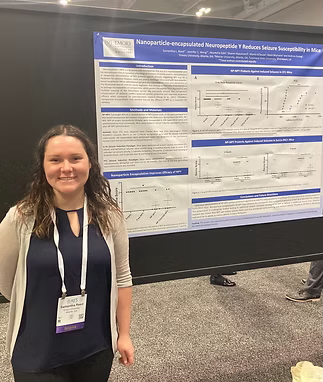
NPY nanoparticles protect against induced seizures in Dravet mouse model
Epilepsia, Samantha Reed, Andrew Escayg, Jennifer Wong and friends at Mercer University
Mutations in the sodium channel SCN1A cause treatment-resistant forms of epilepsy, such as Dravet syndrome and genetic epilepsy with febrile seizures plus (GEFS+). Neuropeptide Y has beneficial anti-seizure properties, and the authors show here that encapsulation in nanoparticles overcomes delivery challenges such as the blood brain barrier and short half-life.
Protection against seizures lasted up to four hours in some experiments, and spontaneous seizures in Dravet model mice were reduced, if not eliminated. The authors observed protection for females against hyperthermia-induced seizures, but not for males. This paper follows similar work from Wong and Escayg on oxytocin.
|
|
|
A new framework for differential co-expression analysis
Bioinformatics, Andrew Bass (now at Cambridge), David Cutler, Michael Epstein
Differential co-expression analysis (DCA) aims to identify genes in a pathway whose shared expression depends on a risk factor. Bass takes a kernel-based approach to DCA and applies it to a thyroid cancer data set. The approach could control some types of errors and help prevent false findings.
|
|
|
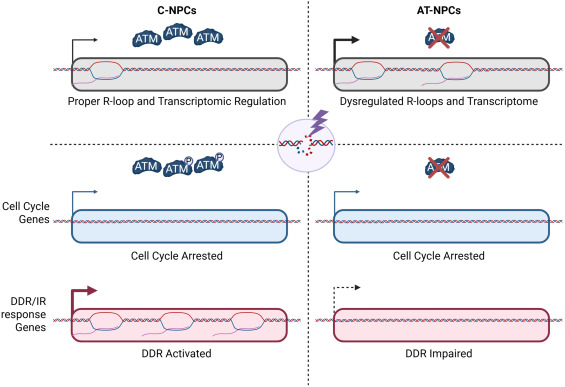
How ATM function and R loops are connected
Journal of Biological Chemistry, Katherine Westover, Bing Yao + colleagues
Ataxia telangiectasia comes from mutations affecting ATM, a protein kinase that is a master regulator of DNA damage response. Loss of ATM leads to a global increase in R-loops in patient-derived neuronal progenitor cells, but those cells also display impaired R-loop formation in response to DNA damage. As demonstrated by the effects of RNAse H overexpression, R-loop formation is required for many key genes to properly respond to DNA damage.
|
|
|
|
|
|
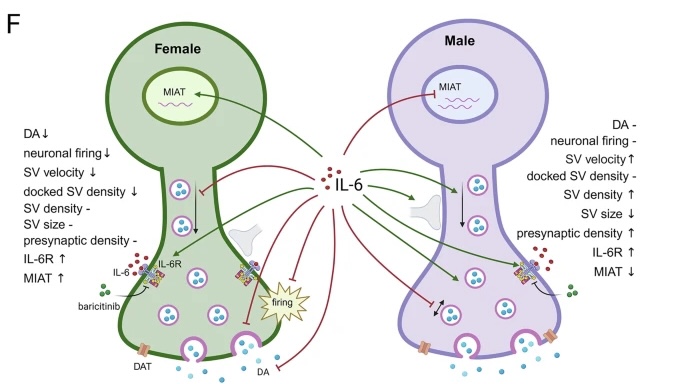
Synaptic effects of interleukin-6 on human iPSC-derived dopaminergic neurons
Neuropsychopharmacology, Zhexing Wen + Psychiatry/Pharmacology
This paper highlights sex differences in the response of iPSC-derived dopaminergic neurons to IL-6, an inflammatory cytokine. IL-6 impaired function in female dopaminergic neurons but induced a compensatory phenotype in male neurons; a long noncoding RNA called MIAT mediates the difference.
The paper also outlines a possible therapeutic mechanism for baricitinib, a JAK inhibitor originally developed for rheumatoid arthritis and repurposed for COVID -19. Baricitinib is now being tested in a clinical trial, in a group of patients with depression and high inflammation.
|
|
|
Insights into FXTAS, including a kinase drug target
Nature Communications, Yulin Jin first author w/ Epstein, Allen, and crew from Jin lab
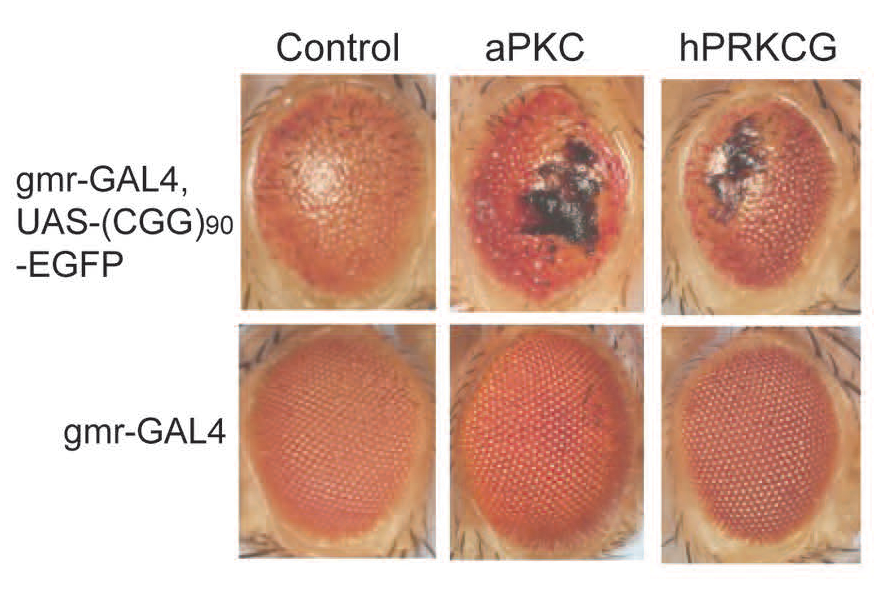
This is a sprawling paper, including analysis of the effects in mice of a FMRpolyG+RNA transgene expressed in specific neuronal cell types, TWAS on premutation carriers and confirmation of candidate genes in a FXTAS fly model.
Knowing that: 1) GABAergic neurons are a problem cell type and 2) protein kinase C gamma is a potential therapeutic target are both steps forward, especially since PRKCG has been extensively studied as a drug target in pain and psychiatric disorders. Gain of function in PRKCG is linked to SCA14/spinocerebellar ataxia 14, and the protein can form amyloid-like aggregates.
|
|
Overexpression of hPRKCG and aPKC results in enhancement of neurotoxicity in the FXTAS fly model
|
|
|
PROTACs vs prostate cancer, this time targeting EZH2
Oncogene, Jindan Yu’s lab, Wanqing Xie first author
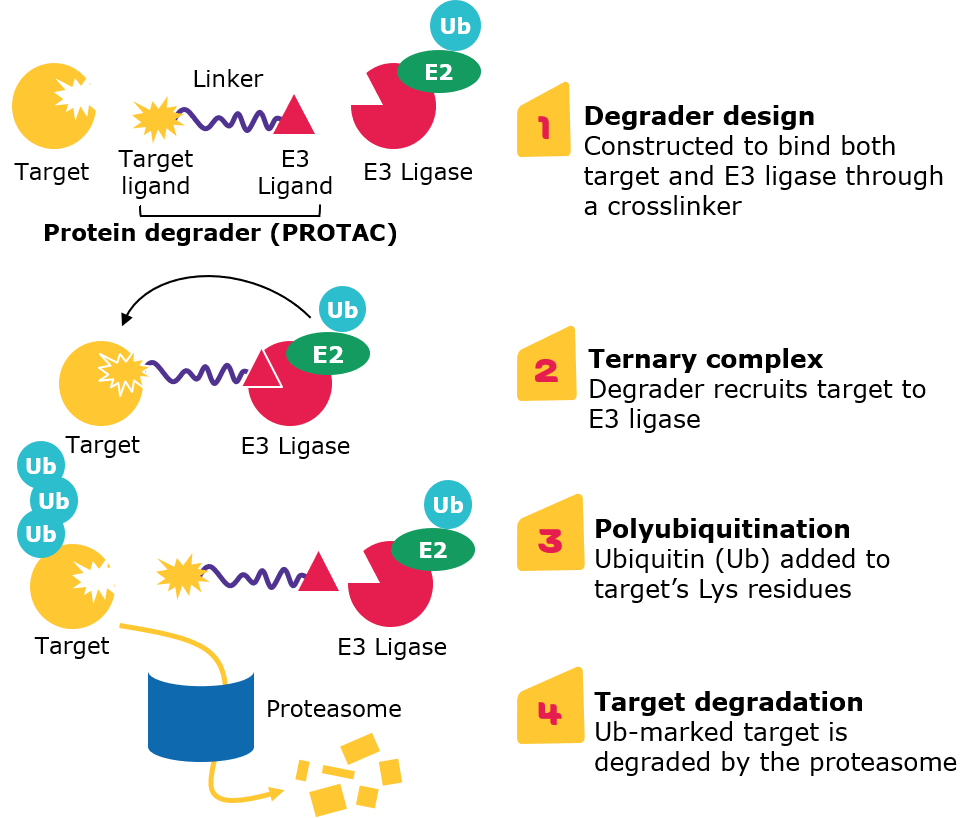
PROTACs (Proteolysis Targeting Chimeras) are bifunctional small molecules that selectively degrade cancer-related proteins by engaging the cell's ubiquitin-proteasome system. They consist of two ligands connected by a linker—one binding a target protein and another an E3 ligase—leading to target ubiquitination and degradation. It’s an appealing concept, and several PROTACs have made it to clinical trials for various types of cancer, including prostate cancer.
This paper describes experiments with PROTAC-6272, which targets the EZH2 histone methyltransferase. Catalytic inhibitors of EZH2 (a regulator of androgen receptor) have been disappointing when deployed against prostate cancer. PROTAC-6272 fell short as far as targeting androgen receptor expression. However, it displayed strong anti-proliferative properties against prostate cancer cell lines and could be combined with other anticancer drugs, the authors suggest.
|
|
|
|
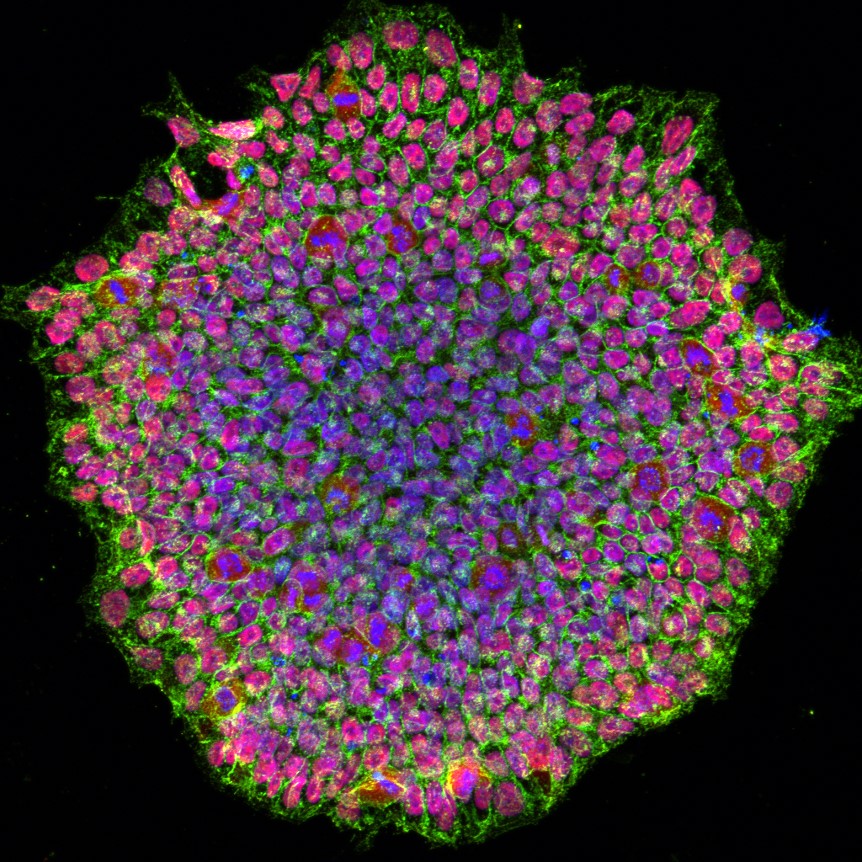
Modeling rare genetic disease with gene-edited induced pluripotent stem cells: relevance of the starting stock line
Stem Cells Translational Medicine, Ashok Dinasarapu and Jinnah lab
This paper should capture the attention of anyone who uses iPSCs to model human disease. Others have proposed that a gene-editing strategy should be considered superior to the case-derived strategy (since differences arising from introduction of a variant can be isolated) and that all gene editing of iPSCs should start with a common reference line.
The authors caution against this approach, observing that case-derived and gene-edited strategies generated different results, and results for gene editing varied according to starting stock line.
|
|
|
|
|
|
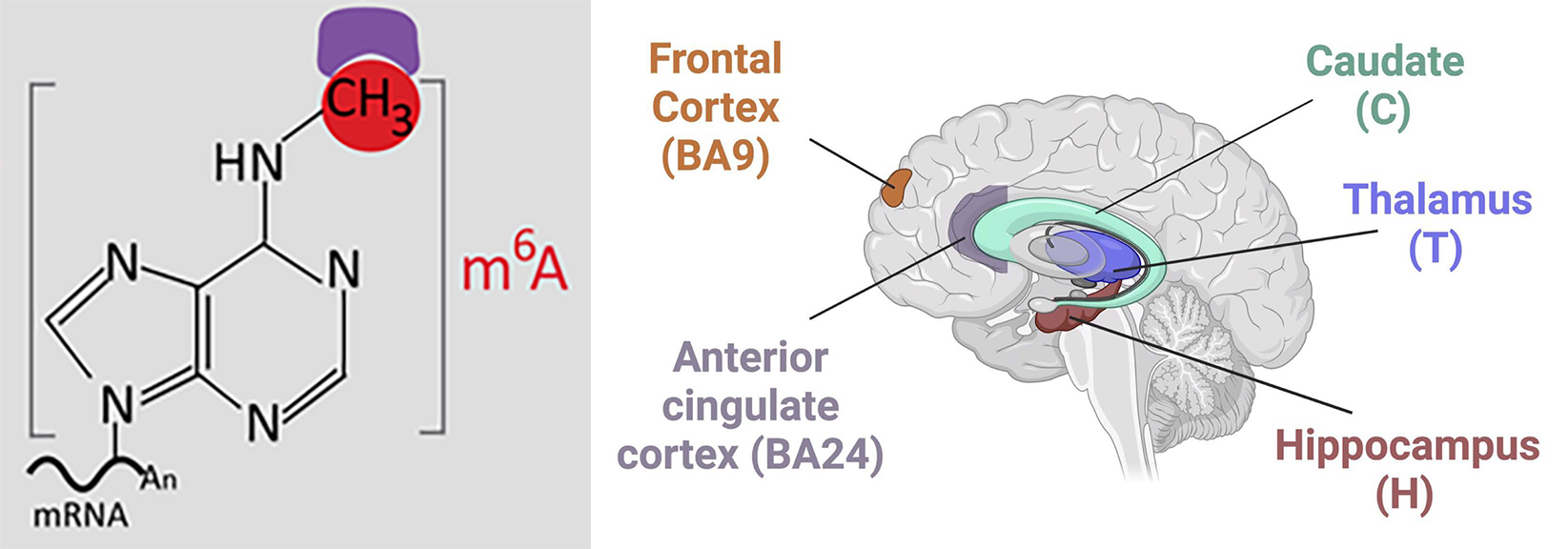
M6A RNA modification profiled in human brain across lifespan
Nature Neuroscience, Andrew Shafik, Peng Jin and colleagues
The authors map patterns of m6A (N6-methyladenosine) RNA modification in human brain across the lifespan. M6A was profiled in five different brain tissues -- frontal cortex, anterior cingulate cortex, caudate, hippocampus, thalamus -- in individuals ranging from age 0 to 71.
For some background on m6A’s importance and complexity, see our Bluesky thread!
Also see below.
|
|
|
Major findings in the paper include widespread regional differences in m6A patterns, especially in genes linked to disease risk (ID, autism, neurodevelopmental disorders, seizures). M6A modification was predominantly variable across brain regions rather than across age groups, with age-related m6A changes most pronounced in prefrontal cortex. The authors were able to show differences in m6A modification between brain regions (ie thalamus vs cortex/hippocampus) for RNAs encoding transcription factors associated with those regions, underscoring a role for m6A in regional gene expression patterns.
Integrating m6A profiles with WGS shows that m6A modifications associate with other disease-related genetic loci (schizophrenia, bipolar, ADHD). The methylation patterns of genes associated with disorders tended to correlate with the brain regions most affected by the disorder.
|
|
|
|
|
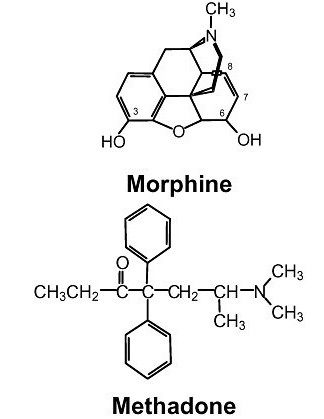
Methadone vs morphine, tested in mice
Addiction Neuroscience, David Weinshenker with Akash Shanmugam first author
In line with their consumption patterns in humans, methadone has a lower reward potency than morphine in laboratory mice, but the two drugs have a similar capacity for blocking pain. The two drugs were previously tested head-to-head for cancer pain, for example. Methadone has a much longer half-life in the body, leading to a higher risk of sedation and respiratory depression.
|
|
|
The Homer Simpson gene -- on drugs
Addiction Neuroscience, Stephanie Foster and David Weinshenker with Hepler lab in Pharmacology
Back in 2010, Hepler and colleagues jokingly nicknamed the G-protein regulator RGS14 as the “Homer Simpson gene”, because mice with RGS14 knocked out were able to remember objects better and learn mazes more quickly than wild type mice. The puzzle was: why did evolution select for a gene that limits learning and memory?
"RGS14 may be a key control gene in a part of the brain (the hippocampus) that, when missing or disabled, knocks brain signals important for learning and memory out of balance," Hepler said back then.
|
|
|
|
Over time, several answers have emerged. One is that loss of RGS14 is not entirely good; the mice are more sensitive to cocaine. In this 2025 paper, David Weinshenker and Stephanie Foster helped Sara Bramlett and the Hepler lab study the function of RGS14 in the ventral striatum, critical for motivated reward and addiction behaviors.
The authors conclude that RGS14 is “a protective agent against the maladaptive neuroplastic changes that occur during addiction.” While mice are not normally exposed to cocaine, the findings help us understand how RGS14 moderates reward-driven behaviors.
RGS14 seems to act as a brake on synaptic plasticity in the brain and elsewhere. Other changes in mice with RGS14 knockout include increased sensitivity to seizures and enhanced fear memory, possibly making animals more prone to PTSD after trauma. Highly expressed in the CA2 region of the hippocampus, RGS14 doesn’t become active until a week after birth in mice, so the window of increased synaptic plasticity may facilitate early social bonding experiences.
RGS14 is also expressed outside the brain, in adipose tissue and in the kidney; mice lacking RGS14 live longer because of increased levels of brown fat. Variants in the human RGS14 gene have been liked to kidney disease, so selective pressure may be coming from that direction!
|
|
|
How miR-137 and the lncRNA GOMAFU interact to drive schizophrenia risk
Translational Psychiatry, Zhexing Wen, Bing Yao with Yue Feng from Pharmacology
A close inspection of how two schizophrenia risk factors, miR-137 and the long non coding RNA GOMAFU, interact. miR-137 enhances expression of GOMAFU, and a significant number of miR-137-regulated transcription factors are predicted to bind the GOMAFU promoter and are perturbed in schizophrenia.
|
|
|
Targeting p300 and CBP abolishes HOXB13-loss-induced lipogenesis and tumor metastasis
JCI Insight, Jindan Yu, Jonathan Zhao
HOXB13 is a prostate-specific transcription factor best known for its role as an androgen receptor cofactor. HOXB13 loss results in an enhanced lipogenic – active production of fatty acids program in prostate cancer, associated with tumor metastasis, and targeting altered lipid metabolism is a promising approach for treating advanced prostate cancer.
This paper highlights the potential for inhibitors of the transcription coactivators p300 and CBP - such as inobrodib/CCS1477 -- as therapeutic options for patients with prostate cancer.
|
|
|
|
|
Microbial solutions for metabolic disorders?
Journal of Inherited Metabolic Diseases, Judy Fridovich-Keil’s lab
You may have heard advertisements for ZBiotics, bacteria engineered to prevent hangovers by supplying extra acetaldehyde dehydrogenase. The elegant idea of using microorganisms to treat a hangover – basically, a temporary metabolic disorder – has gone mainstream. But getting microorganisms to treat permanent (genetic) metabolic disorders may be more difficult, as the results of recent clinical trials indicate.
|
|
|
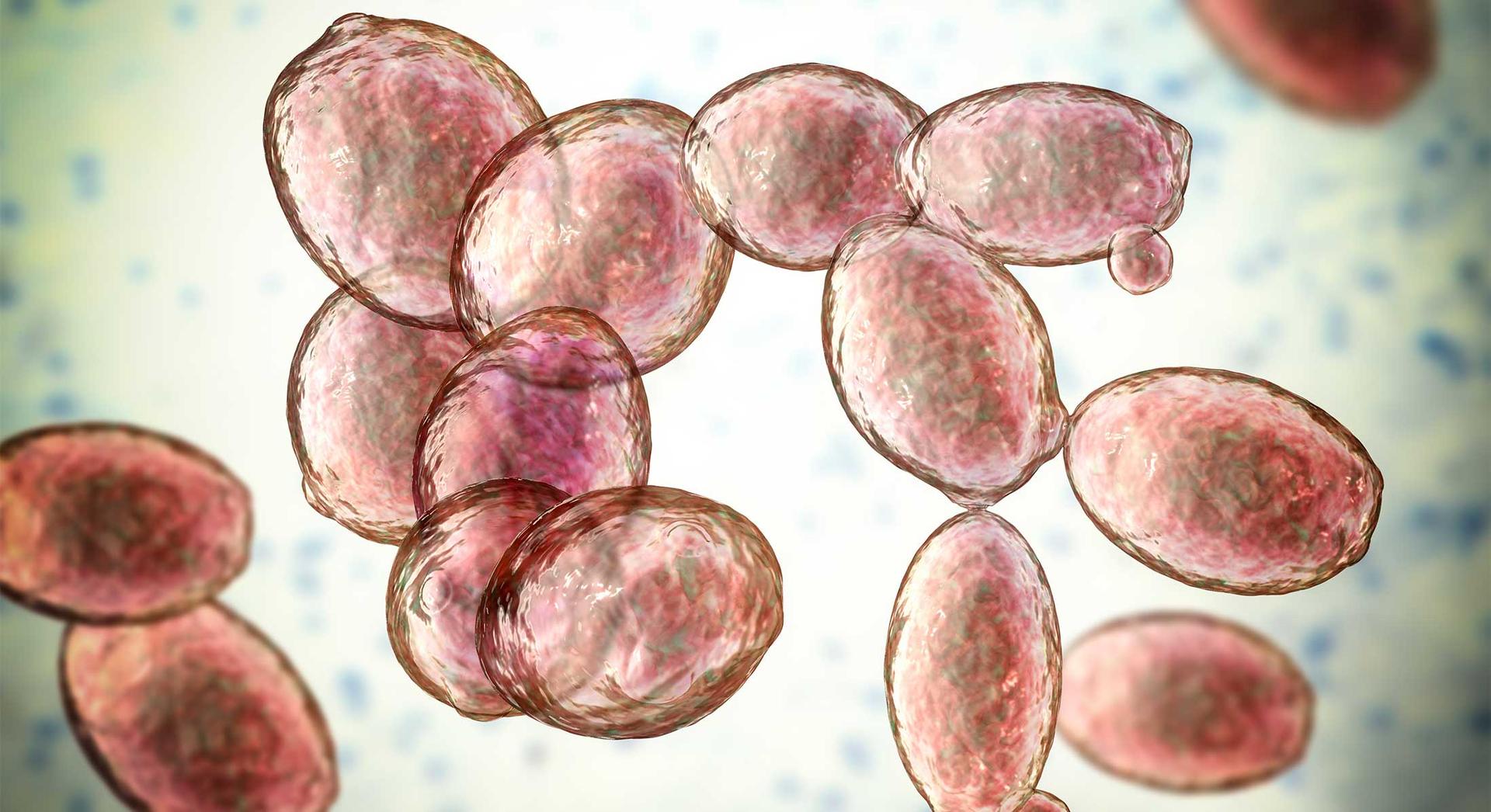
As reported in this paper, a strain of yeast can deliver the ability to metabolize dietary galactose to a rat model of galactosemia. The yeast strain was created through “adaptive evolution” by a San Diego-based startup company called GutsyBio, which is developing fungal treatments for galactosemia and hereditary fructose intolerance.
In this pilot study, the yeast was given to the rats just before the galactose, and the authors didn’t expect the yeast to survive long-term in the mammalian gut. The idea behind the yeast treatment is to give people living with galactosemia a temporary metabolic safety net. For example, if they wanted to be able to eat a normally forbidden treat at a party, Fridovich-Keil says. Still, how any yeast treatment should be implemented in the clinic or at home needs to be worked out.
Taking an analogous approach, a company called Synlogic Therapeutics was testing a bacterial strain engineered to metabolize phenylalanine in people with phenylketonuria. However, Synlogic folded in 2024 after reporting poor results in their phase III PKU clinical trial. A post-mortem interview with one of the investigators, Neal Sondheimer from Toronto’s SickKids, suggests that durability of the bacteria in the gut and ensuring consistent dosing and delivery were challenges. Yeast probiotics, which have been tested in some clinical trials for IBS, might be hardier in there?
|
|
|
|
|
Blood draw or buccal swab?
Journal of Community Genetics, Brittany Adams (GC class of 2025) with Lauren Licthen and Nandini Govil from Otolaryngology
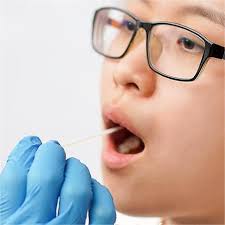
Blood draw or buccal swab - does how a DNA sample is obtained affect whether a patient completes a genetic test? Although buccal swab was more popular in a group of pediatric patients, completion rates were similar. This was in a CHOA clinic where genetic testing for congenital pediatric hearing loss was being performed, and the normal workflow shifted.
The authors note that the buccal swab group had longer turnaround times, possibly because of private insurance and a need for prior authorization. A limitation of this study is that it could not assess patients who had been offered genetic testing and declined, because no order would have been placed. Genetic testing at CHOA’s otolaryngology clinic is offered to all families, but the decision to follow through with testing is voluntary.
|
|
|
Advice on sharing cancer risk info with the family
Familial Cancer, Ruchi Aluwalia (GC class of 2024) with Christine Stanislaw, Nadia Ali, Jamie Paysour and colleagues
This study explored the experiences of Black women sharing their pathogenic cancer genetic test results with their relatives. All eight participants had received genetic counseling and testing at Grady Memorial Hospital.
Notable barriers to disclosure included distrust in the accuracy of genetic testing results and misconceptions such as the idea that hair perm products cause heritable gene mutations. Participants provided suggestions to improve the “family cascade” testing process, such as family result sessions and community awareness events.
|
|
|
|
Exceptional case report on pathogenic TRPS1 variant
Tremor and other Hyperkinetic Movements, Jaime Vengoechea contributing to Emory Neurology/Neurosurgery
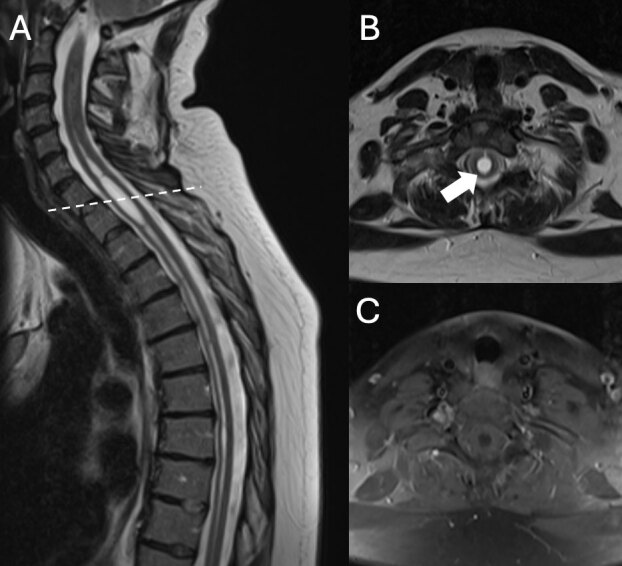
Syringomyelia means formation of a fluid-filled cyst (syrinx) within the spinal cord. This case report describes a patient with a pathogenic variant in TRPS1, a zinc finger transcription factor paying a role in development of cartilage, bone and hair follicles. The syringomyelia appears to have developed through abnormal ossification and skull base weakening.
This was the first report of syringomyelia, tremor and cervical dystonia occurring together in a patient with a TRPS1 variant. Other such reports have documented syringomyelia alone but an association with dystonia had not previously been reported. The patient eventually had surgery for motor problems, with some symptom relief and continued disability.
|
|
|
|
Egoo Phe device progressing towards commercialization
Orphanet Journal of Rare Diseases, Meriah Schoen, Serei Nath, Rani Singh
A convenient point-of-care Phe blood test would be a significant advance for people with PKU. The test device from Egoo is progressing toward commercialization in the European Union and UK. In January 2026, Qlife, a Swedish company, submitted data from an Egoo clinical trial in Birmingham, UK for regulatory approval.
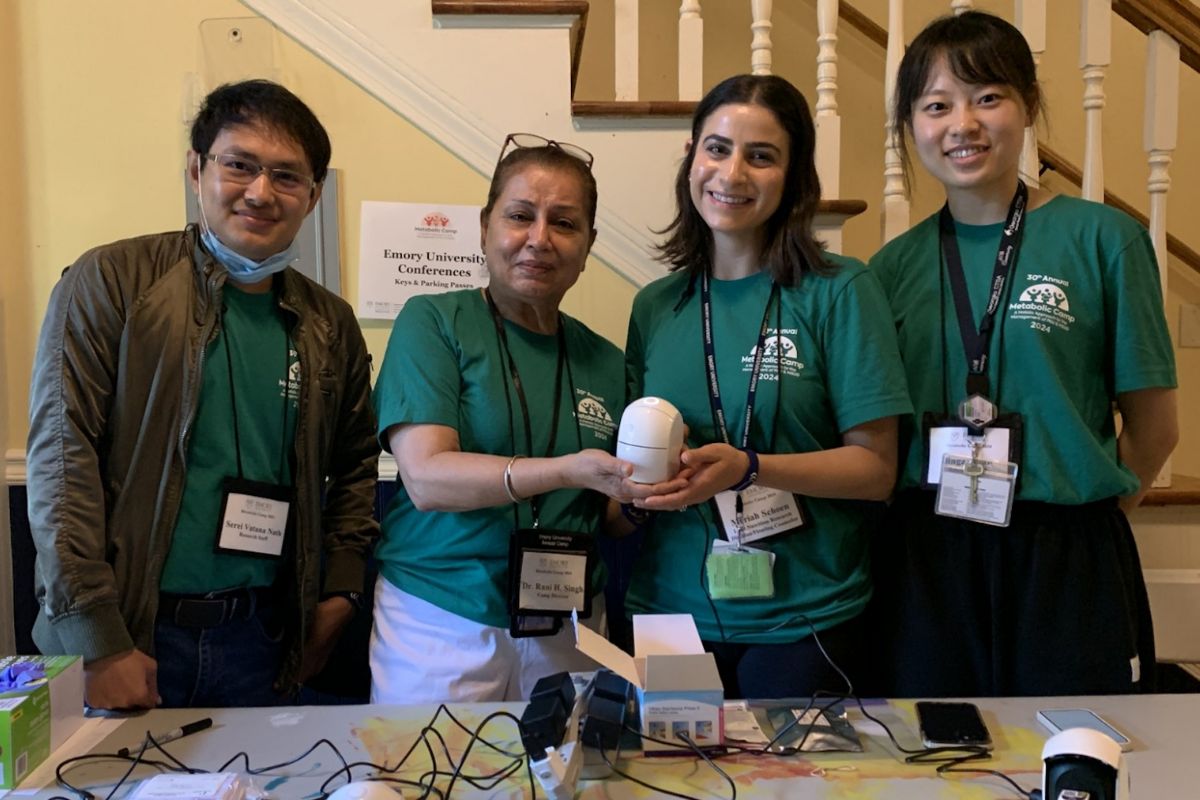
Laying the groundwork, this paper has Egoo testing results from Emory’s Metabolic Camp (see photo). The Egoo tests were managed by camp staff, so this was not a full DIY test at home. Phe concentrations determined by Egoo were generally lower than Phe values measured by plasma amino acids and higher than results from dried blood spots, but it’s possible to correct for this bias.
The device also had some accuracy difficulties with patients taking pegvaliase with low Phe levels. Still, based on the camp study, our team concluded that “the Egoo Phe test is a viable alternative to dried blood spots for home monitoring of phenylalanine in individuals with PKU.”
|
|
The Egoo Phe Analyzer held by Singh and Schoen is about the size of a large coffee mug, and provides results in about 30 minutes.
|
|
|
Duarte Galactosemia is in the books
GeneReviews/Molecular Genetics & Metabolism, Judy Fridovich-Keil, Michael Gambello, Rani Singh
In 2019, Fridovich-Keil and colleagues published a major study on developmental outcomes in Duarte galactosemia and concluded that dietary intervention is not necessary. The update makes sure that this information is reflected in GeneReviews, a major reference source for geneticists. In addition, responses to a survey document show how clinical practice for babies with Duarte galactosemia has evolved.
|
|
|
Treatment of blepharospasm with methylphenidate
Movement Disorders Clinical Practice, Buz Jinnah + Neurology
The stimulant methylphenidate can improve alertness. It can also help keep eyelids open in people with craniofacial dystonias that interfere with their vision, this small-scale telehealth study shows. Methylphenidate’s effects in sleep disorders have previously been studied via pupillometry.
|
|
|
|
|
Targeted questionnaires improve detection of early gastrointestinal symptoms in young children with Fabry disease
Orphanet Journal of Rare Diseases, Anika Qullin (GC class of 2024), Dawn Laney + colleagues
Talking with the pediatrician about GI symptoms such as abdominal pain, bloating, constipation or diarrhea can be awkward -- even when a child is already diagnosed with Fabry disease. So targeted questionnaires are valuable to aid in deciding when to start enzyme replacement therapy. Anika's capstone project proposes a 11-item questionnaire for children older than 24 months – a compromise between two existing options, one very detailed and the other not enough.
|
|
|
Glycogen needs to branch out
Molecular Genetics and Metabolism, Mari Mori with colleagues in Ohio
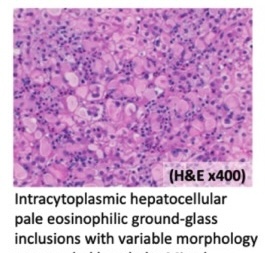
The authors report the case of a 4 year old girl with glycogen storage disease IV, who displayed hypotonia and hepatomegaly. She had initially presented with gastritis, gastric ulcers and gastric perforation, but liver biopsy--> showed signs of glycogen storage disease. Close monitoring showed that her liver function was stable over time. The authors update genotype-phenotype analysis for glycogen storage disease IV and GBE1 (glycogen branching enzyme 1).
|
|
|
|
|
|
A FXPOI educational tool for women's healthcare providers
Journal of Assisted Reproduction and Genetics, Emily Peery, Emily Allen, Lauren Lichten and colleagues
Many women with FXPOI report having to advocate for their own diagnosis and care, often needing to visit multiple healthcare providers before receiving the appropriate evaluation. Thus there is a need for more education on the topic for medical professionals!
The authors assessed the effectiveness of their educational tool through a nationwide survey of 95 women’s healthcare providers and comparing before and after knowledge scores. Although most respondents were ob/gyn physicians, the authors do identify a need for genetics education among nurses and advanced practice providers.
|
|
|
Casting a wider net for CFTR variants
International Journal of Neonatal Screening (links below), Eileen Barr, Rossana Sanchez Russo, Angela Wittenauer w/ senior author Rachel Linneman from Peds/CHOA
In the past, cystic fibrosis was thought of as a disease found mainly among people of Northern European background. This bias has led to underdiagnosis of CF among people of color and poorer clinical outcomes. Georgia's diverse population provides an ideal opportunity to evaluate the performance of CFTR variant panels.
One paper evaluates the performance of the current system. Out of 390 children with cystic fibrosis born in Georgia since 2007, 18 (almost 5 percent) had false negative results on newborn screening: six due to lack of CFTR variant detection and 12 due to low trypsinogen immunoassay values. 30 children had delayed diagnosis, with the majority related to difficulty with sweat testing. Another paper shows that expanded CFTR arrays that include more variants could reduce the number of missed cases.
|
|
|
Haploinsufficiency of GRHL2 is associated with orofacial clefting in humans
Human Molecular Genetics, Sarah Curtis, Elizabeth Leslie-Clarkson and a large group from the Philippines, Pittsburgh and around the world
The authors analyzed whole genome sequencing data on 419 parent-child trios from the Philippines and combined them with data from the Gabriella Miller Kids First Pediatric Research Consortium.
Several de novo variants linked with orofacial clefts were identified in GRHL2, a transcription factor involved in embryonic development. Haploinsufficiency in GRHL2 has previously been linked to hearing loss; the authors say more work is needed to understand how GRHL2 variants can result in either outcome. Variants in the related gene GRHL3 cause Van der Woude syndrome and isolated cleft palate.
|
|
|
Signing up for an ALS study when you’re not sick -- yet
Neurology Clinical Practice, Niharika Jadeja (-->), Nadia Ali, Lauren Lichten
The authors interviewed twelve asymptomatic individuals participating in studies for those at risk for ALS/FTD disorders. Nine were aware of their genetic risk status, while three were not. Taking part in research helped meet their goals, such as altruism, health maintenance, intellectual interest or social connection and support.
Participants reported struggles with the “therapeutic misconception” of clinical research, and anxiety about disease risk. The paper includes advice for study organizers from participants to improve research procedures and informed consent. Also see this 2023 feature in STAT News.
|
|
|
|
Haploinsufficiency of GRHL2 is associated with orofacial clefting in humans
Human Molecular Genetics, Sarah Curtis, Elizabeth Leslie-Clarkson and a large group from the Philippines, Pittsburgh and around the world
The authors analyzed whole genome sequencing data on 419 parent-child trios from the Philippines and combined them with data from the Gabriella Miller Kids First Pediatric Research Consortium.
Several de novo variants linked with orofacial clefts were identified in GRHL2, a transcription factor involved in embryonic development. Haploinsufficiency in GRHL2 has previously been linked to hearing loss; the authors say more work is needed to understand how GRHL2 variants can result in either outcome. Variants in the related gene GRHL3 cause Van der Woude syndrome and isolated cleft palate.
|
|
|
Cleft palate genetics are more complex than previously thought
American Journal of Human Genetics, Kelsey Robinson, Elizabeth Leslie-Clarkson and colleagues
Genome-wide association studies have found fewer than a dozen cleft palate-specific loci. Investigators examined 818 parent-parent-proband trios for de novo variants altering protein sequence, and identified several enriched loci (SATB2, MEIS2, COL2A1, ZC4H2, EFTUD2, KAT6B, and ANKRD11). These genes did NOT overlap much with those previously identified in multiplex families. The authors caution that the genetic architecture of cleft palate is likely to be complex.
|
|
|
Mess with mitochondrial RNA processing, this is what happens
Movement Disorders Clinical Practice, Jaime Vengoechea w/ Emory neurologists
Disruption of tRNA processing in mitochondria can lead to neurological and hearing defects. This case report describes a 40-year-old patient who experienced progressive ataxia, a feature not previously reported in this disorder (combined oxidative phosphorylation deficiency 54).
Repeat expansion testing for hereditary ataxias, performed in the early 2000s, was negative. Clinicians proceeded with a trio genome with repeat expansion analysis, revealing two compound heterozygous variants in PRORP: the nuclear DNA gene encodes the mitochondrial protein-only RNAse. 11 individuals with pathogenic variants in PRORP have been reported previously; hearing loss and developmental delay are the most common symptoms.
|
|
|
Brief mentions (collaborations)
|
|
|
A long list, reflecting many connections made by our researchers:
Indigenous gut microbes modulate neural cell state and neurodegenerative disease susceptibility, Cell Systems, Members of Sloan lab contributing to Tim Sampson project
Expert opinion on facilitating intrafamily communication in rare diseases—Lessons from Fabry disease, Genetics in Medicine, Dawn Laney part of large international group editorial
Global Use of Casein Glycomacropeptide Protein Substitutes for Phenylketonuria (PKU): Health Professional Perspectives, Nutrients, Rani Singh part of international group
Network Hypoactivity in ALG13-CDG: Disrupted Developmental Pathways and E/I Imbalance as Early Drivers of Neurological Features in CDG, Cells, Alexia Tyler King + Steven Sloan contributors to cortical organoid study
Improving Lifelong Comprehensive Care Coordination in Nephropathic Cystinosis: Multidisciplinary Perspectives, Kidney International Reports, Alaena Lim review
Social factors as buffers for the adverse impact of adverse childhood experiences on biological age acceleration among adults in Hispanic Community Health Study / Study of Latinos, Brain Behavior & Immunity, Karen Conneely contributor to RSPH study
Early initiation of enzyme replacement therapy as facilitated by newborn screening improves health outcomes among patients with infantile-onset Pompe disease, Genetics in Medicine Open, Sanchez contributor to multi-center retrospective chart review
Alzheimer's disease polygenic risk in early- and late-onset Alzheimer's disease, Alzheimer’s & Dementia, Erik Johnson part of large AD study
Impact of Proteinuria on Renal Outcomes in the BALANCE Trial, Kidney International Reports, Wilcox part of large Fabry head to head pegylated ERT study
Biallelic variants in CELSR1 cause brain malformations, neurodevelopmental disorders and epilepsy in humans, Nature Communications, Sanchez + Eileen Barr – collection of 7 patients with variants in CELSR1, adhesion GPCR + core component of the tissue/planar cell polarity signaling
Reverse engineering the beat: Assembloid modeling of sympathetic control of the heart, Cell Stem Cell, Birey commentary on heart organoid
Newly identified ARF3 variants strengthen the causal link between Golgi fragmentation and brain malformations, European Journal of Human Genetics, Eileen Barr contributor to international study on small GTPase ARF3 function
A disrupted compartment boundary underlies abnormal cardiac patterning and congenital heart defects, Nature Cardiovascular Research, Diego Quintero
Revisiting oligodendrocytes in amyotrophic lateral sclerosis using human multicellular stem cell models, Trends in Cell Biology, Andersen + students review
Non-Catalytic Inhibitors of the p38/MK2 Interface: Repurposing Approved Drugs to Target Neuroinflammation in Alzheimer's Disease, Journal of Medicinal Chemistry, Zhexing Wen
'What's in a Name?' Naming Genetically Determined Movement Disorders: Gap and Controversy, Movement Disorders, Jinnah involved with nomenclature Task Force/Study Group
Human plasma proteomic profile of clonal hematopoiesis, Nature Communications, Weinstock part of large group
https://pubmed.ncbi.nlm.nih.gov/41277556/
Integrative transcriptomics and network analysis reveals core genes driving meningioma pathogenesis and clinical outcomes, Scientific Reports, Zhexing Wen part of big Emory study
Atomoxetine Drug Properties for Repurposing as a Candidate Alzheimer's Disease Therapeutic Agent, ACS Pharmacology & Translational Science, Levey + Weinshenker part of large group arguing for norepinephrine-targeting drug approved for ADHD
Historical Control Analysis Demonstrates Greater Long-Term Reduction in Plasma Globotriaosylceramide (Gb3) by Venglustat Compared With Placebo or Agalsidase Beta in Male Patients With Classic Fabry Disease, Molecular Genetics and Genomic Medicine, Wilcox part of large group – the fate of venglustat (Sanofi) for Fabry is still up in the air
Actomyosin contractility and a threshold of cadherin cell adhesion are required during tissue fusion, Journal of Cell Biology, Elizabeth Leslie Clarkson + students contributors to UCSF study -- CDH3 (P-cadherin) variants identified in people with cleft lip
Allostatic load and biological aging among middle aged adults, Psychoneuroendocrinology, Conneely part of RSPH study
HnRNP M expression rescues neurodegeneration in neuronal intranuclear inclusion disease mouse model by restoring dysregulated RNA splicing and transcription, Cell & Bioscience, Bing Yao contributor to Central South University study
Identification of Novel and Rare Gene Variants in Cleft Lip/Palate Patients From Kuwaiti Consanguineous Families by Exome Sequencing, American Journal of Medical Genetics A, Elizabeth Leslie-Clarkson part of Kuwait/California study
|
|
|
Thank you for your attention
Comments or edits for this newsletter, or suggestions for the next one: contact Quinn Eastman qeastma@emory.edu
|
|
|
|