Human Genetics Dispatch
Winter 2026:
people & funding
|
|
|
|
Dear colleagues,
To increase readability, I am splitting up the newsletter into two separate parts. The first part includes a message from the chair, people-related news, new funding and medical genetics updates. The second part contains publications, which take up more space than anything else. Please let me know if you have other suggestions!
Quinn Eastman
|
|
|
Welcome to the Winter 2026 edition of the Department of Human Genetics Dispatch. Members of our department, led by Dr. Rossana Sanchez Russo, have organized an excellent program for Rare Disease Day on February 27. A strong group of speakers will address advances in diagnosis and therapy for several rare diseases, including cystic fibrosis and mucopolysaccharidoses. This year, we are also celebrating the late Paul Fernhoff, who did so much to establish the foundations of our programs. Thank you, Rossana, and all who are contributing to this event!
Rare Disease Day reminds us that for many of the individuals we care for in the clinic or study in our research, life has been shaped by a condition few people have heard of. Yet their struggles propel us toward advances that would not have been possible otherwise. In this time of uncertainty over science funding in Washington, caring for those living with rare diseases can be a cause that unites policymakers around a tangible human mission. Our commitment is reflected in Emory’s designation as a NORD Rare Disease Center of Excellence, part of a national network that connects patients to specialists and advances rare disease care and research since 2021.
|
|
|
|
We are excited about the expansion of the Genetic Clinical Trials Center (GCTC) into clinical space at Emory Children’s Center, which will facilitate patient visits for the increasing number of trials managed by the GCTC team. This additional capacity will be key for future studies, including those testing gene and antisense oligonucleotide (ASO) therapies. Our clinicians are currently engaged in gene therapy trials for Fabry disease and ornithine transcarbamylase deficiency, and frequent collaborators at Emory/CHOA, such as Jonathan Glass in Neurology and Stephanie Keller in Pediatrics, are involved in critical ASO therapy studies.
On the horizon are opportunities in individualized genome-based medicine. The trend of n=1 genetic therapies has only gained strength since 2018, when researchers at Boston Children’s Hospital tested a customized ASO in a girl with neuronal ceroid lipofuscinosis. Last year, an infant named KJ became the first to receive gene editing tailored to a rare metabolic disorder. We have the knowledge and experience to be part of these advances. Under the capable leadership of Dawn Laney and Dr. William Wilcox, we are actively exploring a rebranding of the GCTC to reflect its expansion in scale and scope.
While challenges in research funding persist, these developments remind us that our work has a direct and profound impact on the lives of patients and families. I remain deeply grateful for the dedication and resilience of our DOHG community. Together, we will continue to advance our mission and realize our shared vision.
Warm regards,
Peng
|
|
|
|
|
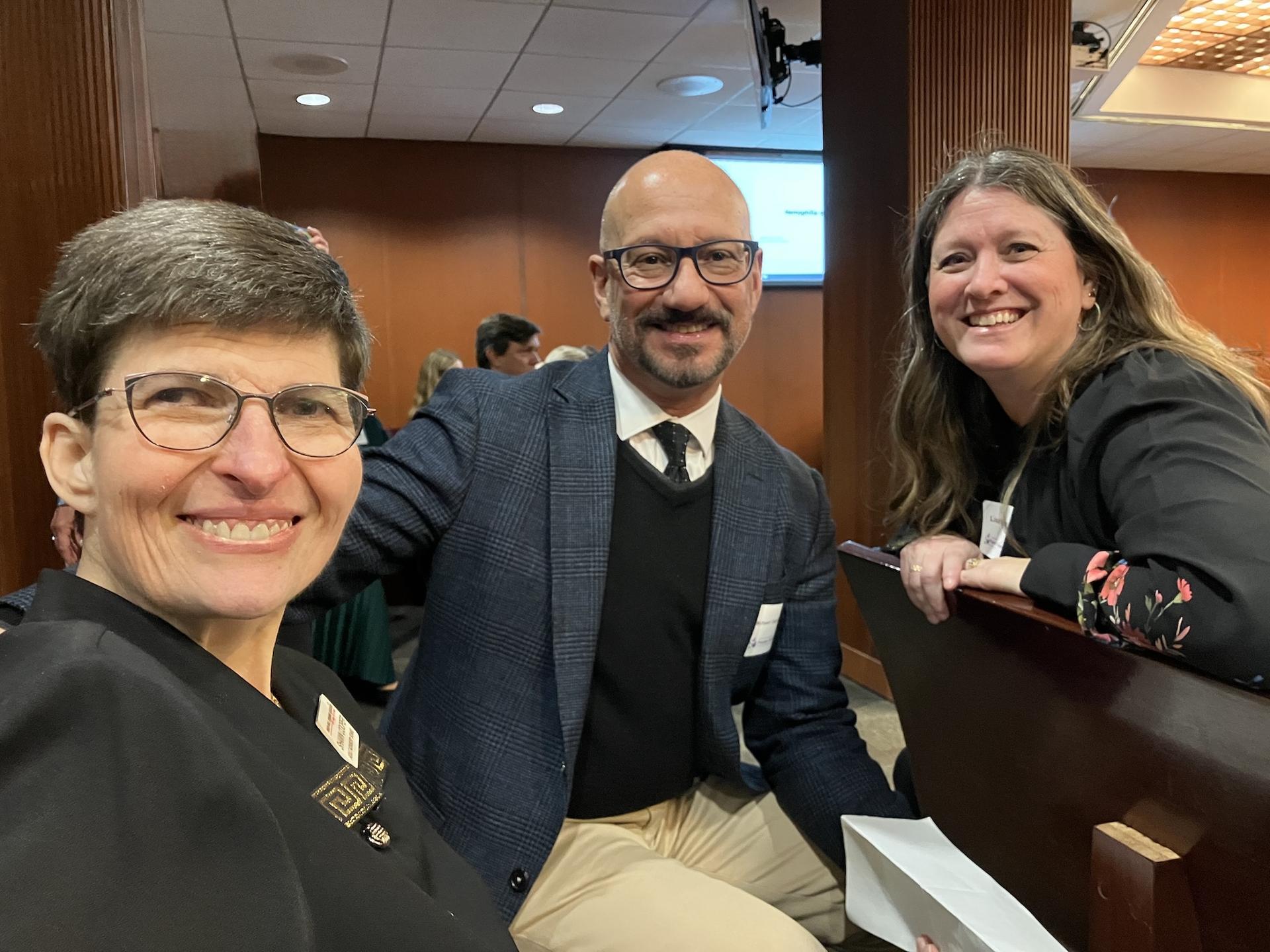
At the start of February, Michael Gambello advised members of the Georgia Legislature about the needs of people with Prader-Willi Syndrome. He spoke to Rep. Sharon Cooper's Public and Community Health Committee, in collaboration with Lisa Matesevac of Foundation for Prader-Willi Research.
|
|
|
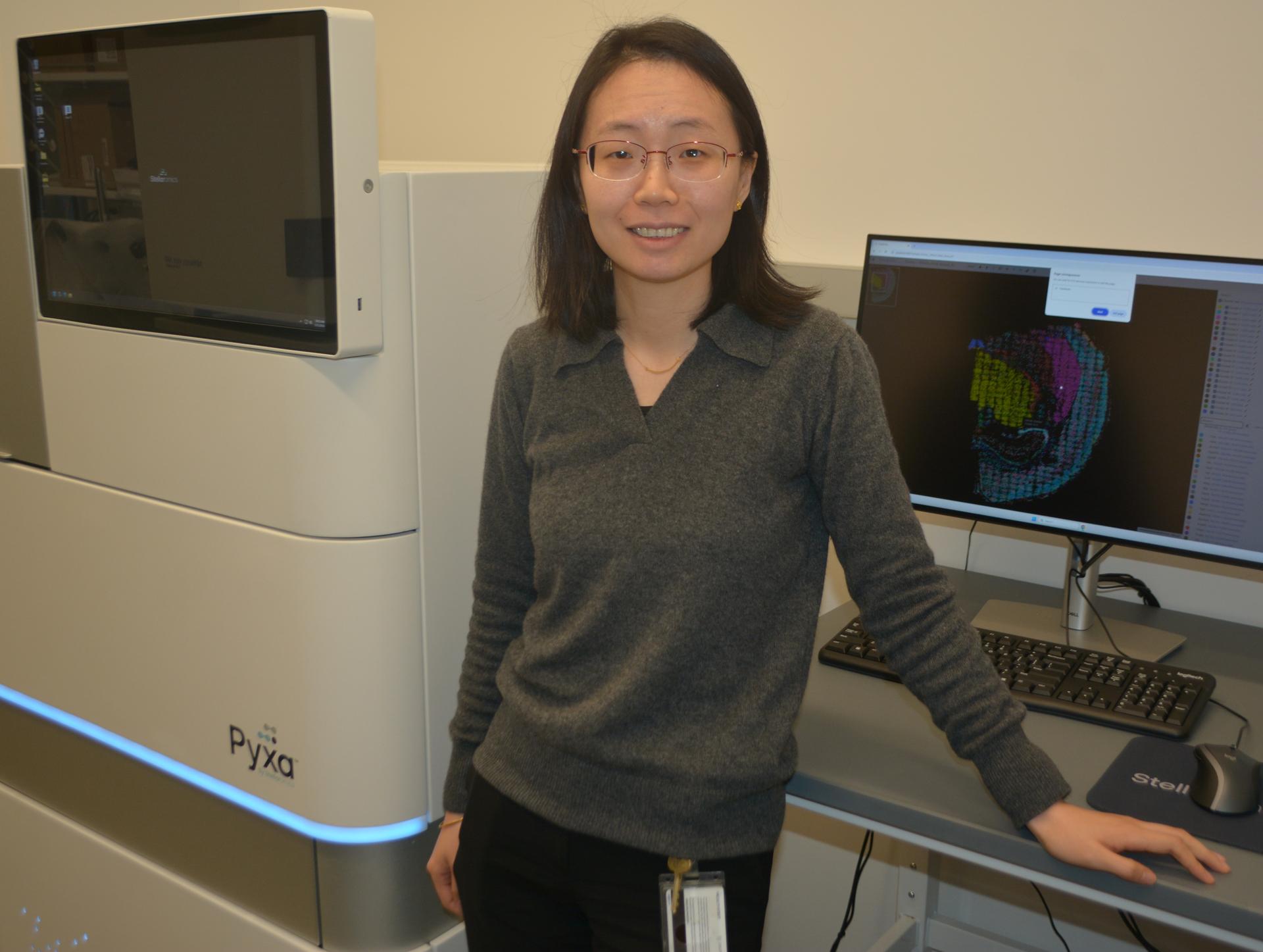
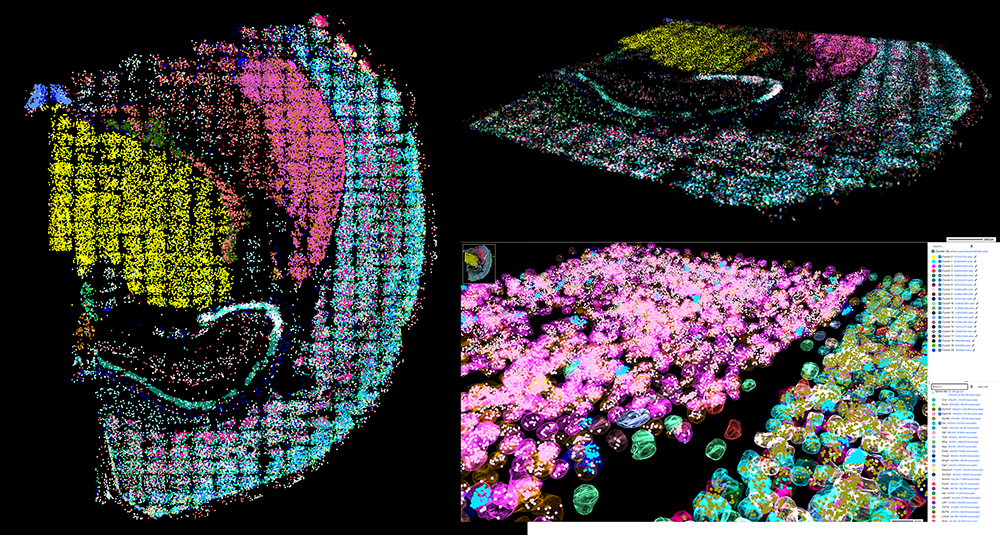
The laboratory of Hailing Shi recently installed a new PyxaTM spatial multi-omics apparatus from Stellaromics. They have the third working PyxaTM in the world, following the University of California Irvine and the University of Glasgow.
"It's incredibly exciting to see the technology mature into a commercial-grade system with Pyxa," Shi says in a company press release. "This capability to visualize cellular neighborhoods and RNA dynamics in thick tissue, in ways that were previously difficult to achieve at scale, is critical for our work in mapping the molecular mechanisms of brain health and disease."
Shown on the computer screen is a scan of mouse brain with a cellular readout of gene expression -- more detail below.
|
|
|
|
|
|
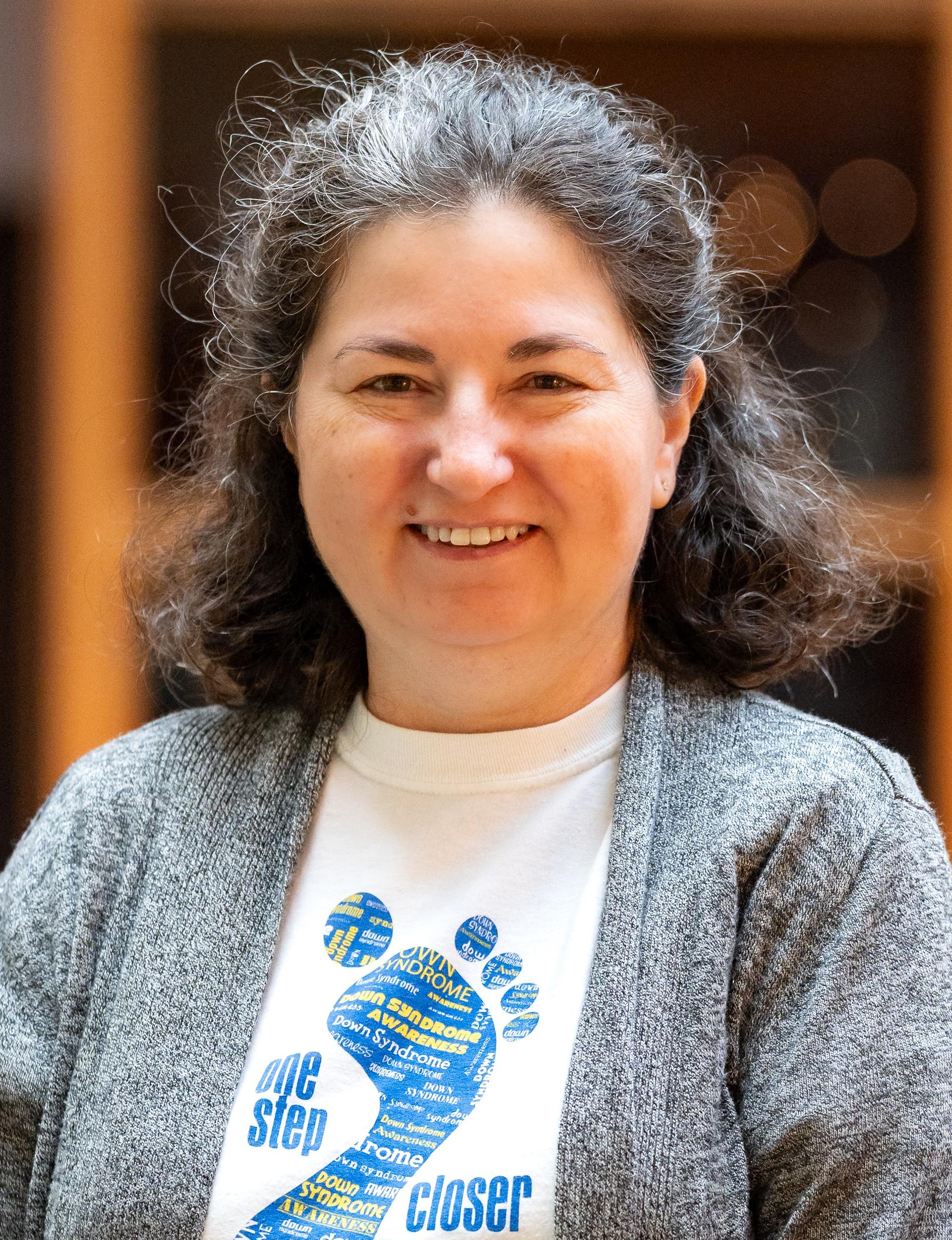
Tracie Rosser recently was invited to join the board of the Down Syndrome Association of Atlanta. It's a natural extension of the work she does at our Down syndrome center, and the DSAA is a close partner of our clinic team in holding the annual conference for families and caregivers.
This gives us an opportunity to highlight the conference, which is coming up on April 18!
|
|
|
|
|
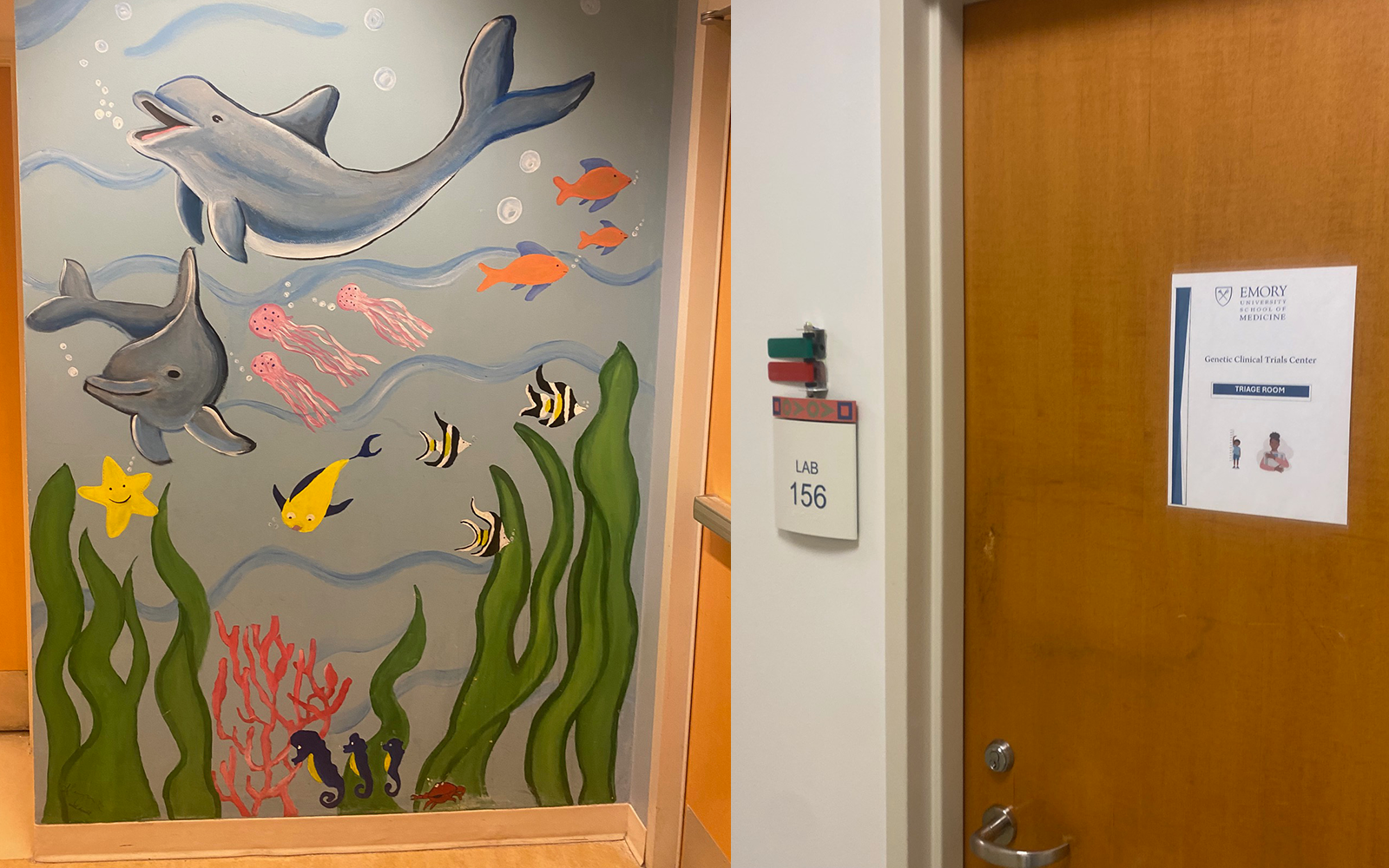
The Genetic Clinical Trials Center recently expanded into clinical space made available by the departure of pediatric research units to the new CHOA campus. This facilitates patient visits for the increasing number of clinical trials being managed by the GCTC team.
The suite is on the ground floor of the Emory Children’s Center and includes several rooms for physical examinations or neuropsychological testing.
|
|
|
DOHG book club
Members are planning to read "Everything is Tuberculosis" by John Green. Email Taylor Pio by 2/25 if you would like to participate.
Summary:
Tuberculosis is seen as a disease of poverty that walks the trails of injustice and inequity we blazed for it. John tells a young patient's story, woven through with the scientific and social histories of how tuberculosis has shaped our world, and how our choices will shape the future of tuberculosis.
|
|
|
|
Next Gen update
Demand for the Next Gen high school internship program is high, as judged by the number of applications: 650, more than previous years. Program director Emily Allen reports that she plans to accept at least ten students for this summer, and possibly more if outside funding allows.
The curriculum will look like two years ago with classroom instruction on genetics, outside field trips, lab rotations and educational coaching, Allen says. Decisions to applicants will be communicated by March 27.
|
|
|
|
|
Bing Yao
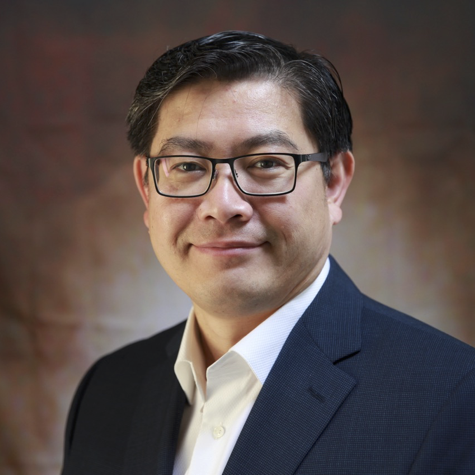
Bing Yao’s research interests focus on epigenetic regulation in mammalian neurodevelopment and how its dysregulation contributes to neural pathology. His lab’s research includes investigations into epigenetic marks, “R-loops” or hybrid RNA-DNA structures and circular RNAs. Bing has provided considerable service to the medical school and university, having served as chair of GMB program admissions, co-chair of the Institutional Biosafety Committee and co-chair of the University Research Committee’s biomedical subcommittee.
When Bing is not at work, which is rare, he enjoys watching professional soccer games, particularly Juventus, a team in the Italian soccer league that he has followed since he was 10 years old. He also values spending time with his two children, William and Evelyn. When Bing sits down at the dining table, he enjoys tasting high-quality IPAs, wine, and sake.
|
|
|
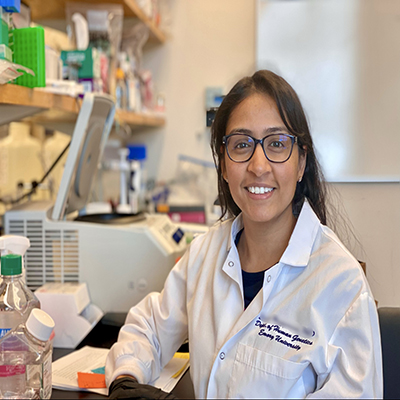
Krupa Patel
Krupa grew up in Ahmedabad, India. At age 17, she made the courageous decision to move to the United States to begin an independent life and attend college. She earned her Bachelor of Science degree from Wright State University in Dayton, Ohio - a place she fondly considers her second home. After graduation, she joined Cincinnati Children’s Hospital Medical Center as a Research Assistant, where she spent three formative years gaining invaluable mentorship and hands-on experience as an early-career wet lab biologist.
In 2024, she joined Emory DOHG as a Lead Research Specialist in Dr. Bing Yao’s Lab. Her work bridges wet-lab experimentation and computational data analysis, integrating molecular biology, epigenetics and histology with bioinformatics approaches. Her primary focus is analyzing high-throughput sequencing data, including transcriptomic and epigenomic datasets. She also generates high-quality spatial transcriptomics data using the MERSCOPE platform to study Alzheimer’s disease (AD) using mouse models. In addition, she collaborates on various bioinformatics projects involving transcriptional regulation, RNA exosome biology, and epigenetic mechanisms across various model systems.
Outside the lab, she is pursuing a Master’s degree in Bioinformatics and Computational Biology (graduating in July 2026), continuing to expand her expertise and scientific perspective. When she’s not immersed in research, she enjoys roller coasters, skiing, ice skating, hiking and hosting friends for fun board games.
|
|
|
|
|
|
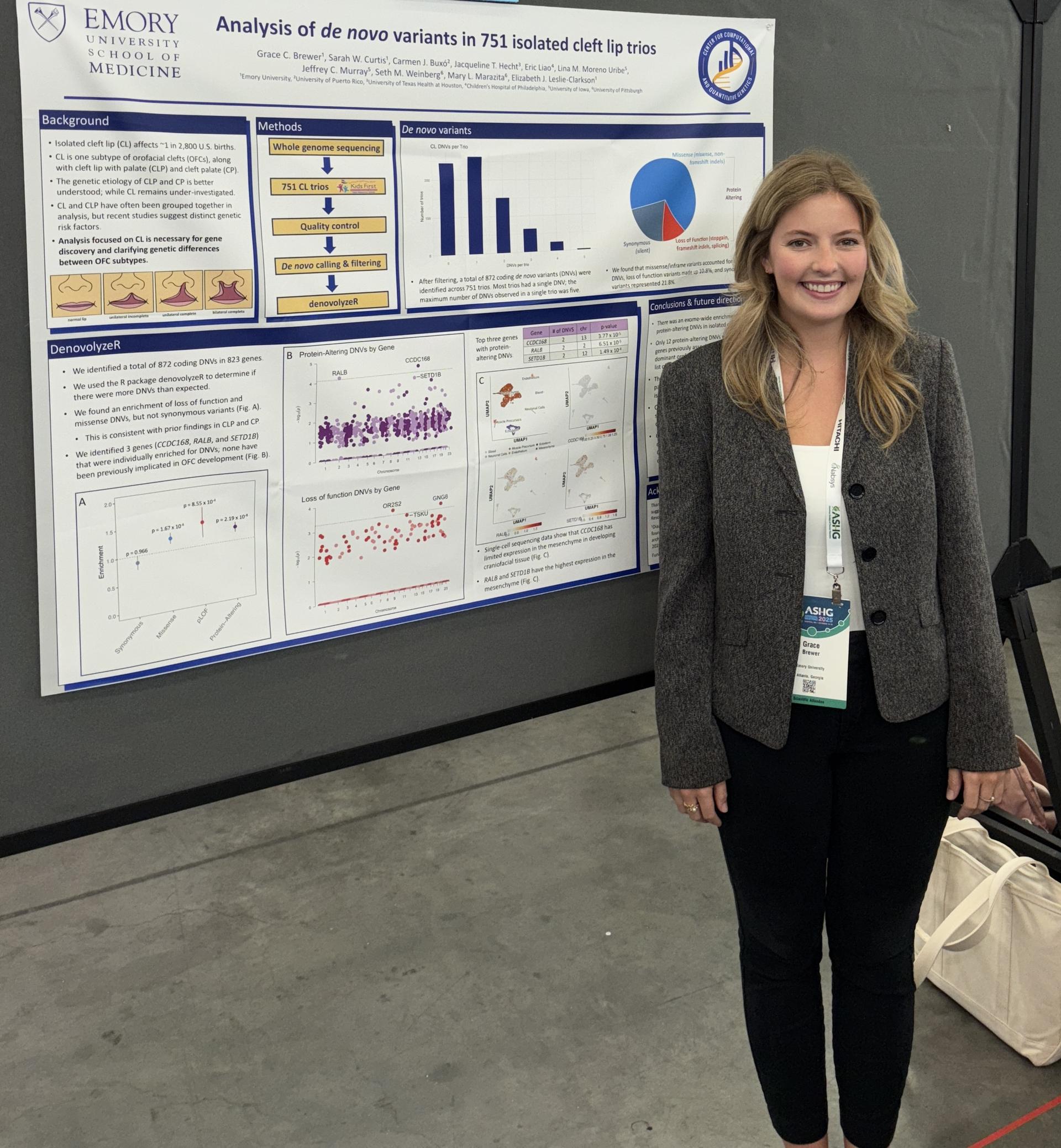
Grace Brewer
Grace was born and raised in Northeast Georgia and earned her B.S. in Microbiology from the University of Georgia in 2022. Go Dawgs! After graduating, she completed a postbaccalaureate fellowship at the National Institutes of Health, where she further developed her interest in human genetics and research. She is currently a graduate student in the Genetics and Molecular Biology program, working in Elizabeth Leslie-Clarkson’s lab. Her thesis research focuses on understanding the genetic architecture of cleft lip. Grace’s long term goal is to get involved with undiagnosed/rare disease research.
Outside of the lab, she enjoys many different (“grandma”) hobbies. She loves to needlepoint, play mahjong, and listen to audiobooks and Taylor Swift. She also loves trying new workout classes and lately a lot of her free time has been spent attending and celebrating friends’ weddings.
|
|
|
Notifications of new funding awards from the National Institutes of Health have been sparse recently. That's why it was a relief to see these!
Hanh My Truong, Caspary lab / F32 NRSA postdoctoral fellowship for project assessing the karyopherin IPO9 and its relationship to the Hedgehog pathway and ARL13B
Jimena Andersen, Wiedemann Steiner Foundation: $90,000 for organoid project
|
|
|
Marcus Autism Center director Ami Klin is leading this effort, expected to include 7500 children. This initiative marks the first major collaboration between our department and the Marcus Autism Center, with the goal of integrating genomics into clinical care at the Center.
Led by Michael Gambello, our clinical team will contribute to clinical diagnoses, genetic counseling, and future clinical trials. Working closely with the Department of Pediatrics and the Marcus Autism Center, we will be able to develop next-generation clinical genomic infrastructure to enable multi-omics approaches in clinical settings. In addition, our department's Brain Organoid Hub will take the lead in functional genomics approaches to advance our understanding of how genetic variants contribute to profound autism.
|
|
|
Enzyme replacement therapy for arginase deficiency approved
This came in just under the wire on February 23!
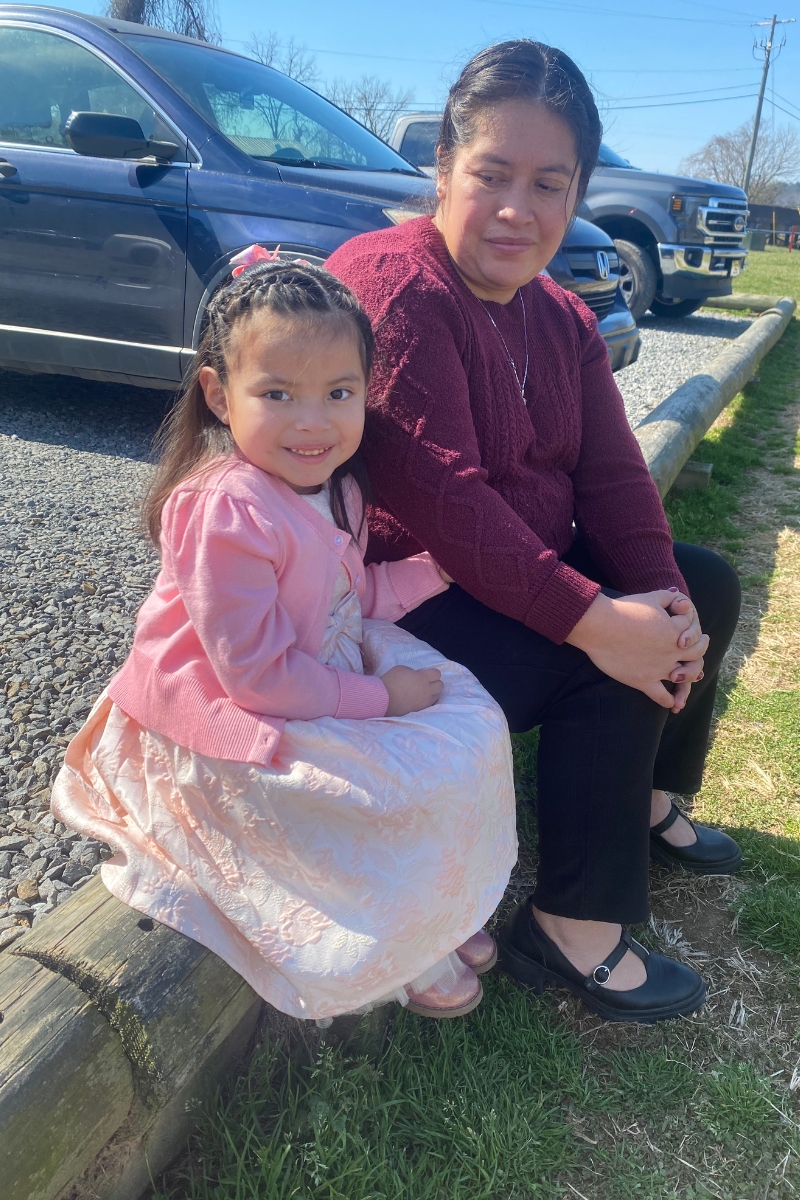
The first enzyme replacement therapy for a rare metabolic disorder was approved by the FDA. Rossana Sanchez Russo was a leader of the clinical trial and a follow up, and recruited several patients for the study.
Two years ago, Emory Report did a feature on one of the families for Rare Disease Day, with the girl who was the youngest participating patient --> (We’re checking in with the family to find out how they’re doing...)
|
|
|
|
MCADD registry + newborn screening initiative
|
|
|
In a recently published study of newborn screening outcomes over the last two decades from Louisiana, the fatty acid oxidation disorder MCADD (medium-chain acyl-CoA dehydrogenase deficiency) was the most common cause of death. This highlights both the relatively high incidence of MCADD -- 1 in 16,000 in Louisiana; about 1 in 50 carriers in Caucasians -- and the potential of sudden mortality.
|
|
|
|
In collaboration with the patient advocacy group Minutes Matter – MCADD, the Medical Nutrition Therapy for Prevention program is launching a research initiative designed to improve diagnosis and care for MCADD. The project will establish a MCADD family registry integrated with the National Organization for Rare Disorders platform, while seeking to improve diagnosis by newborn screening.
If undetected or inadequately managed, MCADD can lead to life-threatening metabolic crises, particularly in infants and young children. Before newborn screening was implemented about 20 years ago, a substantial fraction of first episodes were fatal, often included in the category of sudden infant death syndrome. MCADD can be identified by newborn screening, through detection of high levels of C8 acylcarnitine. Although MCADD is now part of newborn screening panels in all 50 states, families and clinicians continue to report false negatives, delayed diagnoses, and inconsistent guidance following abnormal results.
|
|
|
The name of Minutes Matter was coined to reflect the urgency of needed information, according to founder Beth Vannoy. Infants with MCADD should not go without food for more than a few hours. Sometimes a crisis can arise because of illness that prevents a normal feeding schedule.
Years later, these moments can haunt some families. Matt Salley, father of a daughter with MCADD, says that when his daughter was small, her parents were highly vigilant. Previously the family had lost a son who died at the age of 14 months following a rotavirus infection. They learned after the boy’s death that he had MCADD.
|
|
|
|
At that time, the disorder was not part of standard newborn screening in Georgia. It was just before the state started testing in 2005. So when their young daughter – born in 2006 -- became sick, they would regularly check her glucose levels through finger prick, then provide intravenous glucose if levels dropped too low.
“We had to be very on top of it,” said Salley, part of a group of families that have raised money to support the project; along with improved screening procedures and outcomes research, they stress a need for educating health care providers in rural or underserved areas about MCADD.
Led by Rani Singh, PhD, RDN, LD, researchers will collect data from MCADD-affected families on false negative and adverse outcomes related to newborn screening, and plan to host a patient/provider summit to share insights. The project will leverage the existing newborn screening improvement project supported by HRSA (Health Resources and Services Administration). For the registry, Singh’s team plan to conduct focus groups to inform registry design, and then will enroll 100+ families through a secure portal.
|
|
|
|
|
Carriers can have symptoms too
Because of fragile X premutation phenotypes such as FXPOI and FXTAS, we are familiar with the idea that carriers for some genetic disorders can have symptoms too. Roxanne Khamsi explores this biology in The Atlantic, in an article titled "Their Mutated Genes Were Supposed to Be Harmless."
|
|
|
Georgia newborn screening program plans to add DMD, Fabry and Gaucher
After a less public process than usual (no advisory committee), in December HHS secretary Robert Kennedy Jr approved the addition of Duchenne muscular dystrophy and metachromatic leukodystrophy to the Recommended Uniform Screening Panel. Ohio and Minnesota currently include DMD in newborn screening and several other states are planning to implement it.
The announcement ceremony at HHS was attended by several members of Congress, illustrating how rare disease research and patient advocacy remain bipartisan concerns and have the potential to bring together politicians from both sides of the aisle. In particular, Sen. Wicker (R-MS) cited the decision as continuing his previous work with the late Sen. Wellstone (D-MN) on muscular dystrophy research.
For its part, Georgia’s NBS advisory committee voted in January to add Duchenne muscular dystrophy for a three-year pilot study (estimated cost: about $1.8 million per year), but this proposal still needs final approval from the state Department of Public Health. We'll come back to DMD screening and therapeutic issues in a future issue.
The Georgia NBS advisory committee also recommended adding Fabry and Gaucher disease to the state panel for two-year pilots. Several states (Illinois, Missouri, New Jersey, Tennessee, New Mexico, and Oregon) are currently screening for Fabry and Gaucher but most do not. Neither are part of the RUSP.
For both Fabry and Gaucher, enzyme replacement therapies are approved and available. The anticipated costs for the state are less than for DMD: $1 million and $570,000 per year, respectively.
|
|
|
Thank you for your attention
Comments or edits for this newsletter, or suggestions for the next one: contact Quinn Eastman qeastma@emory.edu
|
|
|
|