Human Genetics Dispatch
Summer 2026:
publications
|
|
|
|
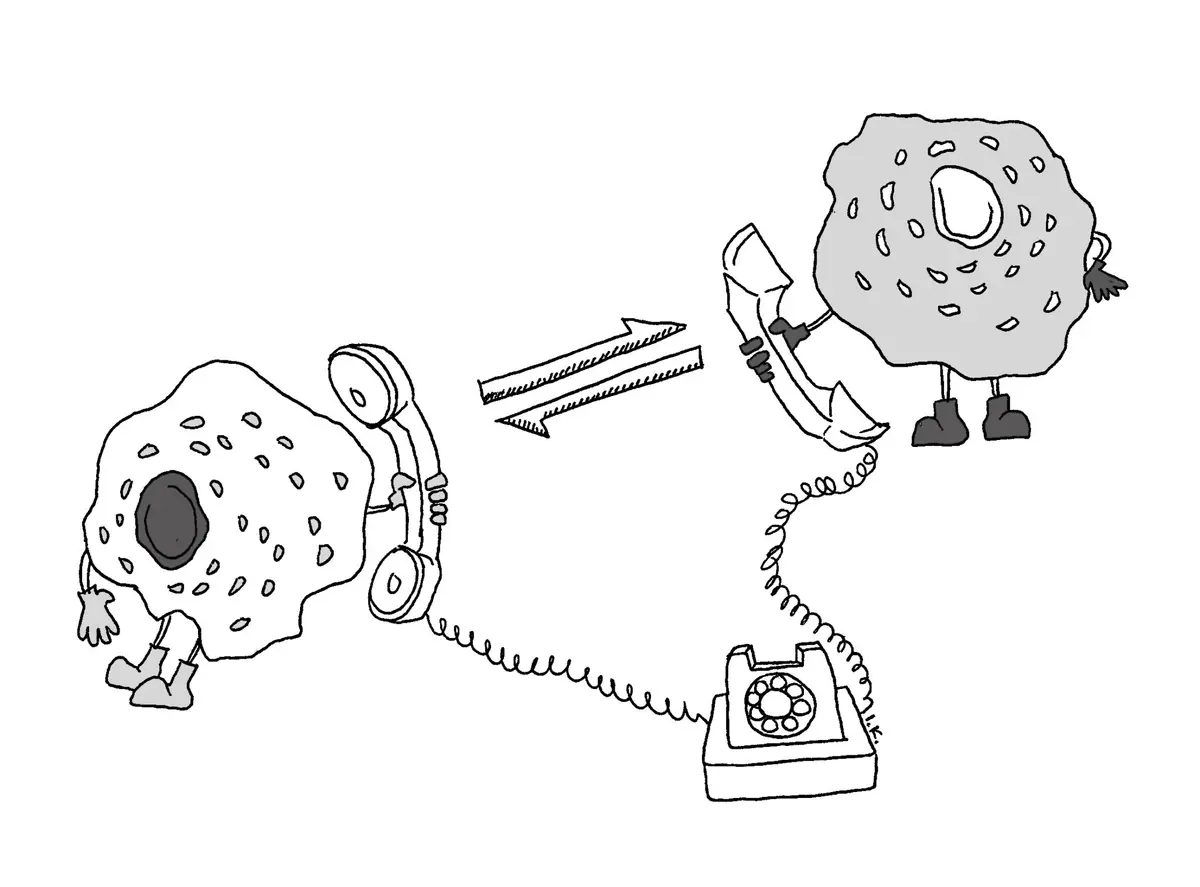
Can you hear me knocking? With scRNA-seq?
American Journal of Human Genetics
, Qile Dai, Jingjing Yang, Michael Epstein
Inferring cell-cell communication from single-cell RNA-seq data is quite impressive! Tested on lupus (immune cell) and autism datasets. Also includes a new acronym: STACCato (
Supervised
Tensor
Analysis tool designed to
identify
Condition-related
Cell-cell communic
ati
on events).
|
|
|
|
|
|
Walking back the effects of locus coeruleus lesions on Alzheimer’s pathology
Alzheimer’s & Dementia
, Alexia Marriott and the Weinshenker lab, Michael Kelberman now in Colorado
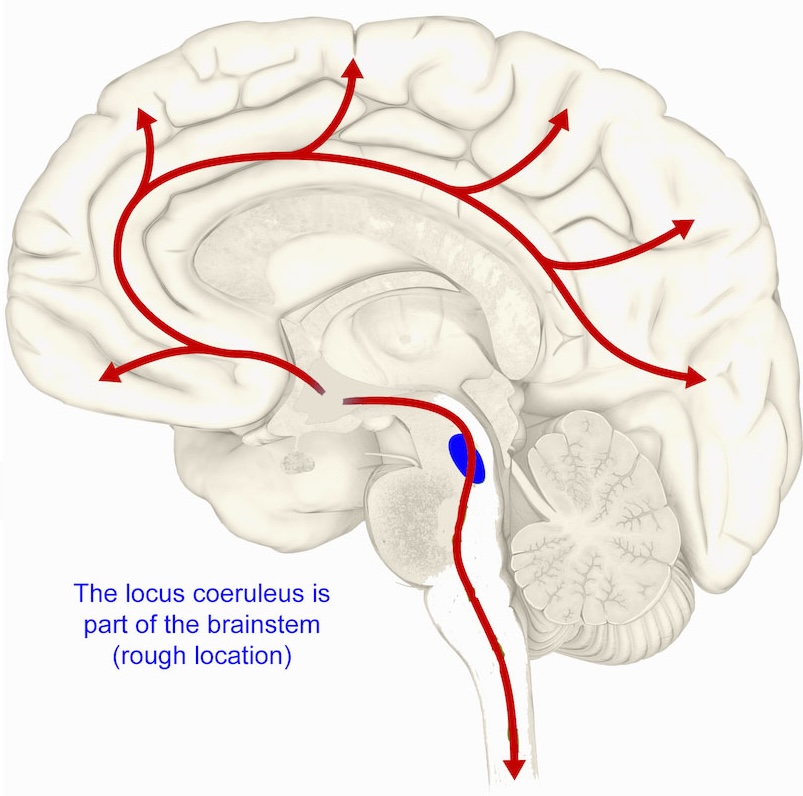
The Parkinson’s disease field has learned a great deal from neurotoxins such as MPTP and 6-OHDA, which target dopaminergic pathways in the brain. The analogous neurotoxin for norepinephrine is DSP-4, which selectively targets the
locus coeruleus: the proverbial “canary in the coal mine” vulnerable brain region in Alzheimer’s.
In this paper, the authors tested the effects of DSP-4 exposure on Alzheimer’s model rats expressing human APP and presenilin. They had hypothesized that locus coeruleus lesions would accelerate neuroinflammation and Alzheimer’s pathology, as observed
previously with
other models. However, the results indicate that “LC lesions exacerbate pre-existing AD-like pathology and behavioral impairments, rather than accelerate their onset.” The team was also surprised that DSP-4 exposure had little effect on sleep latency, since norepinephrine is thought to have a central role in regulating arousal.
|
|
|
Weinshenker says the newer study used very young rats, before the point at which robust pathology or behavioral deficits can be seen. The results here contrast to previous papers examining older animals with more advanced symptoms, he says.
“We have mostly moved on from the advanced disease stages where the LC is degenerated and moved backwards in time to the very first signs of the disease. Specifically, tau pathology appears in the LC prior to any other brain region, and the neurons can survive for a long time with tau burden before they degenerate. However, it appears that tau pathology induces hyperactivity of LC neurons, which leads to very early behavioral changes such as anxiety, depression, and sleep disturbances years or decades prior to cognitive impairment.”
|
|
|
Astrocytes can change hats and become APCs
Neuron
, Emily Hill (now at University of Michigan), Steven Sloan and colleagues, March 2026
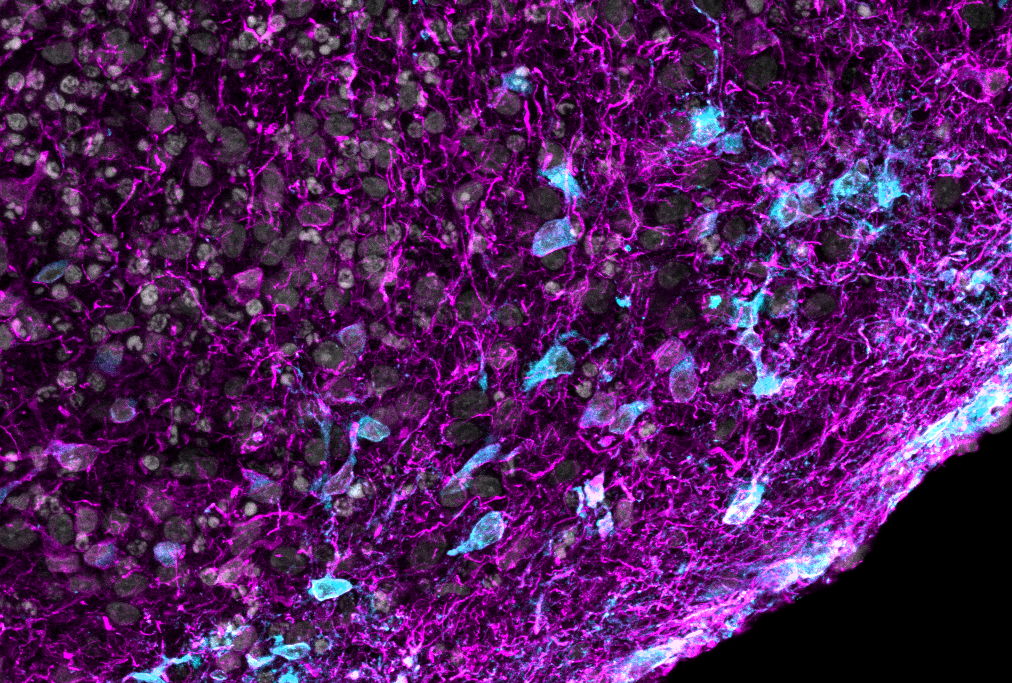
Astrocytes, once viewed as passive support cells in the brain, can become cells that regulate the immune system when exposed to sustained inflammatory signals. Under these conditions, astrocytes can become antigen-presenting cells, which direct the responses of immune cells. But if those signals are removed, the astrocytes return to a quiescent state.
The observation has implications for efforts to control and reverse inflammation in the nervous system, which drives autoimmune disorders such as multiple sclerosis and contributes to neurodegenerative diseases such as Parkinson’s.
|
|
Organoids w/ astrocytes exposed to inflammatory cytokines. Light blue indicates MHC class II expression -- courtesy of Emily Hill
|
|
|
|
|
Aurora kinase inhibitor induces mitotic defects and functional “BRCAness”, sensitizing prostate cancer to PARP inhibition
JCI Insight
, Galina Gritsina (now a postdoc at the University of Washington) and Jonathan Zhao, Jindan Yu
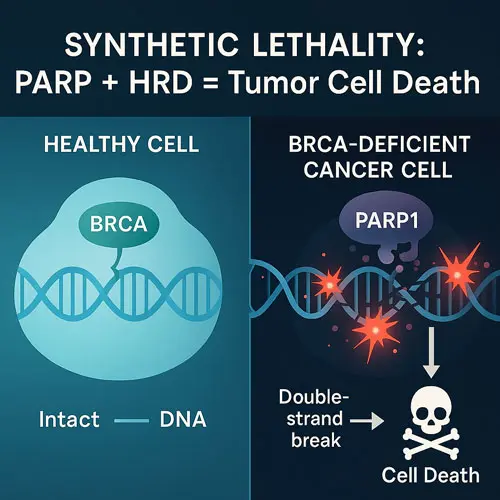
BRCAness – now that’s a word you may not have encountered before. It means that cells are deficient in DNA double-strand break repair through homologous recombination, analogous to cancer cells with mutations in BRCA1 or BRCA2. Such cells are sensitive to inhibitors of PARP (poly ADP ribose polymerase), which are already used against BRCA-mutant cancers.
Here, the authors show that the drug VIC-1911 can sensitize prostate cancer cells to PARP inhibitors. VIC-1911, being developed by Vitrac Therapeutics, is an inhibitor of the DNA repair regulator aurora kinase A. VIC-1911 has been tested against advanced solid tumors, non-small cell lung cancer, liver cancer and graft vs host disease. But not in any study focused on prostate cancer yet! This work points to future clinical studies evaluating anti-AURKA–PARP combinations for patients who progress after standard treatments.
|
|
|
Universal Presence of Gene/Variant Nomenclature Errors in Journal Manuscript Submissions
Clinical Chemistry
, Mari Mori with colleagues in the USA and UK
As geneticists know, manuscript authors continue to describe variants using a variety of nonstandard or legacy-based naming conventions. In fact, a review of manuscripts submitted to
Genetics in Medicine over two years revealed that all of them contained errors – despite the availability of specialized variant nomenclature software.
This isn’t just nit-picking; errors in describing genetic variants can interfere with timely patient diagnosis. The authors conclude that journals need to take alternative approaches to ensure accuracy, such as revising peer review processes and training specialist technical editors (who can properly format gene variants in manuscripts!).
|
|
|
|
FOXA1 loss drives basal/squamous de-differentiation of prostate cancer and induces an immunosuppressive tumor microenvironment
Nature Communications
, Lourdes Brea, Jonathan Zhao, Jindan Yu
FOXA1 is a prostate lineage-specifying transcription factor that is frequently dysregulated or mutated in prostate cancer. The authors define how FOXA1 loss drives tumor progression by profiling tumors in mice with prostate-specfic FOXA1 deletion.
|
|
|
|
|
|
How does a baby’s face form?
Nature Communications
, Elizabeth Leslie-Clarkson, Sarah Curtis and Kelsey Robinson contributing to project led by Justin Cotney at Penn
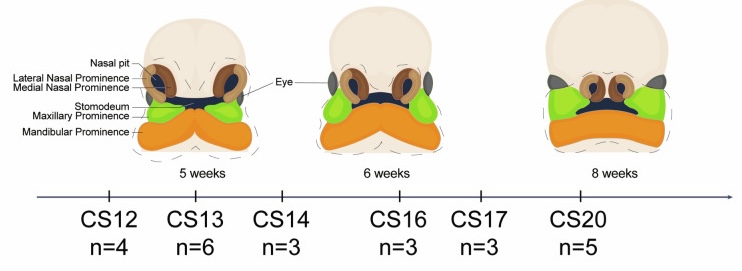
This resource provides data from single-nucleus RNA sequencing of human craniofacial development spanning 4 to 8 post-conception weeks, with multiple cell subtypes of mesenchyme, epithelium, and cranial neural crest identified.
|
|
|
scTWAS: a powerful statistical framework for single-cell transcriptome-wide association studies
Nature Communications
, Zhaotong Lin and Chang Su
Leveraging a latent-variable model and moment-based estimation to address the challenges of noisy single-cell data, scTWAS consistently improves the prediction of genetically regulated gene expression across cell types in both blood/immune cells and brain tissues.
|
|
|
|
|
|
Cell-type-aware TWAS analysis in Alzheimer’s
Communications Biology
, Qiang (Leo) Liu first author, with Jingjing Yang, RSPH and Rush University colleagues
Most existing TWAS studies in Alzheimer’s only use bulk RNA-seq data and a single statistical method. Here Qiang Liu and the Yang lab use cell-type-weighted information to filter TWAS and provide a “more granular characterization of AD risk genes.”
Their new findings extend the network of risk factors outward, beyond known risk factors such as ApoE, BIN1 and MAPT.
The analysis include six cell types: astrocytes, microglia, excitatory and inhibitory neurons, oligodendrocytes and oligodendrocyte precursors. This paper builds on the Yang lab's previous work
developing an “omnibus” TWAS pipeline.
|
|
|
|
|
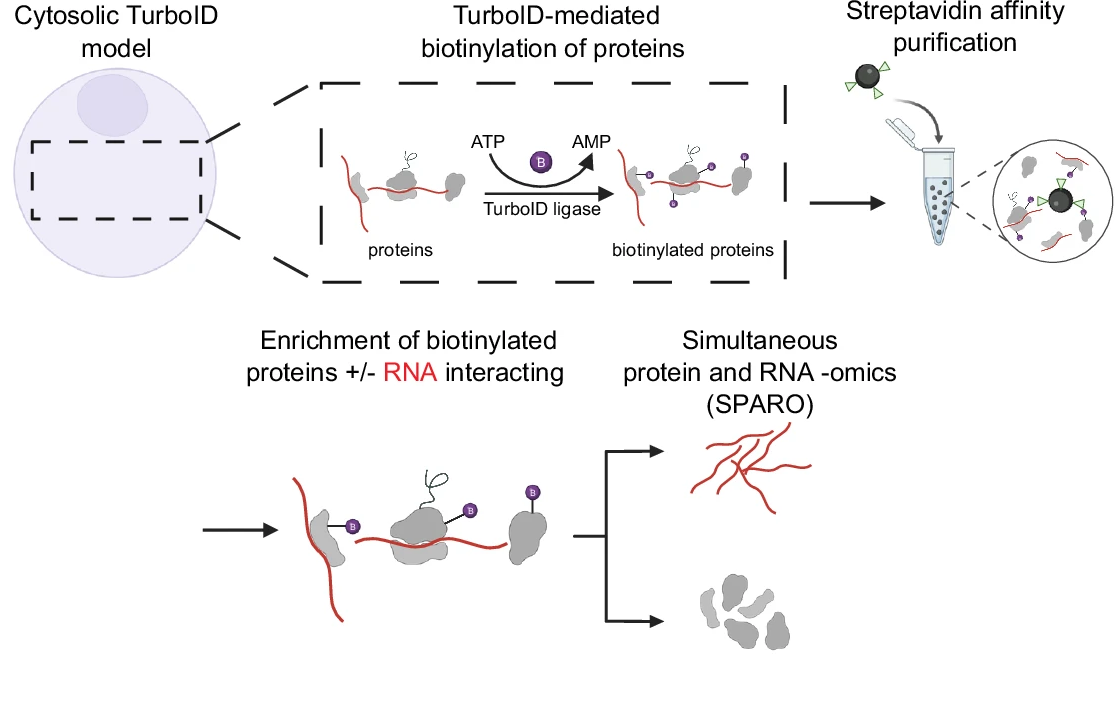
Simultaneous profiling of native-state proteomes and transcriptomes of neural cell types using proximity labeling
Nature Communications
, Maureen Sampson and Steven Sloan contributing to Christina Ramelow/Srikant Rangaraju paper
Rangaraju was in Emory’s Department of Neurology until 2023, when he moved to Yale.
This Yale write-up highlights the TurboID protein labeling technique his lab developed, which they then extended into “Simultaneous Protein and RNA-Omics”.
|
|
|
CEMUSA: a graph-based integrative metric for evaluating clusters in spatial transcriptomics
Bioinformatics
, Xiaobo Sun and colleagues from China
(papers in Serican Journal of Medicine become available online a year after publication)
Long-Read Sequencing Outperforms Short-Read Sequencing in Detecting Most Structural Variations
Serican Journal of Medicine
, Xinyue Chen, Jonathan Zhao and colleagues
Are you surprised? Long-read sequencing (Oxford Nanopore) outperformed short-read sequencing in detecting most structural variations, except deletions longer than long-read length capacity.
Appropriate normalization is critical to improve reproducibility of tissue ChIP-seq
Serican Journal of Medicine
, Jindan Yu and Jonathan Zhao
The authors evaluate four ChIP-seq normalization methods utilizing triplicate Foxa1 ChIP-seq data performed in mouse prostate cancer tissues. They highlight the importance of input-adjusted spike-in normalization for tissue ChIP-seq.
Impact of Nanopore Flow Cell Types on DNA Methylation Detection
Serican Journal of Medicine
, Xianglin Shi, Jonathan Zhao and colleagues
The authors were optimizing long-read sequencing protocols using Oxford Nanopore Technologies equipment. The study reports superior performance of R10 flow cells (compared to R9), leading to higher accuracy in base sequencing and DNA methylation detection.
|
|
|
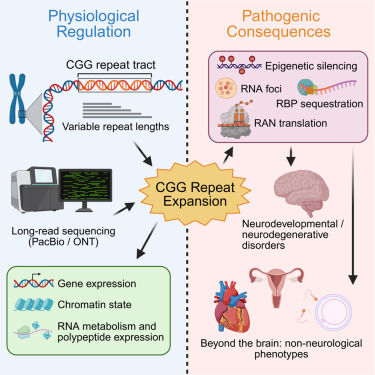
Polymorphic CGG repeats in gene regulation and disease
American Journal of Human Genetics,
Yijing Zhao, Emily Allen, Peng Jin and colleagues
We would not usually highlight a review in this section, but CGG repeat disorders include fragile X syndrome and related conditions.
And fragile X is a big deal around here!
|
|
|
|
|
|
On the path to pediatric genetics
Meredith Fuchs and peers across the country,
American Journal of Medical Genetics A
Check it out for more from our new Peds/Medical Genetics resident:
"My interest in genetics was sparked by the excitement surrounding emerging gene therapies and the promise of precision medicine. It wasn't until my senior year in college that I came across a job posting for a Clinical Genetics Coordinator. Meeting a pediatric geneticist made medical genetics feel real, and it was this experience that led me to explore (and ultimately fall in love with) this field."
|
|
|
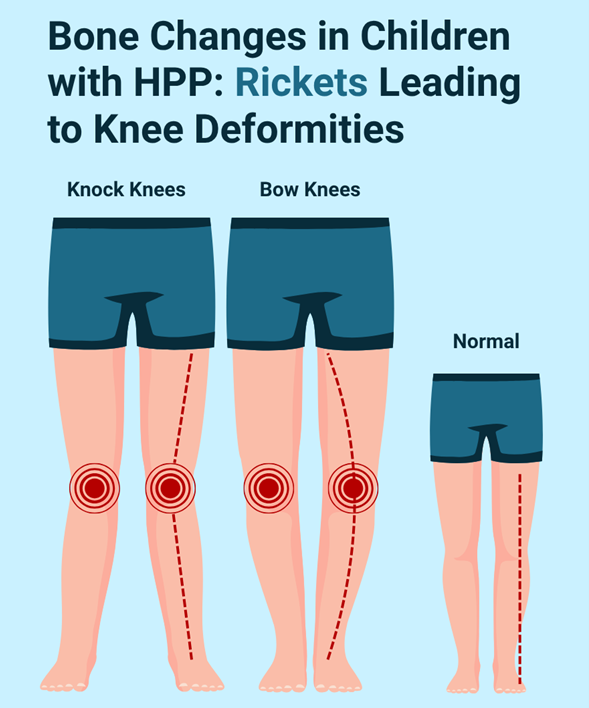
Impacts of genetic counseling on hypophosphatasia heterozygotes identified through carrier screening
Journal of Genetic Counseling
, Karen Grinzaid and Melanie Hardy (now at JScreen) with Michael Gambello, Ami Rosen, Valynne Long
Results from a survey of ALPL heterozygotes identified through carrier screening between 2015 and 2023. Most participants were glad hypophosphatasia was included in the carrier screening process and felt the genetic counselor's explanation was easy to understand. The findings highlight the influence pretest personal health record education and genetic counseling for results disclosure have on patient satisfaction and empowerment.
|
|
|
|
3q29 remote phenotyping
Journal of Intellectual Disability Research
, Jennifer Mulle with DOHG co-authors --
Mulle launched the 3q29 project while a faculty member in our department, and moved to Rutgers in 2021. She discussed this work at a recent seminar.
The 3q29 project is aimed at dissecting the effects of 3q29 deletion, a major genetic risk factor for schizophrenia and autism. Remote phenotyping could allow investigators to include a larger number of study participants. The authors see their remote phenotyping protocol as a model for studying other rare genetic disorders with complex phenotypes.
|
|
|
|
|
|
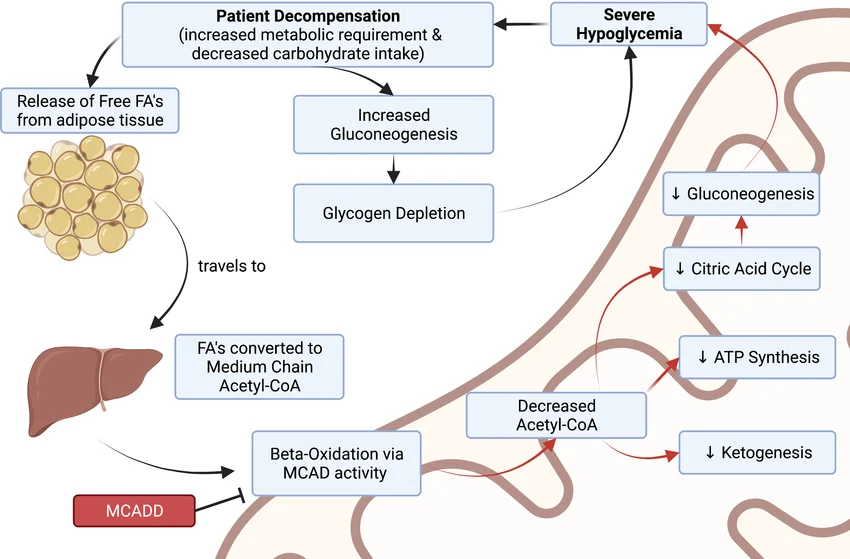
2023 MCADD patient and family education summit with providers: meeting highlights, congruences and contradictions
Orphanet Journal of Rare Diseases
, Rani Singh, Aileen Kenneson, Saran Gurung
This summit highlighted unresolved issues for families of MCADD patients. They know that younger children with MCADD need to avoid extended periods of fasting and to avoid certain foods. But consensus on some practices for preventing metabolic crises (home glucose monitors, carnitine supplementation, cornstarch at bedtime) is lacking. The meeting helped clinicians work toward evidence-based consensus protocols for managing this disorder. Our department continues collaboration with patient advocacy groups such as Minutes Matter MCADD.
|
|
|
Beyond GALT: long-term complications in galactosemia
Journal of Inherited Metabolic Diseases
, Olivia Garrett, Nicole Smith, Judy Fridovich-Keil and colleagues
Despite families’ best efforts to limit dietary galactose, many patients with classic galactosemia experience developmental delays and long-term complications. The authors believe that genetic risk factors outside GALT (the gene that encodes the missing enzyme in galactosemia) modify developmental outcomes; this was a study aimed at demonstrating those factors’ existence and significance. They asked if having a sibling affected by a developmental complication increases the likelihood that a child with galactosemia will have the same complication – the answer was “yes.”
Looking ahead, Fridovich-Keil says she has been developing plans for a targeted association study, since the available galactosemia cohort (about 400 patients) is likely too small for a GWAS. She has a list of likely target genes, based on
metabolomics, as well as risk variants associated with cognitive/speech/motor outcomes in the general population.
In a letter to families accompanying the paper, Fridovich-Keil wrote that more accurate prognosis could guide decisions about early intervention and support for children with galactosemia. It could also help researchers design clinical trials prioritizing enrollment of asymptomatic younger children who have a higher risk of complications.
|
|
John
GALT is the protagonist in Ayn Rand's
Atlas Shrugged
|
|
|
Characterizing the frequency of clinical events and assessing biomarkers in propionic acidemia: a natural history study
Orphanet Journal of Rare Diseases
, Hong Li contributing to multi-center study
The goal for this international study of 50 patients with propionic acidemia was to understand the relationship between metabolite biomarker measures and decompensation events. Such events usually include hyperammonemia and acidosis, leading to vomiting, lethargy and possibly seizures or pancreatitis. Some patients with propionic acidemia go on to receive liver transplants. In the study, decompensation events occurred twice a year in small children and diminished in frequency as they grew up. Biomarker data may guide future treatment studies.
On that note: this study was funded by Moderna, which has been developing
an mRNA therapy for propionic acidemia (still recruiting, according to
clinicaltrials.gov). At the start of 2026, Moderna
licensed the mRNA therapy to the Italian company Recordati for $50 million. Moderna will continue developing the mRNA, but Recordati will lead commercialization if it is approved. Moderna also had a mRNA therapy for methylmalonic acidemia in the works, but that study was terminated “
as part of ongoing efforts to refine the MMA program strategy.”
|
|
|
|
Brief mentions (collaborations)
|
|
|
A long list, reflecting many connections made by our researchers:
Generative Principal Component Regression via Variational Inference
IEEE Transactions on signal processing
, Austin Talbot, Alex Kotlar and friends
https://pubmed.ncbi.nlm.nih.gov/42204023/
MMTC-Net: Multimodal Temporal Cervical Network for HSIL+ Recognition in Precancer Screening
Journal of Imaging Information Medicine,
Jingjing Yang contributing
Mitochondrially Transcribed dsRNA Mediates Manganese-induced Neuroinflammation
Journal of Neuroscience
, Sloan lab contributing to Faundez/Werner paper
Changes in Purine Metabolism During Differentiation of Dopamine Neurons from Human Induced Pluripotent Stem Cells
Cellular and molecular neurobiology
, Hess/Jinnah lab
Uses HPRT1 null/edited iPSCs. HGprt does not have a large impact on early neuronal differentiation and may instead play a more important role in later neuronal differentiation or function.
Adrenomedullin restores the human cortical interneurons migration defects induced by hypoxia,
Elife
, Fikri Birey co-author on Anca Pasca/Stanford
Diagnosis and pathogenesis of dystonia: clinical heterogeneity, shared mechanisms, and neurodevelopmental origins, Review in
Lancet Neurology
, Buz Jinnah part of international group
West Nile virus and Zika virus infections induce aggresome formation in human neural progenitor and A549 cells,
Journal of Virology
, Zhexing Wen part of Georgia State study
Functional and computational interrogation of juvenile idiopathic arthritis risk loci in CD4+ T cells,
HGG Advances
, Sampath Prahalad
Seizing Control of the CA2, Commentary in
Epilepsy Currents
, Jennifer Wong
SMARCB1 missense mutants disrupt SWI/SNF complex stability and remodeling activity,
Nature Communications
, Karen Conneely contribute to Andrew Hong/Pediatrics
Defining multipotent intermediate progenitors in cortical development, Review in
Trends in Neuroscience,
Nardos Kebede and Steven Sloan
Long-term efficacy and safety of pegunigalsidase alfa administered every 4 weeks in adults with Fabry disease: results from up to 5 years of the BRIGHT F51 phase III, open-label extension study,
Orphanet Journal of Rare Diseases
, Wilcox part of multi-center study
Subtyping based on hippocampal cryptic exon burden reveals proteome-wide changes associated with TDP-43 and Alzheimer's disease pathology,
Cell Reports
, Zach McEachin part of Neurology study
Peripheral amylin modulation rebalances brain glycolysis and Tau-Ser214 phosphorylation via cAMP-PKA signaling,
iScience
, Daniel Ruiz and Victor Corces contributing to Kentucky study
Time-lapsed colposcopy image-based segmentation of cervical lesion areas,
Scientific Reports
, Jingjing Yang collaboration with Hangzhou group
Cross-Platform Proteomics and Machine Learning Algorithms Nominate Plasma Biomarkers of Stroke Diagnosis,
Journal of American Heart Assn
, Aditya Natu – collaboration with Yale group
Expanded Clinical Spectrum of Autosomal-Dominant STT3A-CDG
,
Biomolecules
, Yutaka Furuta contributing
Behavioral Features in Phelan-McDermid Syndrome: Characteristics and Genetic and Metabolic Contributions in a Cohort of 56 Individuals,
Genes
, Walter Kaufmann
Genetic and epigenetic mechanisms underlying treatment-induced neuroendocrine prostate cancer, Review in
Journal of National Cancer Centers
, Jonathan Zhao and Jindan Yu
Comprehensive prognostic and immune infiltration assessment of LGALS3BP in pan-cancer patients,
Discover Oncology
, Feng Wang (Yao lab) with Chinese group
Global Use of Casein Glycomacropeptide Protein Substitutes for Phenylketonuria (PKU): Health Professional Perspectives,
Nutrients
, Rani Singh contributor to international group
Gain of function NOTCH4 variants disrupt angiogenesis in systemic sclerosis,
Annals Rheumatic Disease
, Paula Ramos part of large collaboration
Indigenous gut microbes modulate neural cell state and neurodegenerative disease susceptibility,
Cell Systems
, Sloan lab members part of Tim Sampson paper
Epigenetic age and cardiometabolic disease in Guatemalan adults: a cross-sectional analysis,
Journal of Health, Population and Nutrition
, Karen Conneely with Viola Vaccarino and Aryeh Stein – collab
|
|
|
Thank you for your attention
If you want to let me know about a publication before it is available online: contact Quinn Eastman qeastma@emory.edu
|
|
|
|