Human Genetics Dispatch
Summer 2025
|
|
|
|
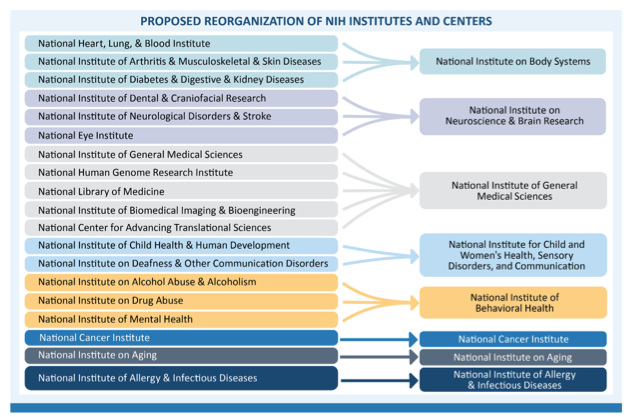
Welcome to the Summer 2025 edition of Human Genetics Dispatch. We would like to bring something urgent to your attention: major negative changes in federal support for biomedical research are on the horizon. The President’s 2026 budget proposes cutting funds allocated for the National Institutes of Health’s extramural grants by 40 percent, from $45.5 to $27.5 billion ($18 billion reduction). This would result in much tighter paylines and long odds of achieving new awards. The budget proposal also calls for limiting indirect cost rates to 15 percent, which would drastically reduce support for universities and medical centers. The budget request includes a plan to consolidate the NIH’s institutes into eight (see below). The impact on genetics research would be severe. We’ve already seen the effect of reductions in federal support on the All of Us study and the Undiagnosed Diseases Network. As geneticists, we know that basic research drives advances that later have practical benefits.
|
|
|
|
|
There is still time to intervene. The House and Senate Appropriations Committees are scheduled to start markup for Health and Human Services at the end of July and the beginning of August, respectively. You can make a difference in several ways.
Websites like 5calls.org make it easy to call your representatives, so it’s appropriate to take a strategic approach. In Georgia, several representatives have signed on to letters of support for the NIH. But others, particularly those representing areas outside Atlanta, are more likely to support the President’s budget proposals. An example is Andrew Clyde, the only representative from Georgia on the House Appropriations subcommittee overseeing NIH. You, your friend or your relative, may live in a congressional district where an opportunity is available to exert influence.
|
|
|
We need to tell our representatives that biomedical research benefits everyone, not just scientists or people in urban areas. A model for this type of activity came at last week’s Living Rare conference in Atlanta, organized by the National Organization for Rare Disorders. The NORD representatives explained, in a non-partisan and concrete way, how proposed Medicaid cuts would affect families of people with rare diseases. (Members of our division, led by Drs Li and Sanchez, highlighted the comprehensive care provided through the NORD Rare Disease Center of Excellence -- see the article in Medical Genetics below.)
Discover what your professional society is doing; you may want to join in or contribute to their efforts. A host of biomedical professional groups, including the American Society for Human Genetics and the Society for Neuroscience, are participating in the Rally for Medical Research in Washington DC in September. In our department, Kate Shelly was recently accepted into the ASHG’s Genetics and Genomics Advocacy Certificate program, with plans to concentrate on reproductive health issues.
|
|
|
|
|
|
Finally, we have opportunities to explain, in non-academic settings, what we do and how it benefits the community. On July 15, our own Judith Fridovich-Keil is scheduled to give a presentation about federal support for research at Clairmont Place, a senior community. This is just a starting point. Together, we can contribute to our community’s understanding of the current stakes for research and public health. Thank you!
In solidarity, Peng and Michael
|
|
|
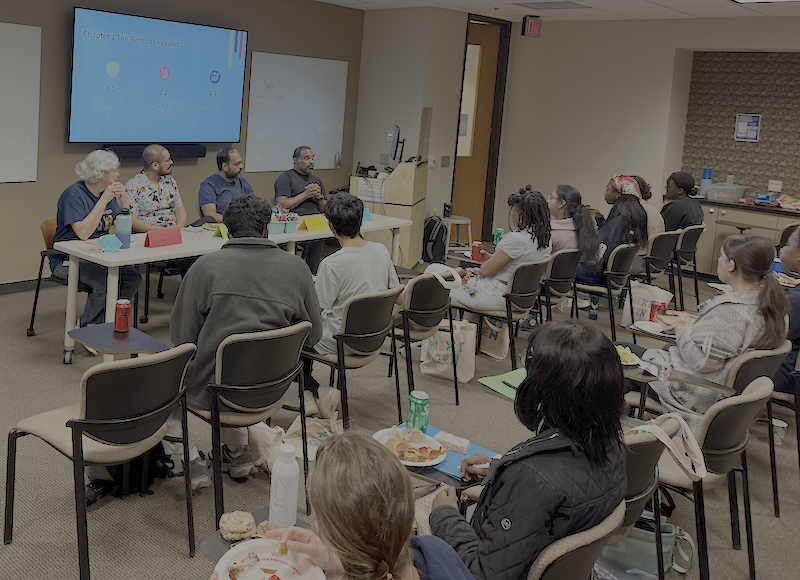
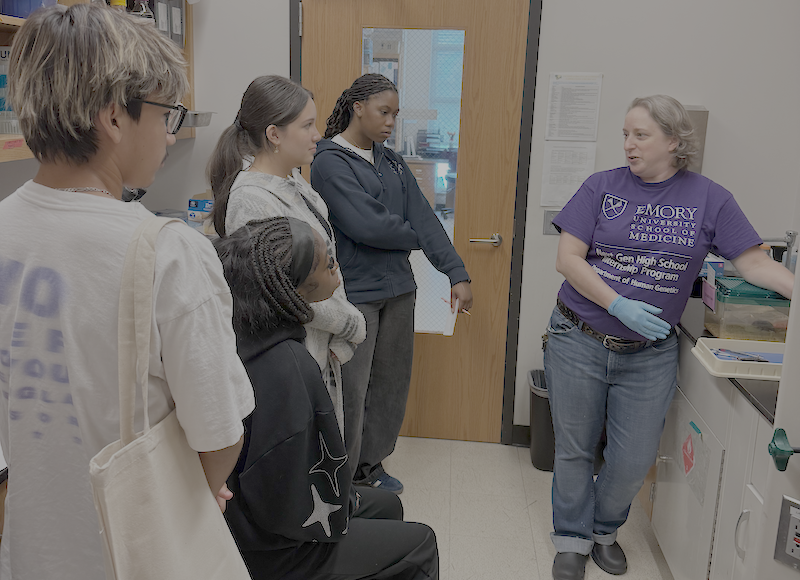
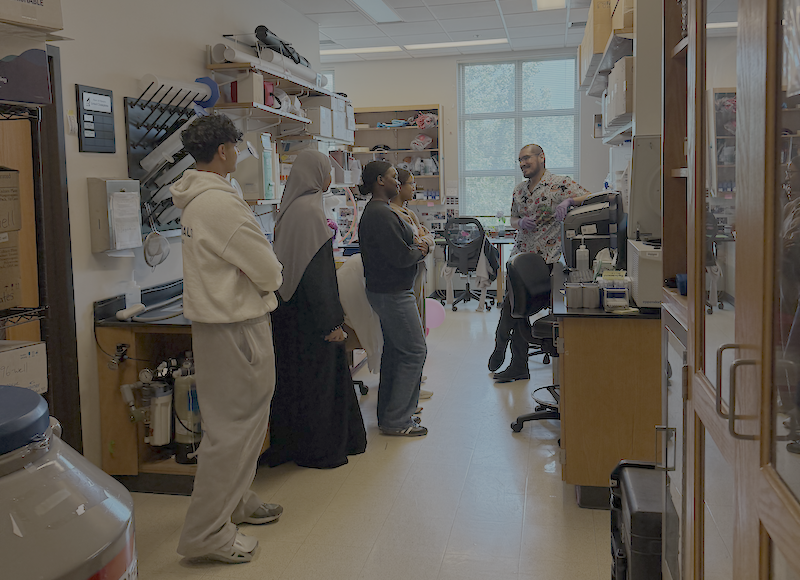
The revamped NextGen "Bootcamp" program is introducing Atlanta-area high school students to human genetics and biomedical research careers. Two one-day sessions have been held so far (June 21, June 26) and two more are coming (July 10, July 19). The schedule includes morning lectures, a lunchtime career panel, and afternoon lab rotations. Thanks to Emily Allen and Kate Shelly for improvising and pivoting!
|
|
|
|
|
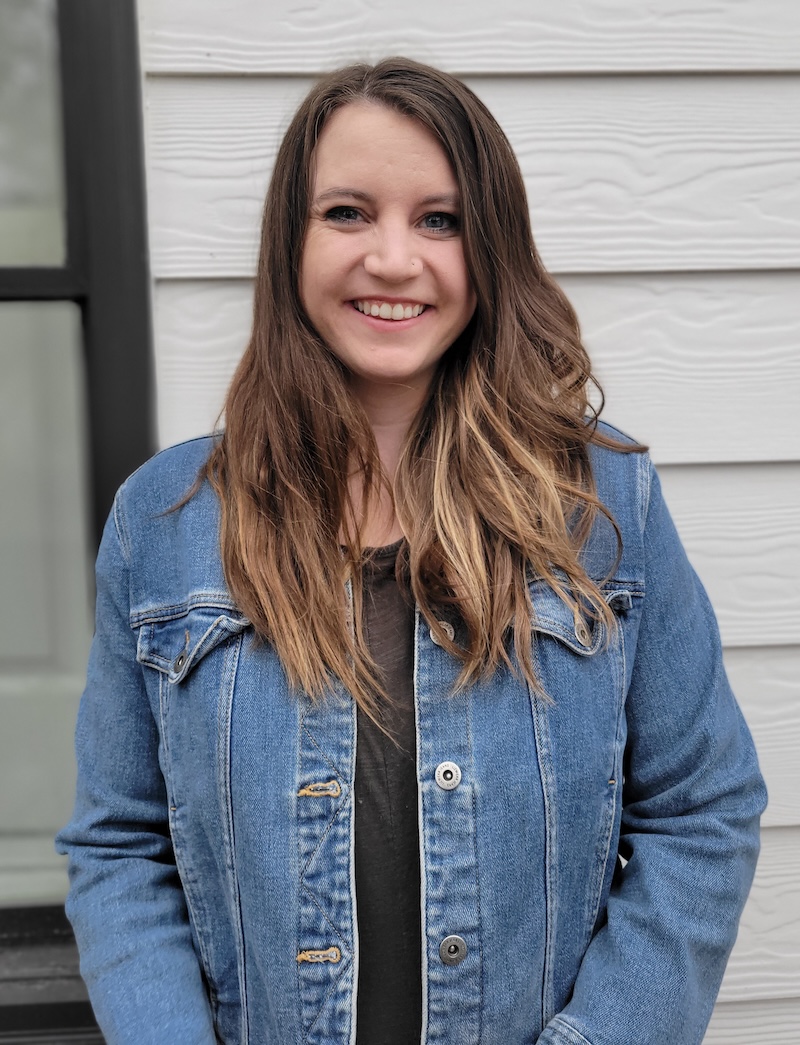
In May, Stephanie Linfields started a position as social worker for our genetic clinic. She moved to Atlanta in 2021 and has recent experience with child welfare and homeless services: Intown Cares, CHRIS 180, and Georgia Center for Child Advocacy. She is currently a Licensed Master Social Worker and is interested in pursuing clinical licensure.
|
|
|
|
|
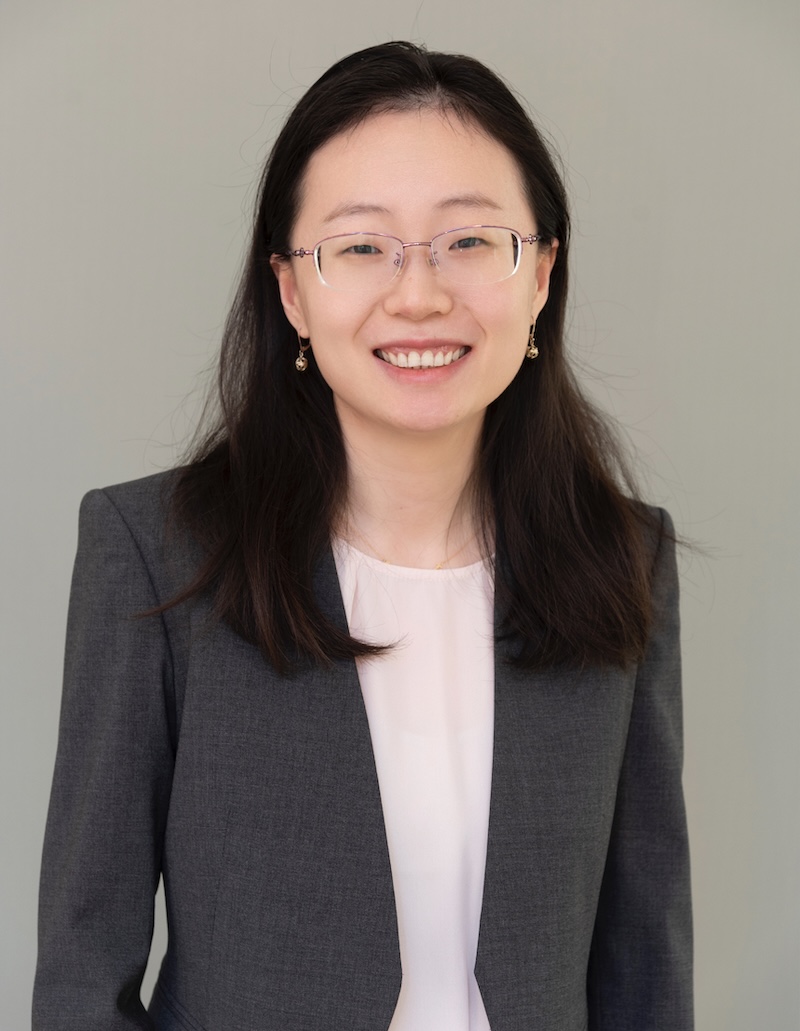
Hailing Shi
I obtained my B.S. degree in Chemistry at Peking University and my Ph.D. in Chemistry from the University of Chicago. After completing my postdoctoral training at the Broad Institute, I started my lab at Emory Human Genetics last fall.
My research focuses on developing and applying spatial genomics methods to understand and engineer gene expression in brain health and disease. Spatial genomics bridges high-throughput genomics data and tissue architecture, resolving rich molecular profiling among heterogeneous cell populations. I have built one of the first spatial cell atlases of mouse brains and am interested in creating tools to access specific cell types.
The milder seasons in Atlanta feel like a gift. Springtime here has made me feel truly alive and sparked a new passion of mine for creating my own little garden oasis. Beyond that, I enjoy calming hobbies like calligraphy, painting, and tackling 1,000-piece puzzles, as well as adventurous ones like riding roller coasters.
|
|
|
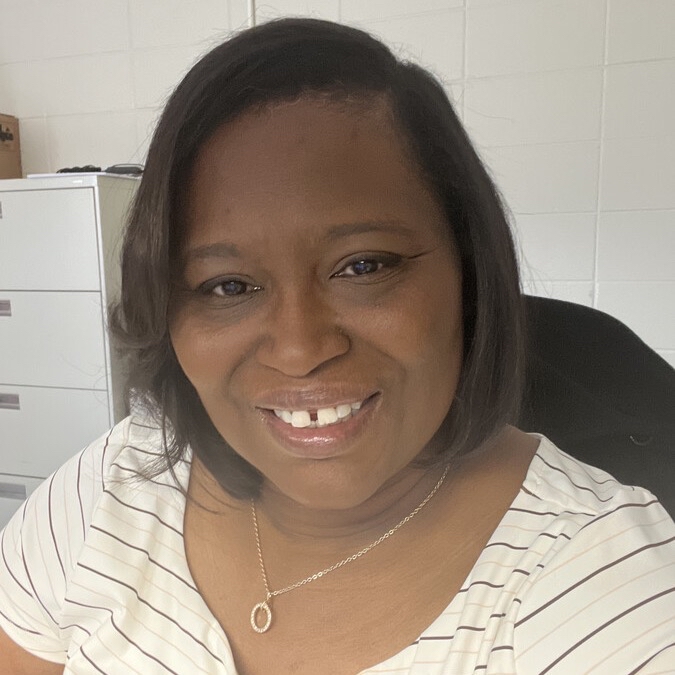
Chrisandra McCrae: Newborn Screening Follow-up
Chrisandra McCrae is a dedicated professional in the field of Business Administration, a community advocate, and a loving family member whose life is rooted in the values of humility, kindness, and relationship-building. Growing up in a small town, she was instilled with a deep appreciation for the importance of community and the connections we forge with one another. These early lessons shaped her character and continue to guide her choices as an adult.
Chrisandra takes immense pride in her professional accomplishments, viewing her role not just as a job, but as a calling. Her humility shines through in her approach to customer service,—she listens more than she speaks, valuing the insights and experiences of those around her. This collaborative spirit has allowed her to build strong relationships with colleagues, clients, and community members alike, creating a network of support that extends beyond her immediate work.
Family is at the heart of Chrisandra’s life. She treasures the time spent with her loved ones, whether it’s gathering for family dinners, sharing laughter during game nights, or embarking on memorable vacations together. These moments reinforce her belief in the importance of connection and serve as a reminder of the love that inspires her efforts to make the world a better place.
|
|
|
|
|
|
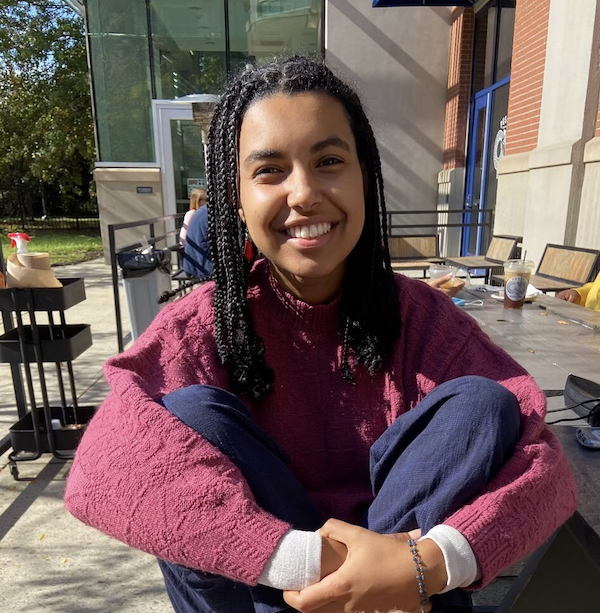
Nardos Kebede
Nardos was born and raised in the beautiful city of Addis Ababa, Ethiopia. She moved to the US in 2016 to attend Yale University for her undergraduate studies. Now, she is a Neuroscience PhD student in the lab of Dr. Steven Sloan. Her graduate studies focus on understanding the lineages of glial cells in the developing brain and the intricate mechanisms that generate them.
Outside the lab, Nardos enjoys working on puzzles, talking walks through Lullwater, catching plays at Horizon Theatre, hitting up thrift stores, consuming many podcasts and books on walkable cities, and exploring Atlanta’s cute neighborhoods.
|
|
|
"Ancestry-aware" approach to TWAS
Taylor Head (now at MD Anderson) with Michael Epstein, David Cutler, Jingjing Yang
American Journal of Human Genetics, June 10, 2025
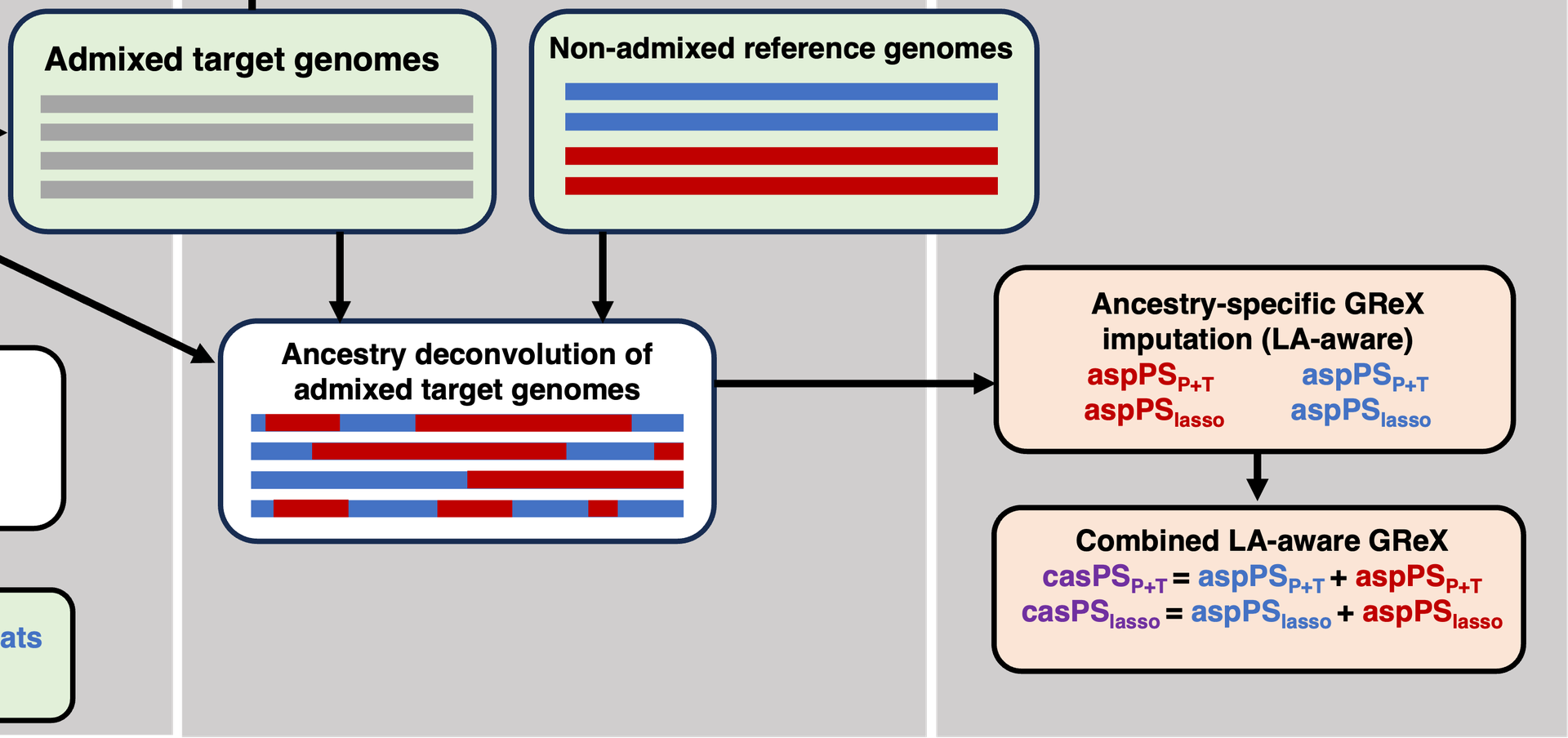
CADET: Enhanced transcriptome-wide association analyses in admixed samples using eQTL summary data
In the United States, many individuals’ genetic mosaics are inadequately captured by continental ancestral categories. The authors have developed an “ancestry-aware” strategy for adjusting TWAS studies to this reality, called CADET (combining ancestry-deconvoluted expression in TWAS). They apply this tool to 29 blood biochemistry phenotypes in African/European admixed individuals from the UK Biobank.
The CADET software is available on lead author Taylor Head’s Github page. Also see below: "Human genetics in the USA: a tasty soup" in the Medical Genetics section.
|
|
|
|
|
|
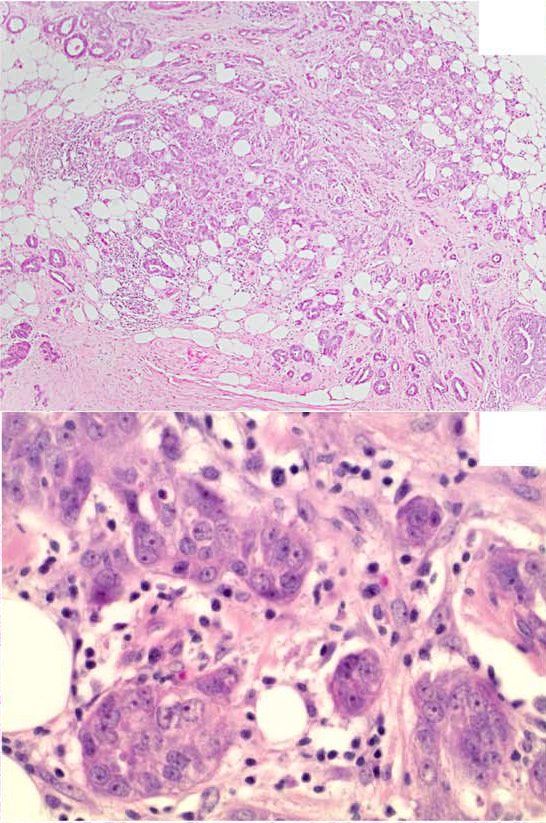
Defining a new subtype of breast cancer
American Journal of Surgical Pathology, May 23, 2025
Jingjing Yang
Clinicopathologic and Whole Exome Sequencing Analyzes of High-Grade Serous Carcinoma-Like Carcinoma of the Breast Reveal Unique Genetic Profile and Poor Clinical Outcome
The authors present 9 cases of breast cancer resembling high-grade serous carcinoma, the most common and most aggressive form of ovarian cancer. The authors, led by Xiaoxian Li in the Department of Pathology and Laboratory Medicine, say their analyses could help define a new entity of breast carcinoma with unique morphology and poor prognosis. Gene expression and exome profiles could help differentiate this form of breast cancer from metastases of ovarian origin. The study includes whole exome sequencing on six of the cases.
|
|
|
Heterogeneous genetic heart defect risk in Down Syndrome
Genetic Epidemiology, June 2025
Genome-Wide Association Studies of Down Syndrome Associated Congenital Heart Defects Suggests a Genetically Heterogeneous Risk for CHD in DS
Elizabeth Feldman, with Elizabeth Leslie-Clarkson and several DOHG co-authors
Congenital heart defects are the most common structural birth defect and are present in 40-50% of children born with Down syndrome.
Feldman and colleagues sequenced >800 genomes of a multiethnic group of children with Down syndrome and various heart defects (atrioventricular septal/atrial septal/ventricular septal/other) and compared them with a group with Down syndrome and a structurally normal heart.
After a GWAS for common variants, no SNP achieved genome-wide significance, but multiple loci in each analysis achieved suggestive significance. The 1p35.1 and 5q35.2 loci looked interesting, because plausible candidate genes nearby (RBBP4, MSX2) were expressed in the developing heart. No SNP replicated in an independent cohort.
|
|
|
|
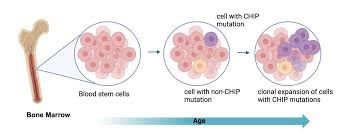
CHIPs on their shoulders
Nature Communications, May 20, 2025
Epigenome-wide DNA methylation association study of CHIP provides insight into perturbed gene regulation
Karen Conneely and Josh Weinstock part of large collaboration
As we age, hematopoietic stem cells can acquire somatic mutations in leukemogenic genes that confer a proliferative advantage: a phenomenon known as CHIP (clonal hematopoiesis of indeterminate potential). This meta-analysis combining data from several large studies identifies 261 CHIP-associated CpG markers for cardiovascular outcomes and mortality.
|
|
|
|
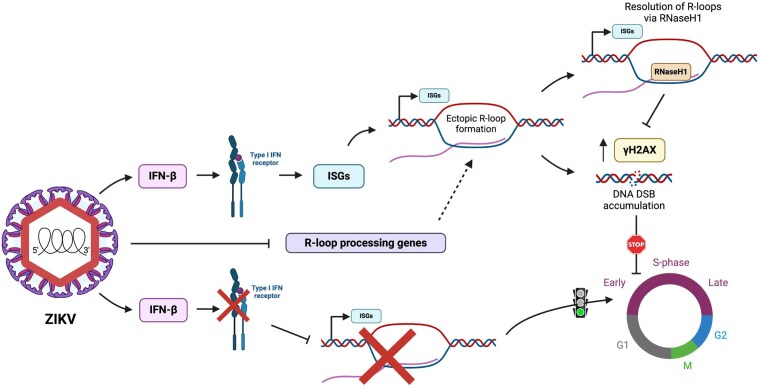
Zika virus infection + R-loops
PNAS Nexus, May 7, 2025
Bing Yao, Yangping Li contribution to Florida State study
Interferon-dependent R-loop induction by Zika virus contributes to growth attenuation
How does Zika virus infection retard brain development? Infection of human neural progenitors triggers DNA damage, leading to cell cycle arrest. The authors explore the roles of interferon-induced R-loops and stalled replication forks in this process.
|
|
|
|
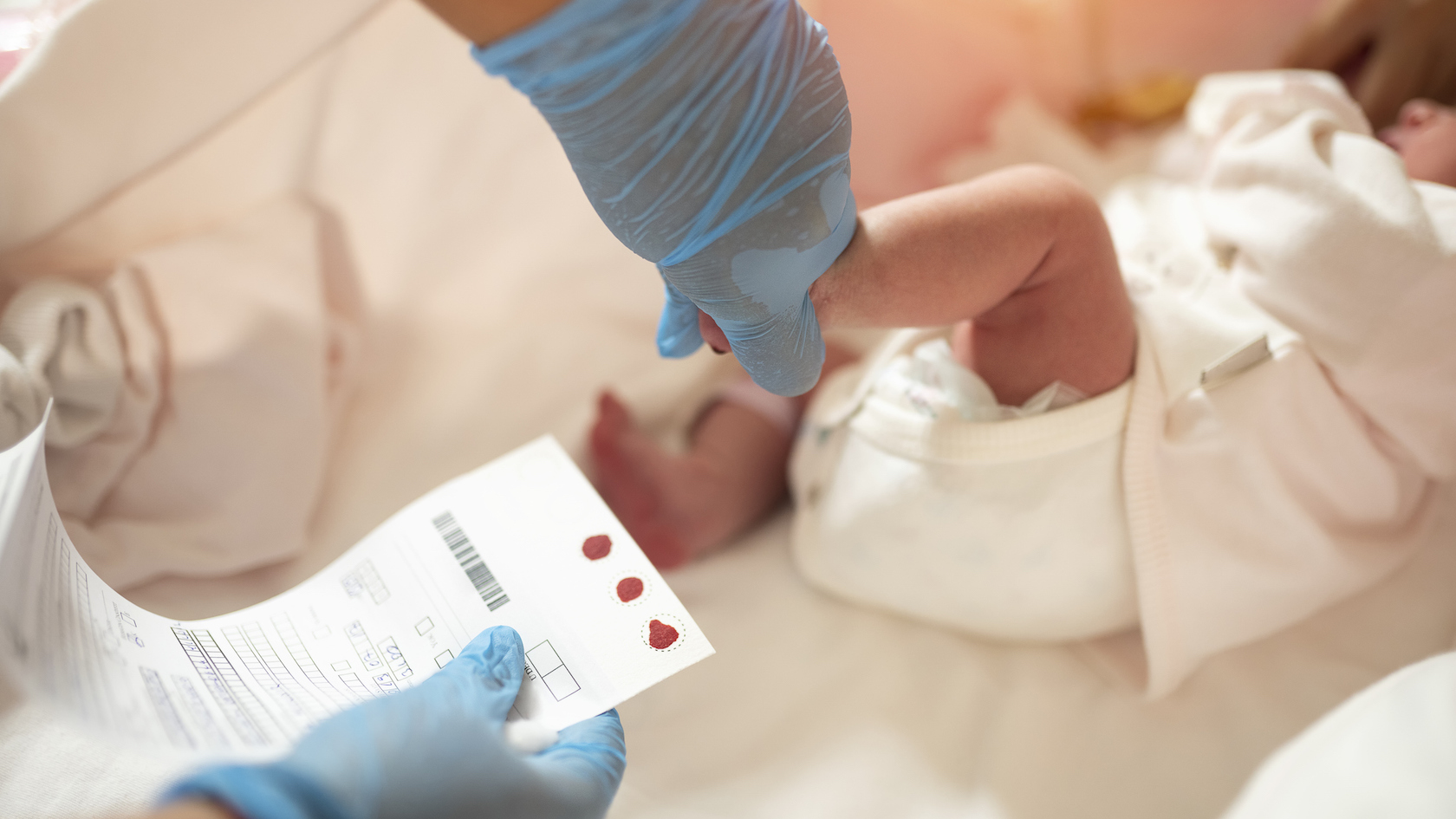
A cautionary tale about galactosemia diagnosis and newborn screening
JIMD Reports, May 9, 2025
Orthotopic Liver Transplantation in a Patient With GALT p.Ser135Leu/Null
Judith Fridovich-Keil contribution to Children's National Hospital report
A case report on an infant with galactosemia, who was heterozygous for a novel GALT null variant and Ser135Leu, often associated with a milder clinical variant phenotype. The newborn screening program tested for six common GALT variants and misclassified him as a GALT variant carrier – despite high galactose metabolite levels. Because of this misclassification and consumption of regular breast milk, the patient experienced liver failure at 2 months of age and required a liver transplant.
Conclusion: “When total galactose metabolites are elevated, even if GALT activity is reported as relatively high, dietary intervention should not be delayed, especially if the baby shows early clinical signs consistent with classic galactosemia.”
|
|
|
|
What couples do after news from JScreen
Journal of Genetic Counseling, June 2025
Melanie Hardy, Nadia Ali, Ami Rosen, Dawn Laney, Karen Grinzaid
Benefits, limitations, and impacts of reproductive carrier screening and telehealth-based genetic counseling for individuals with an increased chance to have a child with a genetic condition
Results of a survey of JScreen clients (290 responses, 232 couples) who learned of an increased risk of having a child with a genetic condition.
54% of such couples considered an alternative reproductive plan for future pregnancies. This includes in vitro fertilization and preimplantation genetic testing, use of a donor embryo or gamete, adopting, electing not to have additional children, separating/ending the relationship, or prenatal testing for the genetic condition. Overall, the group reported high satisfaction with JScreen.
|
|
|
|
|
|
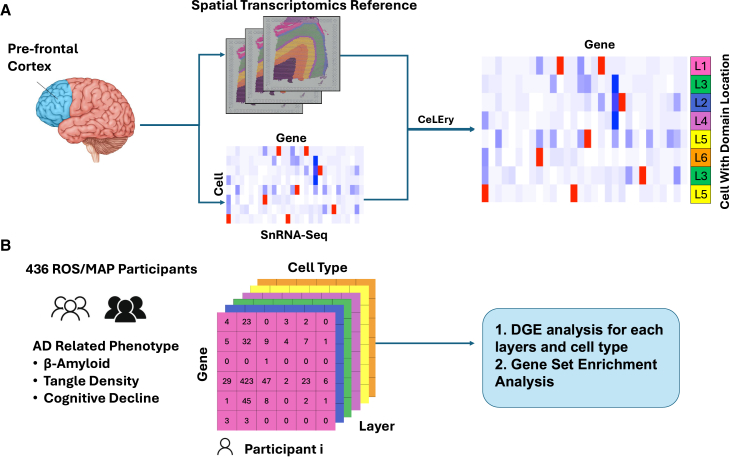
Spatial/single-cell insights applied to AD brain tissue databases
Shizhen Tang, Jingjing Yang, Jian Hu
Integrating spatial transcriptomics and snRNA-seq data enhances differential gene expression analysis results of AD-related phenotypes
Human Genetics and Genomics Advances, May 5, 2025
Microglia are thought to be important in Alzheimer’s disease, but are relatively rare in the brain. How do researchers look for the influence of specific cell types or cortical layers in the large tissue banks of postmortem brain samples now used to study gene expression in Alzheimer’s? Spatial transcriptomics, combined with single-cell approaches, can help.
|
|
|
|
|
Tracking immune alterations in PTSD
Alicia Smith, with the Psychiatric Genomics Consortium PTSD Epigenetics Workgroup
Cell-type-specific and inflammatory DNA methylation patterns associated with PTSD
Brain Behavior and Immunity, April 24, 2024
Delves into the question of immune alterations in PTSD, by analyzing DNA methylation from blood samples from >3000 people. The authors identify 96 PTSD-associated CpGs across six types of immune cells. When compared to trauma-exposed controls, PTSD cases had lower proportions of B cells and NK cells as well as higher proportions of neutrophils. This converges with findings that people with PTSD are more susceptible to autoimmune diseases such as multiple sclerosis and rheumatoid arthritis.
|
|
|
Tool for analyzing single-cell multimodal data
Chang Su, Peng Jin
Nature Communications, April 26, 2025
scMultiMap: Cell-type-specific mapping of enhancers and target genes from single-cell multimodal data
A tool for analyzing gene expression and chromatin accessibility data obtained via single-cell methods. When applied to Alzheimer's data, scMultiMap gives the highest heritability enrichment in microglia and reveals insights into the regulatory mechanisms of AD GWAS variants.
|
|
|
|
Brief mentions (collaborations)
|
|
|
A long list, reflecting many connections made by our researchers.
Characterizing pain in patients with Fabry disease: findings from a web-based cross-sectional survey in the US, Orphanet Journal of Rare Diseases, Dawn Laney
Updated ACMG/AMP specifications for variant interpretation and gene curations from the ClinGen RASopathy expert panels, Genetics in Medicine Open, Kathryn Garber
Epigenome-wide association study of cerebrospinal fluid-based biomarkers of Alzheimer's disease in cognitively normal individuals, Alzheimer’s & Dementia, Karen Conneely
Multiplex digital spatial profiling identifies subregion dependent targeted proteome changes across variants of dementia, NPJ Dementia, Zach McEachin
The association between serum klotho protein and stroke: a cross-sectional study from NHANES 2007-2016, Frontiers in Neurology, Shunliang Xu
Striatal cell-type-specific molecular signatures reveal potential therapeutic targets in a model of dystonia, Neurobiology of Disease, Hyder Jinnah
Diagnostic accuracy of screening tools for depression and anxiety in cervical dystonia, Parkinsonism & Related Disorders, Hyder Jinnah
Impact of Polygenic Interactions With Anticholinergic Burden on Cognition and Brain Structure in Psychosis Spectrum Disorders, American Journal of Psychiatry, David Parker
Mapping Inherited Genetic Variation with Opposite Effects on Autoimmune Disease and Four Cancer Types Identifies Candidate Drug Targets Associated with the Anti-Tumor Immune Response, Genes, Michael Epstein
Network analysis of the cerebrospinal fluid proteome reveals shared and unique differences between sporadic and familial forms of amyotrophic lateral sclerosis, Molecular Neurodegeneration, Zach McEachin
A landscape assessment of Medicaid recognition for genetic counselors, Journal of Genetic Counseling, Maya Brouette (GCTP)
PTSD and epigenetic aging: a longitudinal meta-analysis, Psychological Medicine, Alicia Smith
Cognitive performance and differentiation of B-SNIP psychosis Biotypes: Algorithmic Diagnostics for Efficient Prescription of Treatments (ADEPT)-2, Biomarkers in neuropsychiatry, David Parker
PI3P: Rising to the (DPR) challenge in C9-ALS/FTD, Neuron, Zach McEachin commentary
Definition and Classification of Dystonia, Movement Disorders, Hyder Jinnah (review)
Spatiotemporal Imaging of Catechol Aldehydes in Neural Tissue, Journal of the American Chemical Society Au, David Weinshenker
Microfluidics-Assisted Formulation of Polymeric Oxytocin Nanoparticles for Targeted Brain Delivery, Pharmaceutics, Andrew Escayg
Protocol for 3D bioprinting of a 3D in vitro model of neuroblastoma, STAR Protocols, Melissa Cadena
Safety and efficacy of migalastat in adolescent patients with Fabry disease: Results from ASPIRE, a phase 3b, open-label, single-arm, 12-month clinical trial, and its open-label extension, Molecular Genetics and Metabolism, William Wilcox
|
|
|
|
|
For elamipretide, there may be a way forward based on a different endpoint. However, Stealth Biotherapeutics has let go 30% of its personnel to conserve resources and avoid interrupting its expanded access program, which serves mostly critically ill infants.
Dr Sanchez knows this scenario well because she’s seen it firsthand, having recruited families to be part of a study testing the first enzyme replacement therapy for arginase deficiency. In the arginase deficiency study, the replacement enzyme (pegzilarginase) was successful at removing excess arginine from the body, but neurological/mobility endpoints were more difficult. As of June 2025, the FDA was supposed to have decided on the follow-up application including more long-term data; recent staff cuts may have delayed the decision.
|
|
|
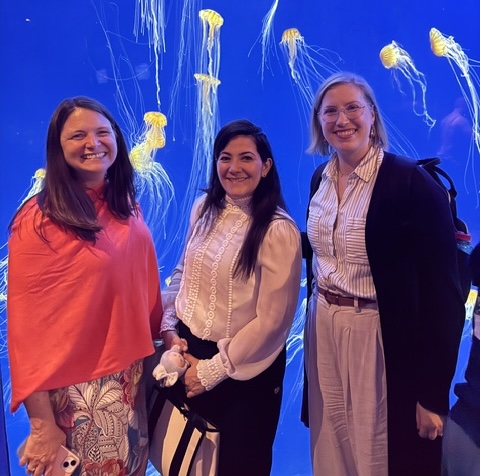
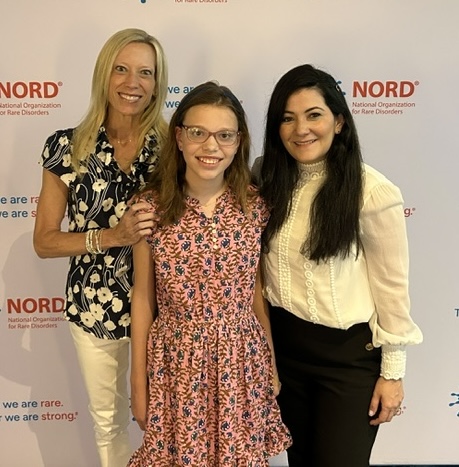
Our division’s physicians and genetic counselors were showcased at the Living Rare conference organized by the National Organization of Rare Disorders. The June 27 conference, held at the Georgia Aquarium, gathered individuals and families at varying points on the rare disease journey. Some were founders of rare disease support and advocacy groups, while others were just starting out.
|
|
|
|
|
|
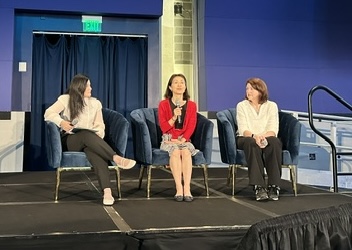
Dr Sanchez, Dr Li and Dr Stephanie Keller from pediatric neurology made up a panel highlighting the Emory/Children’s Healthcare of Atlanta NORD Rare Disease Center of Excellence.
“What we offer is integrated multidisciplinary care,” Li said. “Our aim is to treat the whole person, not just one system.”
Li said that she and her team are always learning about unfamiliar conditions, citing her experience gathering information about CTCF-related developmental disorder.
“This process has to be collaborative,” she said. “We don’t know everything, so we learn a great deal from our patients.”
|
|
|
Some clinicians revealed how their personal experiences helped them make connections in the world of rare diseases. Sanchez’s interest in vascular anomalies was sparked because her own children had birthmarks. Keller was drawn to pediatric neurology because she grew up with Charcot-Marie-Tooth neuropathy, and later was inspired by the parents of a child with Alexander disease, leading to her participation in a clinical trial testing an antisense oligonucleotide for Alexander disease.
At a panel discussing the importance of genetic testing after diagnosis, Dawn Laney emphasized how testing can provide information allowing clinicians to tailor care, as with Fabry disease, and how some new treatments (ie ASOs for Duchenne muscular dystrophy) are sequence-specific.
“We need both pieces of information [phenotype and genotype] to treat you in the best way we can,” Laney said.
|
|
|
|
|
|
Unique camp builds connection for women with rare health conditions
For over 30 years, a summer camp hosted by the Department of Human Genetics has brought together women with PKU and MSUD, offering a unique experience that blends nutrition education, peer support, and rigorous research.
While it may resemble a traditional summer camp—with activities like karaoke, dance parties, game nights, and movie theater visits-- the yearly gathering serves a deeper purpose: equipping women with knowledge, skills, and confidence to manage lifelong dietary management and new treatments.
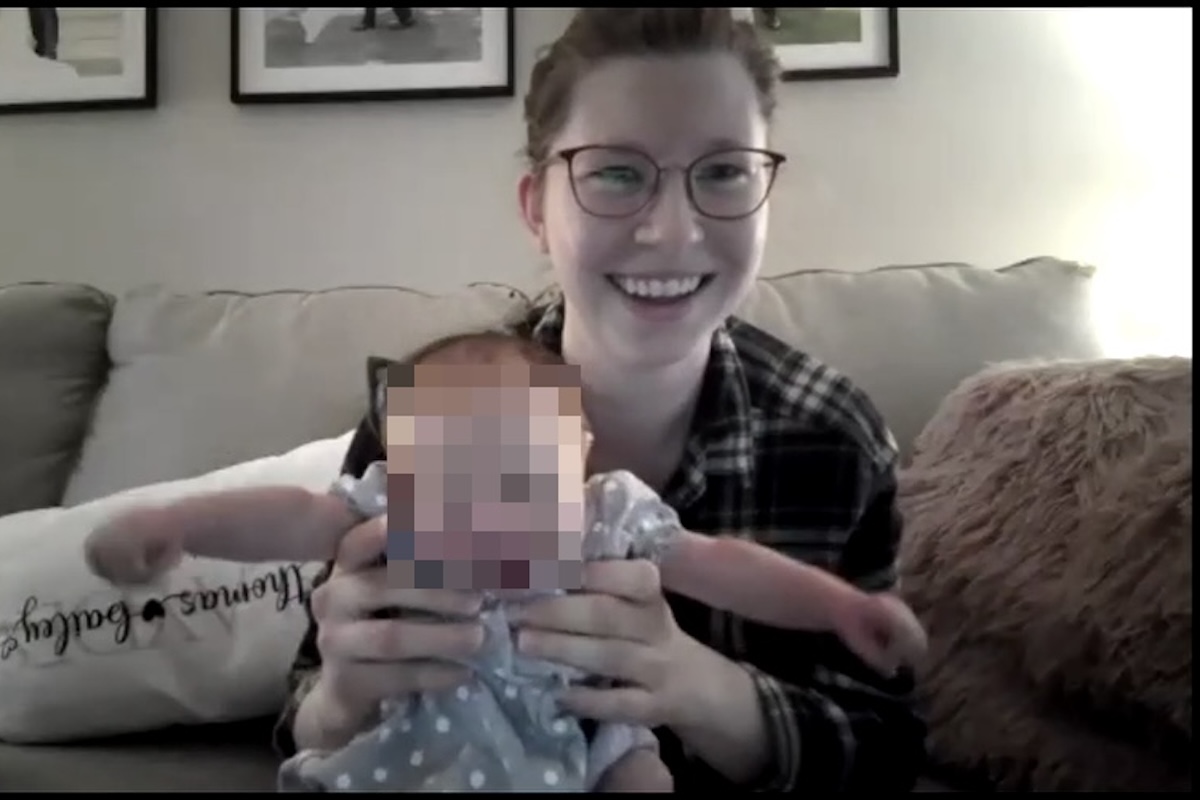
This year’s Metcamp included a virtual visit by Bailey Blaydes, who advised campers on managing pregnancy based on her recent experience.
More here.
|
|
|
Human genetics in the USA: a tasty soup
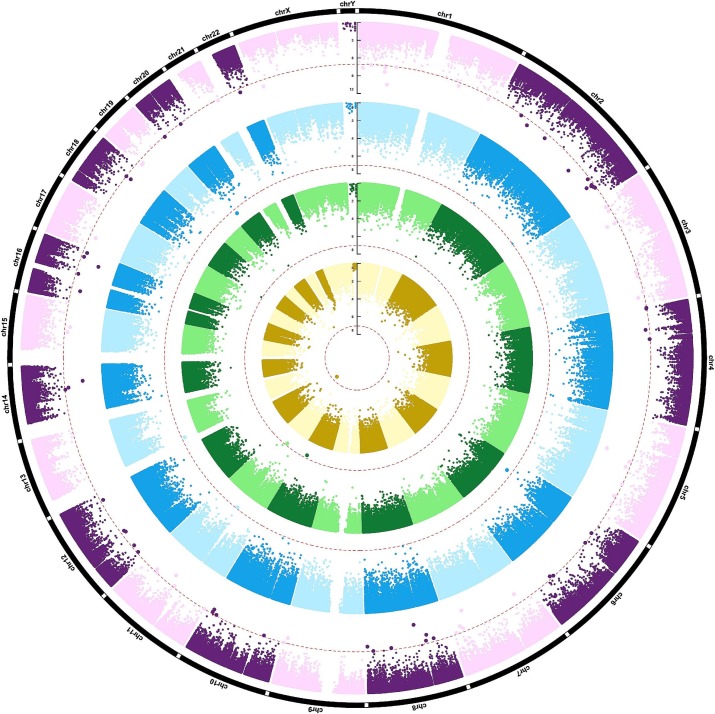
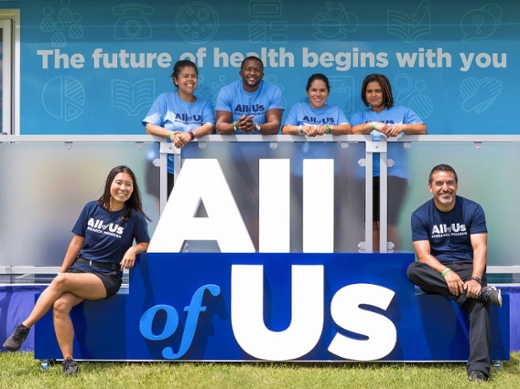
Analyzing differences between Americans’ self-reported race categories and their actual genomes reveals gradients of genetic variation rather than discrete clusters. A study published in American Journal of Human Genetics looked at the genomes of more than 230,000 participants in the NIH’s All of Us cohort.
The authors call attention to heterogeneity within the Hispanic/Latino population as well as differences between people with East African and West African ancestries. The authors say that while race and ethnicity should not be used as proxies for genetic population structure, they may capture additional environmental effects. For geneticists, the findings underscore the limited predictive value of polygenic risk score analyses based on European reference data.
“Biomedical research should adjust directly for ancestries estimated from genetic data rather than relying on self-identified race or ethnicity,” lead author Charles Rotimi told STAT. “Trying to use genetics to define race or to use genetics to support racial classifications is like slicing soup. You can cut all you want — that soup is going to stay mixed.”
|
|
|
|
Personalized gene therapy
|
|
|
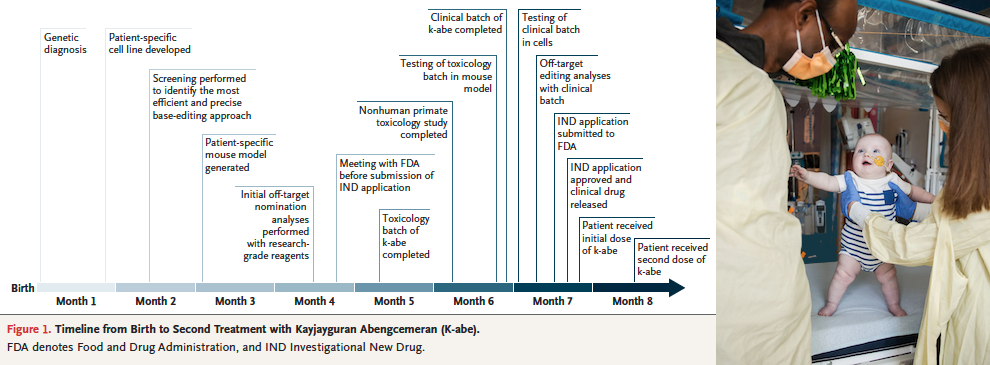
In May, doctors and researchers from Children’s Hospital of Philadelphia and the Innovative Genomics Institute laid out the tour-de-force approach they had used to treat an infant with an often-fatal urea-cycle disorder. A boy with CPS1 (carbamoyl-phosphate synthetase 1) deficiency received a customized base-editing therapy delivered in lipid nanoparticles to the liver. The particle’s payload was a combination Cas9 nickase/adenine deaminase, guided by locus-specific RNA.
Two infusions of lipid nanoparticles made it possible for the boy to tolerate normal levels of dietary protein and a reduced dose of nitrogen-scavenger medication, avoiding hyperammonemia and possibly the need for a future liver transplant. While a liver biopsy has not been performed to assess editing efficiency directly, readministration is possible – in contrast with AAV-delivered therapies.
|
|
|
An especially impressive part of the New England Journal of Medicine article was the eight-month timeline. It included initial preclinical work with hepatocytes in vitro and then in mice, toxicology in monkeys, and meetings with the FDA. The “emergency conditions” effort on this child would not have been possible without considerable previous groundwork. How many medical centers are going to be able to assemble these kinds of resources?
The authors provocatively suggest that “rapid deployment of patient-specific gene-editing therapies will become routine for many genetic diseases.” For example, their team has published a base editing strategy for the most common PKU variant. More than a dozen clinical trials are now underway using base or prime editing. The case report also raises the issue of future regulation; a broad platform approach would streamline FDA approval for individual therapeutics.
|
|
|
Newborn screening advisory committee and report
|
|
|
The Secretary of Health and Human Services recently eliminated the federal advisory committee for newborn screening, as part of a general sweep of advisory committees.
The move was criticized by the National Organization of Rare Disorders and other patient advocacy groups. It also canceled an anticipated April vote on the inclusion of Duchenne muscular dystrophy in the Recommended Uniform Screening Panel (RUSP), which would have been a major milestone for that community.
|
|
|
|
From the point of view of state-run newborn screening programs, the absence of the ACHDNC removes a reliable source of information and coordination. However, newborn screening itself will continue, and state governments can rely on input from experts such as Dr Li, who is serving as Georgia NBSAC co-chair.
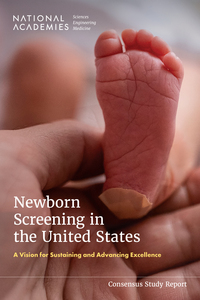
With an alternative vision, the National Academies issued a report in May calling for a “systematic and nationally coordinated approach” to newborn screening. The report, commissioned in 2024 under the Biden administration, is available for download here.
The report recommends reformation of the federal advisory committee, incorporating members such as directors of newborn screening programs, representatives of the rare disease community, and prenatal and birth care providers. It also calls for a broad systematic approach toward the RUSP, rather than having individual disorders’ advocates plead their cases in an “untenable, burdensome and frustrating” process.
The report concludes that genomic sequencing is “not yet ready for implementation at scale” in public health programs, outside of consented research studies such as Guardian and BabySeq, citing both public attitudes and technical challenges. With an eye toward past legal challenges over stored blood samples, the report recommends that state legislatures set laws and policies limiting samples’ storage time and prohibiting sharing with law enforcement. The report also says that parents should have the option to request the destruction of their child’s specimen after a minimum required retention time, and that children should be able to request their own sample be destroyed once they turn 18.
|
|
|
AAP report supports genetic testing for ID/developmental delay
Clinicians should prioritize genetic testing for young children who show signs of intellectual disability or developmental delays, according to a new report from the American Academy of Pediatrics.
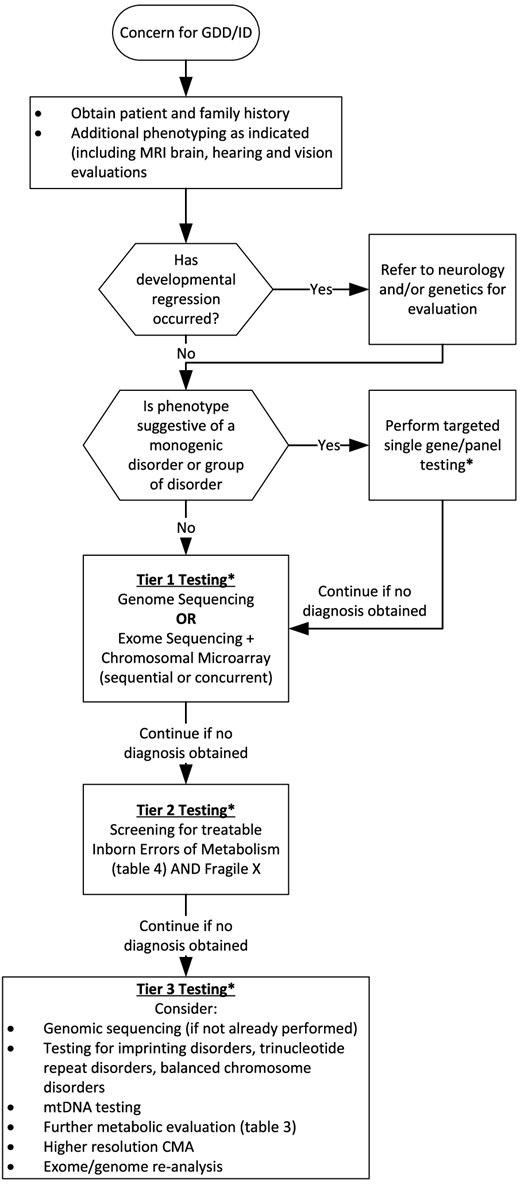
The clinical report was published in Pediatrics and recommends genome or exome sequencing be used as first-line diagnostic tests in most cases, with chromosome microarray analysis endorsed as a complementary approach. Fragile X and metabolic testing are considered second-tier in the AAP's protocol (see diagram).
“Genetic testing is no longer something that should be considered a last resort,” Joan Stoler, a clinical geneticist at Boston Children’s Hospital and an author of the report, told Medscape. “These tests provide real answers that can directly impact the care and support children and families receive.”
|
|
|
|
Thank you for your attention
Comments or edits for this newsletter, or suggestions for the next one: contact Quinn Eastman qeastma@emory.edu
|
|
|
|