Human Genetics Dispatch

Fall 2026:

publications

New publications

In the lab

Prenatal consequences of GALT deficiency in a rat model of classic galactosemia


PLOS Genetics, Judy Fridovich-Keil’s lab, Shauna Rasmussen first author


In classic galactosemia, prior reports have documented elevated galactose metabolites beginning in utero, raising concern that long-term complications might also trace their origins to the prenatal period. In a rat model, the authors tested whether GALT activity present outside the fetus, but within the maternal-fetal compartment, might limit metabolic abnormalities in a developing GALT-null fetus.


Growth of GALT-null fetal pups was fully rescued by gestation within a heterozygous dam, despite the persistence of moderately elevated galactose metabolites. This raises the possibility that babies with classic galactosemia developing within a carrier mother might also be at least partially protected in utero from the adverse consequences of their GALT-deficiency. However, the only outcome followed in this paper was fetal mass. It is possible GALT-null fetal pups experienced subtle abnormalities in the development of brain or other tissues.

Simulating the first ripples of Alzheimer's


Molecular Psychiatry, Anu Korukonda, David Weinshenker and colleagues


The authors sought to recreate the first observable stage of Alzheimer’s pathology in mice, by expressing a mutant form of the Tau protein in the locus coeruleus. 


Part of the brainstem, the locus coeruleus is one of the first regions of the brain impacted by Alzheimer’s pathology, as defined by the work of renowned German neuropathologists Heiko and Eva Braak. Hyperphosphorylated Tau has been observed in the locus coeruleus of healthy middle-aged people, before other forms of Alzheimer’s pathology such as tangles and plaques, and before they appear in other parts of the brain. The locus coeruleus is also the main source of the neurotransmitter norepinephrine.


The Tau variant the authors used, P364S, is actually associated with frontotemporal dementia (not Alzheimer’s). It was chosen because it produces pathology similar to what is observed in Alzheimer’s brains and is less likely to form Tau aggregates that spread from cell to cell, thus restricting it to locus coeruleus neurons. 


The findings support the idea that Tau-induced locus coeruleus hyperactivity contributes to early neuropsychiatric symptoms previewing progression to Alzheimer’s, such as anxiety/agitation and disrupted sleep. More here.

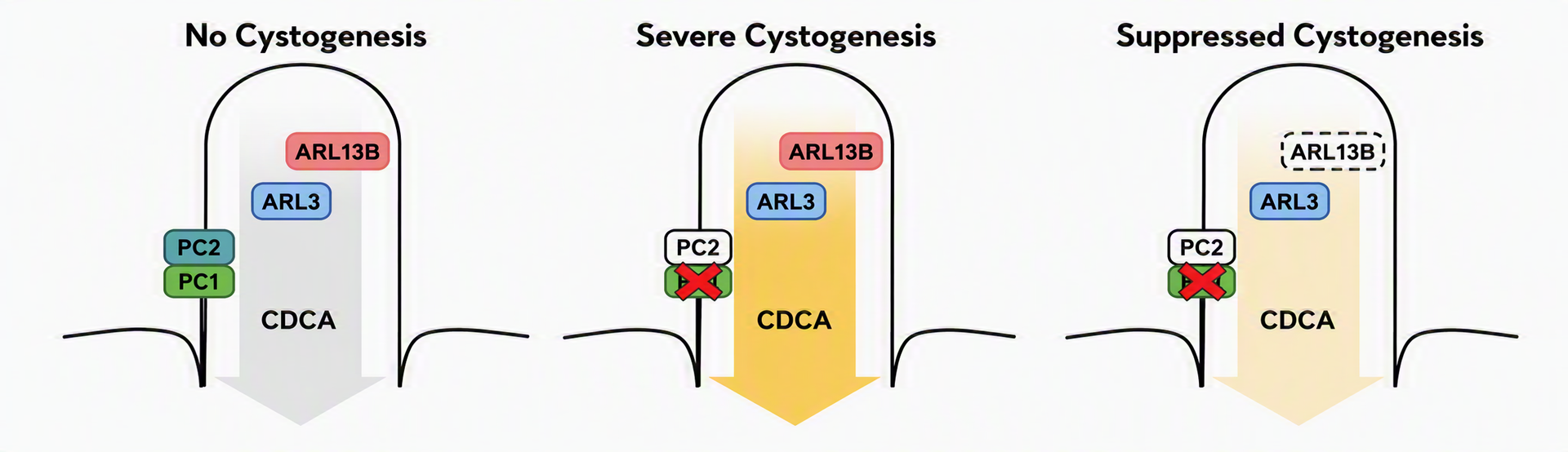
Ciliary ARL13B Drives Cystogenesis in the Kidney via Its GEF Activity


Journal of the American Society of Nephrology


Polycystic kidney disease is one of the most common genetic disorders and a major cause of kidney failure. How autosomal dominant mutations in PKD1 or PKD2, which encode ciliary transmembrane proteins, lead to cyst formation is still mysterious.


This paper, from Robby Van Sciver, now at University of Alabama-Birmingham, and colleagues in the Caspary lab, seeks to clarify how ARL13b is involved in the latent pathway promoting cyst formation. The authors found that ARL13b drives kidney cystogenesis via a residue controlling its GEF (guanine nucleotide exchange factor) activity for ARL3. Like ARL13b, ARL3 is mutated in Joubert syndrome.


The findings provide a “molecular foothold” for discovering additional components of the cystogenesis pathway and possible therapeutic targets, the authors say.

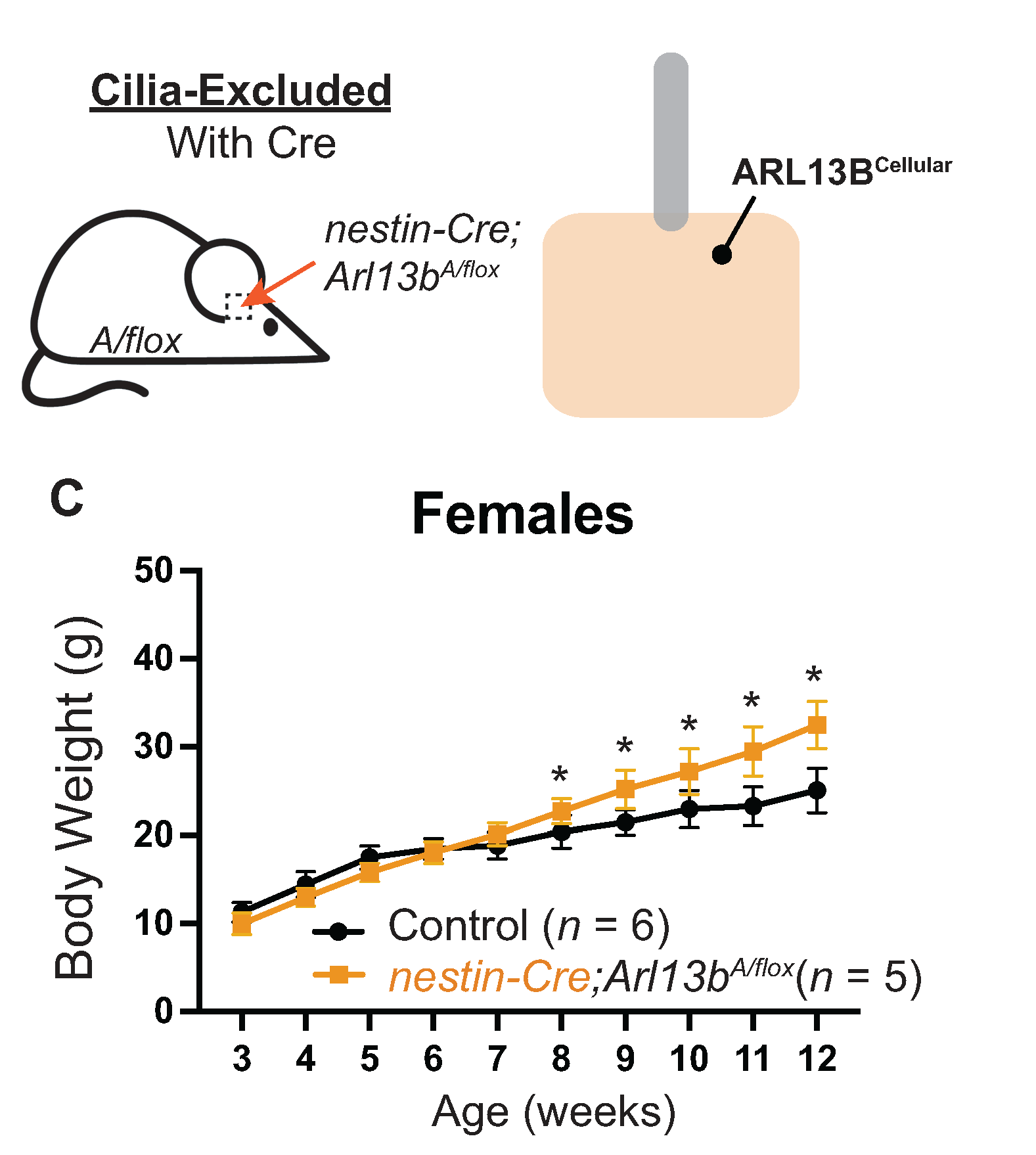
Ciliary ARL13B Is Essential for Body Weight Regulation in Mice


Diabetes, Tiffany Terry and colleagues from Caspary lab


Ciliary function of the regulatory GTPase ARL13b is necessary for body weight regulation in mice. If ARL13b is prevented from localizing to cilia with a point mutation, the homozygous mice become hyperphagic, obese and insulin-resistant. Additional evidence suggests a post-developmental role in mutant mice; neuronal circuits in the hypothalamus are intact, and restoring ARL13b in adults rescues the obesity.


Selective exclusion of ARL13b from cilia in the nervous system also leads to obesity. The authors outline future studies to identify the specific cell types or combination of cell types needed.

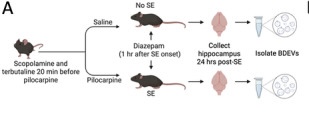
Status Epilepticus Alters the Function of Brain-Derived Extracellular Vesicles


Journal of Extracellular Vesicles, Samantha Reed and Andrew Escayg, with several DOHG co-authors


Extracellular vesicles carry microRNAs, fostering intercellular communication and modulation of gene expression. Reed and colleagues used the pilocarpine model of mesial temporal lobe epilepsy to examine status epilepticus-induced changes in extracellular vesicle contents. The changes in cargo induced by status epilepticus were still observed 10 days afterwards, and may include pro-inflammatory effects and contribute to epileptogenesis.

Patients involved

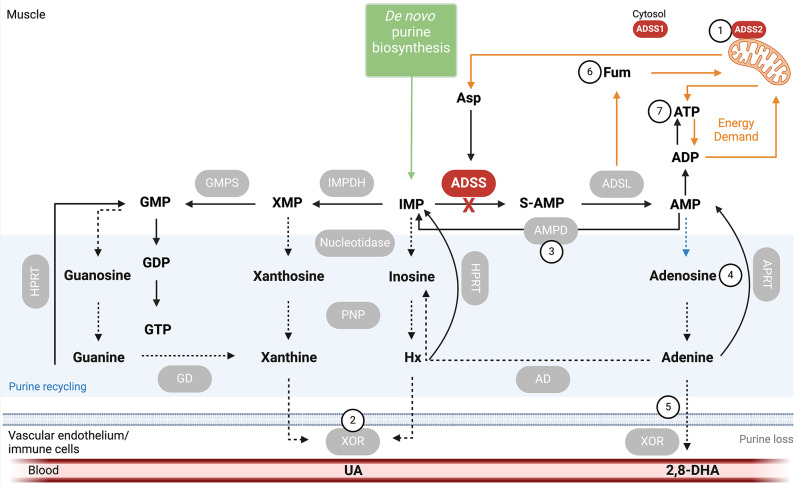
Muscle ATP homeostasis and exercise: insights from ADSS1 myopathy


Molecular genetics and metabolism, David Reiter from Radiology, collaborating with Buz Jinnah


ATP metabolism in muscles was studied in individuals with pathogenic variants in adenylosuccinate synthase type 1 (ADSS1), using 31P-magnetic resonance spectroscopy. Compared to healthy controls, baseline resting muscle ATP measures were low in the ADSS1 group. In addition, muscle ATP dropped even with modest exercise in the disease group, and restoration was abnormally slow. This rare disorder provides an experiment of nature that suggests synthesis of new purines is a critical fourth process required to maintain muscle ATP during exercise.


ADSS1 myopathy is progressive, leading eventually to difficulties walking, standing, speaking and feeding, according to the Muscular Dystrophy Association. The first clinical and scientific conference focusing on the ultra-rare disorder was held in 2024.

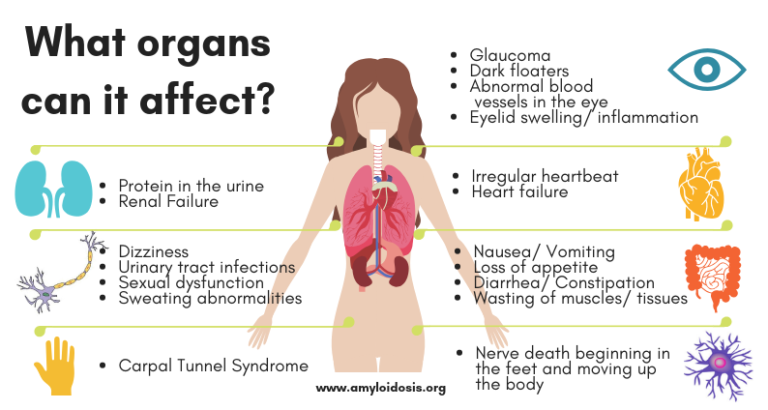
Factors contributing to the underdiagnosis of hereditary transthyretin amyloidosis (hATTR) in Black patients


Journal of Community Genetics, Kelsi Hagerty (GCTP class of 2022), Ami Rosen, Nadia Ali


The authors conducted interviews with 11 patients from Emory’s Amyloidosis Clinic. A majority of participants cited misdiagnosis, mistrust of healthcare providers, denial or misunderstanding of one's own health risks, and poor family communication as contributing factors to the underdiagnosis of hATTR. Participants cited appropriate referrals to heart failure providers and family letters as contributing factors to proper diagnosis of hATTR.


The study highlights the need for improvements to be made regarding the diagnosis of hATTR in African-Americans. Participants suspected of having hATTR should be referred to a heart failure cardiologist for appropriate diagnosis. Genetic testing and follow-up genetic counseling is recommended to appropriately inform the patient and family of health risks.

The role of epigenetic age acceleration and social disadvantage in cardiometabolic health in southeast Louisiana women


Clinical Epigenetics, Alicia Smith + colleagues


Participants were drawn from the Women and Their Children's Health (WaTCH) study, which has been investigating the impacts of the 2010 Deepwater Horizon oil spill on mothers and children in Louisiana.


The authors found that CVD and diabetes were more common among socially disadvantaged women and were associated with accelerated epigenetic aging.

Depth of coverage critical for vascular malformation diagnosis


Disparities in Diagnostic Yield of Genetic Testing in Children and Adolescents With Vascular Malformations and/or Overgrowth: A Single Site Experience


American Journal of Medical Genetics A, Janette DiMonda and Rossana Sanchez Russo with Rana Al-Jaberi, Taylor Pio and friends from CHOA/Dept of Radiology


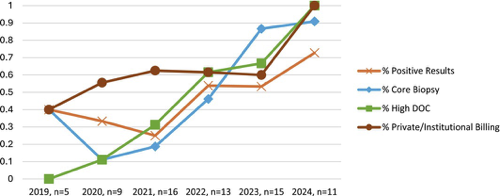
When sequencing biopsy samples from vascular malformations, high depth of coverage (DOC) is needed to analyze somatic mosaicism, because the variant allele fraction can be as low as 1-5%. This leads to disparities in diagnostic yield because standard sequencing meant for germline samples is inadequate.


The authors reviewed 56 cases of vascular malformations from CHOA's Vascular Anomalies Clinic, finding that high DOC testing yielded a significantly higher diagnostic rate (74.3%) compared to 20.0% for low DOC testing. Among tests billed to Medicaid, the positive rate was 24% compared to a positive rate of 60% for private insurance or institutionally billed tests.

In Georgia, there are currently no specialty laboratories offering high DOC genetic testing for vascular malformations. Only six laboratories offer dedicated testing for vascular malformations capable of detecting low-VAF variants. However, none of these specialty laboratories accept Georgia Medicaid plans and are limited in accepting other out of state Medicaid plans. Medicaid patients are forced to access high DOC testing through self-pay or by having a clinical presentation severe enough to justify inpatient admission.


Even with a molecular diagnosis, most patients required insurance appeals to obtain alpelisib, the PIK3CA inhibitor approved for PROS (PIK3CA-related overgrowth spectrum) in 2022. At least one was repeatedly denied insurance authorization due to the absence of a genetic diagnosis.


Dr Sanchez reports that she has discussed the DOC issue with advocacy groups such as M-CM Network and Klippel-Trenaunay Support. Dr Sanchez is also part of the steering committee for the recently formed Vascular Anomaly Network.

Connecting popular with almost possible


Dietary Intake as an Undermeasured Potential Mediator: The Ethical Case for Complete and Transparent Dietary Reporting in GLP-1 Receptor Agonist Trials, Nutrients

The popularity of GLP-1 agonists is visible all around us. This provocative editorial from Jess Strosahl, Tom Ziegler and Rani Singh proposes to correct the chronic long-standing deficit in dietary intake reporting in nutrition clinical studies.  With more GLP-1 clinical trials on the way and advances in technology for dietary monitoring, an opportunity to address the deficit is now available.


Ocular Nystagmus as the Initial Presenting Feature in a Patient with Complete CLTC Deletion: Expanding the Genotype-Phenotype Spectrum of CLTC-Related Disorder

Hong Li and Neil Shah assisting clinicians in Hangzhou, China


Case report on the first individual with a complete deletion of the CLTC gene. The CLTC gene encodes the clathrin heavy chain 1 protein, a major structural component of clathrin-coated vesicles. Previous reports on CLTC-related neurodevelopmental disorders have included a variety of symptoms beyond neurodevelopment. This report and review underline how a comprehensive examination is necessary.


Profile of Behavioral Comorbidities in Children With Fragile X Syndrome

Walter Kaufmann, Amy Talboy with FORWARD investigators, Journal of Autism and Developmental Disorders


The authors analyzed the pediatric FORWARD clinic-based natural history study database (1,072 males, 338 females) to catalog behavioral comorbidities in children with fragile X syndrome.

Attention problems and Anxiety were the two most common and mildest comorbidities. Co-occurrence of impairing behavioral comorbidities were reported for 69% of children, with 39% of them presenting with more than two comorbidities and overall greatest impairment. Surprisingly, all behavioral comorbidities were strongly correlated with the Sensory problems scale.


Fabry Disease: An Updated Perspective and Review of Treatment and Therapies

Advances in Therapy, Dawn Laney and colleagues from UC Davis


As the therapeutic landscape in Fabry disease becomes more populated, the picture for patients and clinicians becomes more complex. Enzyme replacement therapy and chaperones are approved and available. A newer cohort of oral substrate reduction therapies, second-generation ERTs, and gene therapies are going through clinical trials now.


Brief mentions (collaborations)

A long list, reflecting many connections made by our researchers. Includes some reviews --


Blarcamesine improves EEG biomarkers of cortical dysfunction in a mouse model of fragile X syndrome, Frontiers in Pharmacology, Walter Kaufmann with UC Riverside and Anavex Life Sciences


A Systematic Review of Positron Emission Tomography (PET) in X-Linked Adrenoleukodystrophy: Beyond Structural MRI, American Journal of Medical Genetics A, Yutaka Furuta and Hong Li and colleagues from Tennesee and Michigan


Machine learning and statistical methods for molecular quantitative trait loci, Nature Reviews Genetics, Josh Weinstock with UCSF/Hopkins


Disrupted neuronal expression of autism risk genes and white matter micro-organization after infant Zika infection, JCI Insight, Maureen Sampson and Steven Sloan with friends from Pediatrics and Emory National Biomedical Research Center


Variants in TREX complex subunits (THOC2, ALYREF, THOC6, THOC7) define a neurodevelopmental disability spectrum, Genetics in Medicine, Jaime Vengoechea part of a large international team


International Guideline on the Diagnosis, Treatment, and Monitoring of Long-Chain Fatty Acid Oxidation Disorders (LC-FAOD), Journal of Inherited Metabolic Disease, Rani Singh review


Nativity and epigenetic age acceleration among Hispanics/Latinos in the Hispanic Community Health Study/Study of Latinosl (HCHS/SOL), Psychoneuroendocrinology, Karen Conneely with RSPH colleagues


The uneven landscape of cognitive domains in 22q11.2 deletion syndrome: A large consortium study, Psychological Medicine, Joseph Cubells contributing


The alpha-2A adrenoceptor agonist guanfacine regulates traumatic stress processing in juvenile zebrafish, Behavioral Brain Research, David Weinshenker contributing to South African paper


Rett syndrome in the therapeutic era: Rethinking diagnosis, boundaries, clinical outcomes, and financing, Dev Med Child Neurol, Walter Kaufmann review


Interrater and Intrarater Reliability of the TWSTRS-Delphi Motor Severity Scale for Cervical Dystonia, Movement disorders clinical practice, Hyder Jinnah collab


Vigabatrin-associated brain MRI abnormalities in children: Associations with drug exposure and epilepsy etiology, Seizure, Anna Prestel contributing to Emory Pediatrics paper


Trio-based GWAS reveals loci associated with different forms of isolated cleft lip, Human genetics and genomics advances, Elizabeth Leslie-Clarkson with Pitt/Mary Marazita


Systematic Cardiac Phenotyping of Patients With Copy Number Variants in the 15q11.2 Breakpoint 1 to Breakpoint 2 Region: A Retrospective Cohort Study From Nine Pediatric Cardiac Centers, American Journal of Medical Genetics A, Stephanie Wechsler with other pediatric cardiologists


From molecules to minds: Integrative multi-omics in psychiatry, Journal of Mood and Anxiety Disorders, Alicia Smith and multiple co-authors


Best practices for using biological data in psychological research, Journal of Mood and Anxiety Disorders, Alicia Smith and multiple co-authors


Epigenetic Age Acceleration and Metabolic Syndrome among Hispanic/Latino Adults: Hispanic Community Health Study/Study of Latinos (HCHS/SOL) – International Journal of Obesity, Karen Conneely contributing to Shakira Suglia and colleagues at the Rollins School of Public Health


Common data element (CDE) and AI-Enabled approaches for clinical data Management: Workshop proceedings from the NIH INCLUDE Project, Journal of Biomedical Informatics, Tracie Rosser


Single-cell and spatial transcriptomics across populations with perianal fistulizing Crohn's disease shows pro-inflammatory CD4+ macrophage involvement in disease progression, Cellular and Molecular Gastroenterology and Hepatology, David Cutler, Subra Kugathasan


Negative symptom dimensions link cognitive impairment to global and social functioning in 22q11.2 deletion syndrome, Schizophrenia Research, David Parker, Joe Cubells and friends from Psychiatry


B-cell dysregulation and broad autoantibody repertoire underlie the immunopathology of MIS-C, Journal of Allergy and Clinical Immunology, Sampath Prahalad with Department of Pediatrics colleagues


Profiles of sleep disturbances in Angelman, Prader-Willi, and Rett syndromes: analysis of standardized questionnaires, Frontiers in Neurology, Walter Kaufmann


Rational Design of an Electronically Gated Dicyano-BODIPY Platform for Reversible-Covalent Imaging of Methylglyoxal, Journal of the American Chemical Society AU, David Weinshenker with colleagues from University of Minnesota


Parental report-based assessment of sleep problems and mental health in an unreferred cohort of children with a fragile X premutation, Frontiers in Molecular Neuroscience, Emily Allen and Lisa Shubeck


CMB-Net: A Clinically Modulated Boundary-Aware Network for Anatomical Segmentation of the Cervical Transformation Zone in Colposcopy, Journal of Imaging Informatics in Medicine, Jingjing Yang


Comprehensive benchmarking of RNA velocity methods across single-cell datasets, Genome Biology, Xiaobo Sun and colleagues from the Chinese University of Hong Kong in Shenzhen


Stimulus-dependent dopamine dynamics from locus coeruleus axons, Cell Reports, David Weinshenker with colleagues from Seattle


HELZ is a RNA-DNA helicase that resolves R loops to facilitate homologous recombination repair, Nature Communications, Bing Yao’s lab contributing to David Yu-led effort at Winship


Leveraging the genetics of human face shape boosts the discovery of orofacial cleft risk loci, Human Genetics and Genomics Advances, Elizabeth Leslie-Clarkson with Pitt/UNC folks


Delineation and Phenotypic Expansion of TOP3A-Related Mitochondrial Disease in Childhood, American Journal of Medical Genetics A, Rossana Sanchez Russo


Rare variant analysis of whole genome sequenced juvenile idiopathic arthritis multiplex pedigrees identifies rare variants in NOD2 and ACVR1, G3, Sampath Prahalad


Caregiver-reported relevance of the BRIEF-2 in youth with Down syndrome: an initial content validity study, Journal of Neurodevelopmental Disorders, Tracie Rosser


Indoor Radon Concentrations and Hematologic Traits in the Women's Health Initiative, Epidemiology, Karen Conneely contributing to UNC


Freezing of Gait Levodopa Response Pattern in Parkinson's Disease Provides Clues to Pathophysiology, European Journal of Neuroscience (Review), David Weinshenker w/ neurologists


Hypothalamus Amyloid Levels Are Associated with Early Sex-Dependent Alterations in Peripheral Energy Homeostasis in TgF344-AD Rats, Molecular Neurobiology, David Weinshenker w/ Georgia State folks


Pallidal Deep Brain Stimulation in Dystonia: Investigating Differential Response by Dystonia Distribution, Tremor and Other Hyperkinetic Movements, Hyder Jinnah with friends from Emory Neurology


Positron Emission Tomography (PET) in Phenylketonuria: A Systematic Review of Brain Metabolism Beyond Phenylalanine -- PET is a promising imaging tool to bridge the gap between peripheral biochemical markers and CNS dysfunction in PKU, American Journal of Medical Genetics A, Yutaka Furuta, Hong Li


Genetic determinants of childhood onset systemic lupus erythematosus, Lupus Science & Medicine, Subra Kugathasan, David Cutler, Sampath Prahalad


A new hope: locus coeruleus-norepinephrine system at the nexus of neuropsychiatric symptoms, Molecular Psychiatry, Anu Korukonda and David Weinshenker -- review


Complete chromosome 21 centromere sequencing of families with Down syndrome, American Journal of Human Genetics, Stephanie Sherman, Emily Allen, Tracie Rosser contributing to Evan Eichler/University of Washington-led project


Measuring Electrophysiological Activity in Acute Brain Slices, Spheroids, and Organoids Using 3D High-Density Multielectrode Arrays, Bio-Protocol, Jimena Andersen + Fikri Birey with mostly Italian co-authors


Lost in Sleep Transition: Tangled Sleep and Thermoregulation in Dravet Syndrome, Epilepsy Currents, Jennifer Wong preview


Biallelic inactivating variants in the chromatin remodeler DMAP1 cause a syndromic neurodevelopmental disorder, Journal of Clinical Investigation, Mari Mori contributing -- includes 20 individuals from 16 families carrying homozygous or compound heterozygous variants in DMAP1


Associations of social and genetic background variables to neuro-cognitive biomarkers of psychosis, Biomarkers in Neuropsychiatry, David Parker, collab with UGA group

Thank you for your attention


If you want to let me know about a publication before it is available online, or request attention to a new publication, please contact Quinn Eastman at qeastma@emory.edu