Human Genetics Dispatch
Fall 2026:
people & funding
|
|
|
|
Welcome to the Autumn 2026 edition of the Department of Human Genetics (DOHG) Dispatch.
Our colleagues at the Genetic Clinical Trials Center have come up with a clever new name: the Advanced Center for Genetic Therapies (ACGT). The name may be new, but the mission is the same: to conduct high-quality, high-impact clinical trials in rare diseases with genetic causes. The ACGT name was designed to convey the breadth of what our investigators do, and to attract interest from potential partners, such as industry and rare disease patient groups.
Our team has extensive experience with metabolic disorders, skeletal dysplasias, neurodevelopmental and neurodegenerative disorders, and vascular anomalies. Led by Director Dawn Laney and Medical Director Dr William Wilcox, we have contributed to trials leading to 17 FDA-approved therapies. That history started two decades ago with enzyme replacement therapies and small molecule drugs, and our clinicians have been studying newer modes of therapeutic delivery, such as viral vectors and antisense oligonucleotides (ASOs).
With gene therapy, we’ve seen the field take amazing strides in the last few years. The rapid design and deployment of an n=1 gene editor for a baby with a urea cycle disorder is just one example. For our part, we are part of the groundbreaking OTC Hope clinical trial, which seeks to provide a durable treatment for infants with another urea cycle disorder carrying a high mortality rate. Collaborating with Children’s Healthcare of Atlanta’s Pediatric Research Unit, Dr Rossana Sanchez Russo has assembled a multidisciplinary team capable of delivering high-quality care for participating families.
With its deep clinical trial experience and expanding capabilities in advanced genetic therapies, ACGT is well positioned to help bring the next generation of treatments for rare genetic diseases to patients, and provides a critical translational bridge for genomic medicine, connecting genetic diagnosis and molecular discovery with precision therapies that can directly improve patient care.
Warm regards,
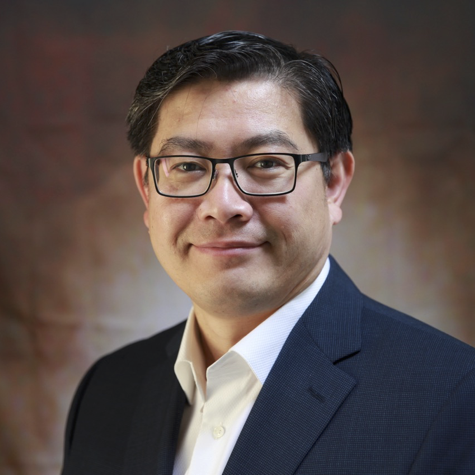
Peng
|
|
|
|
The ACGT logo was created with the help of graphic designer Anne Boston.
|
|
|
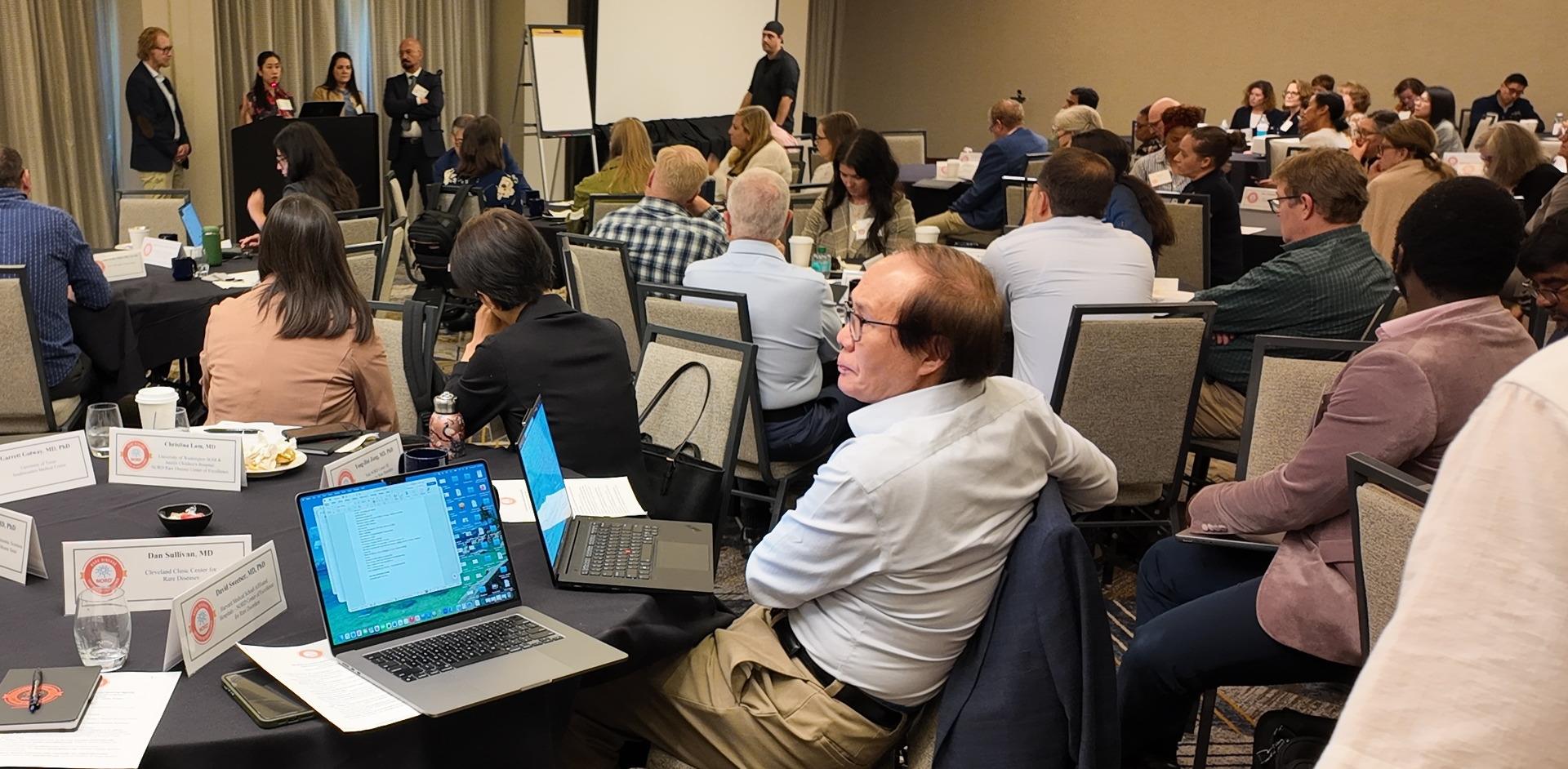
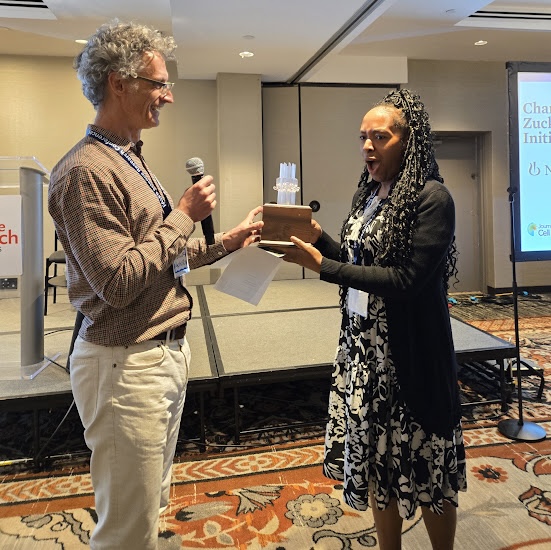
Extra: NORD leadership meeting
|
|
|
I'm a new Text block ready for your content.
|
|
|
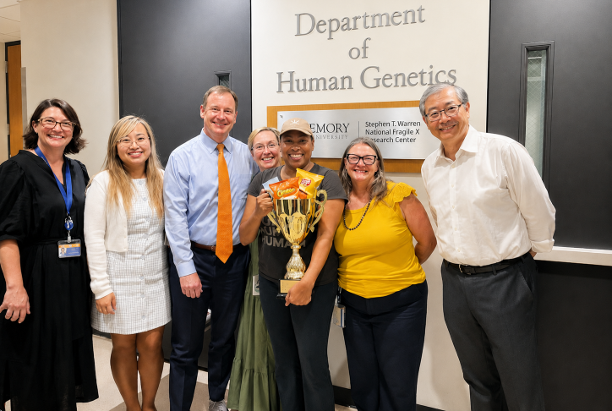
Golden eyelashes
Postdoc Tiffany Terry in Tamara Caspary's lab received a best poster award at the FASEB Cilia and Centrosomes conference in August.
She was also inducted into "The Order of the Golden Eyelash" and was presented with a curious trophy, which she was charged with protecting for 2 years and then presenting to the next inductee.
|
|
|
|
|
|
Most valuable player
Tamika Malone, Research Specialist Supervisor in Peng Jin’s lab, was selected to receive Emory University School of Medicine's Staff MVP award. Tamika has been with the Department of Human Genetics for more than 25 years.
She was cited for her expert management of animal care and research integrity and safety, her collaborative approach and support for her team, and creating a positive and inclusive laboratory environment. Congratulations, Tamika!
|
|
|
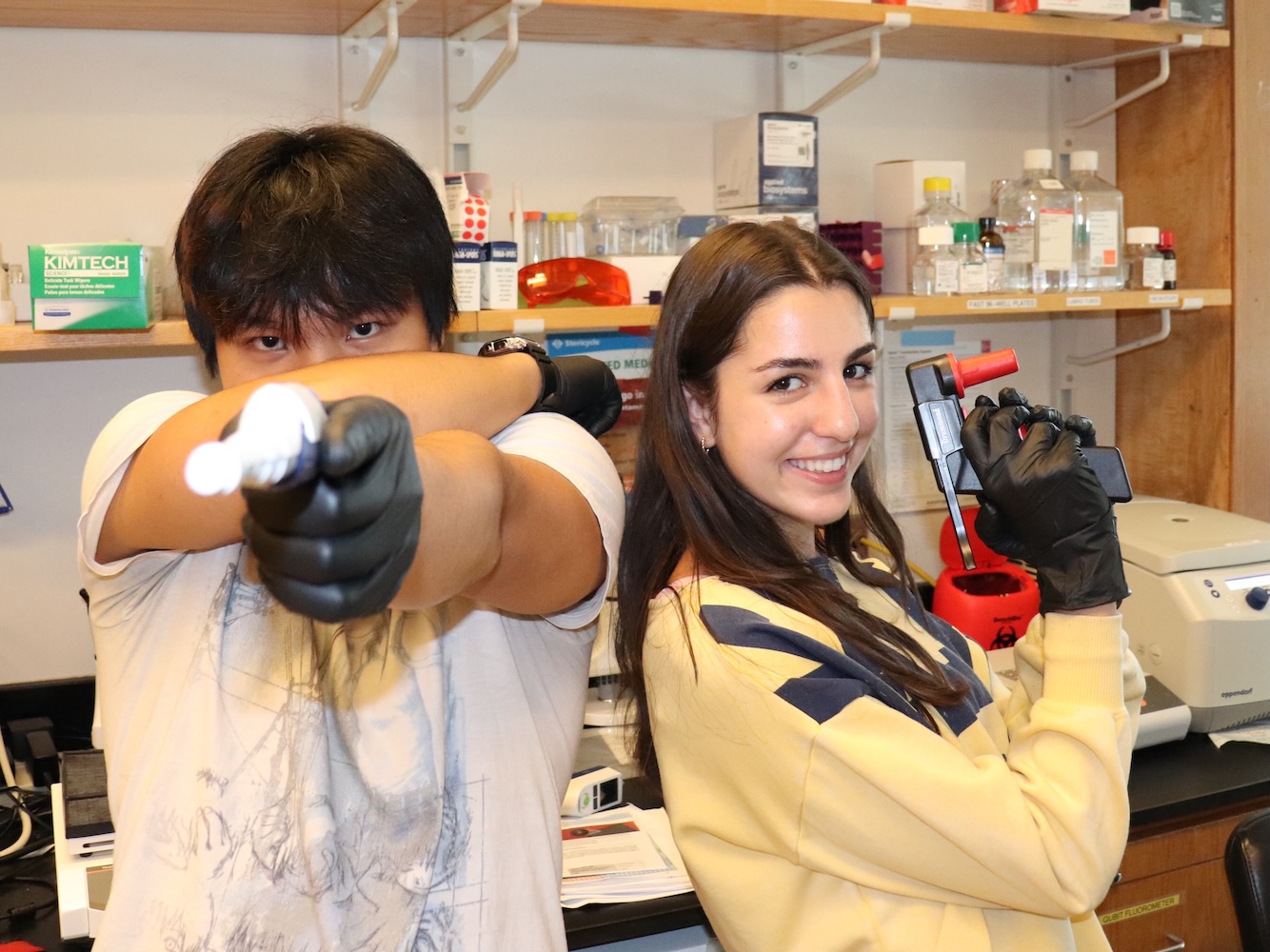
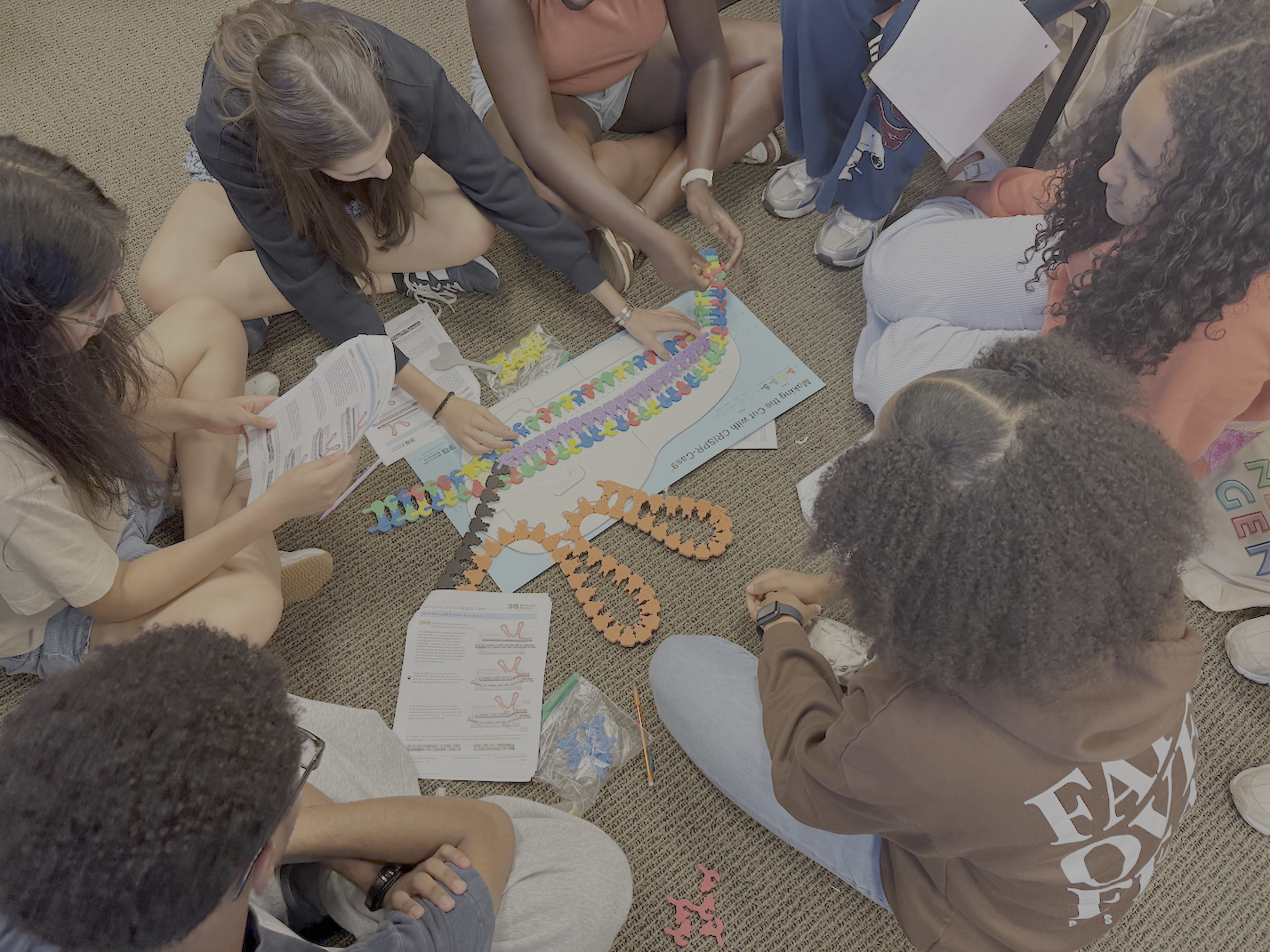
Molecular boys and girls
Led by the capable Emily Allen, the NextGen High School Internship Program restarted this year after a pause in 2025. During a five-week stretch this summer, 10 Atlanta-area high school students got a chance to see what biomedical scientists do every day. See below, and more here.
|
|
|
|
|
Fabry Family Education Conference
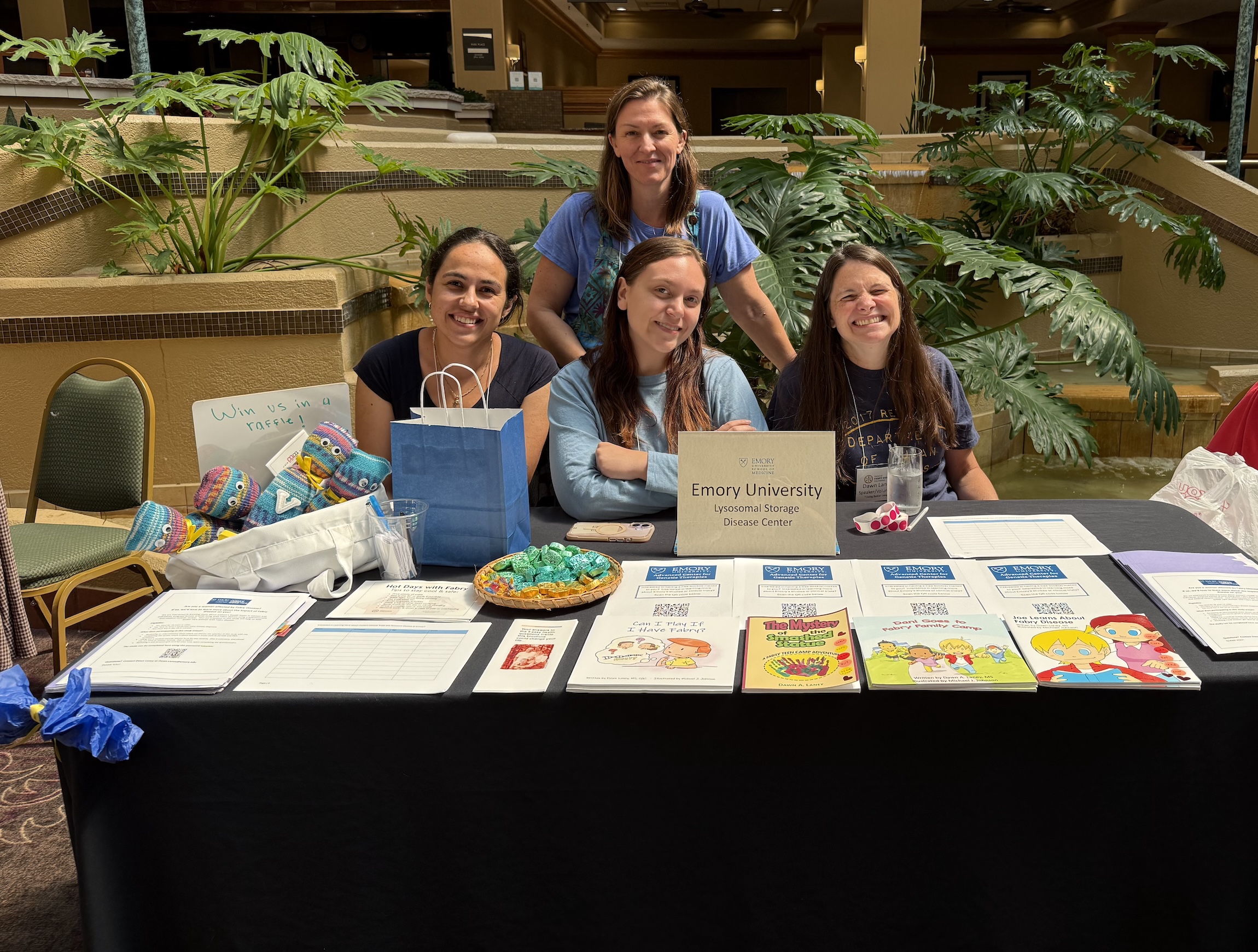
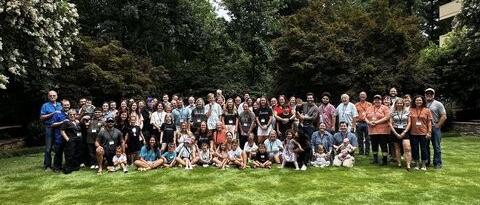
While much of the department was at the retreat, Dawn Laney, Gwen Gunn, Nikol Nikolova and Rylee Barrett attended the Fabry Family Camp and Education Conference in North Carolina. The events were organized by the National Fabry Disease Foundation.
|
|
|
|
|
PKU Family Camp
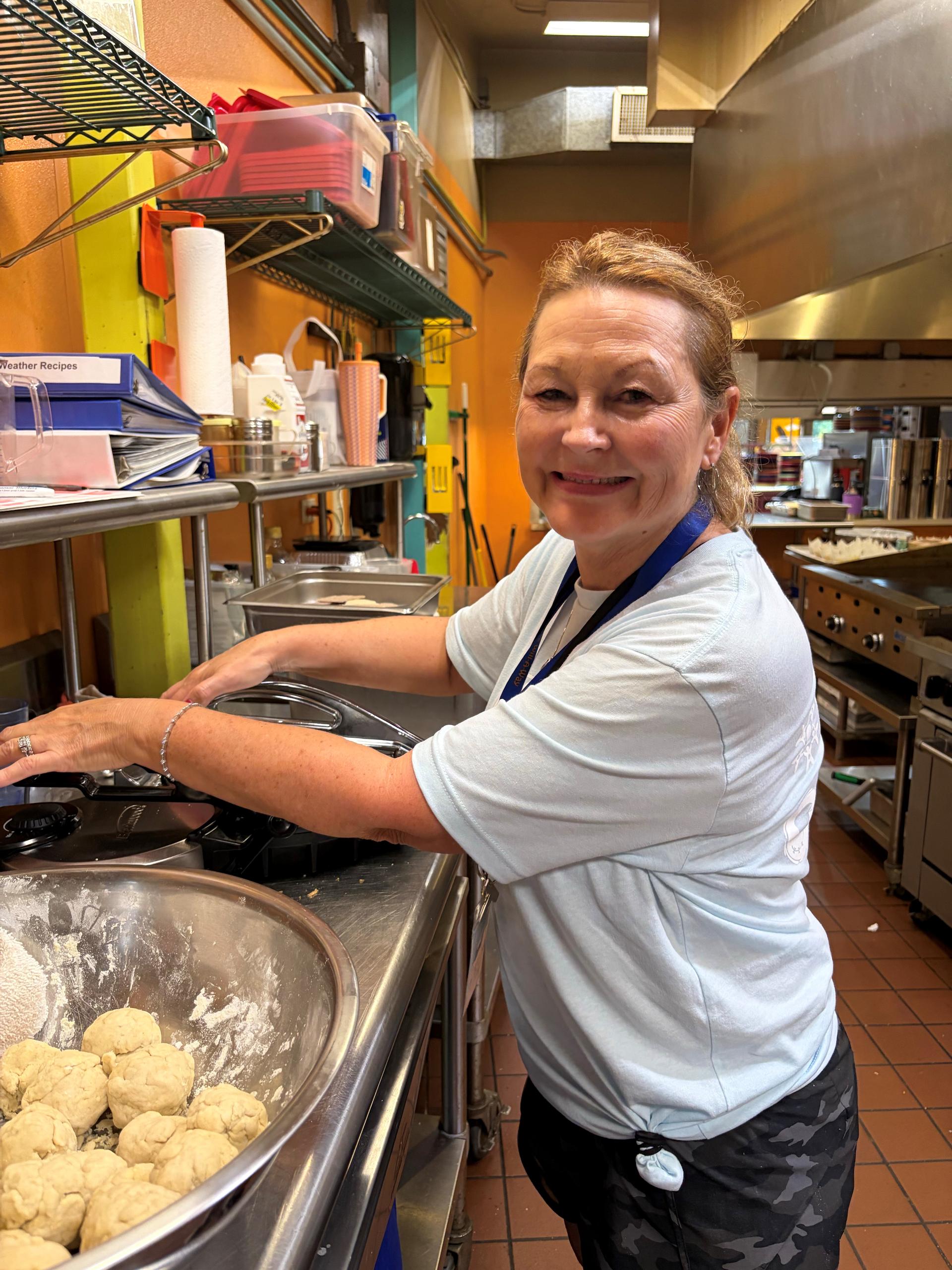
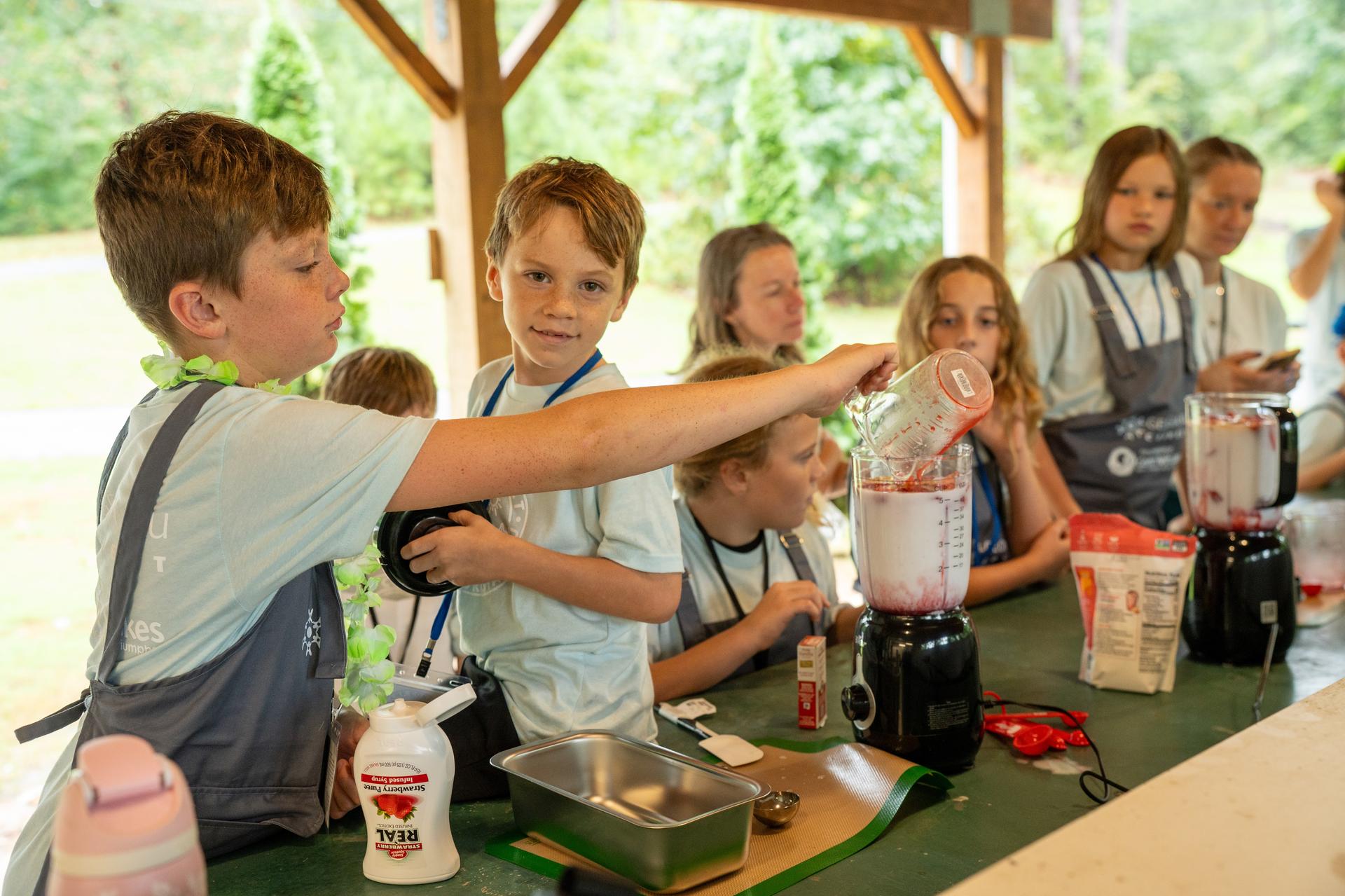
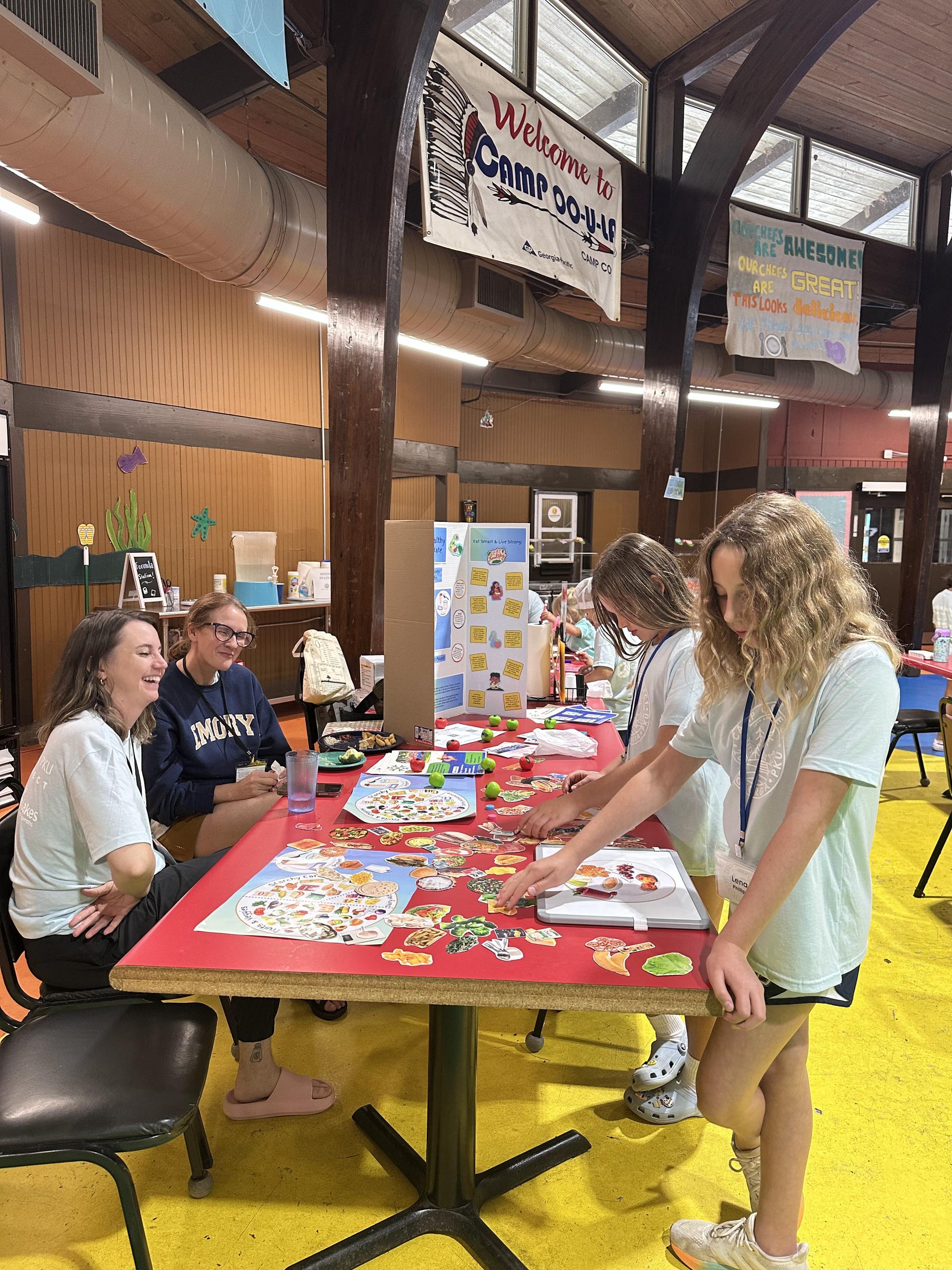
Georgia PKU Connect held its 15th Annual PKU Family Camp September 11 – September 13 at Camp Twin Lakes Will-A-Way in Winder, Georgia.
We spotted Angela Wittenauer, Hong Li and Shiela Ryan – thanks to Caitlin Flatley for providing photos!
|
|
|
|
|
|
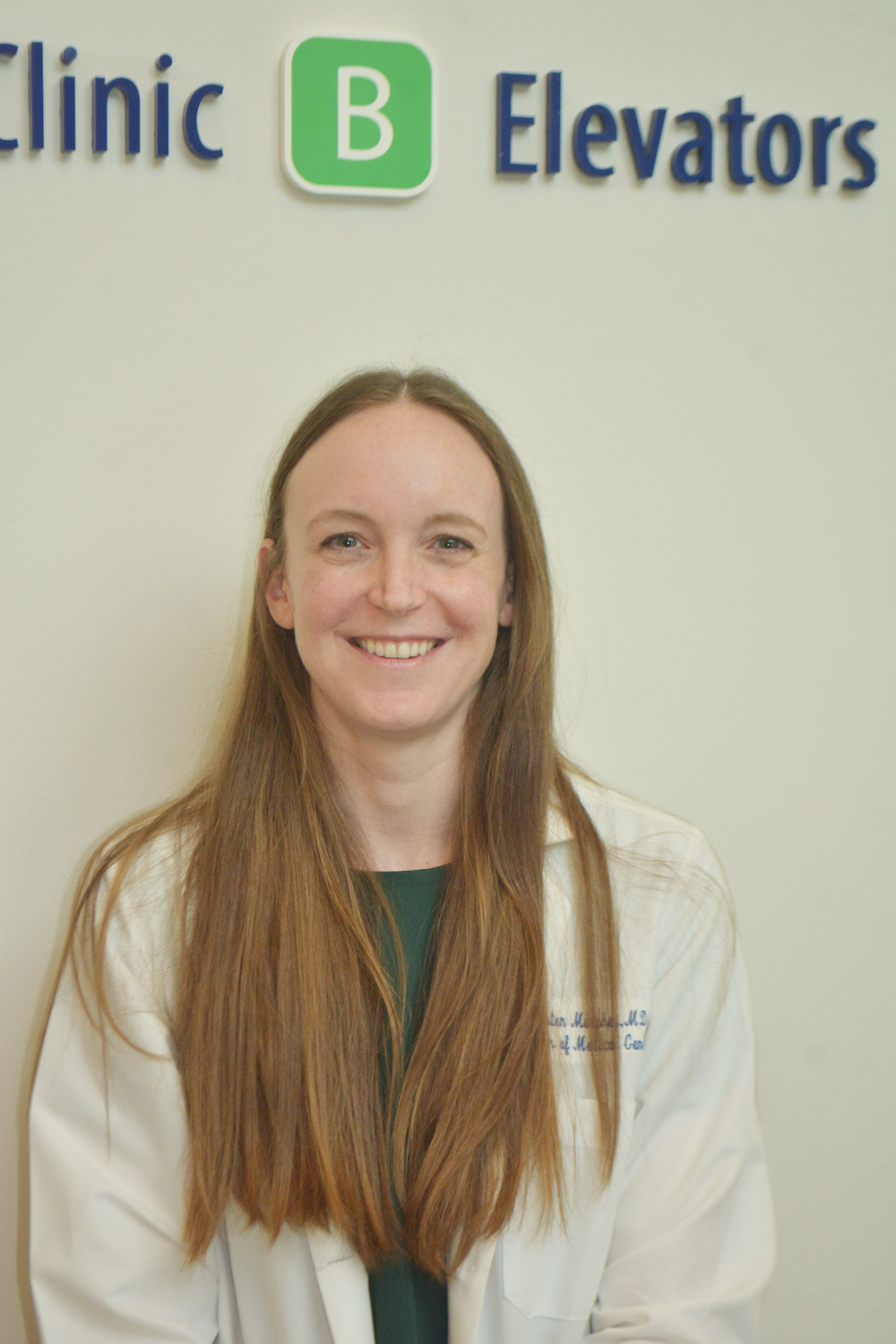
Assistant residency program director
In September, Kristen Murphey, MD was named as assistant program director for Medical Genetics residency programs. Dr Murphey has already been supervising several residents and fellows, along with her roles as co-director of the Genetics and Evolution Module and Medical Genetics Course.
|
|
|
How do you say metabolic medicine in Finnish? "aineenvaihduntalääketiede"
Several members of our department attended the SSIEM (Society for the Study of Inborn Errors of Metabolism) meeting in Helsinki in late August.
|
|
|
|
|
Tim Thornton
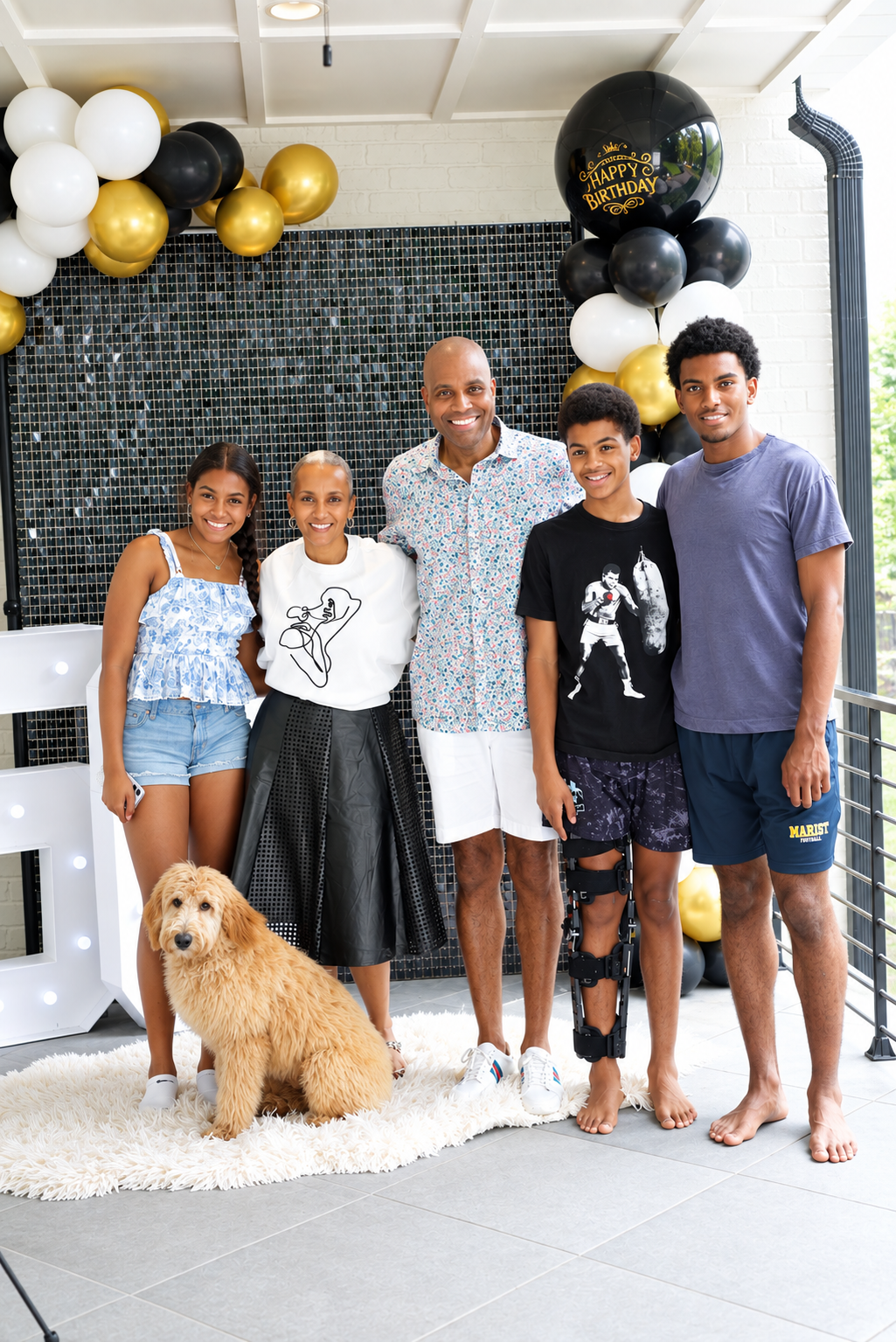
Tim Thornton recently joined our department - welcome! Prior to joining Emory, he served as Senior Director of Statistical Genetics and Machine Learning at Regeneron Pharmaceuticals in Tarrytown, New York. Before his time in industry, Thornton was an endowed Professor of Biostatistics at the University of Washington, where he was a faculty member for 14 years.
Thornton's research focuses on developing and applying statistical and computational methods for analyzing large-scale genetic and multi-omics data to better understand the genetic architecture of complex human traits and diseases. A central focus of his work is identifying causal genetic variants across ancestrally diverse populations, including underserved and underrepresented groups, to improve the generalizability of genomic discoveries and help address disparities in genetic research.
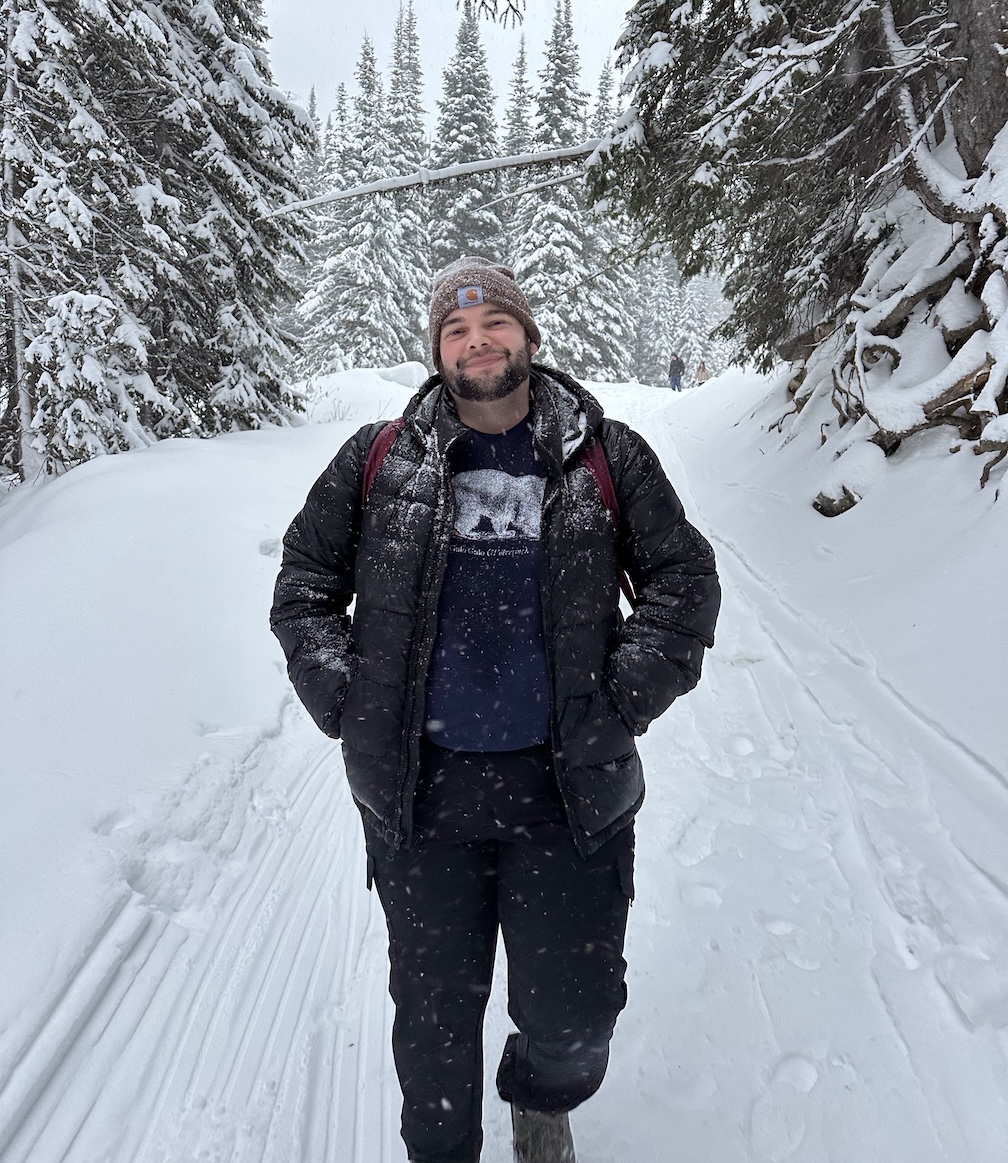
Outside of work, Tim enjoys spending time with his wife, Almaz, and their three teenage children, whose year-round activities keep the family busy with cheerleading, lacrosse, swimming, football, and basketball. The household has become even busier with the recent addition of Bruno, a goldendoodle. Tim is an avid skier and enjoys traveling and learning about cultures around the world.
|
|
|
Kendra Vilfort
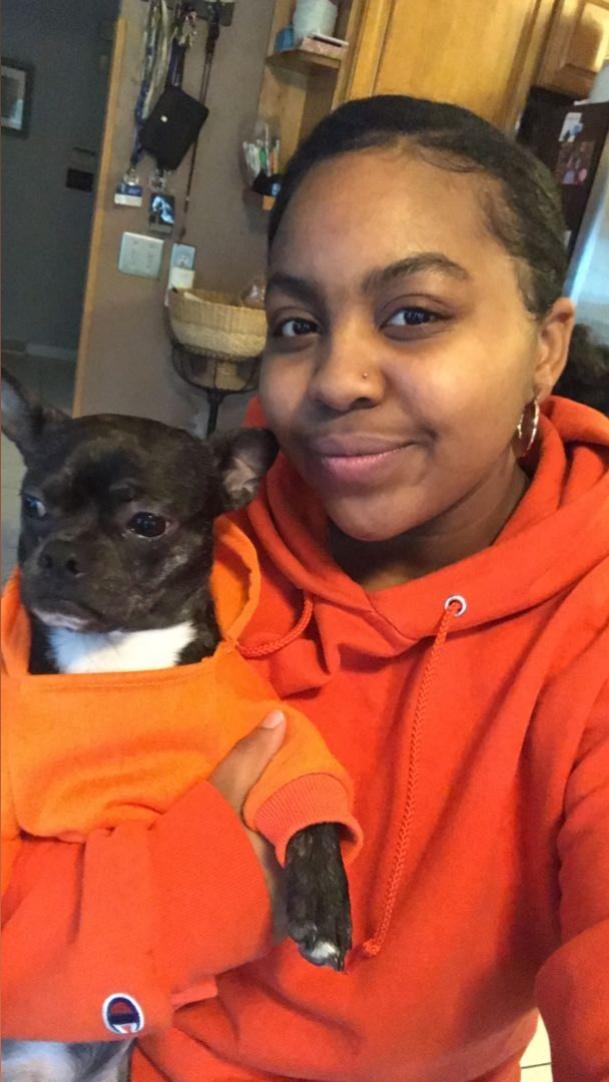
A New Jersey native, Kendra is a research specialist in Elizabeth Leslie-Clarkson's Lab. She came to Georgia in 2020 through an ORISE Fellowship at the Centers for Disease Control and Prevention. Having recently earned her Master's in Bioinformatics this past May, she's now putting those new skills to work in the lab, contributing to multiple computational projects, including exploring genetic variants in 5 prime untranslated regions of the genome and their relationship to orofacial clefting. Outside of work, Kendra loves meeting new people and getting involved in her community. She considers herself a Jill of all trades, and in her free time you might find her tangle up in a craft project, watching action movies or shows, trying out new recipes, or spending time with her dog, Cisco.
|
|
|
|
|
|
Cameron Russell
Cameron is originally from Crowley, Louisiana, also known as the ‘Rice Capital of America’. He attended the University of Michigan as a first-generation college student (link to NPR story), where he was a Kessler Scholar and earned his B.S. in Biochemistry in 2022.
Currently, he is a 5th year in the Biochemistry, Cell and Developmental Biology graduate program and is in Karen Conneely’s lab. His thesis work focuses on clonal hematopoiesis of indeterminate potential and the intersection with multi-omics to better understand its role in disease using large biobanks.
When not in the lab, Cameron enjoys playing racket sports like pickleball and tennis, reading tons of books, playing video games, and lounging around with his cat Poppy.
|
|
|
Our department is participating in the OTC Hope study, which is testing a gene therapy for ornithine transcarbamylase (OTC) deficiency. This is a first-in-human study in infants, using the PCSK9 locus as a “safe harbor” insertion site for delivery of a functional OTC gene to liver cells.
OTC deficiency, in its neonatal onset form, carries a high mortality rate. Enzyme deficiency leads to the buildup of toxic ammonia, putting affected infants at risk for neurological complications. The current standard of care consists of dietary restriction, ammonia scavenger medication and liver transplantation when feasible.
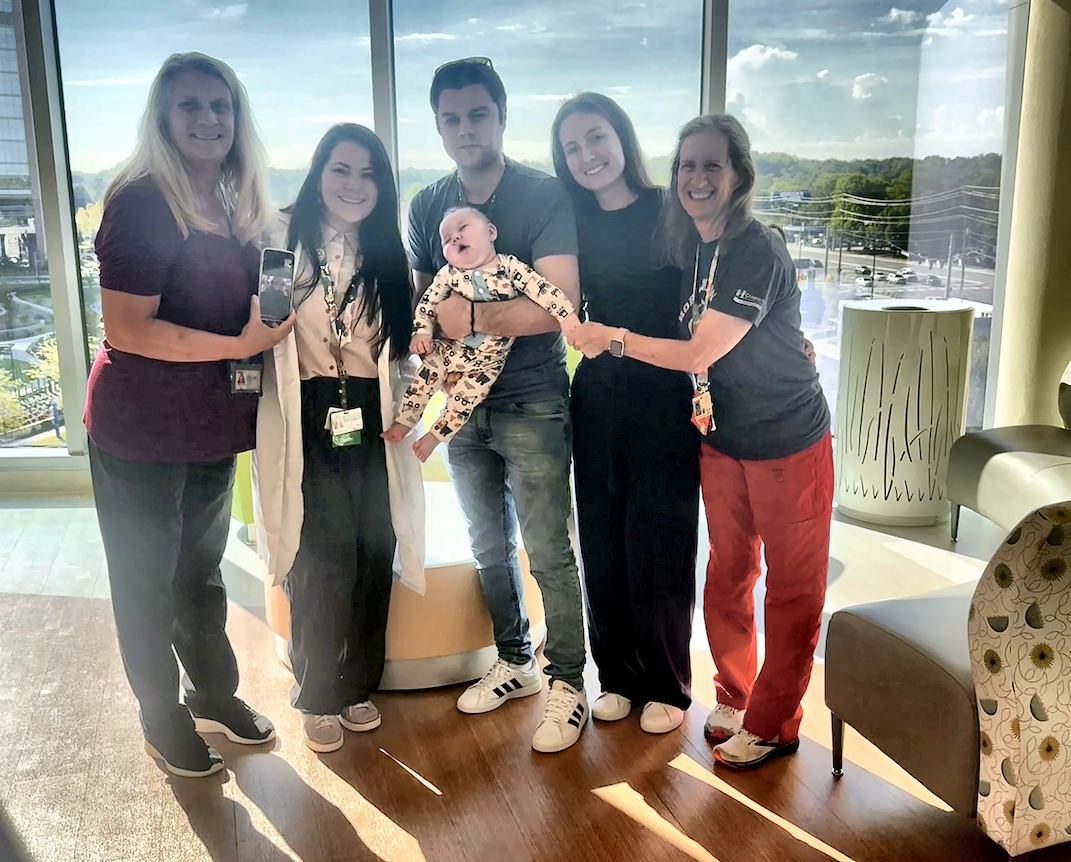
In late July, young parents from southern Brazil traveled with their baby boy to Atlanta. He received an infusion of experimental viral vectors at Arthur M. Blank Hospital, supervised by Dr. Sanchez in collaboration with CHOA’s Pediatric Research Unit.
|
|
From left to right: Eleanor Botha, Rossana Sanchez Russo, parents and infant, Dianne Grainger from CHOA’s Pediatric Research Unit (note: photo filters applied via Claude)
|
|
|
The parents, who had not visited the United States previously, were accompanied on their journey by a Brazilian medical resident. In addition, a translator assisted Atlanta clinicians in communicating with the parents in Portuguese via FaceTime mobile phone.
The Brazilian boy was the ninth patient worldwide to receive the experimental gene therapy -- up to 11 more are expected to be enrolled across all sites. The study has been underway for about two years and includes sites in the United States, UK, Spain and Australia. In August at the SSIEM meeting in Finland, study sponsor iECURE reported safety data and a reduction in hyperammonemic events.
|
|
|
Phe levels in 15 minutes?
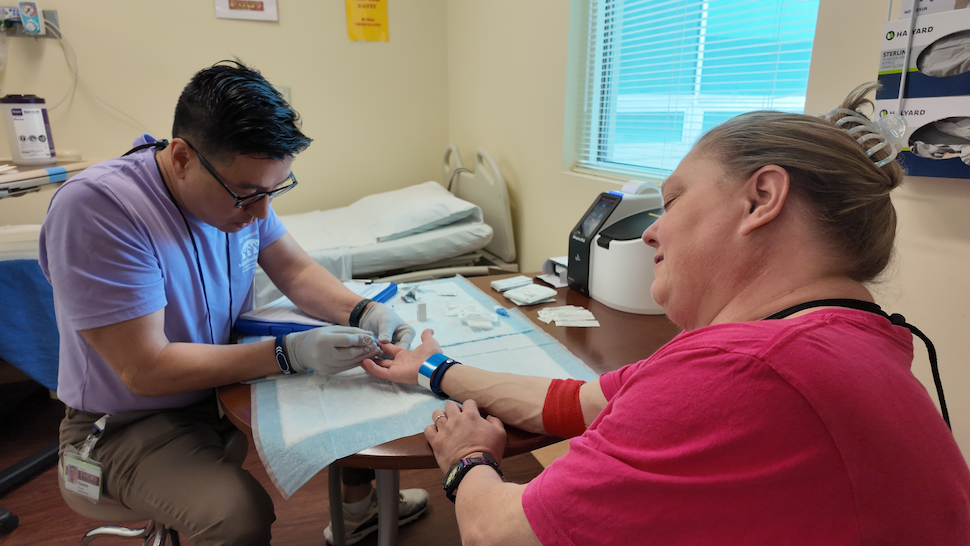
This summer, the MNT4P Metabolic Camp was testing an experimental device from a South Korean company that measures phenylalanine blood levels in people with PKU. It returns phenylalanine levels in less than 15 minutes. Wider use and standardization would greatly facilitate dietary management for people with PKU -- it now takes weeks for results from mailed blood spots.
|
|
Saran Gurung obtaining a sample -- campers still had fun cooking and socializing and didn't spend most of their time in EUH's clinical research center (above)
|
|
|
|
|
|
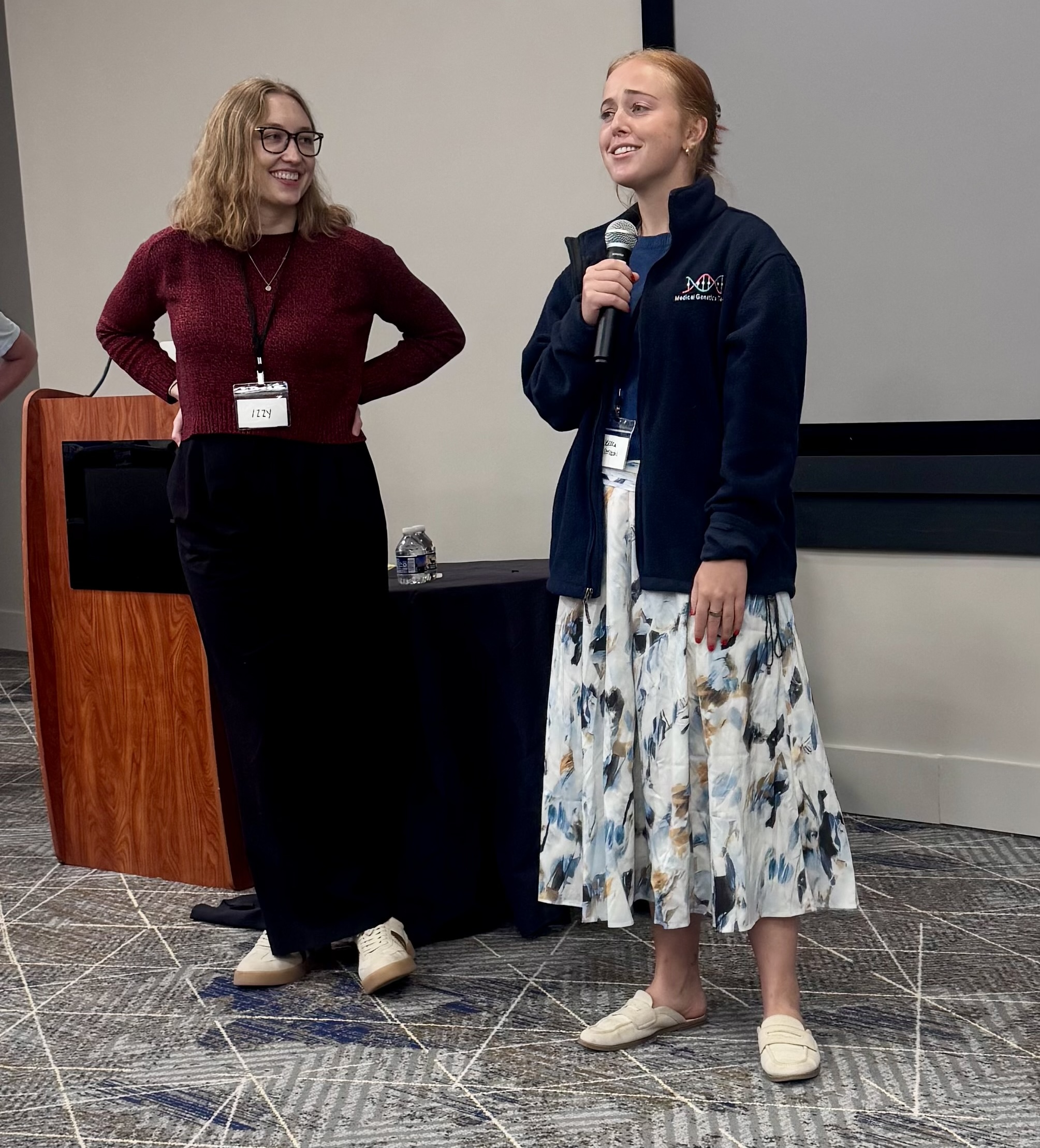
The Cure PDE Foundation held a family retreat at Emory Conference Center on July 25.
The MNT4P group is following one of the families in the clinic, and Jessica Strosahl and Izabele Scovil from the MNT4P team attended the retreat.
|
|
|
PDE stands for pyridoxine-dependent epilepsy, caused primarily by mutations in the ALDH7A1 gene, which encodes an enzyme involved in lysine breakdown. Toxic intermediates accumulate and produce a functional pyridoxine (vitamin B6) deficiency, triggering seizures that can be controlled through dietary management.
|
|
|
Newborn genomic sequencing
|
|
|
Nature news feature -- Read and assess whether it does a good job capturing the practical and bioethical issues?
The New York-based GUARDIAN study continues to get press: CNBC
The broader idea was explored in a June New York Times opinion piece by Dr Daniela Lamas.
“Widespread newborn gene sequencing could happen — sooner than we might expect,” she writes.
Update: Georgia will be part of the Bridges newborn genomic sequencing feasibility study funded by NIH. It is not yet decided which birthing hospitals will participate; two hospitals in each state/territory will be chosen. More information on this project to come!
|
|
|
Standard/biochemical newborn screening -- filling a gap
In August, the federal Department of Health and Human Services awarded $700,000 to the Association of Public Health Laboratories to establish a “national newborn screening stakeholder workgroup.”
Recall that the previous HHS advisory committee on national guidelines for newborn screening was dissolved at the beginning of the Trump administration, and the ACMG had formed the Newborn Screening Collaborative (the first in-person executive session was in July 2026) with the goal of filling the gap. Much about the federal/APHL project remains to be clarified – we may have two parallel efforts for the next few years.
|
|
|
TCF20 Family Meeting
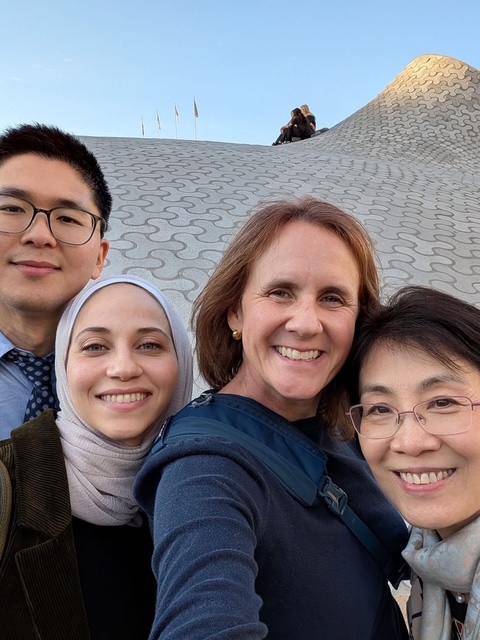
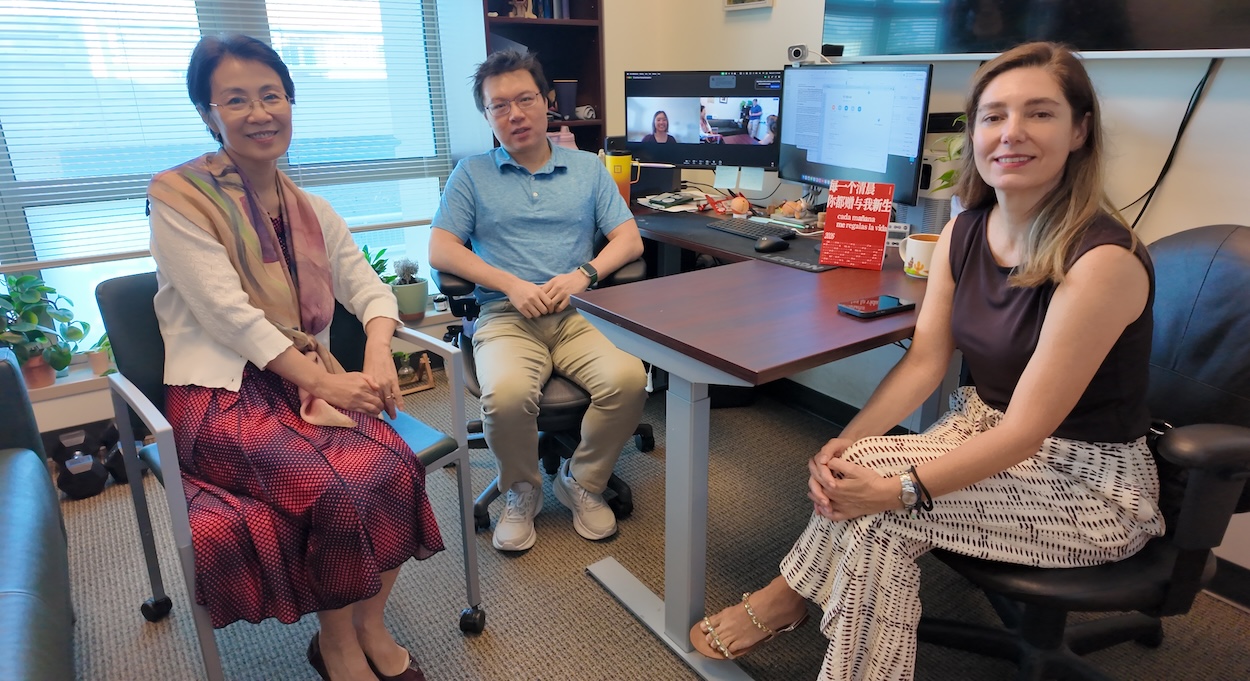
Project TCF20 held its first family meeting via Zoom on September 12, 2026. More than 50 affected families were able to attend, co-organizer Jian Zhou reports. He and Hong Li have been working with families of patients with TCF20 variants to establish a Project TCF20 non-profit organization. At the meeting, three families described their journeys, undergraduate student Chris Do gave a clinical presentation and graduate student Gaea Dominguez presented a research update.
TCF20 encodes a protein interacting with Rett syndrome culprit MECP2; TCF20 pathogenic variants can lead to developmental delays and autism spectrum disorder.
Below: Hong Li and Jian Zhou with parent organizer Carolina Lapostol, visiting from Chile this summer
|
|
|
|
|
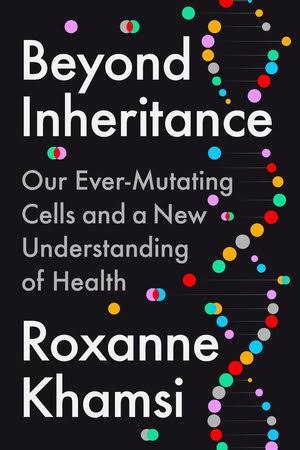
This 2026 book from science writer Roxanne Khamsi surveys the phenomenon of somatic mutation, which intersects with many of our research interests. The twin papers demonstrating that somatic mosaicism in the nervous system can cause hemimegalencephaly appeared in 2012, and it is now known that clonal hematopoesis impacts health and aging outside the realm of blood cancers. But it is underappreciated how widely somatic mutations appear and what kinds of non-cancer pathologies they are connected to. The author provides a broad tour of this topic, filling in some historical background and connections between fields that some investigators may not be aware of.
Khamsi provides mini-profiles of intellectual pioneers such as Wilhelm Roux in the 19th century. However, the number of investigators who have contributed to this topic is quite large, and some intriguing figures (for example, Rusty Gage) are mentioned but neglected. She doesn’t touch on some examples of somatic variation that could have been included, in Huntington’s disease, polycystic kidney disease or vascular malformations. Despite these limitations, the book is a worthwhile read.
|
|
|
Thank you for your attention
Comments or edits for this newsletter, or suggestions for the next one: contact Quinn Eastman qeastma@emory.edu
|
|
|
|