Human Genetics Dispatch
Fall 2025
|
|
|
|
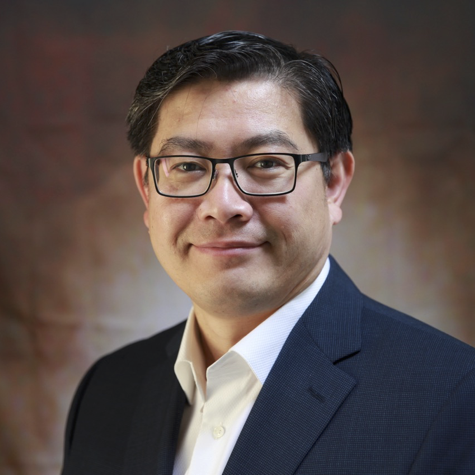
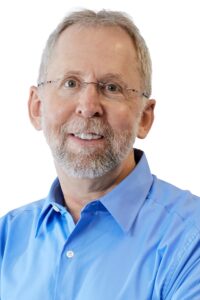
Welcome to the Fall 2025 edition of Human Genetics Dispatch. This spring, our department had the first External Review since 2015, which affirmed our national prominence in genetics research, clinical services, and training. Reviewers cited strong leadership, robust NIH funding, highly ranked programs, and a collaborative and collegial faculty culture – but they also recognized that we face structural and institutional barriers that could threaten long-term competitiveness.
In response, the Department has developed the Action Plan, which was shared with all of you. The plan outlines priority steps in six domains: (1) Space & Infrastructure, (2) Faculty Recruitment & Retention, (3) Research & Translational Opportunities, (4) Education & Training, (5) Institutional Partnerships, and (6) Development & Advancement. By aligning with SOM and University priorities, building strategic partnerships, and leveraging philanthropy, DOHG will drive the future of genomic medicine at Emory and make transformative contributions to patients’ and families’ health worldwide. I look forward to working with each of you to implement this action plan.
I also want to take this opportunity to highlight our faculty members who were honored during the School of Medicine’s Faculty Recognitions Week. These awards demonstrate the department’s broad range of academic, clinical, and research excellence. Dr. Zack McEachin received the Excellence in Research “Rising Star” Award, a recognition of the hard work and dedication of his lab and collaborators. Dr. Jaime Vengoechea was named a “Hidden Gem” in Human Genetics for his significant service to the Department and Emory Healthcare. These awards highlight how our department members contribute not only to the success of Human Genetics but also to the broader mission of the School of Medicine.
|
|
|
Finally, as we are approaching the holiday season and the start of 2026, it is a good time to pause and reflect. We are fortunate to have opportunities to make a difference, whether in the lab, the clinic, or the classroom. I am deeply grateful to work with so many inspiring and generous colleagues, and to be part of a community that values both freedom of expression and the freedom to pursue our own scientific directions. This year, the biomedical research community has faced growing uncertainty and fatigue, making it difficult to sustain motivation and long-term vision. That’s why it’s important and perfectly acceptable to say “no” when needed to preserve time for rest, renewal, and creativity. We can only thrive when we take care of ourselves and protect ourselves, and when we support one another.
From the bottom of my heart, thank you and stay well!
Peng
|
|
|
|
|
|
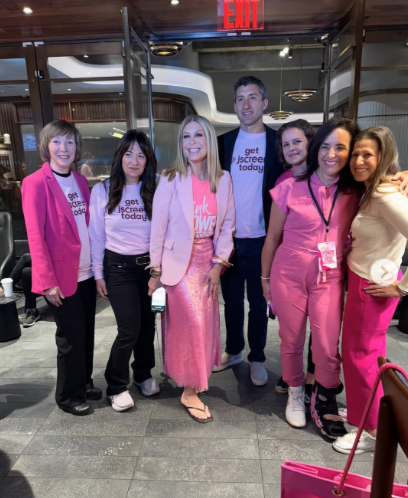
Emory genetic counselor and JScreen founder Karen Grinzaid was part of a free genetic testing event in New York City that aired live on NBC's Today Show.
During the October 1 "Pink Power Hour" event, sponsored by JScreen and Mount Sinai, around 300 people took home genetic test kits. Grinzaid (left) is seen here with Today lifestyle contributor Jill Martin and JScreen CEO Matt Goldstein. Musician Sheryl Crow performed.
Grinzaid told GenomeWeb that the event was a "special opportunity" to raise public awareness of services such as JScreen, which can bypass long wait times associated with traditional healthcare models. Jscreen facilitates third-party physician prescriptions for the MyRisk test, offered in partnership with Myriad Genetics.
Those who got tested through the event will have access to genetic counselors and care navigators to help them understand their risks. Normally, Jscreen charges a $49 base fee. Test fees can be covered by insurance if hereditary cancer risk criteria are met, or a $249 self-pay option can be billed by Myriad.
|
|
|
|
|
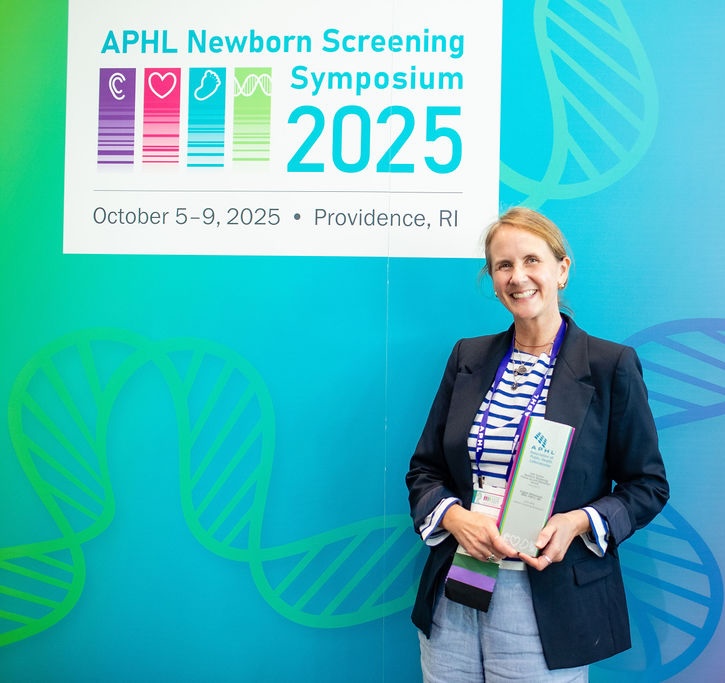
Angela Wittenauer won a major honor from the Association of Public Health Laboratories: the 2025 Judi Tuerck Newborn Screening Follow-up and Education Award.
In support of Angela's nomination, her colleagues at the Georgia Department of Public Health wrote: "Despite the seriousness of her work, Angela is brilliant, honest and just as importantly, fun to work with. She is the kind of partner who never says 'no' to a good idea if it means getting kids the care they need faster."
|
|
|
|
|
Forced into leaving the National Human Genome Research Institute (NHGRI) in March by the current administration, Eric Green is now a genomics advisor to Children's Healthcare of Atlanta and an adjunct faculty member in Human Genetics and Pediatrics.
At the American Society of Human Genetics meeting in Boston, Green received a Leadership award recognizing his role in advancing the field -- through his part in the Human Genome Project, guiding a major expansion of the NHGRI's research portfolio, and fostering collaborations among the next generation of researchers and physician scientists.
While in Boston, Green also found time to participate in a STAT panel on the "chaos" at the National Institutes of Health.
|
|
|
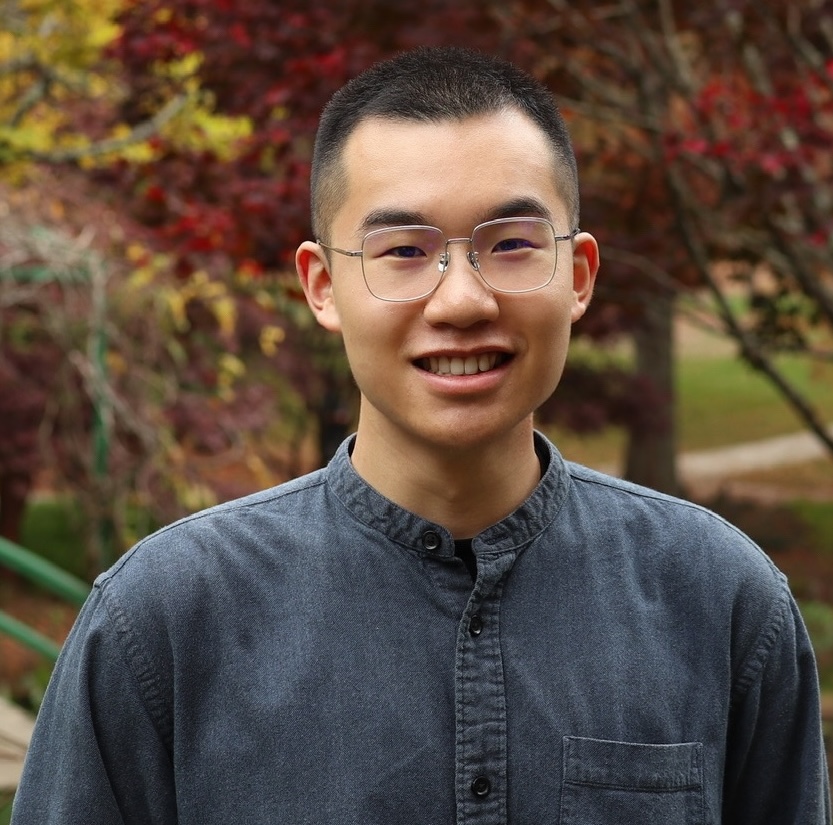
Also at the American Society of Human Genetics meeting, Chenyang Yuan was one of three graduate students to win a Trainee Research Excellence Award.
Yuan, who works with Jian Hu's group, presented mcDETECT, a machine learning framework for analyzing mRNA localized in neuronal cell compartments such as synapses or axons. He is a Biostatistics student in the Rollins School of Public Health.
|
|
|
|
|
|
Postdoctoral fellow Jessica Strosahl, PhD, RDN, LDN -- part of the MNT4P group directed by Rani Singh, PhD, RDN, LD -- was awarded a highly competitive TL1 training grant from the Georgia Clinical and Translational Science Institute titled “Defining Protein Requirements in Adults with PKU: Impact of Genotype and Medical Food Intake.”
As part of this award, Dr. Strosahl will be enrolled in the Certificate Program in Translational Science (CPTS), designed to support professional development and enhance cross-disciplinary research skills.
|
|
|
|
|
Emory undergraduate Tanvi Kamra received a Randi J. Hagerman Summer Scholar Research Award from the National Fragile X Foundation. This summer, she worked in Nisha Raj's lab on a project titled: Integrative multiomic analysis of postmortem brains from patients with Fragile X associated disorders.
Tanvi told the NFXF that "This experience has not only solidified my passion for neuroscience and translational research but has also equipped me with the foundational skills and mindset needed to pursue graduate-level research..." Her video presentation is available here.
|
|
|
Katherine Singleton, a graduate student in Paula Ramos' lab, was one of the standout storytellers at an Nov. 3 Manuel's Tavern event sponsored by the news site Healthbeat. Katherine discussed her experiences in South Carolina as a patient-scientist, dealing with hypermobile Ehlers-Danlos syndrome.
|
|
|
|
Update on NextGen
Because of funding limitations, the 2025 Next Gen high school internship converted to a limited format this summer: four one-day open house events. For 2026, program director Emily Allen is making plans to revive NextGen in a form resembling previous years, including hands-on lab experiences and field trips. She has been consulting with university leaders and applying to foundations with this goal in mind.
|
|
|
|
|
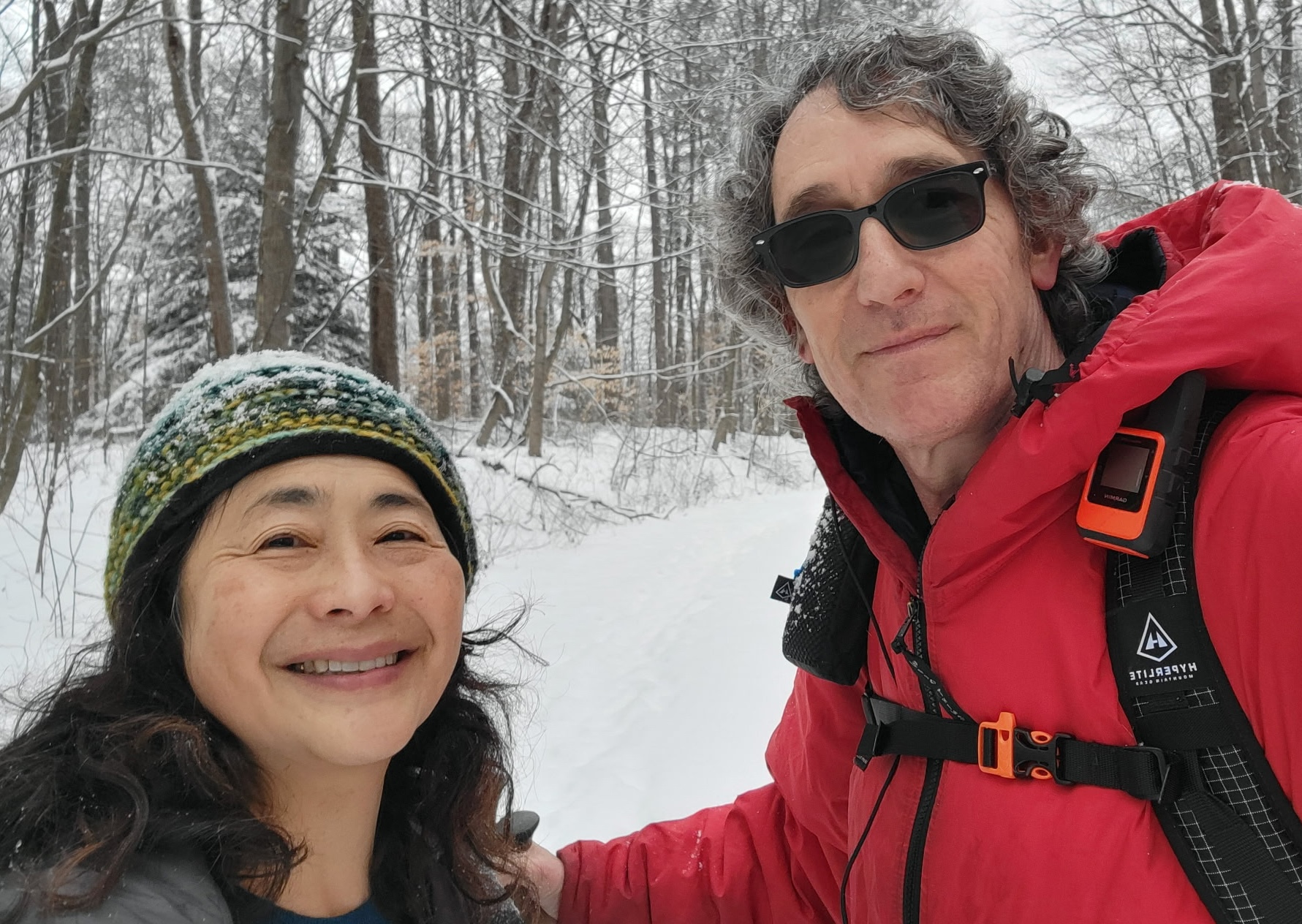
Mari Mori
Born in Japan, Mari also spent parts of her childhood in Phoenix and Chicago and lived in New York in her early twenties. She returned to the US to further her medical training. Exposure to exome sequencing ignited her interest in medical genetics, prompting advanced training after an internal medicine residency. She completed a Medical Genetics and Genomics residency at Nationwide Children’s Hospital and a Medical Biochemical Genetics fellowship at Duke, and she studied biomedical informatics at the University of Pittsburgh School of Medicine.
Mari is building an adult inborn errors of metabolism (IEM) clinic with a focus on lifelong care. Among IEMs, she has a particular clinical interest in congenital disorders of glycosylation (CDG). Her research centers on discovering repeat-expansion disorders and translating genomic technologies into patient care. She likes to hike either on trail or walk along the beltline with her husband Bruce on weekends.
|
|
|
Weilan Lin
Weilan Lin is the lab manager and research specialist in Dr. Jian Zhou’s lab. She primarily provides technical support to lab members and enjoys applying her engineering background to molecular biology research. Out of lab, she likes running and spending time with her two daughters.
|
|
|
|
|
|
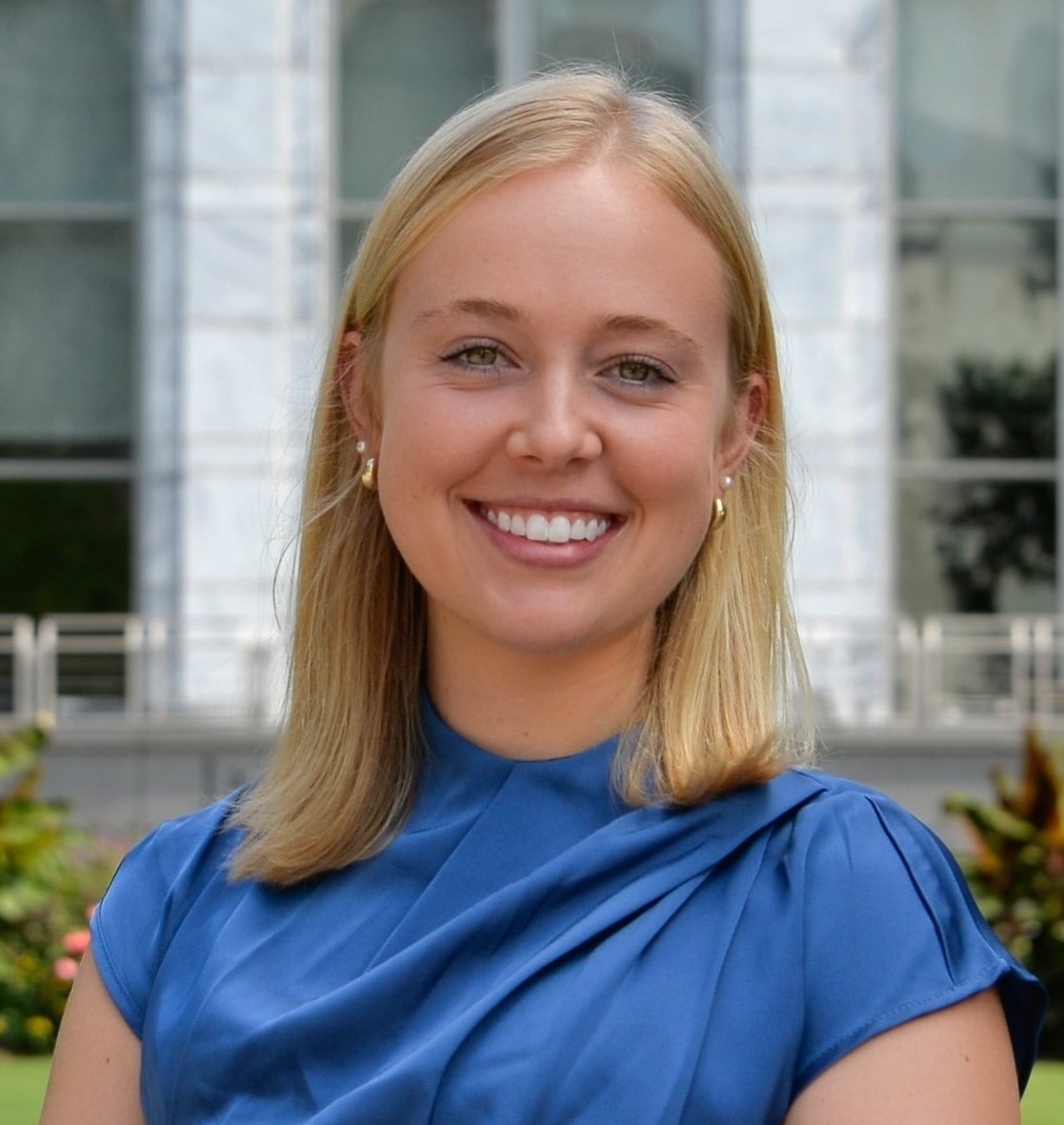
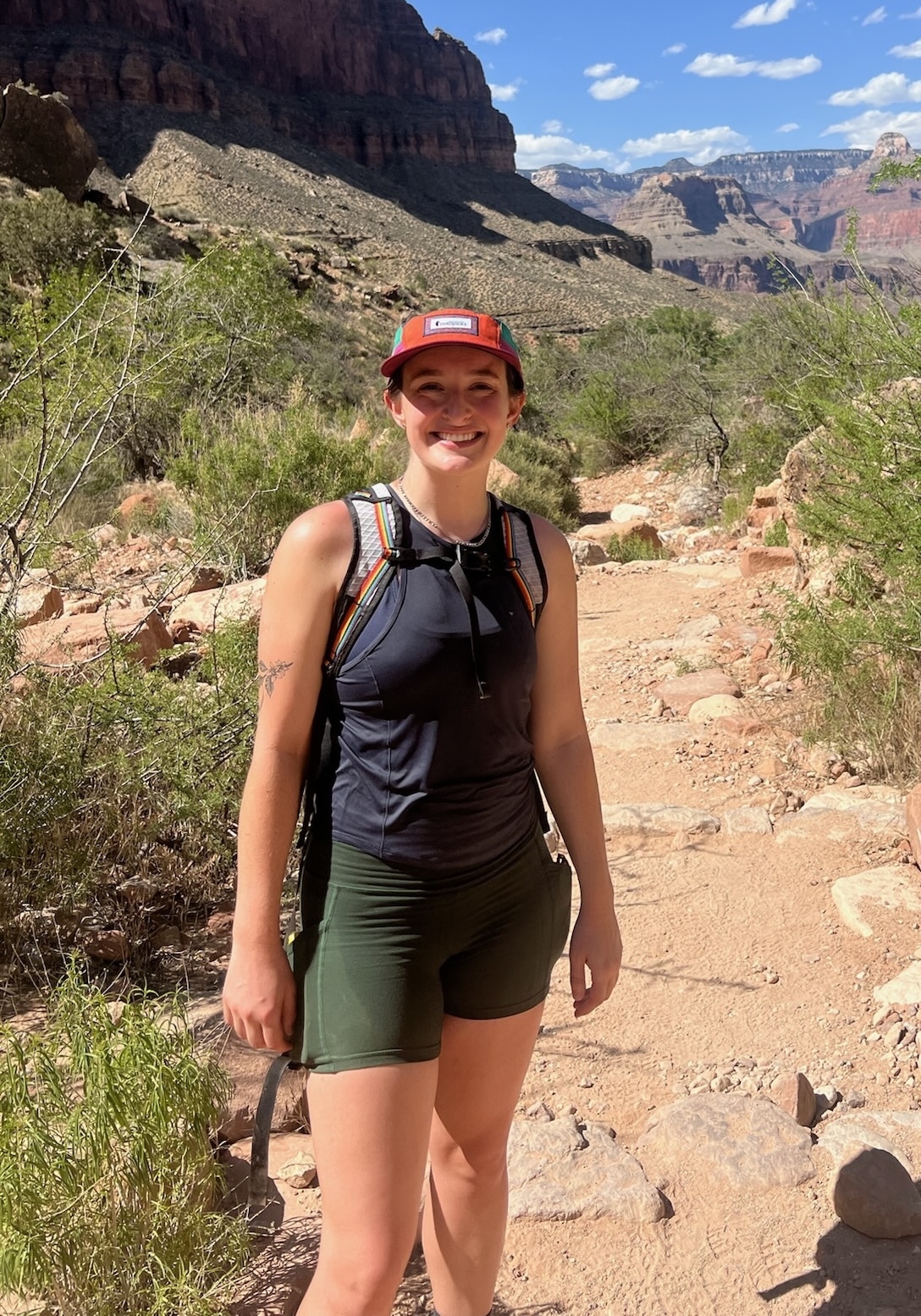
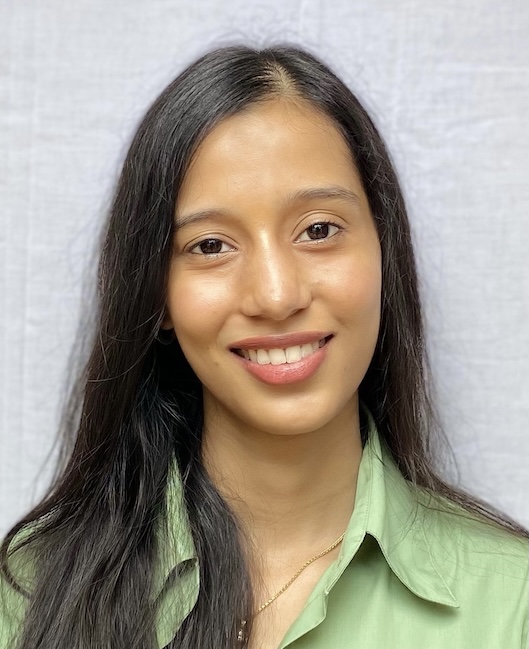
Isabella Wilson
Isabella was born and raised in Indianapolis, Indiana and attended the University of Georgia where she studied psychology and genetics. Isabella researched the interaction between symbiotic root fungi and genetic variants in Sorghum bicolor and their effect on plant health with Dr. Jonathan Arnold at UGA.
Currently, Isabella is a second-year Genetics and Molecular Biology graduate student in Tamara Caspary’s lab studying an alternatively spliced variant of Arl13b and its role in spermatogenesis. In the future, Isabella hopes to work in the assisted reproductive technology space or in science policy and communication.
When Isabella is not in the lab, she is most likely traveling, spending time outdoors, attending concerts, or some combination of these. Her favorite recent trips include a camping trip in Moab, Utah and a month of island hopping in the Balkans (before starting grad school). The most impressive fact about Isabella is perhaps her remarkable ability to parallel park. On the rare occasion Isabella is sitting still, she’s probably watching Georgia football and playing with her cat Pabst.
|
|
|
|
|
Mutation burden in blood via TOPMed sequencing data
Nature Communications, October 16
Josh Weinstock, with Alexis Battle and Marios Arvanitis from Johns Hopkins
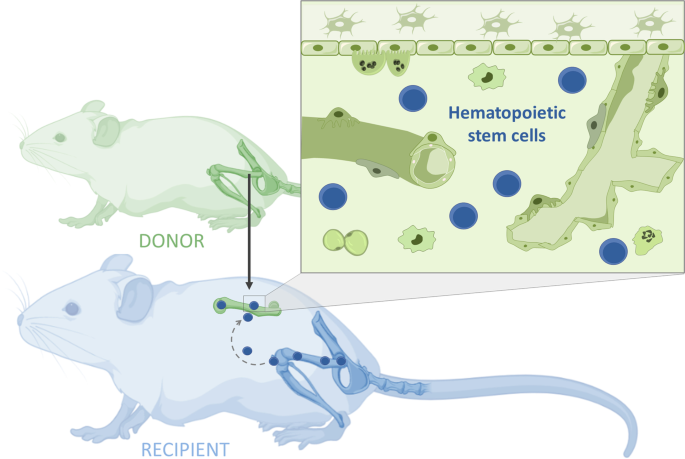
We’re familiar with using a sample of someone’s blood to sequence their DNA. But blood cells’ genomes collectively contain a huge amount of information, when they can be compared to each other and analyzed to track mutational history. Studying clonal hematopoesis is like an evolutionary experiment, within the lifetime of one person.
Weinstock has been developing computational methods to study clonal hematopoesis. Here, he and his co-authors analyze >50,000 genomes from the NHLBI TOPMed sequencing initiative, with a focus on individuals without leukemogenic point mutations that drive clonal expansion (aka CHIP). They identified seven genes associated with total mutational burden and altered hematopoietic stem cell self-renewal and proliferation.
|
|
|
A synaptic "eat me" signal for astrocytes
Experimental Neurology, September 8
Fu Hung Shiu first author, Escayg lab with co-authors Sloan, Yang, Yao
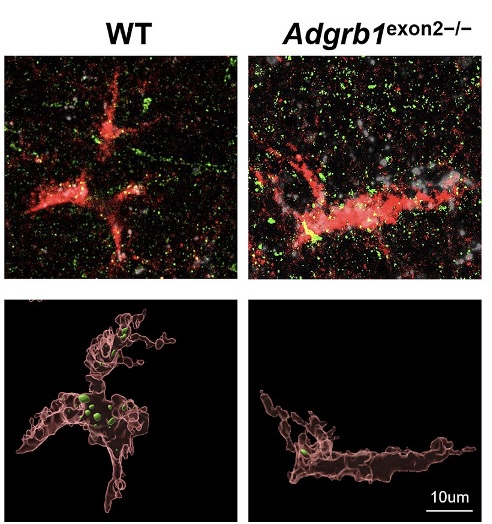
The authors demonstrate that ADGRB1/BAI1 functions as a phagocytic receptor in astrocytes, contributing to synapse elimination—an essential process in neuronal circuit refinement. Mice lacking the gene have more excitatory synapses in the CA1 layer of the hippocampus, and their astrocytes engulf fewer pre-synaptic elements (right). Alterations in synaptic pruning may explain ADGRB1 mutant phenotypes such as cognitive and social interaction deficits and heightened seizure susceptibility.
Originally studied at Emory because of its tumor suppressor properties, ADGRB1/BAI1 encodes an adhesion GPCR that interacts with Rac/Rho and ubiquitin ligase pathways.
|
|
|
|
|
|
Tinker with cilia --> defective sperm
Journal of Cell Science, September 8, 2025
Alyssa Long and colleagues from the Caspary lab
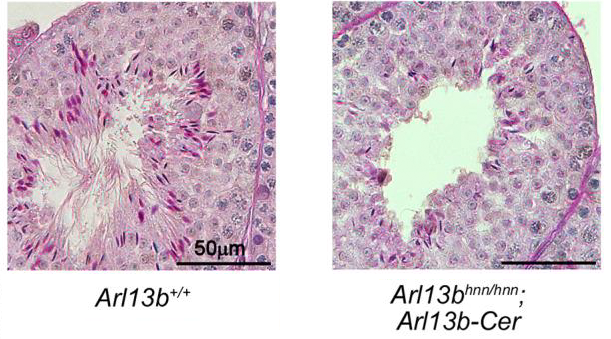
ARL13B, a small GTPase critical for cilia formation, has an unexpected role in spermatogenesis. The authors were creating a mouse line expressing a fluorescent tagged version of ARL13B. They noticed that mice expressing the tagged version only had normal numbers of cilia and survived into adulthood, but were unable to sire pups. They identified defects in spermatozoa – short flagella and abnormal head shape – consistent with defective spermatogenesis and decreased fertility.
Since the publication of this paper, the Caspary lab has been investigating a specialized splice form of ARL13B expressed in testes, as reported by co-author Isabella Wilson at the department retreat. The tagged full-length cDNA form expressed in mice is apparently unable to fulfill testes-specific functions. In retrospect, ARL13B's shared function makes sense because flagella on sperm are cousins to cilia.
|
|
|
Rare variants in PRKCI cause Van der Woude syndrome
First author Kelsey Robinson
American Journal of Human Genetics, September 2
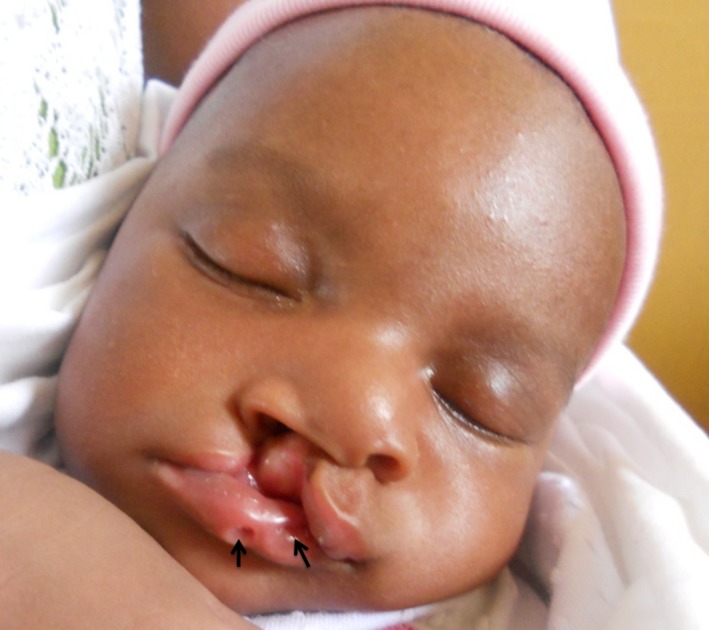
A team led by Elizabeth Leslie-Clarkson has identified a new gene mutated in Van der Woude syndrome, an inherited disorder perturbing the development of the face and mouth. People with Van der Woude syndrome often have a cleft lip or cleft palate, combined with lower lip pits.
From Gowans et al 2017, Creative Commons/open access =>
Emory geneticists teamed up with clinicians across North America to identify the new gene, called PRKCI (protein kinase C-I). In collaboration with the University of Washington, they also tested the effects of variants of PRKCI on zebrafish embryos.
The prevalence of Van der Woude syndrome is about 1:35,000 live births. In total, the team identified de novo PRKCI variants in 7 individuals with Van der Woude syndrome or syndromic cleft lip or palate. They found additional PRKCI variants in clinical databases.
The authors reported neurodevelopmental phenotypes in some of the individuals with PRKCI pathogenic variants -- not a phenotype typically associated with Van der Woude syndrome. PRKCI acts upstream of IRF6, the first gene identified as responsible for Van der Woude syndrome. PRKCI also acts in other pathways, influencing the development of multiple tissues – which could explain effects on the heart or brain. The precise relationship between PRKCI and IRF6 still has to be worked out. More here.
|
|
|
|
Clues to how ASOs can be optimized in future trials
Cell, August 26, 2025
Molecular impact of antisense oligonucleotide therapy in C9orf72-associated ALS
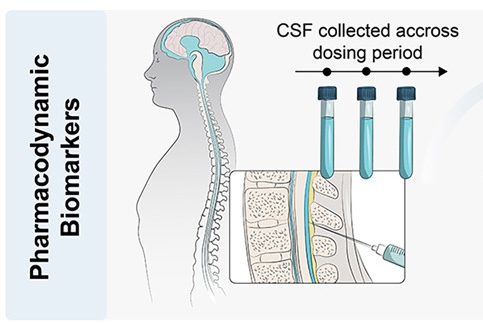
Here Zack McEachin leveraged a relationship with Jonathan Glass and Emory ALS Center and analyzed valuable samples from an ALS clinical trial. His study may help explain why a once-promising experimental medication for ALS failed to help patients, despite successfully reaching its intended target in the central nervous system. More here.
The experimental therapy BIIB078 was an antisense oligonucleotide or ASO, designed to block the production of toxic RNA and proteins in people with the C9orf72 form of ALS: the most common inherited cause of the disease. A clinical trial of BIIB078 was stopped in 2021 after patients showed no clinical improvement; biological responses to the ASO were uneven between patients. Clinical trials of ASOs continue in ALS and several other neurological diseases, so this data can guide the design of future studies.
|
|
|
|
Many ways to adorn RNA
Neurochemistry International, November 2025
Andrew Shafik and Peng Jin
This review focuses on four RNA modifications and their influence on neurodegenerative pathways, including synaptic function, neuroinflammatory signaling, and stress granule formation. The four modifications are: N6-methyladenosine, N1-methyladenosine, 5-methylcytdidine (on RNA) and A to I editing.
|
|
|
Effects of locus coeruleus optogenetic stimulation
Imaging Neuroscience, October 15, 2025
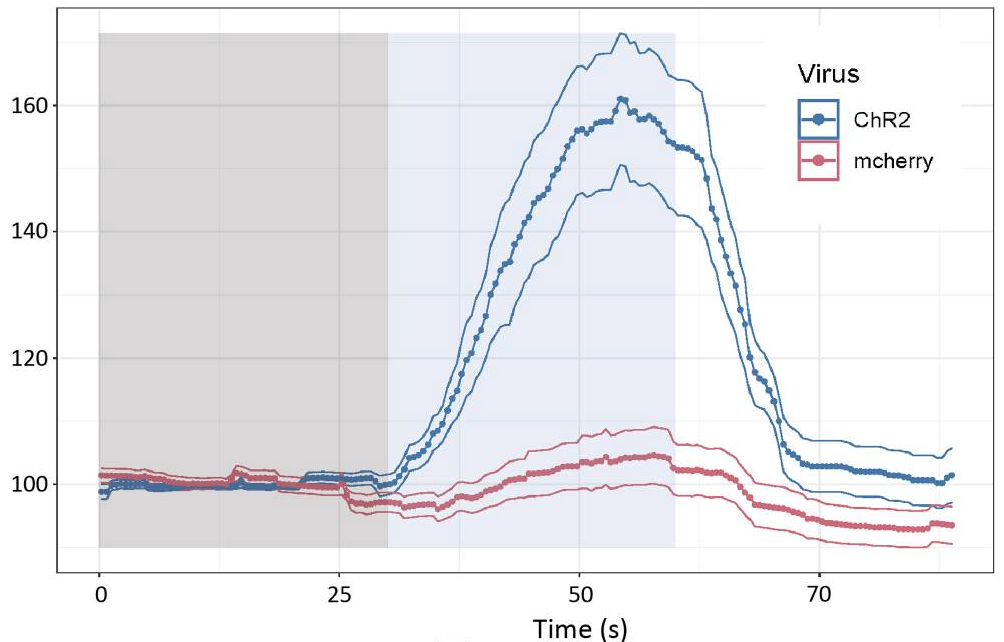
David Weinshenker and his lab members contributed to the Keilholz lab’s study of optogenetic stimulation of the locus coeruleus (LC), a region of the brainstem important in attention and memory, arousal/sleep/wake, emotions, autonomic functions and balance/posture. The LC is one of the first areas affected by signs of brain pathology in neurodegenerative diseases such as Alzheimer's.
Right: Pupil dilation is a helpful readout for LC optogenetic stimulation
The authors conclude: “The most consistent and perhaps interesting finding of the current study is that LC stimulation results in localized effects on brain-wide dynamics, most notably the cingulate cortex.” There is an extensive literature on artificial stimulation of the LC in rodents, and the authors’ findings do not align with all of what’s out there. They attribute the discrepancy to differences in method of LC stimulation (frequency/duration, unilateral vs bilateral) and/or stimulation leading to norepinephrine depletion.
There is one published example of stimulation of the locus coeruleus in humans, from Benjamin Libet (known for his studies of consciousness + free will) at UCSF in the 1980s.
|
|
|
|
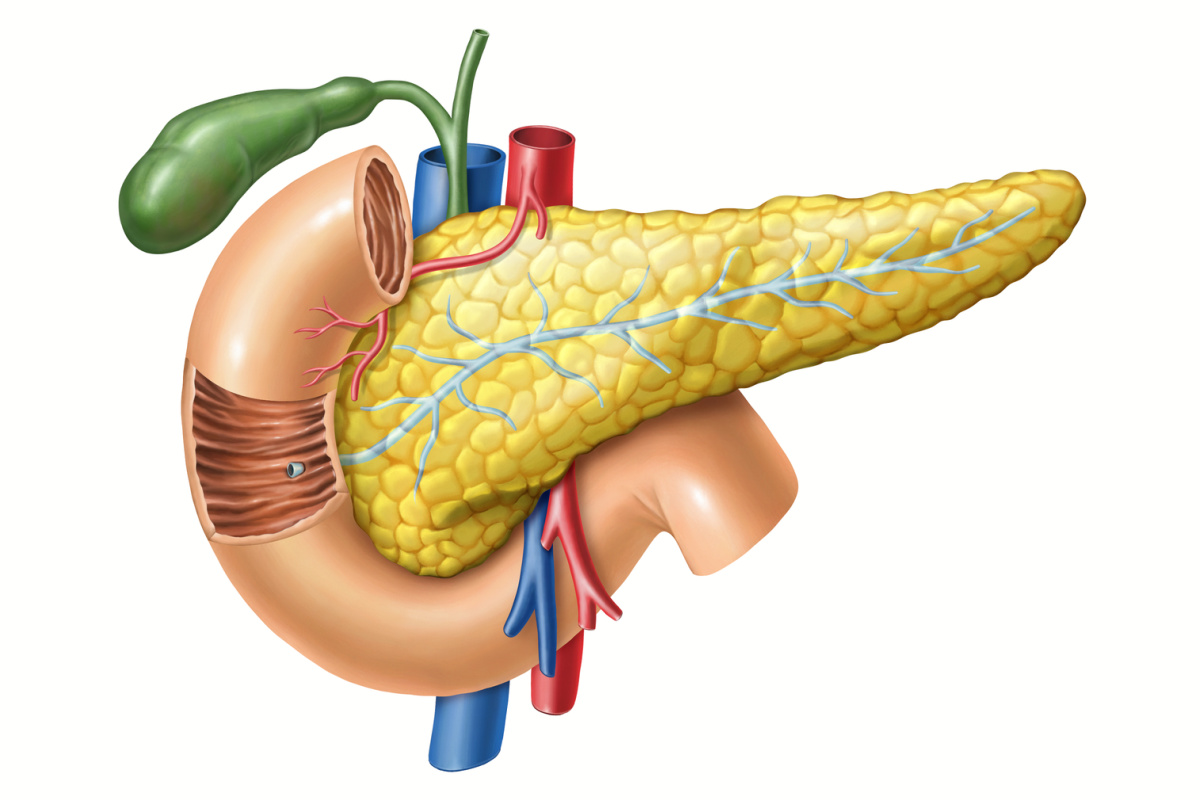
Remember the pancreas when seeing HCU patients
Rana Aljaberi, Hong Li
American Journal of Medical Genetics A, August 27, 2025
Pancreatitis Is an Emerging Rare Complication of Classic Homocystinuria: A Case Series and Literature Review
Classic homocystinuria (HCU) is caused by a deficiency in cystathionine beta-synthase, leading to excessive accumulation of homocysteine and methionine. Clinical manifestations typically involve the eyes, skeleton, central nervous system, and vasculature, with thromboembolic events, such as stroke and deep vein thrombosis, as well-recognized complications. The authors report four patients with poorly controlled HCU who developed acute pancreatitis (AP) with varying outcomes, along with 11 additional cases identified through a literature review.
Example: Case 1 was a 15 year old boy previously diagnosed by newborn screening. He had no clinical complications until coming to the emergency department with abdominal pain, emesis, and nausea, initially attributed to chronic constipation. He was discharged home without testing, but came back because of persistent symptoms and was confirmed to have necrotizing pancreatitis, leading to type 1 diabetes.
The mechanism by which pancreatitis occurs in HCU is not fully understood. Even so, early recognition of pancreatitis in HCU patients can guide disease-specific management, such as avoiding high-protein total parenteral nutrition (TPN) to reduce complications.
|
|
|
|
|
|
How to label cilia on astrocytes
BMC molecular and cell biology, July 24, 2025
First author Rachel Bear, Caspary lab
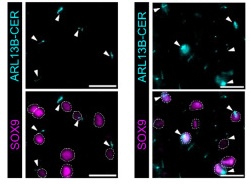
A comparison of genetic models that label astrocytes cilia in the developing prefrontal cortex, taking advantage of the astrocyte marker Aldh1l1. Maximum cilia-labeling efficiency comes from using recombined, constitutively-expressed (not inducible) reporters. Still, only a subset of SOX9- positive astrocytes in the PFC possess cilia throughout development.
|
|
|
NKX2-1 drives neuroendocrine transdifferentiation of prostate cancer via epigenetic and 3D chromatin remodeling
First authors Xiaodong Lu, Viriya Keo, senior authors Jindan Yu and Jonathan Zhao
Nature Genetics, July 21
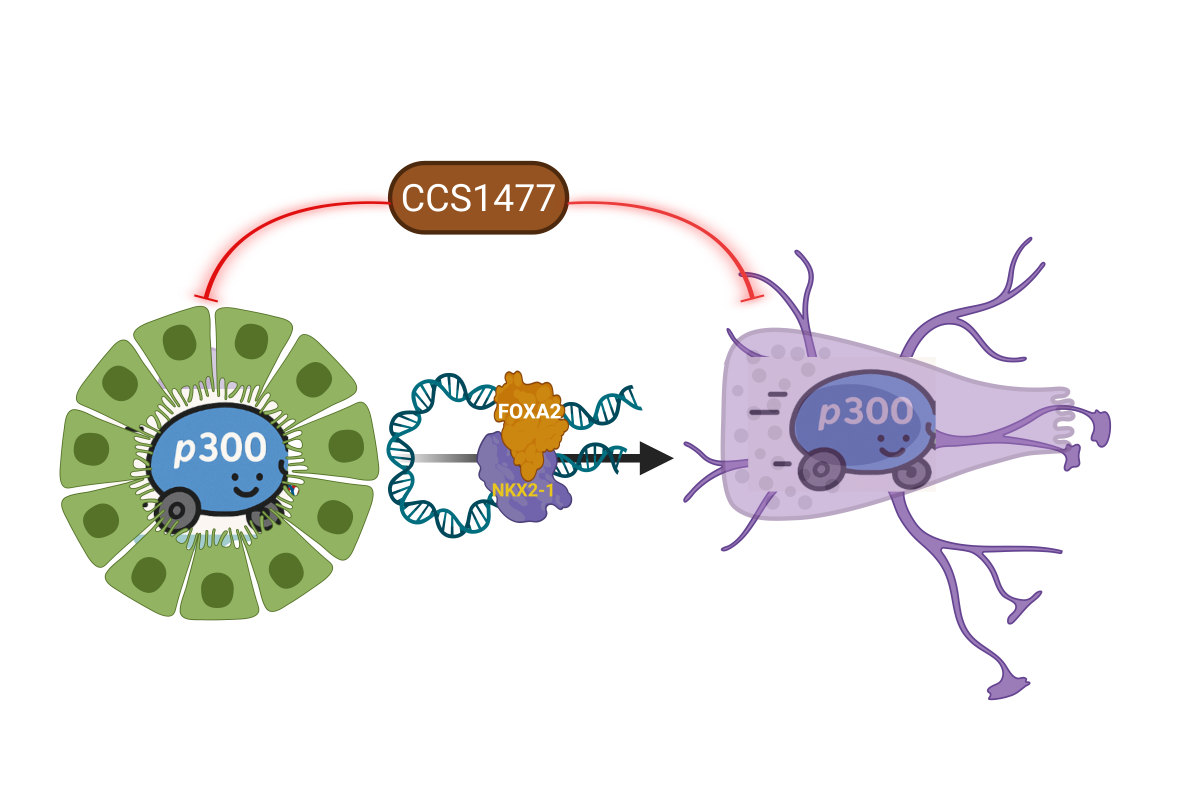
Neuroendocrine prostate cancer (NEPC) is a late-stage aggressive form of prostate cancer. Yu, Zhao and colleagues created a 3D genomic map of how prostate cancer cells rewire themselves to become neuroendocrine. This map shows how DNA folds and loops inside the cell nucleus change as genes driving the deadly transformation become activated.
|
|
|
|
Two proteins — FOXA2 and NKX2-1 — play a central role in this process. FOXA2 acts as a pioneer, opening up inaccessible chromatin. This allows NKX2-1, a gene typically found in brain and lung cells, to activate a new set of instructions that reprogram the cancer cells. Together they reshape the cell’s identity and drive its transition to a deadlier form. The chromatin-remodeling complexes CBP and p300 are essential for this deadly transformation. CBP/p300-inhibiting drugs, such as CCS1477/Inobrodib currently being tested in clinical trials by CellCentric, are able to stop NEPC tumor growth in lab and animal models. Inobrodib is also being tested against hematologic malignancies. More here.
|
|
|
A Pilot Study of Bone Marrow Transplantation in a GALT-Null Rat Model of Classic Galactosemia
Journal of inherited metabolic disorders reports, July 11, 2025
First author Shauna Rasmussen, Fridovich-Keil lab
A cautionary tale. GALT activity and galactose metabolites in both liver and brain samples remained essentially unchanged after transplant.
|
|
|
|
|
|
Perceptions and Experiences of Families of Infants Diagnosed with X-Linked Adrenoleukodystrophy (X-ALD) via Newborn Screening in Georgia and Kentucky
Journal of Primary Care & Community Health, June 29
<-- Sharanya Iyer (GCTP class of 2023) with Gwen Gunn, Nadia Ali
This paper is a reminder that the newborn screening process contains the possibility of dumping new parents into “confusion, anxiety, and fear.” These interview excerpts stuck out:
One mother said that she attended a support group to which she was referred, but that it was a very negative environment. She did not want to hear bad news from other families, and this was toxic knowledge for this participant… she also mentioned that she would have preferred a referral to a therapist to help her cope with her situation.
|
|
|
The interviewed parents advised that people whose children screen positive should be provided with “information about X-ALD, including what it is, how it is diagnosed, and what treatment options are available. The information should be written in an easy-to-understand language and should be accompanied by fact sheets or pamphlets.”
Although these materials should be available -- most states have newborn screening for X-ALD, since it was added to the RUSP in 2016 – they are apparently not doing the job adequately on their own.
|
|
|
|
|
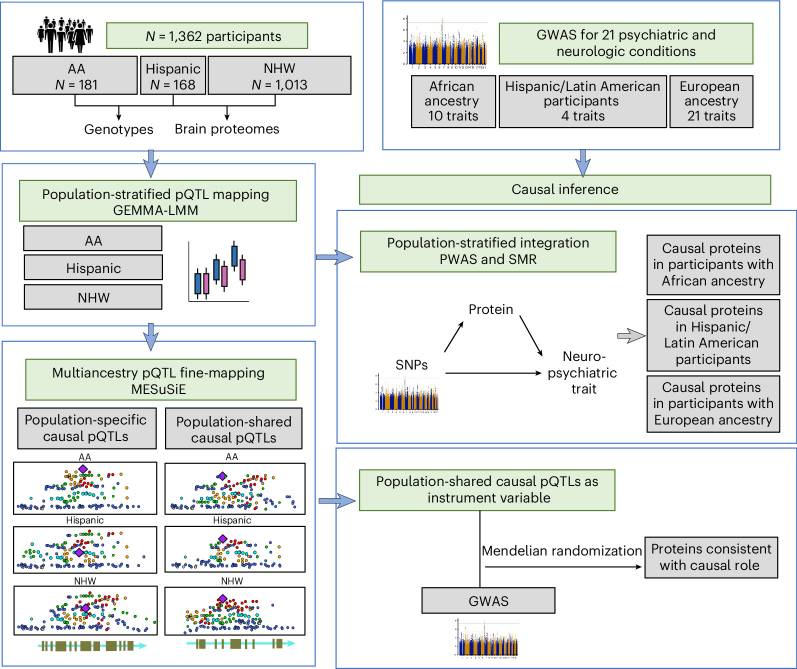
Multiancestry brain pQTL fine-mapping and integration with genome-wide association studies of 21 neurologic and psychiatric conditions
Nature Genetics, September 8, 2025
Lead authors Aliza and Thomas Wingo (now at UC Davis), with Cutler and Epstein co-authors.
Allan Levey talked about this paper at the retreat. The study examines shared and ancestry-specific genetic control of brain protein expression using genetic and brain proteomic profiles from African American, Hispanic and non-Hispanic white donors. Almost 98% of the putative causal pQTLs are shared across the three populations. The authors make the case for a multi-ancestry approach and identify 119 multiancestry causal pQTL–protein–trait triads that may represent promising targets for the development of therapeutics.
|
|
|
Proteome-wide association studies using summary pQTL data of brain, CSF, and plasma identify 30 risk genes of Alzheimer's disease dementia
Tingyang Hu, Yang lab with Epstein
Alzheimer's research and therapy, June 18
Using their recently developed OTTERS tool, the authors identify 30 unique significant PWAS risk genes for Alzheimer’s dementia, including 11 for brain, 10 for CSF, and 16 for plasma tissues. Five of these were shared by at least two tissues, and MAPK3 was found in all three tissues. Most were interconnected within a protein–protein interaction network involving the well-known AD risk gene APOE. The identified genes were enriched in immune response, glial cell proliferation, and high-density lipoprotein particle clearance pathways.
|
|
|
|
How many iPSC cell lines do you need?
Stem Cells Translational Medicine, August 2, 2025
First author Ashok Dinasarapu from Dept of Neurology, Hyder Jinnah
This study used RNA sequencing profiles to evaluate the number of unique individuals and the number of replicate iPSC lines from each individual required to best model Lesch-Nyhan disease. The best results were obtained with iPSC lines from 3-4 unique individuals per group. In contrast to prior studies, results were improved with 2 lines per individual, without statistical corrections for duplicate lines from the same individual.
|
|
|
Bridging cell morphology and molecular dynamics with MorphLink
Nature Communications, July 1
Jian Hu senior author, with Linghua Wang from MD Anderson, first author Jing Huang
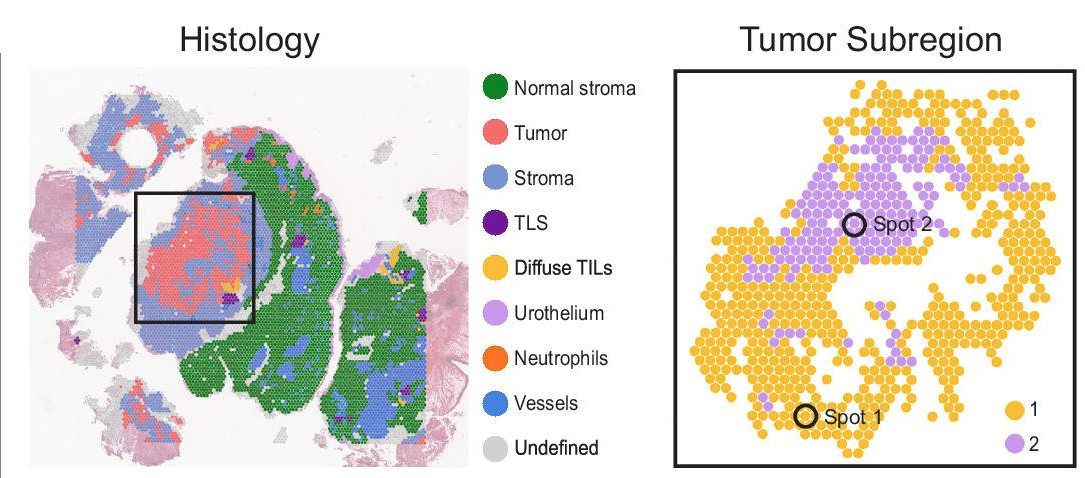
Seeing how molecular activity shifts with tissue structure can be more intuitive and insightful for many biologists than simply reviewing statistical abstractions like p-values. To address this challenge, the Hu lab developed MorphLink—an interpretable artificial intelligence tool that visually bridges tissue morphology and molecular signals.
MorphLink can find sections of cells that have abnormal structure and abnormal molecular expression at the same time. The tool is trained to identify areas of tissue with disease-related spatial characteristics while linking that visual with -omics expression data taken from the same area. The method can be used in large-scale studies and across cohorts, since it is powerful enough to account for outside factors in tissue processing that may vary from site to site. Presentation on MorphLink here.
Below, characterization of tumor heterogeneity in bladder cancer samples
|
|
|
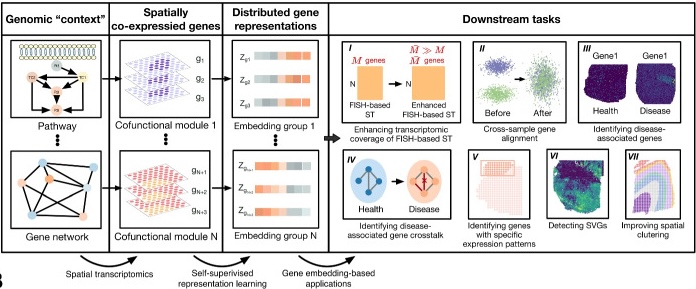
Learn a gene’s landscape using SIGEL
Genome Biology, September 22, 2025 -- see below
From Xiaobo Sun, first author Wenlin Li, with Hao Wu + colleagues from Shenzhen/Hong Kong
SIGEL (Spatially Informed Gene Embedding Learning) is a computational framework designed to understand a gene's function by analyzing its "spatial genomic context" within a tissue. It learns its meaning by comparing its spatial expression pattern to all other genes. Sun describes this as a "context-aware" approach, similar to understanding a word's meaning from the other words in a sentence. By capturing this information, SIGEL generates biologically meaningful gene representations (called SGRs)—which are essentially low-dimensional vectors that numerically summarize the complex spatial expression pattern of a gene. This makes it much easier for researchers to complete downstream tasks, such as: identifying disease-associated genes and their interactions, imputing missing genes in high-resolution, FISH-based data, pinpointing genes that have designated spatial expression patterns, and improving spatial clustering.
As a framework for learning gene representations, SIGEL primarily competes with models like Gene2Vec, scGPT, or scBERT that were designed for non-spatial data (like scRNA-seq) and therefore overlook crucial spatial gene expression information. SIGEL’s specific applications compete with established benchmarks; for example, the module for gene imputation competes with methods like Tangram and SpaGE, and the module for detecting spatially variable genes competes with tools like SPARK and SpatialDE. In the paper, SIGEL is benchmarked against competing methods including CNN-PReg, Giotto, Spark and STUtility.
|
|
|
Functional Annotation of De Novo Variants Found Near GWAS Loci Associated With Cleft Lip With or Without Cleft Palate
Birth Defects Research, July 2025
Sarah Curtis, Elizabeth Leslie-Clarkson
An analysis of de novo variants in parent-child trios with orofacial clefts identified a pair of variants in the hs1617 enhancer region predicted to alter critical transcription factor binding sites. This enhancer is in the same topologically associated domain as HHAT, SERTAD4 and IRF6 – all involved in craniofacial development.
|
|
|
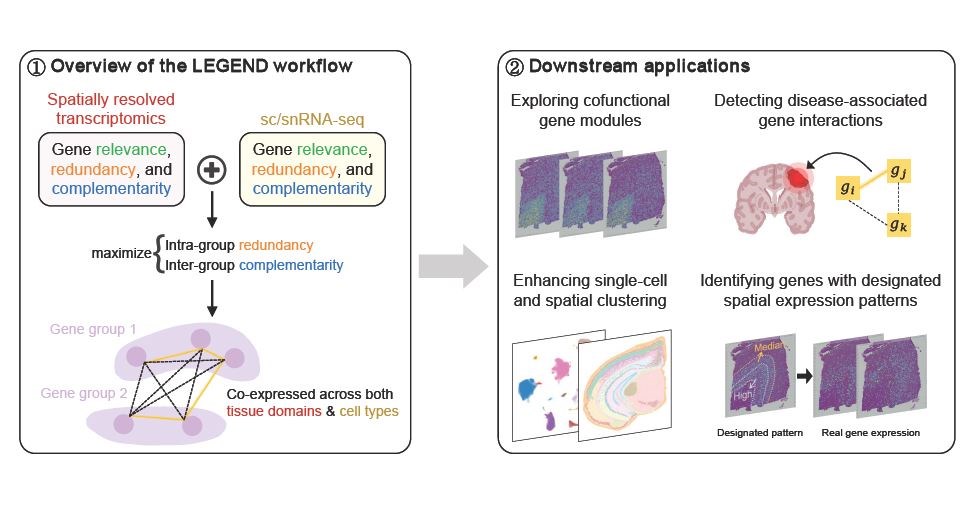
LEGEND: Identifying Co-expressed Genes in Multimodal Transcriptomic Sequencing Data
Genomics, proteomics & bioinformatics, July 1, 2025 -- see below
From Xiaobo Sun, first author Tao Deng, colleagues from Shenzhen/Hong Kong
LEGEND is a computational tool designed to identify groups of genes that are co-expressed across both cell types and tissue regions. It achieves this by integrating single-cell RNA sequencing and spatially resolved transcriptomics. This multimodal approach allows LEGEND to find more biologically relevant gene groups than existing co-expressed gene detection methods using only one data type, such as scGeneClust (scRNA-seq only) or Giotto (SRT only).
LEGEND can pinpoint genes with researcher-specified spatial expression patterns, and improve the accuracy of both single-cell clustering (identifying groups of cells with similar expression profiles) and spatial clustering (identifying spatially coherent and non-overlapping functional regions within a tissue).
|
|
|
Brief mentions (collaborations)
|
|
|
A long list, reflecting many connections made by our researchers.
Variants in CALD1, ESRP1, and RBFOX1 are associated with orofacial cleft risk, PLOS Genetics, Elizabeth Leslie-Clarkson contributing to Pittsburgh study
Association of alcohol responsiveness and non-motor symptoms in isolated adult-onset dystonia, Journal of Neurology, Buz Jinnah part of Dystonia Coalition study
Study of trofinetide in Rett syndrome: Lessons from an approved drug for a severe neurodevelopmental disorder, Developmental medicine and child neurology, commentary from Walter Kaufmann
Ectopic transcription due to inherited histone methylation may interfere with the ongoing function of differentiated neurons. PNAS, Hsiao-Lin Wang, Emily Hill, Victor Corces contributing to C elegans study from David Katz’s lab in Cell Biology
Quieting Cholinergic Neurons in Dystonia, Movement Disorders, commentary from Buz Jinnah and Italian colleague
RAD23B acquires a copper metalloadaptor function in amphibian-to-reptile evolution to increase metabolism and regulate genomic integrity, Molecular Cell,, Weinshenker lab contribution to Princeton/Berkeley study
Buried Treasure? Overlooked and Newly Discovered Evolutionary Contributions to Human Brain Diseases, Annals of Neurology, Peng Jin contributor to review
Integrated chemical exposome-metabolome profiling of follicular fluid and associations with fertility outcomes during assisted reproduction, Environment International, Alicia Smith collaboration with RSPH Walker group
Clinical Decision Support Aiming to Accelerate Triage and Time to Dextrose-Containing IV Fluids in the ED for Children with Severe Metabolic Conditions, Applied Clinical Informatics, William Wilcox and Hailey Dennis contributors to Pediatrics study
The acoustic startle response in 22q11 deletion syndrome: from animal models to humans, Frontiers in Neuroscience, Cubells co-author on review by Walker/Duncan
Gene-by-Environment Interactions Involving Maternal Exposures with Orofacial Cleft Risk in Filipinos, Genes, Elizabeth Leslie-Clarkson contribution to Pittsburgh study
Analyses of GWAS and Sub-Threshold Loci Lead to the Discovery of Dendrite Development and Morphology Dysfunction Underlying Schizophrenia Genetic Risk, Advanced Science, Zhexing Wen contribution to Vanderbilt study
Intracellular and Extracellular Vesicle miRNA Signatures in Human iPSC-Derived Neural Stem Cells and Floor Plate Progenitors, FASEB Journal, Buz Jinnah part of int’l collaboration
Waveform-Based Analysis of Head Tremor Using a Marker-Less Tracking Algorithm with 2D-Video: Evaluation of Sinusoidality and Rhythmicity, Movement Disorders, Jinnah contribution to international study
Fabry disease in females: organ involvement and clinical outcomes compared with the general population (103/150 characters), Orphanet Journal of Rare Diseases, Dawn Laney part of Cincinnati review
MAX-Related Disorder: Expanding the Phenotype of the Recurrent p.Arg60Gln Variant, American Journal of Medical Genetics A, Hong Li part of UCSD case report
Associations between testosterone and future PTSD symptoms among middle age and older UK residents, Translational Psychiatry, Alicia Smith part of Stanford study
Neuropeptides as transmitters and regulators of the locus coeruleus noradrenergic system, Pharmacological Reviews, Weinshenker part of broad review
Cumulative psychosocial factors and epigenetic age acceleration in the Hispanic Community Health Study/Study of Latinos, Epigenomics, Karen Conneely part of RSPH collaboration w/ Shakira Suglia
Striatal GluN2A gene suppression reduces L-DOPA-induced abnormal involuntary movements in parkinsonian rats, Neuropharmacology, Peng Jin collab with Stephen Traynelis, Stella Papa
Sparse matrix factorization robust to sample sharing across GWASs reveals interpretable genetic components, American Journal of Human Genetics, Weinstock contribution to Johns Hopkins study
Ciliary ARL13B Is Essential for Vision and Morphogenesis of Cone Outer Segments, Journal of Neuroscience, Tamara Caspary part of West Virginia study
Proposed Research Criteria for Mild Motor Impairment as a Prodromal Syndrome in Amyotrophic Lateral Sclerosis, Neurology, Christine Stanislaw part of Miami study
Combined single-cell profiling of chromatin-transcriptome and splicing across brain cell types, regions and disease state, Nature Biotechnology, Steven Sloan part of Cornell study
Expectations for papers performing Mendelian randomization analyses, PLOS Genetics, Micheal Epstein is a section editor
Identification of functional non-coding variants associated with orofacial cleft, Nature Communications, Sarah Curtis + Elizabeth Leslie-Clarkson contribution to University of Washington study
New trends in the treatment of blepharospasm: replacing the standardized approach with a personalized approach, Expert review of neurotherapeutics, Buz Jinnah with Laura Scorr from Neurology
Impact of socioeconomic conditions across the life course on epigenetic age acceleration: evidence from a longitudinal cohort, Journals of Gerontology series A, Karen Conneely contributor to RSPH Shakira Suglia study
Inferring chromosome segregation error stage and crossover in trisomic disorders with application to Down syndrome, Nature Communications, Tracie Rosser, Stephanie Sherman and Emily Allen part of St Jude’s study
An Analytic Pipeline to Obtain Reliable Genetic Ancestry Estimates from Tumor-Derived RNA Sequencing Data, Cancer epidemiology, biomarkers & prevention, Michael Epstein contributor to RSPH analysis
Two Halves Make a Whole SCN1A, Epilepsy Currents, Jennifer Wong commentary on Science Translational Medicine paper
Characterizing pain in patients with Fabry disease: findings from a web-based cross-sectional survey in the US, Orphanet Journal of Rare Diseases, Dawn Laney part of Sanofi/Alabama study
Proinflammatory transcriptomic and kinomic alterations in astrocytes derived from patients with familial Alzheimer's disease, Brain, Behavior & Immunity - Health, Zhexing Wen and colleagues
Peripheral Neuropathy as an Early Marker in Newborn-Screened Krabbe Disease: The Value of Pre-Confirmatory Neurophysiological Testing, Journal of the Peripheral Nervous System, Rana Aljaberi and Dawn Laney w/ Pediatrics folks
|
|
|
New funding awards from the National Institutes of Health have been limited recently. That's why it was a relief to see these!
Arvin Sarkissian (Advisor: Fikri Birey) / NIH Funding: F31NS139599 / Molecular and Functional Mechanisms Underlying Cortical Activity in CACNA1A Epilepsy
Jian Hu / NIH Funding: R35GM159880 / Statistical approaches for integrating multi-view, multi-section and multi-sample spatial transcriptomics data to decipher disease mechanisms
Judy Fridovich-Keil / Private Funding: Galactosemia Foundation / Navigating primary ovarian insufficiency (POI) in galactosemia
|
|
|
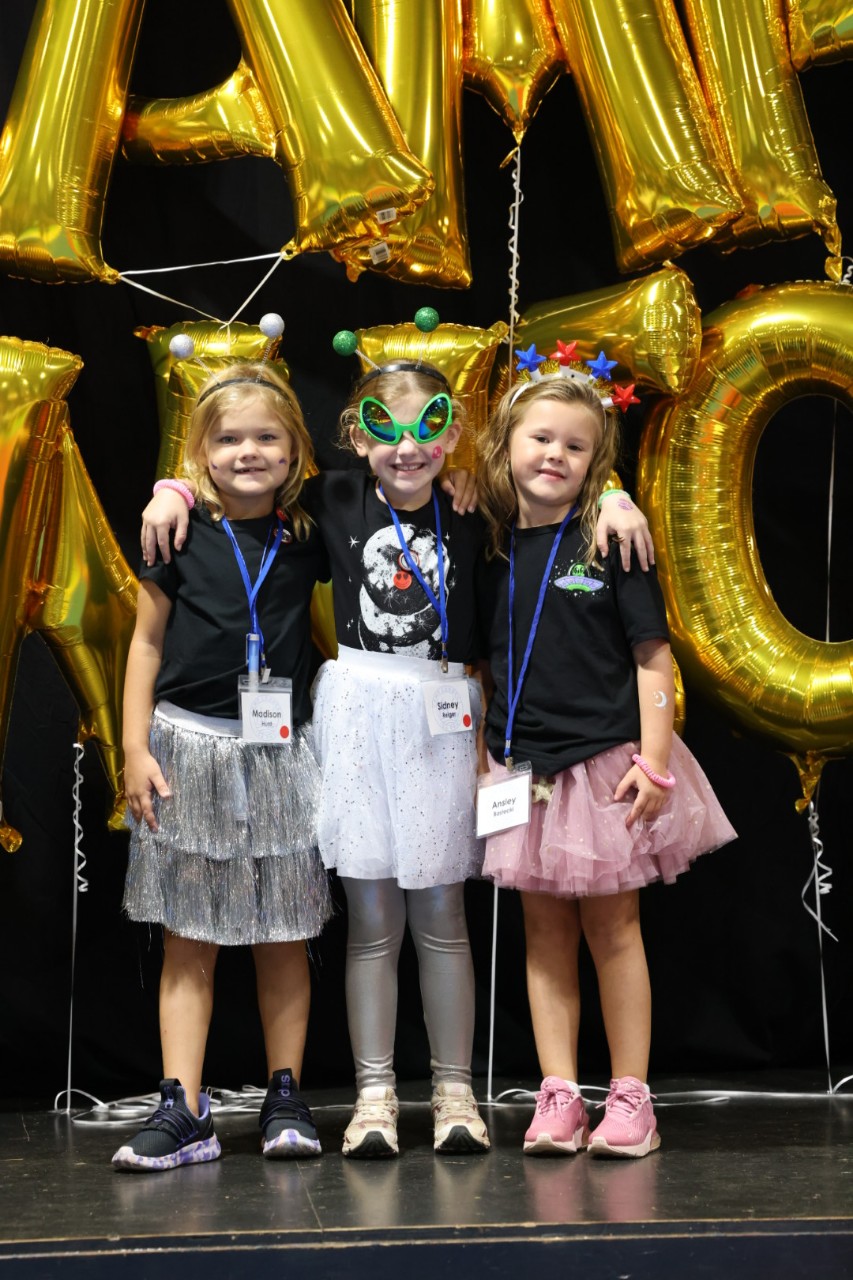
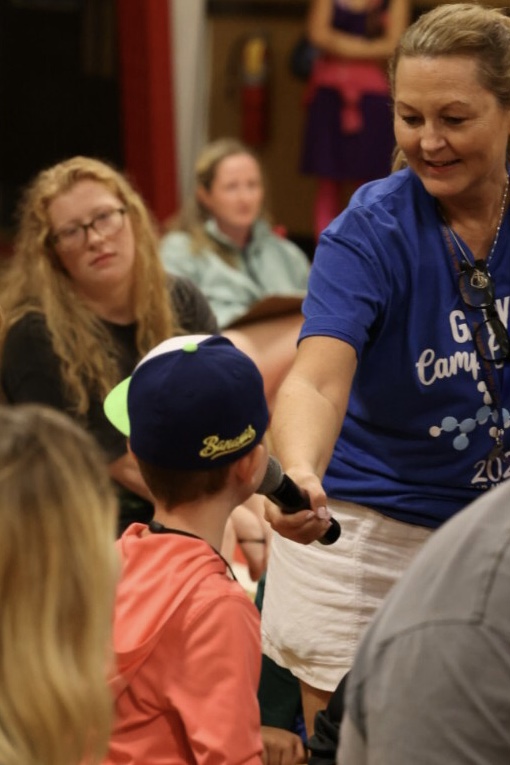
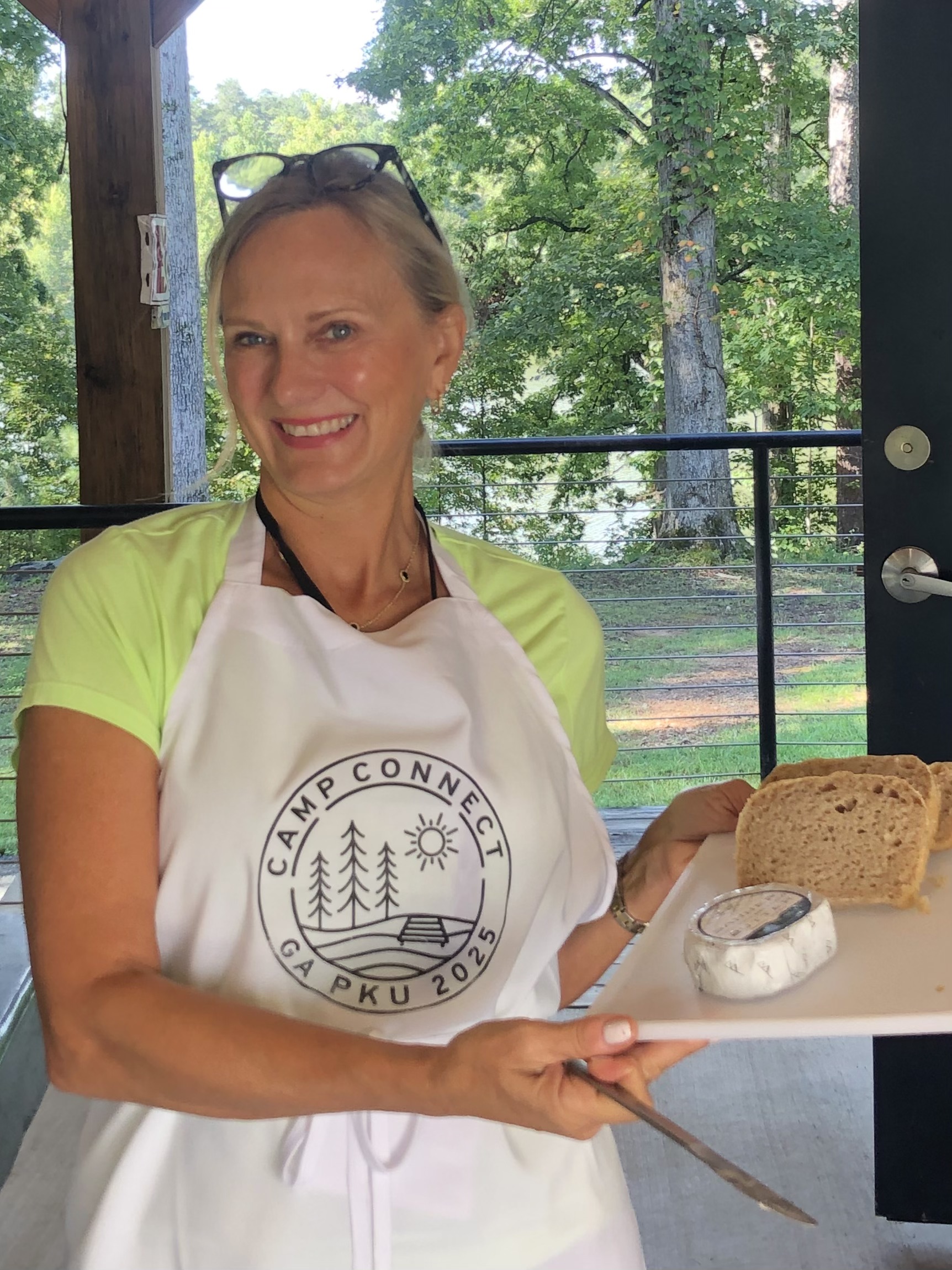
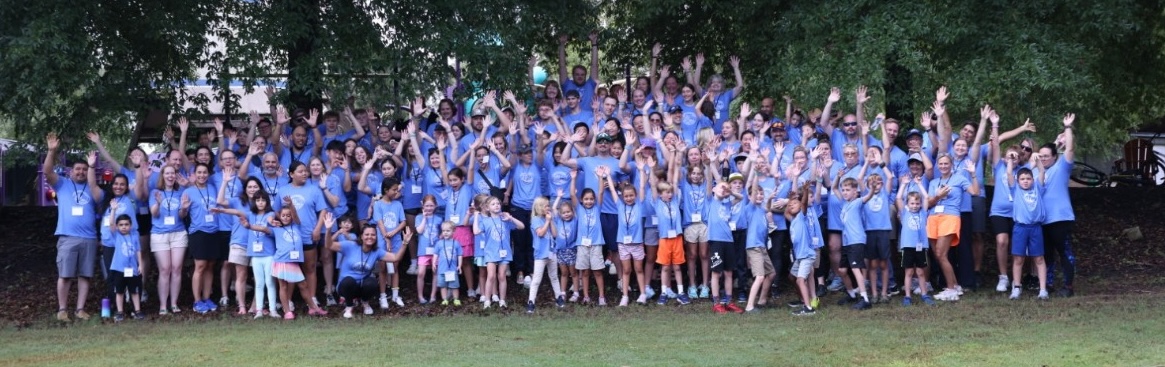
Georgia PKU Connect held its 14th annual Family Camp Weekend in partnership with Camp Twin Lakes.
From our department, Shiela Ryan, Caitlin Flatley, Stephanie Linfields, and Angela Wittenauer were part of the volunteer support team. CHOA’s Sarah Cork and MNT4P’s Izzy Scovil were also part of the volunteer team.
The camp hosted included 38 individuals with PKU ages 2-34 years old. The weekend included low protein cooking classes, horseback riding, and zip lining. Families connect at camp to support the many challenges related to living with PKU. The camp's goals are: meet someone new with PKU, learn something new about PKU, and have fun!
|
|
|
Celebrating 20 Years of GMDI’s Founding at Emory
On October 24, 2025, Emory University’s Medical Nutrition Therapy for Prevention (MNT4P) team, led by Rani H. Singh, PhD, RD, hosted a special scientific conference marking the 20th anniversary of the founding of Genetic Metabolic Dietitians International (GMDI) at Emory.
The event drew over 300 participants from more than 40 countries and featured 17 renowned speakers and panelists. Professor Singh reflected on GMDI’s origins, saying, “I personally believe in the power of community, and GMDI grew out of a desire to bring us together, share knowledge, and give this specialty a strong professional identity — something Emory helped make possible.”
Participants echoed this spirit of connection and gratitude. One global attendee remarked, “It was simply beyond words to be part of the 20-year celebrations. You and your team have improved numerous lives all over the globe, especially in Southeast Asia, to which I belong.”
Broadcast live from the Emory Conference Center Hotel, the half-day event included a commemorative video highlighting Emory’s leadership in GMDI’s founding, featuring Dean Sandra Wong,MD, MS, Chair Jin Peng, PhD, and Vice Chair Michael Gambello, MD, PhD. The celebration honored the organization’s legacy and reaffirmed a shared commitment to advancing genetic metabolic nutrition worldwide.
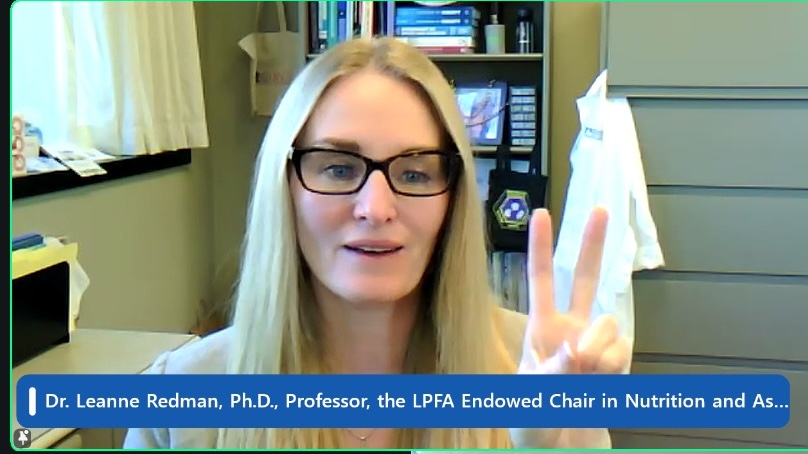
Right: Leanne Redman, PhD, from Pennington Biomedical Research Center, Louisiana
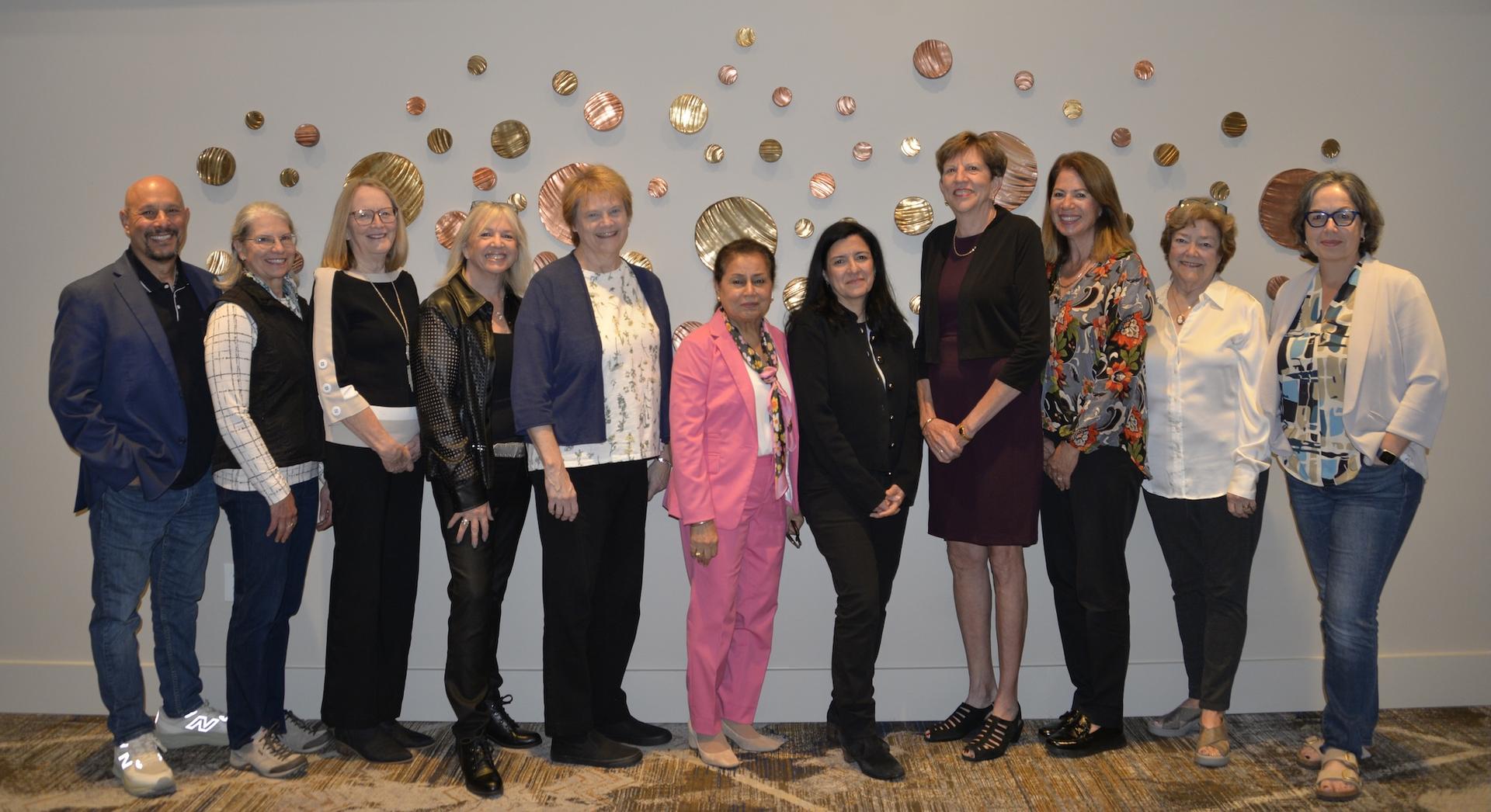
Below: GMDI founders flanking Singh in pink
|
|
|
|
|
|
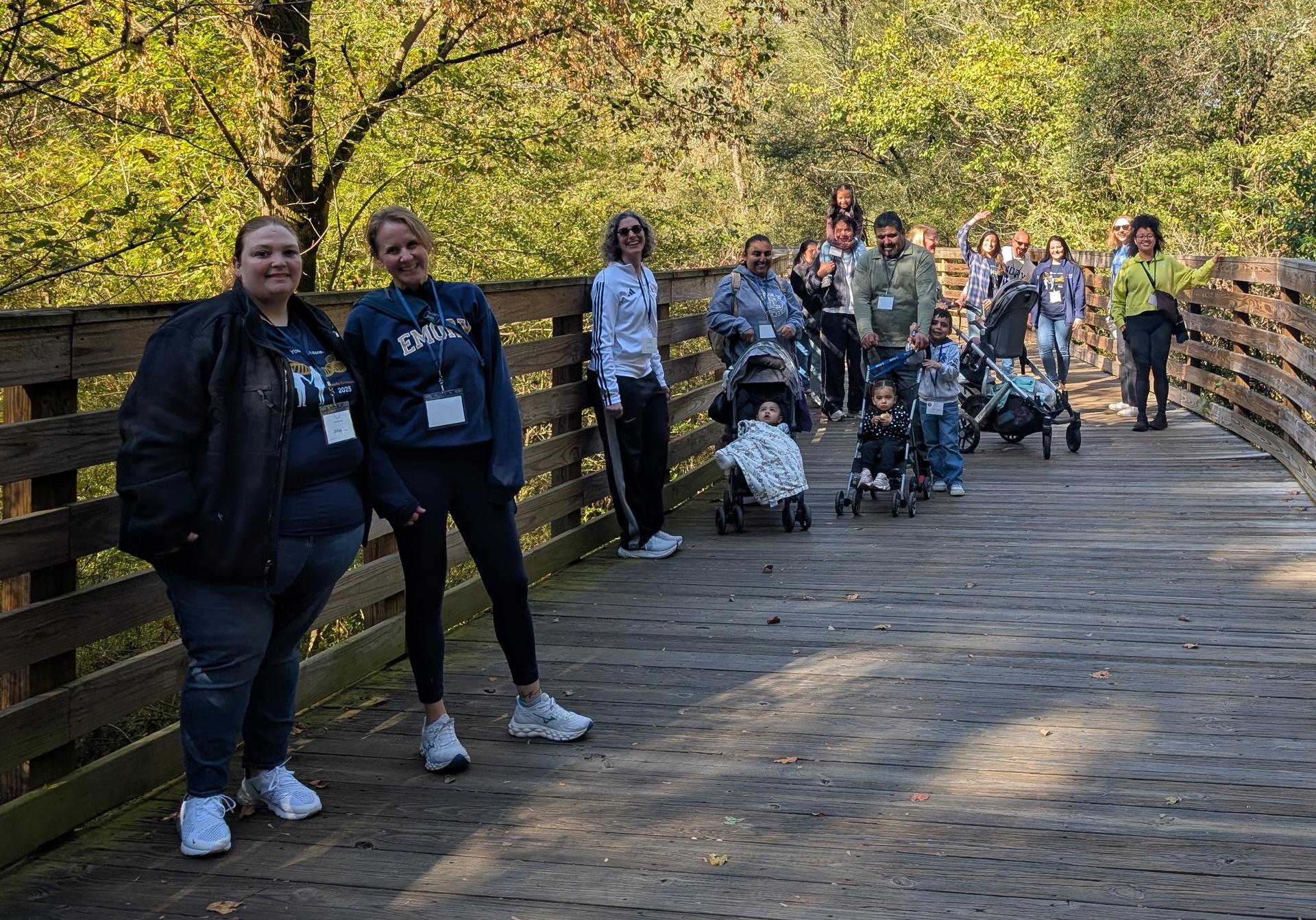
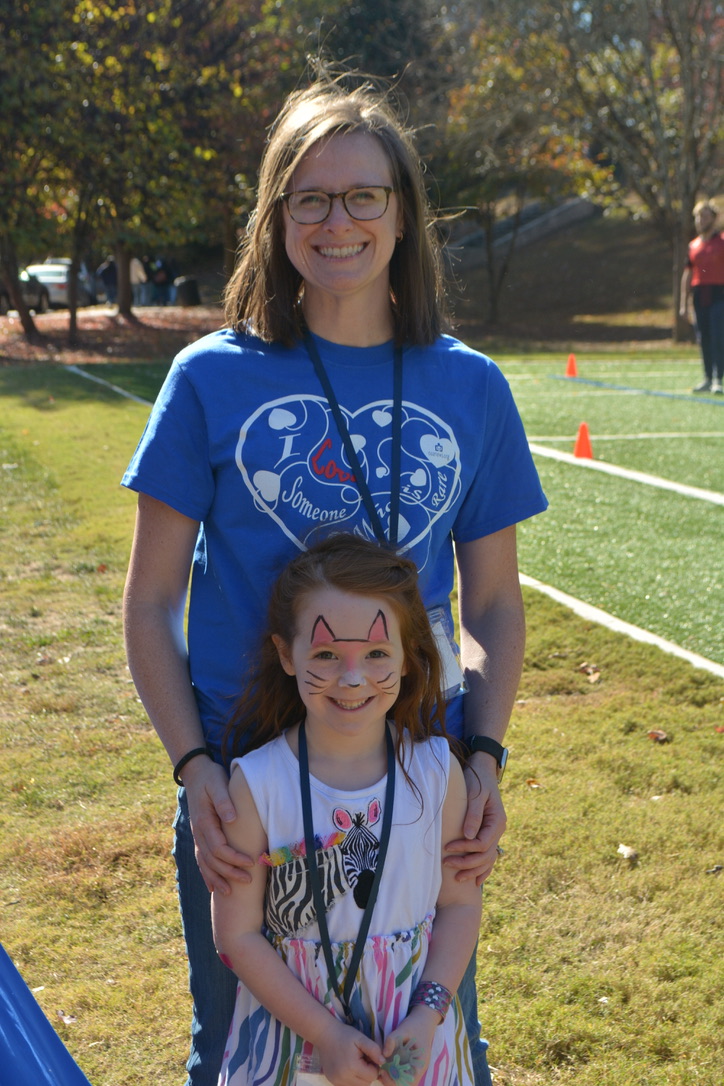
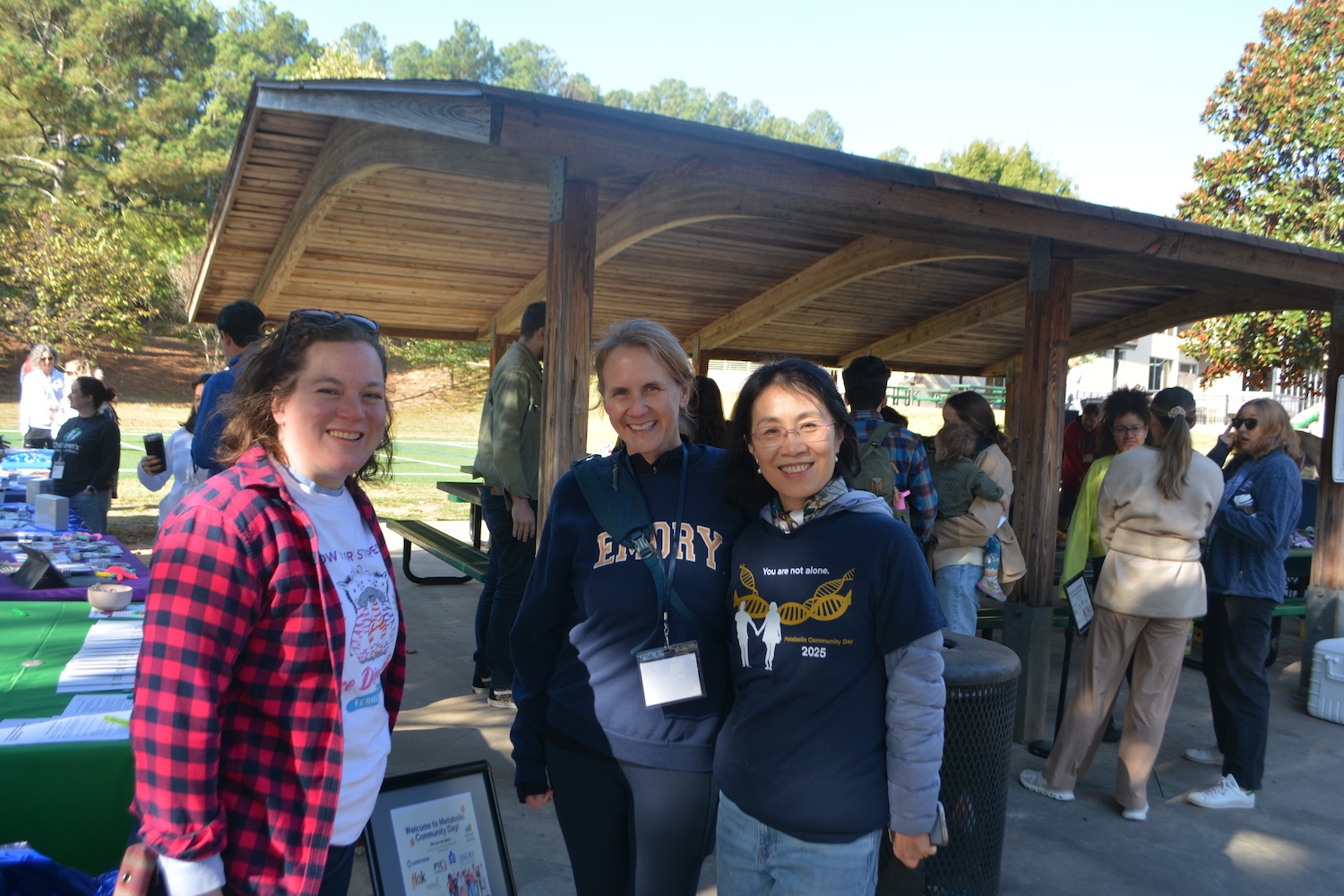
Visitors to the Metabolic Community Day event on October 25 enjoyed ideal weather for a walk around Mason Mill Park's trails. Volunteers and families could also interact at tables with representatives from organizations such as Georgia PKU, Mito Action, Organic Acidemia Association and PTC Therapeutics.
|
|
|
Arginase deficiency update
Readers may recall how Rossana Sanchez Russo and her patients were part of a clinical trial for arginase deficiency. Dr Sanchez recruited a number of families to test the first enzyme replacement therapy for this condition.
The replacement enzyme (pegzilarginase) was effective at removing excess arginine from the body, but the FDA initially put off the original sponsor because long-term neurological/mobility endpoints were not available. That information was published in July and the data looks good: pegzilarginase treatment led to sustained improvements in neuromotor function, mobility and spasticity. Several participants showed partial reversal of impairment. The product was approved in Europe in 2023 -- completion of the FDA’s review is still pending.
|
|
|
|
|
|
Genomic data privacy issues
This spring, Emory genetic counselor Emalyn Cork explained the implications of the 23andMe sale to local media. More recently, Emory law professor Jessica Roberts (left) was a co-author on a Science policy forum outlining proposed bills that aim to protect consumers’ genomic data. The authors say that stronger measures are needed.
|
|
|
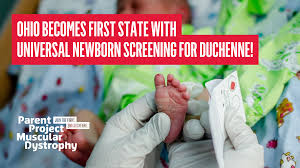
Ohio and Minnesota currently include DMD in newborn screening and several other states are planning to implement it. This spring, Georgia’s newborn screening program almost had DMD imposed by the state legislature via SB101 but the final bill did not include a mandate – discussion continues within the state Department of Public Health.
Federal guidance is up in the air. The federal advisory committee on newborn screening (the ACHDNC) was supposed to vote on adding DMD to the Recommended Uniform Screening Panel in May – but the incoming HHS secretary dissolved the committee.
In August, HHS asked for comment on DMD newborn screening and metachromatic leukodystrophy/MLD in the Federal Register. What happens next has been unclear because of the government shutdown; no timetable has been revealed for a recommendation. As a potential substitute for the ACHDNC, the ACMG is forming a Newborn Screening Coalition under the leadership of Cynthia Powell from University of North Carolina.
|
|
|
Beacons initiative + Sunshine Genetics
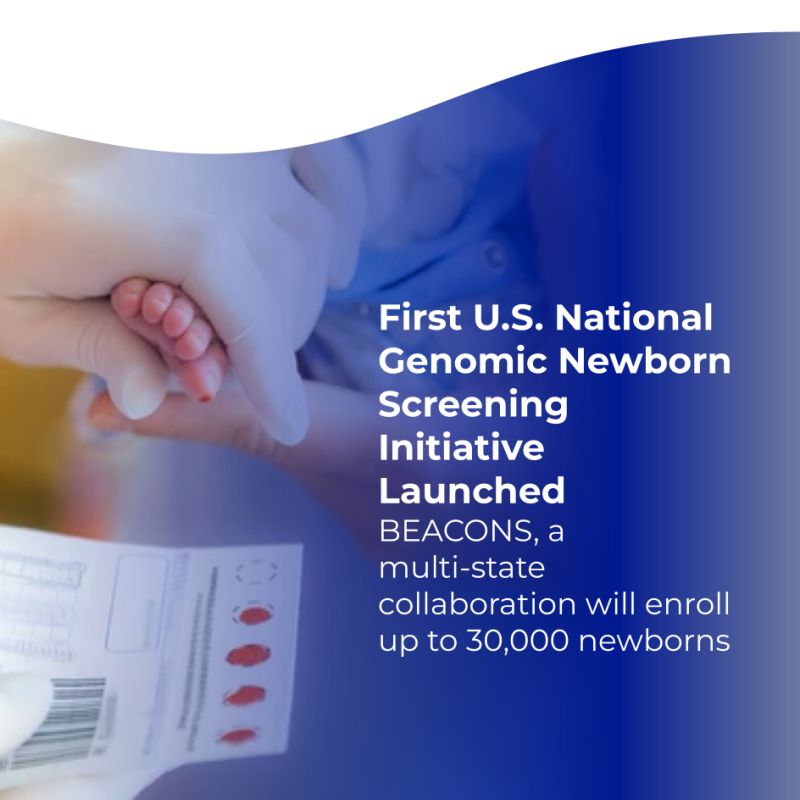
On September 30, the National Institutes of Health announced funding for the BEACONS initiative, designed to assess the feasibility of integrating whole genome sequencing into US newborn screening programs. BEACONS’ leaders are from Harvard/Boston Children’s/Albert Einstein. Funding: about $14.4 million over three years from NIH, supplemented by GeneDx and Illumina. Participating states have not yet been selected. In the planned projects, parents will be offered the option to consider newborn genomic sequencing shortly after birth and/or in the prenatal period.
Florida’s Sunshine Genetic Act, passed in July, established a five-year pilot program in which families can opt in to have their baby’s full genetic code sequenced at no cost. The program will be managed by the Florida Institute for Pediatric Rare Diseases; questions remain about whether state funding ($9.5 million) will be adequate. Another factor to monitor will be participation rates, in a time of public mistrust of medical technology. A decade ago, organizers of programs such as BabySeq were surprised by low uptake.
|
|
|
|
Thank you for your attention
I recently had the privilege to work on an Op-Ed defending the FIRST postdoctoral program (terminated by the Trump administration) along with Caspary lab postdoc Toneisha Stubbs and co-authors from Emory, Spelman and Morehouse. It was published on October 17 in the Atlanta Journal Constitution.
Comments or edits for this newsletter, or suggestions for the next one: contact Quinn Eastman qeastma@emory.edu
|
|
|
|