Human Genetics Dispatch
Fall 2024
|
|
|
|
|
|
Welcome to the Fall 2024 edition of the Department of Human Genetics (DOHG) Dispatch. As the world outside Emory continues to evolve, it is heartening to know that we are part of a community of talented and compassionate colleagues working together to elevate Emory Genetics to national prominence.
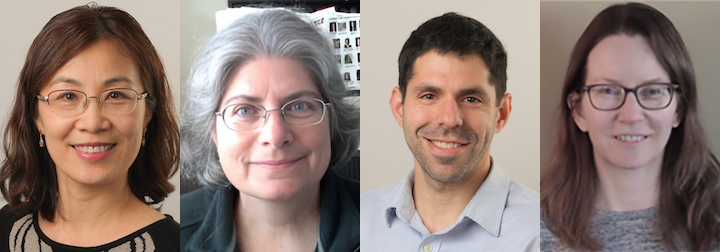
First, a note of celebration for our faculty members honored during the School of Medicine’s Faculty Recognitions Week. These awards demonstrate the department’s broad range of academic, clinical, and research excellence. Dr. Steven Sloan received the Excellence in Research “Rising Star” Award, a recognition of the hard work and dedication of his entire lab and collaborators. Dr. Hong Li was one of two Innovations in Clinical Care Award recipients for establishing the Emory CTCF-Related Disorders Center. This achievement was made possible by a team that included Victor Corces, Hsiao-Lin Wang, Gabriela Valverde de Morales, and many families. Dr. Karen Conneely was named a “Hidden Gem” in Human Genetics for her significant service to the Department and the School of Medicine. Dr. Judith Fridovich-Keil received the Scientific Integrity Award for her dedication to ethics education and her efforts in addressing scientific misconduct. These awards highlight how our department members contribute not only to the success of Human Genetics but also to the broader mission of the School of Medicine.
Second, we have a milestone worth celebrating: JScreen, which began within our department over a decade ago, is now an independent non-profit. Launched initially as a carrier screening pilot project under the late Paul Fernhoff, JScreen’s growth was generously supported by the Marcus Foundation. Karen Grinzaid, who has nurtured the project from its inception, continues to lead as Executive Director and Chief Clinical Officer. In many ways, JScreen has grown up and left the nest.
I look forward to seeing you at the Department holiday party on December 6 at 3 PM in the Miller Ward Alumni House, where we will announce the recipient of the Stephanie Sherman Distinguished Service Award.
Peng
|
|
|
Congratulations to our faculty who were honored in the School of Medicine's Faculty Recognitions Week. This demonstrates the broad range and excellence of what we do.
Innovations in Clinical Care: Hong Li for leading the establishment of the Emory CTCF-Related Disorders Center
Excellence in Research, Rising Star Award: Steven Sloan for “visionary intellect and generosity” (also, for study of glial development)
Scientific Integrity Award: Judith Fridovich-Keil for service to the scientific community in ethics education and investigating misconduct
Hidden Gems: Karen Conneely for supporting several graduate students and postdocs with statistical analysis of complex genomics data, while serving as chair of department awards committee
|
|
|
|
|
Here is a list of posters and platform presentations from the 2024 American Society of Human Genetics meeting in Colorado.
|
|
|
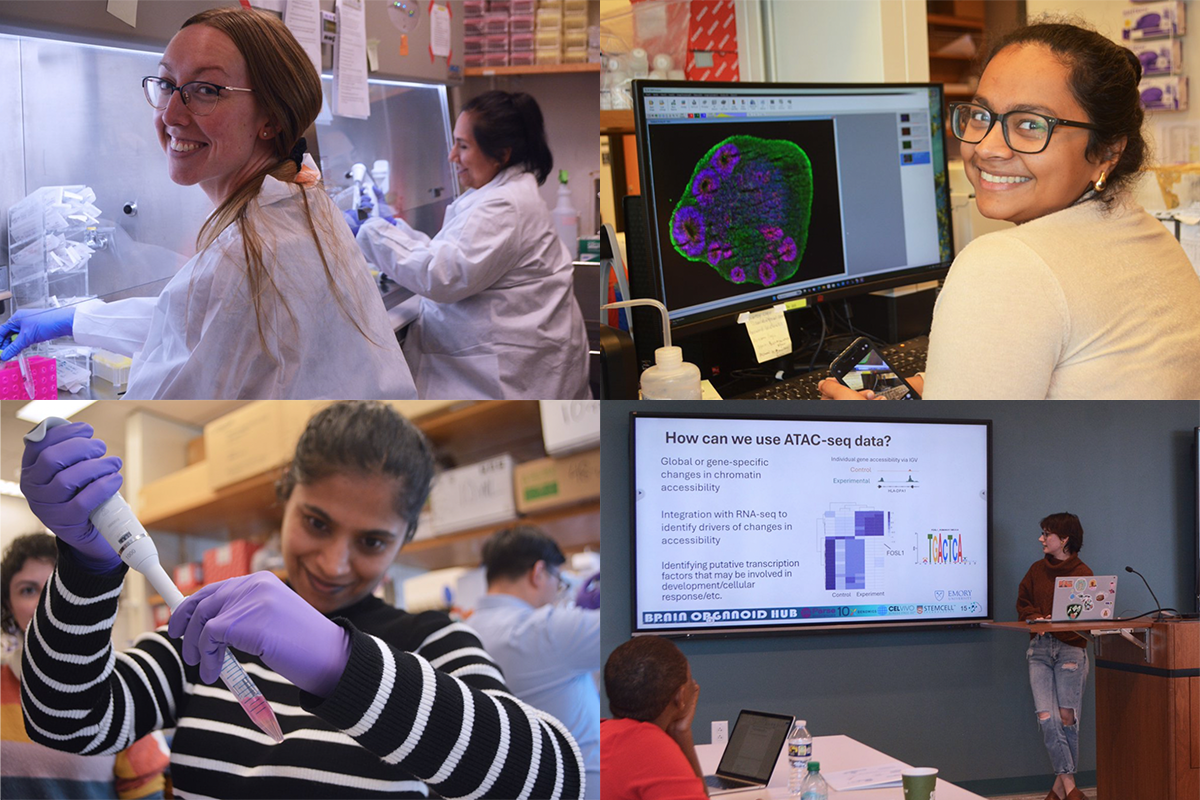
Check out the Emory News article on the Brain Organoid Hub's October workshop, which attracted trainees from around the world.
|
|
|
|
|
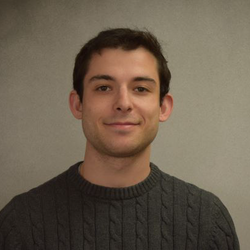
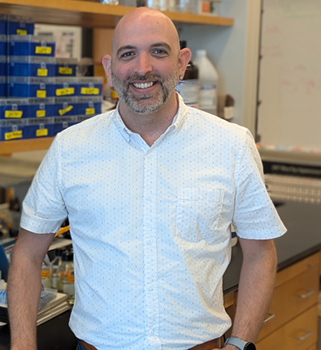
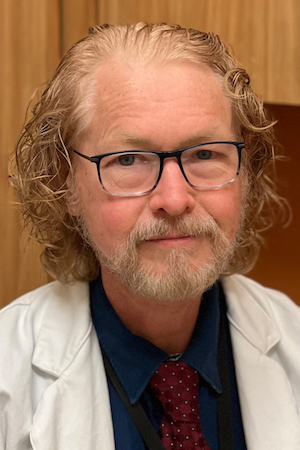
Josh Weinstock
My lab uses statistical and machine learning approaches to discover and characterize disease associated genetic variation. Previously, I was a postdoctoral scholar working jointly with Jonathan Pritchard (Stanford, Genetics) and Alexis Battle (Johns Hopkins, Biomedical Engineering), and then an Assistant Research Scientist in the Battle Lab. I completed a PhD in the Biostatistics department of the University of Michigan, where I was advised by Goncalo Abecasis. Our recent work has been focused on two major efforts: 1) deciphering the inherited causes somatic mosaicism in blood; 2) characterizing the downstream effects of GWAS hits by pairing statistical causal inference algorithms with high-throughput perturbation approaches.
Outside of science, I am an avid follower of baseball - the field where I first applied my quantitative skills. Before graduate school, I was even a full-time employee of a major league baseball team. Despite great efforts, I concluded through extensive research that I was a fairly poor baseball player in almost all important aspects of the game. Thankfully, I learned that that I could contribute value through data analysis - a lesson that I have embraced ever since in all other aspects of my career.
|
|
|
Shauna Rasmussen
I received a B.S. in Pharmacology and Toxicology, with a second major in Biology from the University of Wisconsin in 2011. Following graduation, I worked in the lab of Dr. Frank Park investigating the role of Gpsm1 in a mouse model of autosomal dominant polycystic kidney disease. Subsequently, I attended the Medical College of Wisconsin and completed my PhD in Physiology and Translational Science in 2017 in the lab of Dr. Aron Geurts. I worked on developing a liver xenotransplantation model in rats to allow for the propagation of human hepatocytes.
Afterwards, I joined the lab of Judy Fridovich-Keil as a postdoc in August of 2017 to begin characterizing a rat model of Classic Galactosemia. We have now used this model over the last several years to explore different therapeutic approaches to improving outcomes. We hope to translate these findings to the clinic, as there are currently no therapies available for patients at this time. The work we do in the Fridovich-Keil lab is the type of research I was hoping to be involved with following my graduate school studies.
When not in the lab, I enjoy gardening. I purchased my first home a few years ago and have been working on creating native plant gardens to support local wildlife and insects. I also have a vegetable garden where my husband and I like to grow different hot peppers, including some of the hottest in the world -- like ghost peppers. I made the mistake of pledging, “I will eat anything I grow” when I tried a ghost pepper for the first and only time. I have since renounced that pledge.
|
|
|
|
|
|
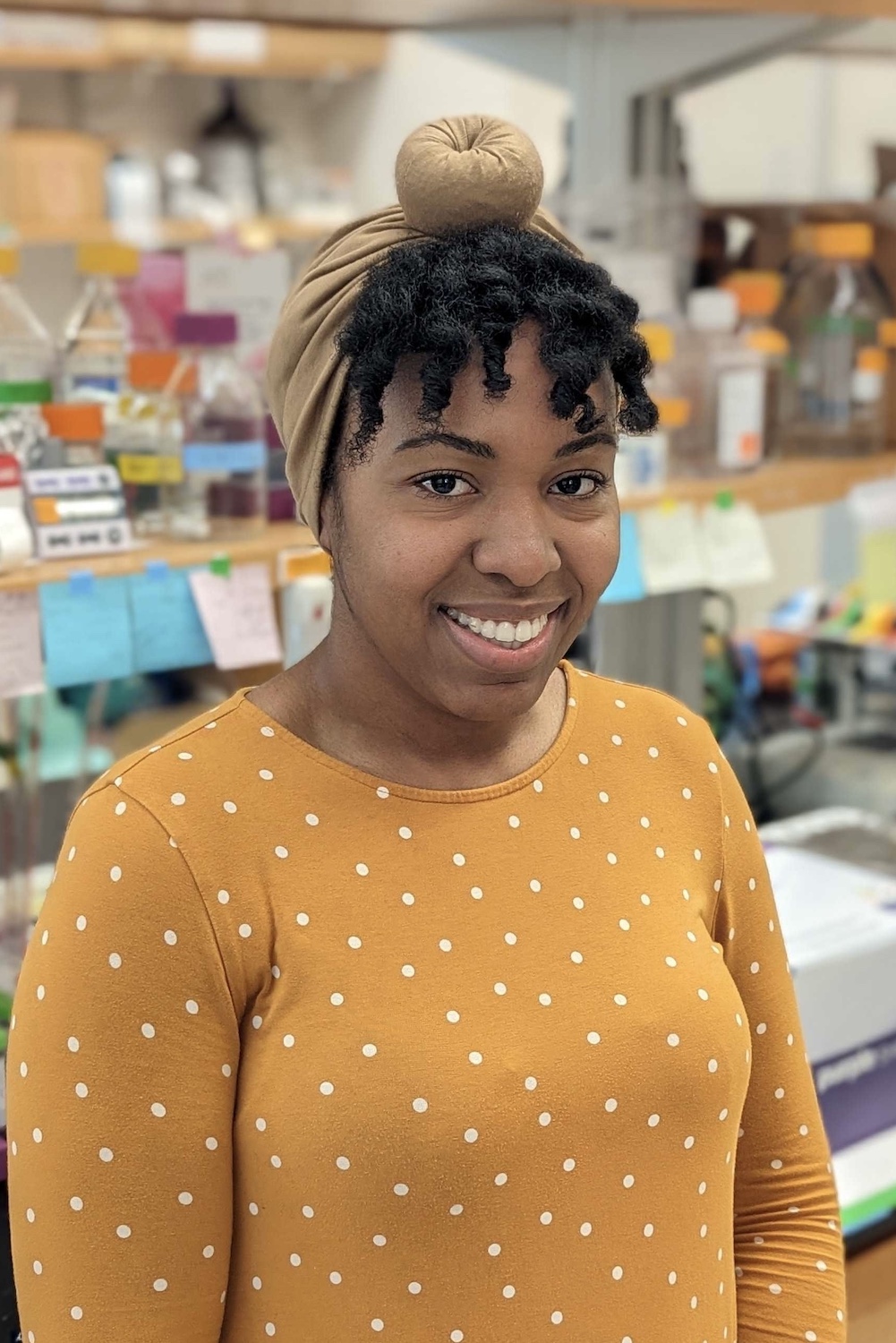
Tiffany Terry
I received a Bachelor’s degree in chemistry from CUNY Brooklyn College in New York City in 2010. Afterward, I accepted a position as a post-baccalaureate research fellow at the Mayo Clinic. I was there for three years doing research in a laboratory in the Department of Immunology. My years at the Mayo Clinic allowed me to develop essential skills and become familiar with the workload, expectations, and other challenges of being a graduate student. I also built confidence in knowing I have what it takes to succeed in graduate school. In 2013, I started graduate school at the University of Virginia and earned my PhD in Cancer Biology in August 2020. I worked in Dr. Hui Zong's laboratory. I used a sophisticated mouse genetic system called Mosaic Analysis with Double Markers (MADM) to determine the functional role of insulin-like growth factor 1 (IGF1) signaling during cerebellar development. I found that IGF1 is a paracrine factor that positively regulates cerebellar granule cell progenitor cell cycle in cooperation with sonic hedgehog (Shh) signaling.
In September 2020, I joined Dr. Tamara Caspary’s lab as a postdoctoral fellow to obtain comprehensive training in cilia biology and signaling. Despite the pandemic, I was highly productive in the lab, generating data for my project, which aims to dissect the cilia-specific function of ARL13B as a regulator of energy homeostasis. Using another mouse model, our results show that ciliary ARL13B is a critical regulator of energy homeostasis, controlling feeding behavior and body weight in the hypothalamus. This project is a collaboration among Dr. Caspary, Dr. Nicolas Berbari (IU – Indianapolis), and Dr. Christian Vaisse (UCSF).
In my free time, I enjoy hosting parties with my husband, spending time with family, volunteering at my church, and playing with my 2-year-old Doberman, Nala. Regular visits with my 22-month-old nephew and goddaughter are always fun.
|
|
|
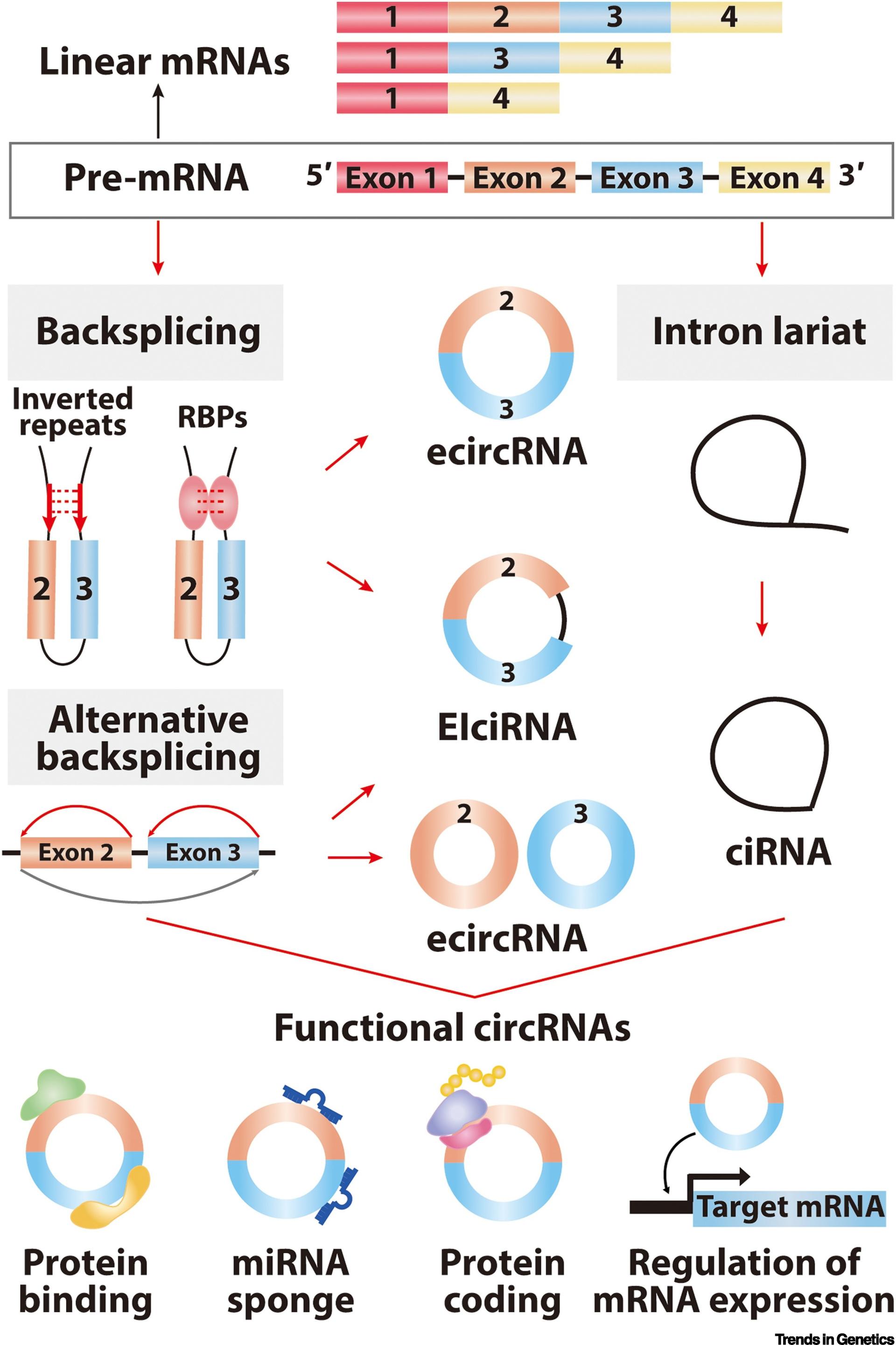
RNA runs in circles -- memory loops?
Both from Bing Yao's lab, the first in collaboration with Yue Feng in Pharmacology & Chemical Biology
Genome Medicine, November 11, 2024
Identification of pathological pathways centered on circRNA dysregulation in association with irreversible progression of Alzheimer’s disease
Circular RNAs are highly stable regulators, thought to serve as “memory molecules” governing the long process of aging. The authors found that a specific circular RNA, circGigyf2, was reduced in abundance both in a standard Alzheimer's mouse model (5xFAD) and in AD patient tissue samples. It appears to function as a sponge for miRNAs and splicing factors; artificially depleting circGigyf2 enhances neuronal sensitivity to apoptosis.
Communications Biology, October 19, 2024
Identification of brain region-specific landscape and functions of clustered circRNAs in Alzheimer's disease using circMeta2
Bing's lab and Li Chen’s group at University of Florida collaborated to develop this tool for analyzing circular RNAs, called circMeta. The program is designed to account for circular RNA clusters, which overlap in sequence. The authors tested circMeta2 on publicly available gene expression data from ENCODE and the Mount Sinai Brain Bank Alzheimer’s study.
|
|
|
|
Sex-specific risk factors for cleft palate
Human Genetics, October 3, 2024
Genome-wide study of gene-by-sex interactions identifies risks for cleft palate
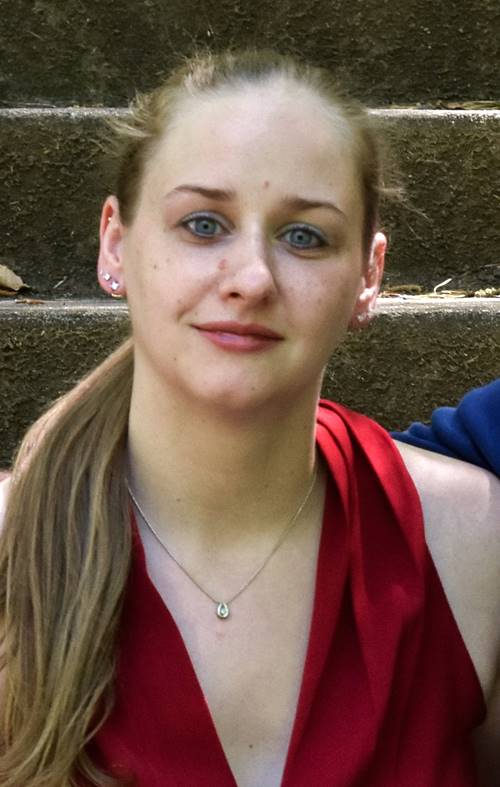
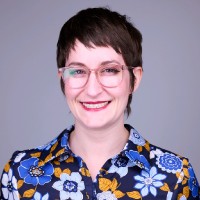
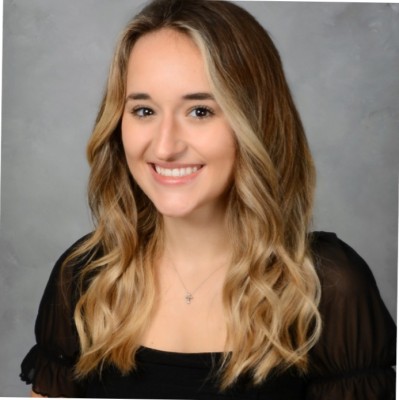
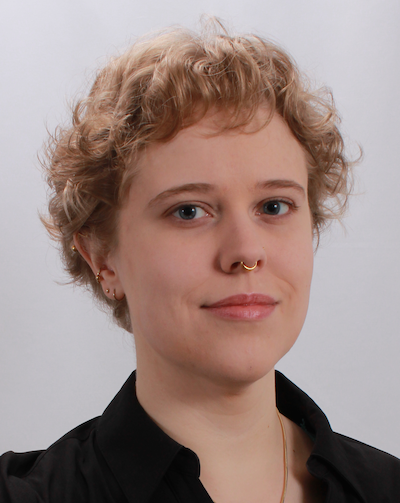
From Kelsey Robinson (right) in the Leslie Lab, with several DOHG co-authors
Cleft lip with or without cleft palate is more common in males, while cleft palate only is more frequently observed in females. Taking advantage of this disparity, the authors performed a sex-stratified GWAS analysis, and demonstrated sex-specific risks for cleft palate only that are otherwise undetectable in a combined sex cohort. The top hit was LTBP1, a regulator of TGF-beta.
|
|
|
|
Let’s figure out cilia genetics together
Disease models & mechanisms, October 14
A prioritization tool for cilia-associated genes and their in vivo resources unveil new avenues for ciliopathy research
From Robby Van Sciver (right) and Tamara Caspary
About 10% of mammalian genes encode cilia-associated proteins? Wow, that’s a lot. Van Sciver and Caspary have complied a resource, with the purpose of facilitating study of these cellular signaling hubs. Also see this profile of Van Sciver.
|
|
|
|
Software tool analyzes cancer cells in biopsy slides
Nature Communications, August 25
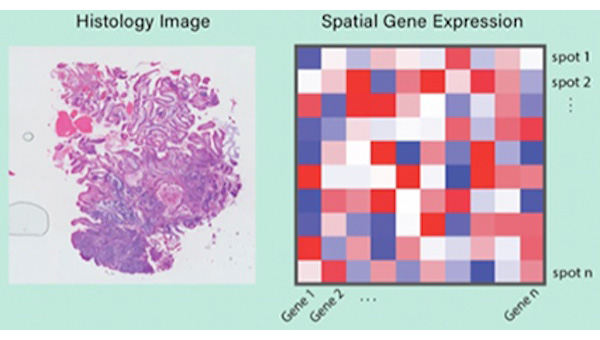
Jian Hu working with Linghua Wang at MD Anderson
METI: deep profiling of tumor ecosystems by integrating cell morphology and spatial transcriptomics
The tool, called METI (Morphology-Enhanced Spatial Transcriptome Analysis Integrator), can accurately identify tumor cells and other components of the tumor microenvironment, by integrating both molecular and morphological information. For more, see this link.
|
|
|
|
Leaning older: survey of adults with galactosemia
Journal of Inherited Metabolic Disease, August 14
Health and well-being of maturing adults with classic galactosemia
Judith Fridovich-Keil w/ Olivia Garrett (right) as first author
Most studies of galactosemia focus on children and adolescents – hence this survey of 92 adults older than 30 and sibling controls. Study participants came from 12 different countries, mostly in Europe and North America. The survey covered seven domains: speech/voice/language, cognition, motor function, cataracts, bone health, psychosocial well-being, and gastrointestinal health. The findings strongly suggest that the developmental deficits of classic galactosemia do not progress with age.
|
|
|
|
Scoping out high-risk breast cancer risk -- genetic counseling's role
Annals of Surgical Oncology, October 2024
Jamie Paysour, Ruchi Aluwalia contributed to study led by Lauren Postlewait
Defining the Need for Services for Patients at High Risk of Breast Cancer at a Safety-Net Hospital: An Approach to Narrowing the Disparities Gap
The authors sought to estimate the proportion of patients at high risk for breast cancer in the Grady system, gauge patient interest in high-risk services, and define resources for program development. 257 women presenting for breast imaging in 2023 were surveyed. The criteria for genetic counseling/testing were met by 61 (23.7%).
|
|
|
|
|
|
Incorporate more TWAS data, using this tool
Yang lab, with graduate student Randy Parrish (left) as first author
SR-TWAS: leveraging multiple reference panels to improve transcriptome-wide association study power by ensemble machine learning
Nature Communications, August 5
The SR-TWAS tool provides a useful resource for researchers to take advantage of publicly available gene expression imputation models by using multiple regression methods. SR-TWAS is expected to further increase TWAS power for studying complex human diseases.
|
|
|
|
|
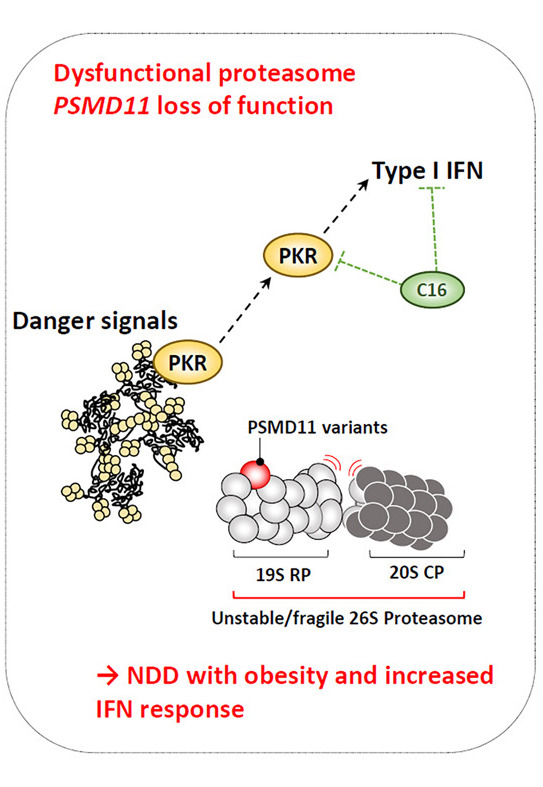
Mess around with the proteasome? Find out the consequences
PSMD11 loss-of-function variants correlate with a neurobehavioral phenotype, obesity, and increased interferon response, American Journal of Human Genetics, July 2024
Janette diMonda and Jaime Vengoechea co-authors on this mostly European study
|
|
|
Lead's toxic effects on the brain
Current Opinion in Toxicology, June 2024
Maureen Sampson and Steven Sloan, with friends from Michigan
Single-cell investigation of lead toxicity from neurodevelopment to neurodegeneration: Current review and future opportunities
This article reviews existing Pb neurotoxicology studies with genome-wide molecular signatures and provides a path forward for the field to implement single-cell approaches with practical recommendations.
|
|
|
Omnibus PWAS pipeline
American Journal of Human Genetics, September 5
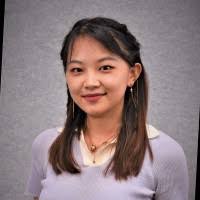
From Jingjing Yang’s group – first author Tingyang Hu (right) is now a PhD student at Penn State
Omnibus proteome-wide association study identifies 43 risk genes for Alzheimer disease dementia
The effects of PWAS-identified significant genes are potentially mediated by protein abundance, and the authors propose an omnibus PWAS pipeline to account for multiple statistical models. 43 Alzheimer’s risk genes were identified, including 5 not identified by previous studies. The authors also validated causal genetic effects mediated through the proteome for a host of omnibus PWAS risk genes.
|
|
|
|
The disasters just kept coming
JAMA Network Open, July 2024
Epigenetic Age Acceleration and Disparities in Posttraumatic Stress in Women in Southeast Louisiana
Alicia Smith and colleagues
Epigenetic study of Louisiana women and their children, followed through the 2010 Deepwater Horizon oil spill and numerous hurricanes. Epigenetic age acceleration was higher in minority groups and associated with PTSD diagnosis and severity.
|
|
|
|
|
|
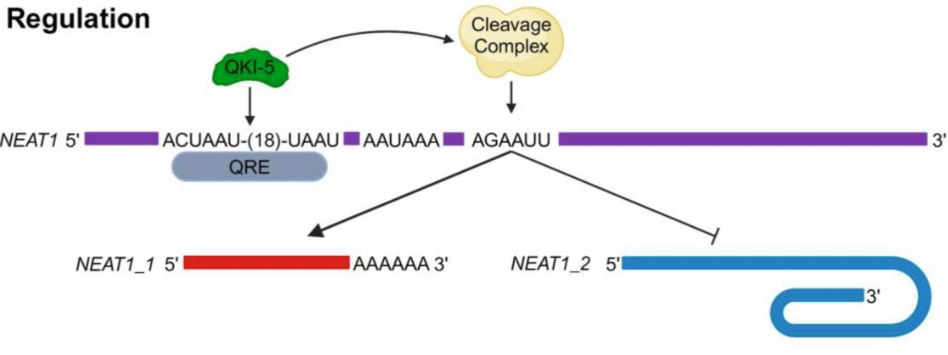
A NEAT1 RNA story
Journal of Biological Chemistry, July 18
Bing Yao and Yangping Li, contribution to Yue Feng
Isoform balance of the long noncoding RNA NEAT1 is regulated by the RNA-binding protein QKI, governs the glioma transcriptome, and impacts cell migration
Differential dysregulation of NEAT1 isoforms in patient-derived glioblastoma cells, with usage of the NEAT1 proximal polyadenylation site (PAS) controlling glioma NEAT1 isoform production. NEAT1 in turn perturbs cell migration.
|
|
|
Galactose metabolism without GALT
Journal of Inherited Metabolic Disease, July 3
Judy Fridovich-Keil’s team
Restoring galactose metabolism without restoring GALT rescues both compromised survival in larvae and an adult climbing deficit in a GALT-null D. Melanogaster model of classic galactosemia
If GALT deficiency is artificially bypassed with a structurally unrelated enzyme, are there any side effects? This is a way of asking whether GALT has some “moonlighting” function. In a Drosophila model, the authors conclude: probably not.
|
|
|
|
Brief mentions (collaborations)
|
|
|
It's actually a long list, reflecting the many connections made by our researchers.
Genetic Risk Factors in Isolated Dystonia Escape Genome-Wide Association Studies, Movement Disorders, Jinnah contributing -- Common variants do not significantly contribute to risk for a disorder (in this case, isolated dystonia), despite the latest GWAS. But whole genome sequencing might help to unravel heritability.
Adenosine 2A Receptors Link Astrocytic Alpha-1 Adrenergic Signaling to Wake-Promoting Dopamine Neurons, Biological Psychiatry , Weinshenker contribution to Vanderbilt paper on staying awake
Deep5hmC: predicting genome-wide 5-hydroxymethylcytosine landscape via a multimodal deep learning model, Bioinformatics, University of Florida with Peng Jin, Bing Yao as co-authors
PTGER4 signaling regulates class IIa HDAC function and SPINK4 mRNA levels in rectal epithelial cells, Cell Communication and Signaling, Subra Kugathasan + David Cutler co-authors on Jason Matthews from Pediatrics, prostaglandins + intestinal inflammation
A phase III, open-label clinical trial evaluating pegunigalsidase alfa administered every 4 weeks in adults with Fabry disease previously treated with other enzyme replacement therapies, Journal of Inherited Metabolic Diseases, Wilcox contribution to University of Iowa lead authors
Beyond IQ: executive function deficits and their relation to functional, clinical, and neuroimaging outcomes in 3q29 deletion syndrome, Psychological Medicine, Cubells contribution to Jen Mulle paper
Entorhinal cortex vulnerability to human APP expression promotes hyperexcitability and tau pathology, Nature Communications, Weinshenker contribution to Matt Rowan in Cell Biology
A Genotype/Phenotype Study of KDM5B-Associated Disorders Suggests a Pathogenic Effect of Dominantly Inherited Missense Variants, Genes Hong Li co-author -- KDM5B is a lysine demethylase and individuals with missense variants display neurodevelopmental delay/intellectual disability and sometimes facial dysmorphology and renal/skin anomalies.
Functional analysis of ESRP1/2 gene variants and CTNND1 isoforms in orofacial cleft pathogenesis, Communications Biology, Elizabeth Leslie contributing to Penn story
Loss of symmetric cell division of apical neural progenitors drives DENND5A-related developmental and epileptic encephalopathy, Nature Communications, Eileen Barr + Juanita Neira contributing
The membrane trafficking protein DENND5A interacts with the Crumbs apical polarity complex required for symmetrical division of neural progenitor cells. Progenitors lacking DENND5A fail to undergo symmetric cell division, biasing daughter cells towards a more fate-committed state and limiting neurogenesis.
Inflation of polygenic risk scores caused by sample overlap and relatedness: Examples of a major risk of bias, American Journal of Human Genetics, Epstein co author -- Don’t want to overestimate those polygenic risk scores!
Schwann cell-secreted PGE2 promotes sensory neuron excitability during development, Cell, Sloan contribution to Stanford story: neurodevelopmental role for prostaglandin E2 distinct from its established role in inflammation
GRK2 kinases in the primary cilium initiate SMOOTHENED-PKA signaling in the Hedgehog cascade, PLoS Biology, Caspary contributing to U of Utah story
Omega-3 reverses the metabolic and epigenetically regulated placental phenotype acquired from preconceptional and peri-conceptional exposure to air pollutants, Journal of Nutritional Biochemistry, Peng Jin part of UCLA study
Epigenetic associations with neonatal age in infants born very preterm, particularly among genes involved in neurodevelopment, Scientific Reports, Karen Conneely contribution to Rollins School of Public Health study led by Todd Everson
The frequency and function of nucleoprotein-specific CD8+ T cells are critical for heterosubtypic immunity against influenza virus infection, Journal of Virology
H Richard Johnson and colleagues in the Emory Integrated Computational Core contributed
DNA methylation profiles of cancer-related fatigue associated with markers of inflammation and immunometabolism, Molecular Psychiatry, Karen Conneely collaboration with Andy Miller in Psychiatry
Decoding the role of DNA methylation in allergic diseases: from pathogenesis to therapy
Review in Cell & Bioscience, Peng Jin middle author
Frontiers in congenital disorders of glycosylation consortium, a cross-sectional study report at year 5 of 280 individuals in the natural history cohort, Molecular Genetics & Metabolism, Juanita Neira contributing
Intrasubject variability of sustained attention is associated with elevated self-reported attention deficits in women with a fragile X premutation allele, Neuropsychology
Emily Allen contributing to CUNY study
Associations of childhood, adolescence, and midlife cognitive function with DNA methylation age acceleration in midlife, Aging, Karen Conneely contributing to RSPH study
FMR1 allelic complexity in premutation carriers provides no evidence for a correlation with age at amenorrhea, Reproductive Biology & Endocrinology, Emily Allen part of international study -- advances concept of fragile X allelic score
|
|
|
R01/NINDS, Zach McEachin, Mechanisms of chimeric DPR production and toxicity in c9ALS/FTD, July 2024 start
Expanded hexanucleotide repeats in c9orf72 are the most common genetic cause of ALS (amyotrophic lateral sclerosis) and FTD (frontotemporal dementia). McEachin is sorting through repetitive proteins produced from the hexanucleotide repeats. The question is: how much does chimeric gobbledygook – generated through frameshifting -- contribute to toxicity, compared to the homogenous stuff?
R01/NCI, Jonathan (Changsheng) Zhao, Molecular Mechanisms Underlying Luminal- Neuroendocrine Transdifferentiation, September 2024 start
This project studies the progression of prostate cancer cells from adenocarcinoma to neuro-endocrine, which are more invasive and lethal. Zhao and colleagues have established a model system, in which a prostate luminal epithelial cell line is pushed toward neuro-endocrine through overexpression of the chromatin-pioneering factor FoxA2. Their central hypothesis is that this process requires regional DNA demethylation mediated by TET1. The project includes plans for testing the efficacy of a TET1 inhibitor in model systems.
K01/NIDDK, Robert Van Sciver, Unraveling the Ciliary Driver of Polycystic Kidney Disease, September 2024 start
Van Sciver and the Caspary lab have obtained strong evidence that the ciliary GTPase ARL13B drives cyst formation in polycystic kidney disease. This grant supports his plans to dissect the functional contributions of three proteins interacting with ARL13B (CDK1, ARL3 and INPP5E). A K award is often seen as pathway to opening one's own lab -- so best of luck, Robbie!
U54/NHLBI, Tracie Rosser & Emily Allen, INCLUDE CDP Cohort Coordinating Center, Start September 2024
NIH’s INvestigation of Co-occurring conditions across the Lifespan to Understand Down syndromE (INCLUDE) Project is collecting data from a large group of people with Down syndrome across a range of ages and backgrounds. This long-term study will establish a diverse, large-scale dataset based on a cohort of individuals with Down syndrome that will allow the research community to better understand conditions that co-occur with Down syndrome from birth to adulthood. The award is in collaboration with epidemiologist Jessica Ezzell Hunter, at the North Carolina nonprofit research institute RTI International. RTI press release
R56/NIDDK, Judy Fridovich-Keil, Gene Therapy in a GALT-null Rat Model of Classic Galactosemia,September 2024 start
Fridovich-Keil and colleagues have established a rat model for gene therapy in galactosemia. This study will test whether a single dose of an AAV9-based gene therapy can reliably prevent complications in the rat model, building a framework for galactosemia gene therapy clinical trials.
F31/NHLBI, Elizabeth Feldman (Leslie lab), Rare variants associated with AVSD in Down Syndrome, September 2024 start
Atrioventricular septal defects (AVSD) affect 1 in 5 infants with Down Syndrome. Since the extra copy of chromosome 21 is insufficient to cause AVSD by itself, other factors may modify this risk. Feldman plans to leverage whole genome sequencing to identify rare variants both on and outside of chromosome 21.
F32/NIDA, Brittany Pate (Weinshenker lab), Examining the modulatory role of galanin in opioid reward, September 2024 start
The neuropeptide galanin is known to oppose opioid reward, and one of its receptors (GalR1) forms hetero-receptor complexes with µ-opioid receptors. These heteromers may be a valuable therapeutic target in opioid use disorder, as demonstrated by the different properties of the R/S mirror image forms of methadone. Pate will dissect the neuronal circuitry in the ventral tegmental area, part of the mesolimbic reward pathway, and the hypothalamus.
F32/NIA, Maggie Tish (Weinshenker lab), A human organoid approach to understanding the role of the locus coeruleus in Alzheimer's disease, September 2024 start
Tish will develop the first human organoid model of the locus coeruleus, the main source of norepinephrine in the brain and a critical early site of neurodegeneration in Alzheimer’s. She includes plans for studying the spread of pathology from locus coeruleus to cortex in organoids.
|
|
|
Education event for Hispanic families
|
|
|
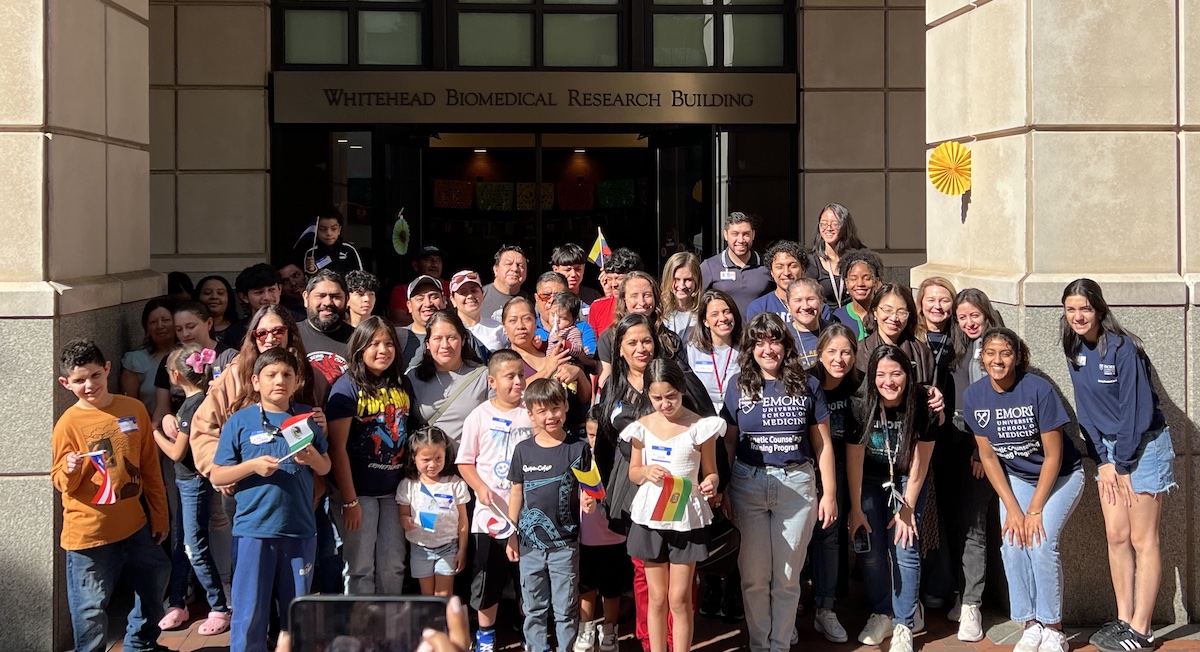
Spanish-speaking patients with metabolic disorders and their families gathered on Saturday, October 5 for the Department of Human Genetics' first Hispanic Metabolism education event.
Previously isolated families were able to meet for the first time and make connections, according to one of the lead organizers, Rossana Sanchez Russo, MD. The families of two patients with a rare metabolic disorder (cobalamin C deficiency) were able to meet, when previously they had not encountered any other family dealing with the same condition, she says.
Highlights included:
* Two lectures in Spanish from our physicians, one on the basics of genetics and heredity and another on nutrition and tips for navigating the variety of products for people with metabolic disorders.
* One table devoted to teaching safe practices for patients requiring daily injections, and another providing recipes and disease-specific resources in Spanish, some created and translated by members of our department
* Activities for children, led by volunteers from the Genetic Counseling Training Program and the School of Medicine
Organizers included: Rossana Sanchez Russo, MD, Juanita Neira, MD, Shiela Ryan, RD, Caitlin Flatley, RD
|
|
|
|
|
JScreen now independent
Starting in the 1970s, Emory's Division of Medical Genetics partnered with the Atlanta Jewish community in promoting carrier screening for Tay-Sachs disease. The revered Paul Fernhoff oversaw a local pilot project in 2010 offering expanded carrier screening. Unfortunately, he did not get to see the 2013 nationwide launch of JScreen, supported by the Marcus Foundation.
On October 1, 2024, JScreen was spun out of Emory as an independent non-profit. JScreen's CEO is Matt Goldstein, MD, PhD, a biotech VC/entrepreneur whose daughter had Tay-Sachs due to a medical error. DOHG faculty member Karen Grinzaid, MS, CGC remains executive director and serves as chief clinical officer.
|
|
|
|
|
Wilcox elected to ACMG board
Congratulations to William Wilcox, MD, PhD, who was elected to the American College of Medical Genetics and Genomics’ board of directors.
He has already served on ACMG’s practice guideline committee and the steering committee for the NIH-funded ACMG Newborn Screening Translational Research Network. ACMG directors serve for five years - he starts in 2025.
The ACMG, formed in 1991, is the national professional society for clinical geneticists. It publishes standards and guidelines for clinical genetics laboratories and advises the federal government on genetic testing and newborn screening. The ACMG also works with the American Medical Association to update medical billing codes, publlshes the journal Genetics in Medicine, and is a provider of continuing medical education.
|
|
|
A recent article in The Atlantic (gift link) by Roxanne Khamsi focuses on X chromosome inactivation and its variability, in relation to X-linked disorders such as Duchenne muscular dystrophy and hemophilia. Khamsi highlights the organization Remember the Girls, which advocates for females impacted by X-linked conditions.
“It is a rather common misconception that women are not affected by X-linked disorders,” an expert tells her. “Genetics is a lot more complicated than what we are taught in medical school.”
|
|
|
|
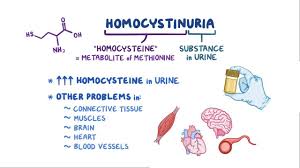
Improving NBS for homocystinuria
The metabolic disorder homocystinuria was added to newborn screening protocols starting in the 1970s, but many children with the condition are still missed. This fact was highlighted in a recent social media campaign by a recent social media campaign from the Centers for Disease Control and Prevention.
In the video, we hear how a two-year-old boy in South Carolina fell ill while on vacation with his family. He began experiencing seizures and had to undergo a medically induced coma. His doctors eventually diagnosed him with homocystinuria, which was missed at birth. That’s probably because the metabolite currently used to detect homocystinuria (methionine) is often at a normal level or below the cutoff in the first days of life. Fortunately for some patients, the condition can be managed with supplementary vitamins; the boy in South Carolina recovered.
|
|
|
|
To improve newborn screening for homocystinuria, Emory’s Department of Human Genetics is testing a different method for detecting it. This pilot program is funded through a three-year contract with the NICHD (National Institute of Child Health and Human Development). The approach lowers the cutoff level for methionine, while adding second tier metabolite testing on the blood spot through Mayo Clinic Laboratories. The goals are to improve detection while reducing false positives, and to improve screening for other conditions, including methylmalonic acidemia, propionic acidemia and cobalamin defects.
Newborn screening follow-up manager Angela Wittenauer reports that the pilot program, which is coming to a close, has shown improvements in terms of reducing false positives in preliminary data. Similar approaches have been tested in New York, Massachusetts and Colorado. Last year, the CDC published a potential alternative: testing blood spots for homocysteine in the first tier.
|
|
|
Thank you for your attention
Comments or edits for this newsletter, or suggestions for the next one: contact Quinn Eastman qeastma@emory.edu
|
|
|
|