Oct. 29, 2026
Dear colleagues,
People are at the center of everything we do across the School of Medicine. To provide consistent, people-centered support and help departments plan strategically for the future, we recognized the need to evolve our human resources (HR) model.
Earlier this year, we began reorganizing the School of Medicine HR structure around three HR Advisory Centers and shared HR Service Teams. The transition began in March with briefings for department leaders and continues, covering staffing, team formation, and the development of common workflows and operating principles. We are moving from a traditional HR model to a more connected, responsive partnership that combines strong departmental relationships with strategic expertise, consistent practices, and more efficient operational support.
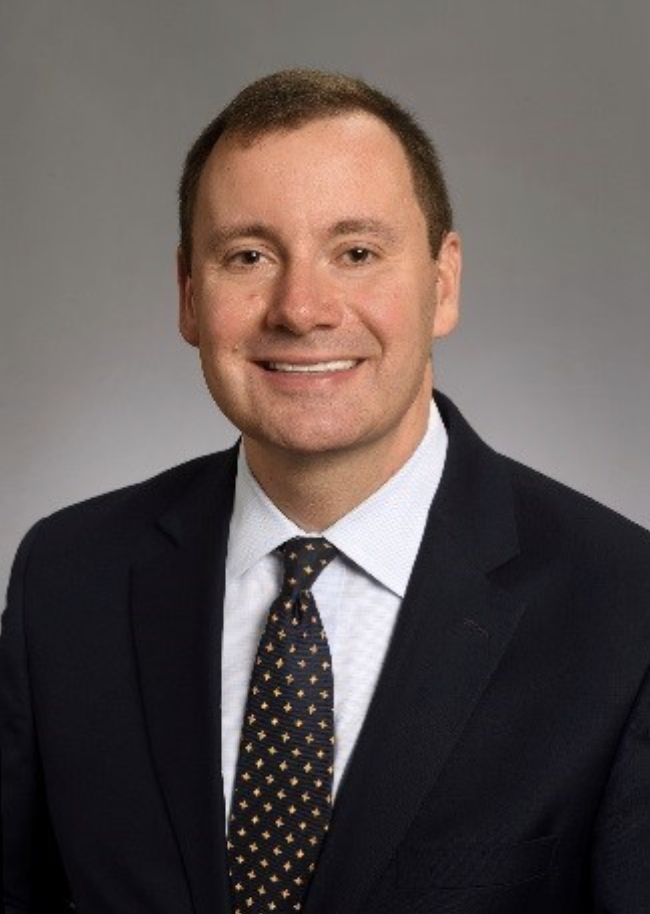
This month, I spoke with Cliff Teague, Executive Administrator for Human Resources, about the School of Medicine's HR integration and optimization efforts. This important work strengthens connections across the School of Medicine, Woodruff Health Sciences and Emory Healthcare People Teams while preserving the trusted departmental partnerships that support our faculty and staff every day.
|
|
|
|
|
Q: What is the purpose of HR integration and optimization, and why is this work important for the School of Medicine now?
|
The purpose is simple: to create a more connected, responsive and strategic HR experience for the more than 9,000 employees we serve across the School of Medicine. As our organization grows and becomes more complex, we need an HR model that supports day-to-day operations and enables leaders to think proactively about workforce planning, talent development and employee engagement.
This work supports the broader One Emory vision by bringing together the strengths of the School of Medicine, Woodruff Health Sciences and Emory Healthcare People Teams. By aligning our practices, sharing expertise and reducing silos, we can deliver a more consistent employee experience while still meeting each department's unique needs.
Just as importantly, this evolution lets us shift more of our focus from managing transactions to enabling our mission. We are building an HR organization that is data-informed, service-oriented and positioned to help departments navigate the opportunities and challenges ahead.
|
|
|
Q: What should faculty, staff and departments be most excited about as this new model takes shape?
|
What excites me most is that departments get the best of both worlds. In our new model, departments will continue to have access to local HR partners, but those partners will now be supported by broader expertise, shared resources and dedicated HR leadership teams.
Through our HR Advisory Centers, departments will have greater access to strategic consultation on workforce planning, employee relations, culture, engagement and organizational development. At the same time, HR Service Teams will focus on high-volume operational work that keeps everything running smoothly. That specialization allows us to be more efficient, consistent and responsive.
I'm also excited about the opportunities this creates to leverage data, technology and proven practices across the School of Medicine. We can identify trends earlier, make better-informed decisions, and scale successful approaches faster. Ultimately, our goal is to provide a higher level of service and strategic partnership that helps our departments, leaders and employees succeed.
|
Q: What comes next, and what should faculty and staff expect over the coming months?
|
We have made significant progress, but this journey continues. Our current priorities include completing staffing for our three HR Advisory Centers, continuing the transition of HR Service Partners, standardizing processes across centers and identifying best practices for implementation throughout the School of Medicine.
For faculty and staff, the most important thing to know is that support will continue throughout this process. Departments will maintain their connections with HR professionals who understand their people, priorities and culture. We are intentional about preserving business continuity while building a stronger long-term model.
As we move forward, you can expect ongoing communication, thoughtful implementation and a focus on continuous improvement. We will learn from what works well, make adjustments as needed and continue refining our approach. The goal is to build an HR organization that is more connected, more strategic and better equipped to support the School of Medicine's missions in education, research and patient care.
|
Thank you, Cliff, for sharing this update and for leading this important work. I am grateful to our HR colleagues and departmental partners for their continued collaboration as we build a stronger, more integrated approach to supporting the people who advance our mission every day.
My best,
Sandra
Sandra L. Wong, MD, MS
Dean, Emory University School of Medicine
Chief Academic Officer, Emory Healthcare
|
|
|
|